Marlborough has recorded 18 fanworm incursions since 2014. None has established a breeding population, but Mediterranean fanworm remains the region’s biggest marine pest threat, putting both the aquaculture industry and marine biodiversity at risk if it ever gets a foothold.
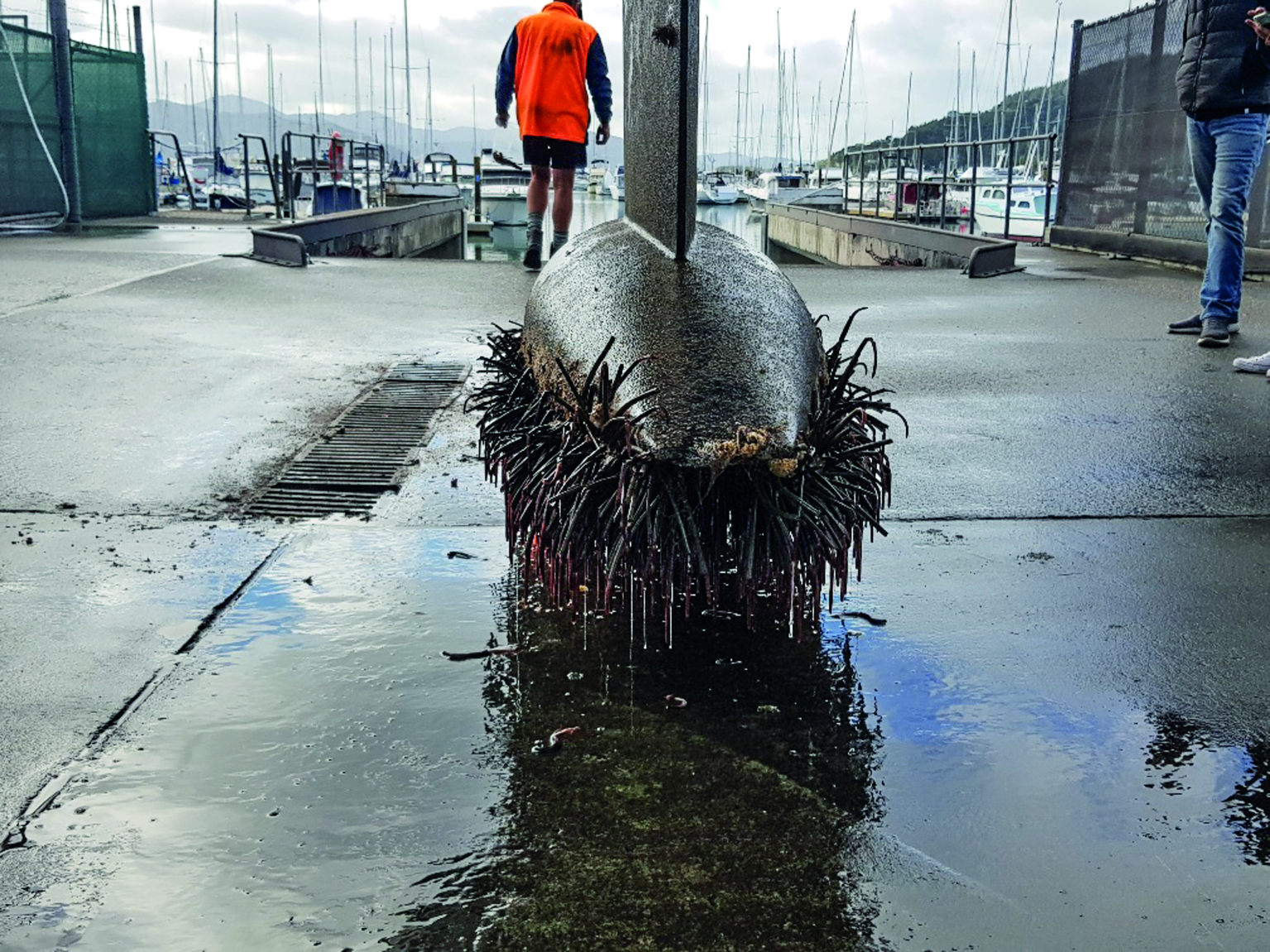
Hull fouling is how it gets around. A boat left sitting in the water picks up growth, and if that boat then moves to a new region, whatever’s attached to the hull moves with it. Biosecurity New Zealand says this is a real risk over summer, when a lot of vessels from higher-risk ports mix in with local fleets around the coast.
The way inspectors deal with that is the Level of Fouling Scale, a six-point system running zero for a clean hull through to five for a heavily fouled one. It accounts for what species are present, how many there are, and how big they’ve grown, and boils all of that down to one number a diver can record and an owner can understand. Bay of Plenty Regional Council has been running it since 2013, after their first incursion, and their dive teams have now clocked more than 12,000 hull inspections using it.
Biosecurity New Zealand has commissioned Cawthron Institute to build a national training package for the divers who apply the scale, with visual guides, instructional video and built-in assessments, rolling out from mid-October 2026. The goal is for an LOF rating to mean the same thing wherever it’s given, whether that’s Northland or the Marlborough Sounds.

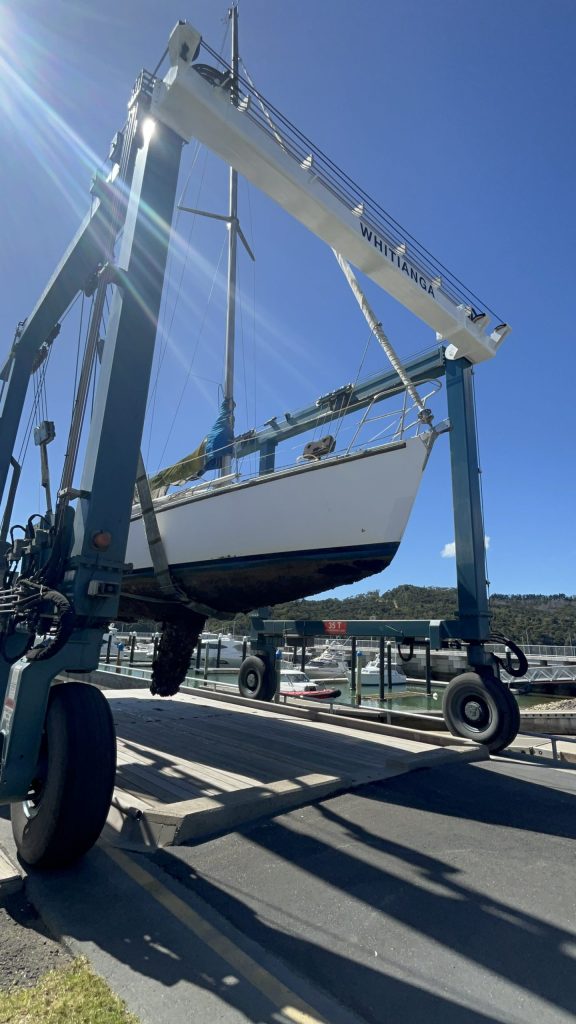
Biosecurity New Zealand is also reviewing the “6 or 1 Rule,” the voluntary guide many marinas and councils use, which treats a boat as lower risk if it’s been antifouled in the past six months or hauled out and water-blasted in the past month. Cawthron has reviewed international research and spoken with New Zealand marina managers about whether the rule is doing its job. It isn’t changing yet, marinas and councils will keep applying it as before until the review’s findings are in.
Two further projects sit behind the scenes. A two-year study is underway into biocide-free antifouling paint, prompted by concern over what copper and zinc-based coatings do to sediment and marine life once they wash off a hull. Separately, a stocktake of the country’s boat fleet and haul-out capacity is being compiled, useful groundwork given New Zealand has no formal system for registering how many boats are on the water or what facilities exist to service them.
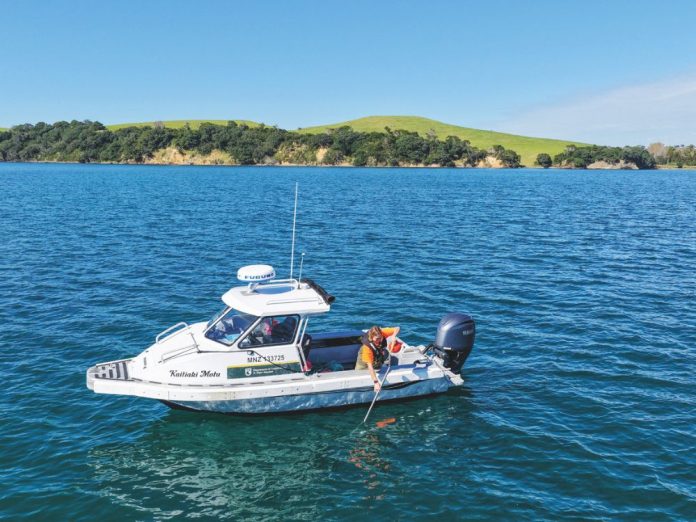
The reasons behind all this work run deeper than paperwork. In Whangārei Harbour, Patuharakeke’s Hollie Kereopa says several taonga species that were once abundant are now in serious decline, and describes hull surveillance as the first line of defence in protecting them. Andy Willis, from Bay of Plenty Regional Council, says the LOF scale does three jobs at once for his dive teams: it lets them assess a vessel, intercept pests they find on the spot, and track how fouling levels change across the region over time.
For boaties, the practical takeaway is simple. Check when your hull was last antifouled or blasted before heading into a new region, especially over summer, and get it sorted if it’s overdue. A clean hull reduces the chance of carrying marine pests somewhere they don’t belong, and with fanworm turning up 18 times in a decade without yet gaining a foothold, that margin is worth protecting.

Learn more from New Zealand Marine Operators Association.