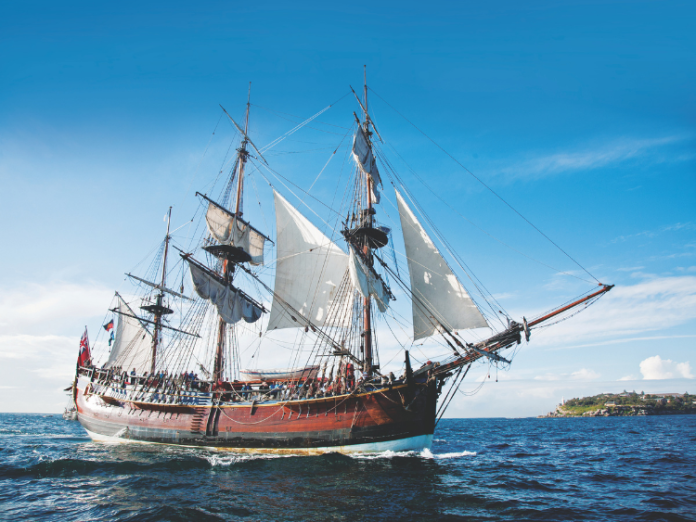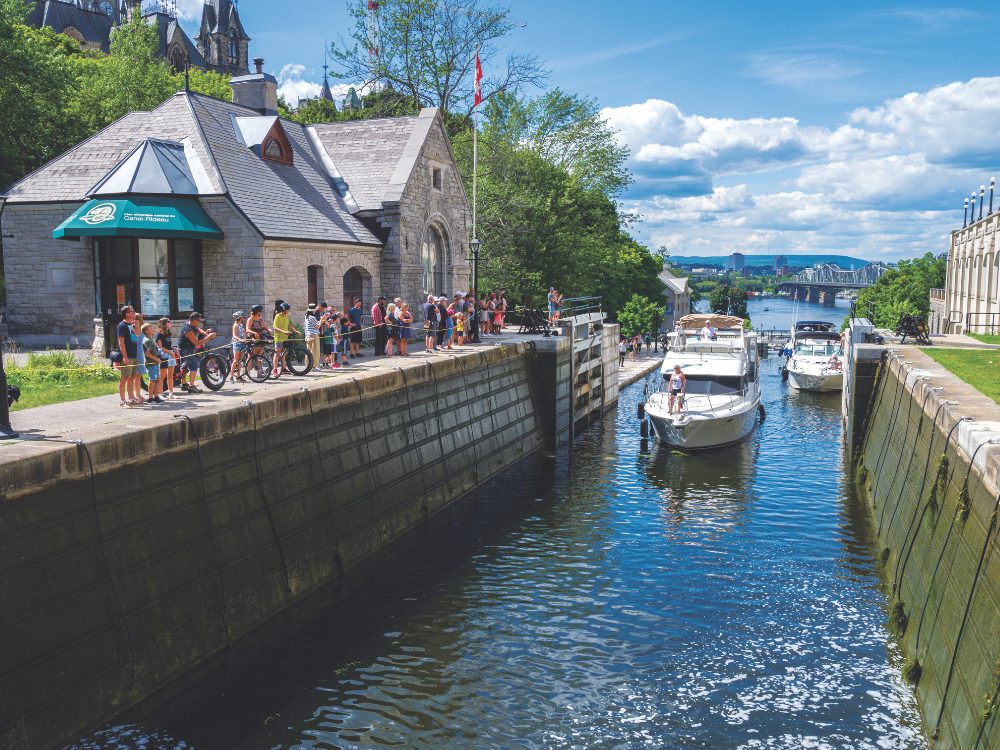
Two hundred years ago, construction began on one of humanity’s most important engineering works: the Rideau Canal.
The Rideau Canal is one of the most fascinating testimonies to human determination and 19th-century strategic vision in North America. Designated a UNESCO World Heritage Site in 2007, this 202km silver ribbon connecting Canada’s capital city Ottawa with the port of Kingston (Ontario) is not merely a waterway: it is a living monument to the military, technical, and social history of the region – a project that forever changed the waters of eastern Ontario and the lives of those who called them home.
Legacy and necessity
Long before British engineers arrived with gunpowder, tools and a strong sense of duty, these waterways were the lifeblood of the Algonquin-Anishinabeg people. To them, the Ottawa River is known as Kichì Sìbì, and it served as the primary artery for a territory defined by the river’s vast watershed. For the Anishinabegs, the river was a gathering place where family groups met at key moments to socialise, trade, and discuss governance and daily life.
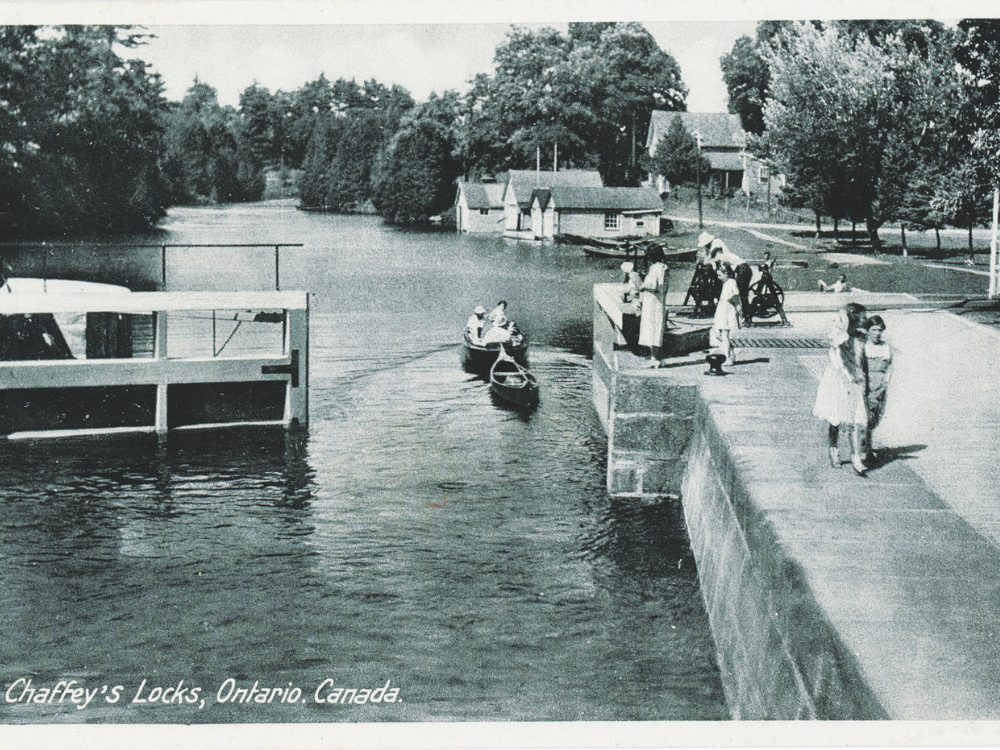
The entrance to Rideau Canal lies at the strategic meeting point of the Ottawa, Rideau, and Gatineau Rivers – waterways the Anishinabeg have navigated since time immemorial. Their spiritual connection to the land remains centred on places like the Chaudière Falls (Kìshkâbikedjiwan), where offerings are still made to Mother Nature’s spirit. When construction began, indigenous scouts were indispensable, using traditional portage trails and their deep knowledge of the waterways to help military engineer John By, the man in charge, survey the route.





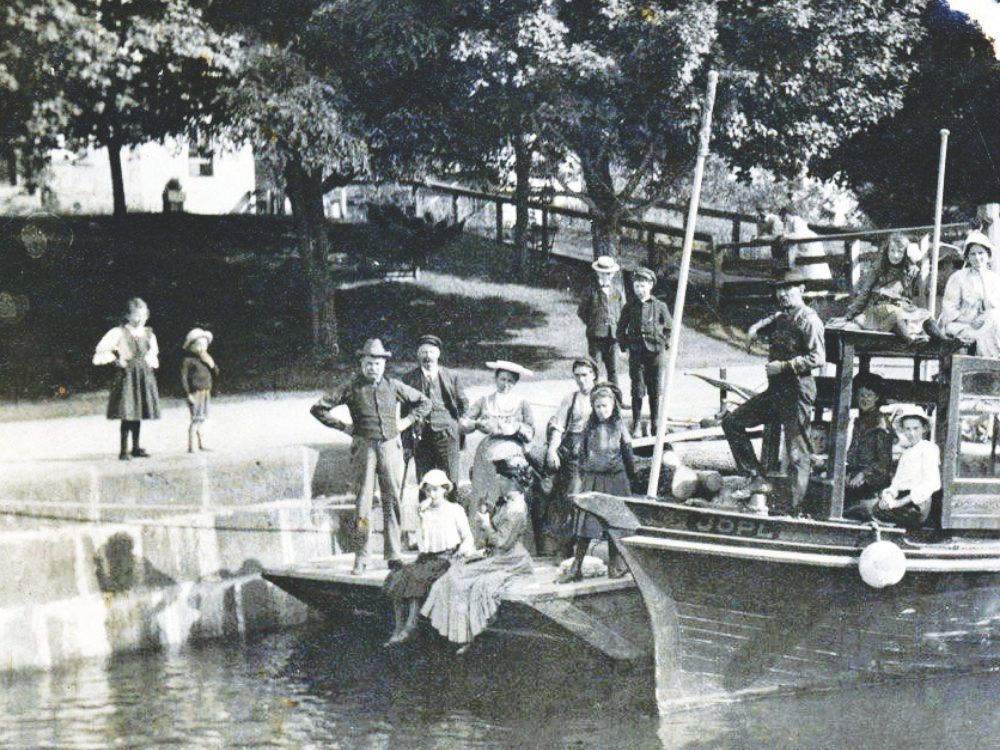
Similarly to what happened with the quasi-twin Caledonian Canal, which connects the west and east coasts of Scotland, the catalyst for the Rideau Canal was military fear. For over a century, Canada’s prosperity relied on trade flowing along the majestic St. Lawrence River. However, the War of 1812 between Britain and the United States revealed a potential vulnerability: the St. Lawrence formed the border with the U.S., and therefore an American invasion could easily sever the British supply line.
To deter future attacks, the Duke of Wellington (1769-1852) – whose popularity and prestige were tremendous during the Napoleonic era – ensured the Rideau Canal construction project went forward. The goal was to create a line of defence – a detour that bypassed the narrow and more hazardous sections of the St. Lawrence. This task was entrusted to the above-mentioned Lieutenent-Colonel John By of the Royal Engineers, who arrived in 1826 to transform a wilderness of rock and swamp into a strategic, vital corridor.
Water engineering
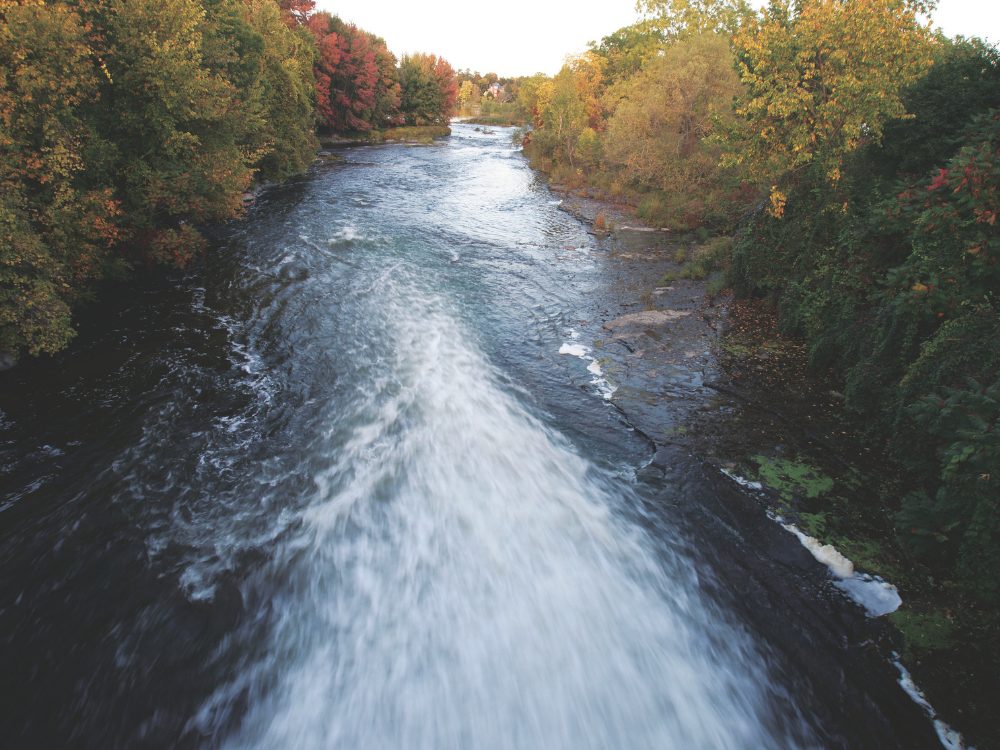
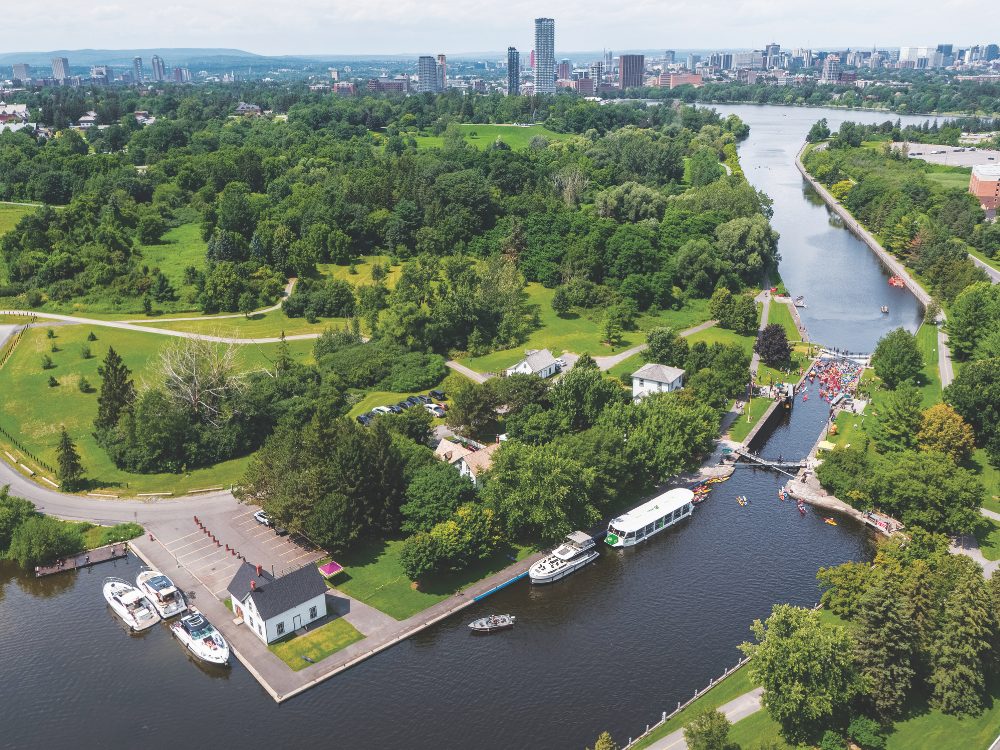
The Rideau is the best-preserved example of a slackwater canal in North America. John By’s genius lay in his decision not to dig a traditional trench for the entire length. Instead, man-made structures – the dams and locks – account for less than 10 percent of the overall system – just 19km out of 202. By damming the rivers, John By raised water levels to drown rapids and connect existing lakes, making the route navigable even for large vessels.
He faced impenetrable granite and treacherous wetlands, drawing on extraordinary technical ingenuity to complete the work in just six years between 1826 and 1832. While the canal was never actually used for military defence, it opened central Canada to trade and settlement, establishing Bytown – the city we know today as Ottawa – and shaping its community.

This engineering marvel came at a staggering human price. The project relied on a force of approximately 5,000 labourers. While skilled tradesmen were often of Scottish or English descent, the backbreaking manual labour was performed mostly by recent Irish immigrants and French Canadians drawn by the promise of steady work. Conditions were brutal. Workers lived in crude shanty towns or swamps, plagued by insects, dysentery, and malaria.
Working from dawn until dusk through extreme Canadian seasons, hundreds succumbed to disease and construction injuries. Today, memorials and cemeteries from Ottawa to Kingston stand as a tribute to these workers whose labour was indispensable to the birth of the nation. Even the man at the helm, Colonel By (1779-1836), did not escape the project unscathed. Despite delivering one of the world’s great engineering feats, he was formally reprimanded by his superiors for overspending. When he died in 1836, his reputation was in tatters: indeed, an undeserved end for the visionary who secured Canada’s waterways and gave Ottawa its very start.
|
GREAT LAKES MUSEUM
Located where Lake Ontario narrows to form the St. Lawrence River, the Great Lakes Museum (GLM) is more than just a repository of artifacts. It is housed within Kingston’s main limestone dry dock, opened in 1892 by Sir John A. Macdonald, Canada’s first Prime Minister. The site, unsurprisingly, allows visitors to understand the industrial scale of the 19th-century shipbuilding industry in the region. The most immediately eye-catching feature is the silhouette of the SS Keewatin (1907), moored in front of the facility, serving as a kind of floating time capsule. Built at the Fairfield Shipbuilding & Engineering Co. Ltd. shipyard in Govan (Scotland), the ‘Kee’ is a rare Edwardian passenger steamer that has been thoroughly restored in 2023. Because the ship is unheated, the experience aboard the SS Keewatin is especially recommended during the warmer months, from May to November. 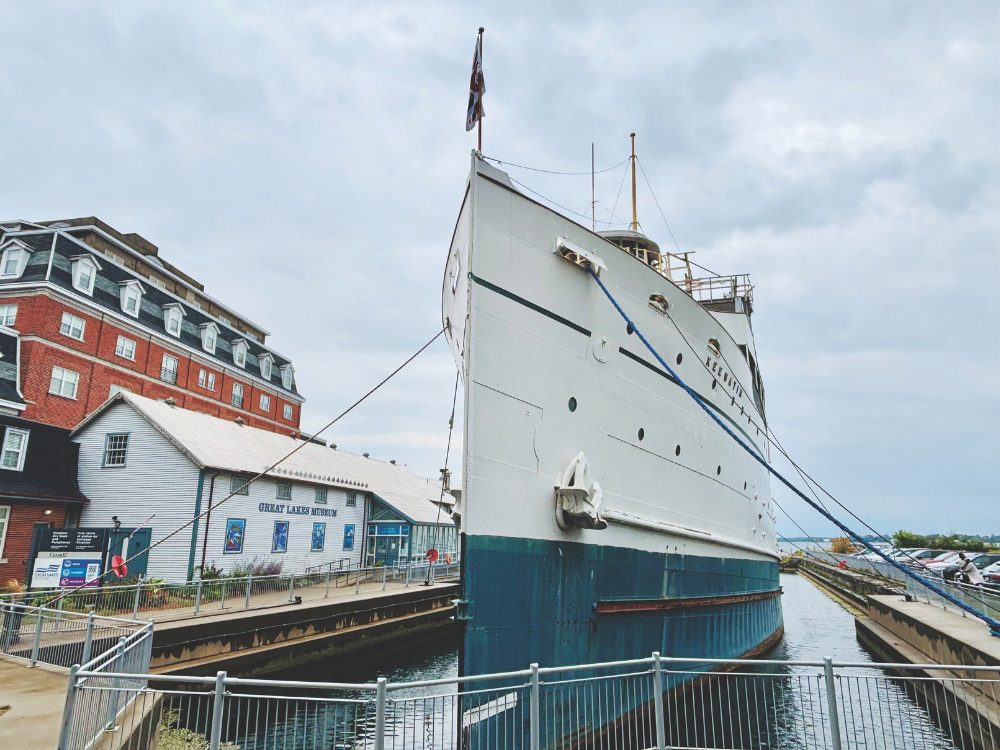 On land, in the main pavilion of the GLM, the exhibition route winds through galleries that tell the story of navigation on the Great Lakes. One of the most interesting sections is undoubtedly the Pump Room, home to the original pumps used to empty the adjacent basin. It’s here that one can experience the raw power of steam and the mechanical ingenuity required to repair steel giants in the pre-digital age. Some of the museum’s numbers reflect the importance of its mission: the collection boasts approximately 4,000 artifacts, over 31,000 period photographs, and an archive of 50,000 naval plans, making it one of the most important maritime research centres in North America. This documentary heritage is extremely important, especially at a time when the cruise industry on the Great Lakes is experiencing a new golden age. The museum doesn’t just look to the past: through its galleries, it addresses modern issues such as water conservation and the fight against invasive species that threaten the balance of these inland seas. |
Navigation
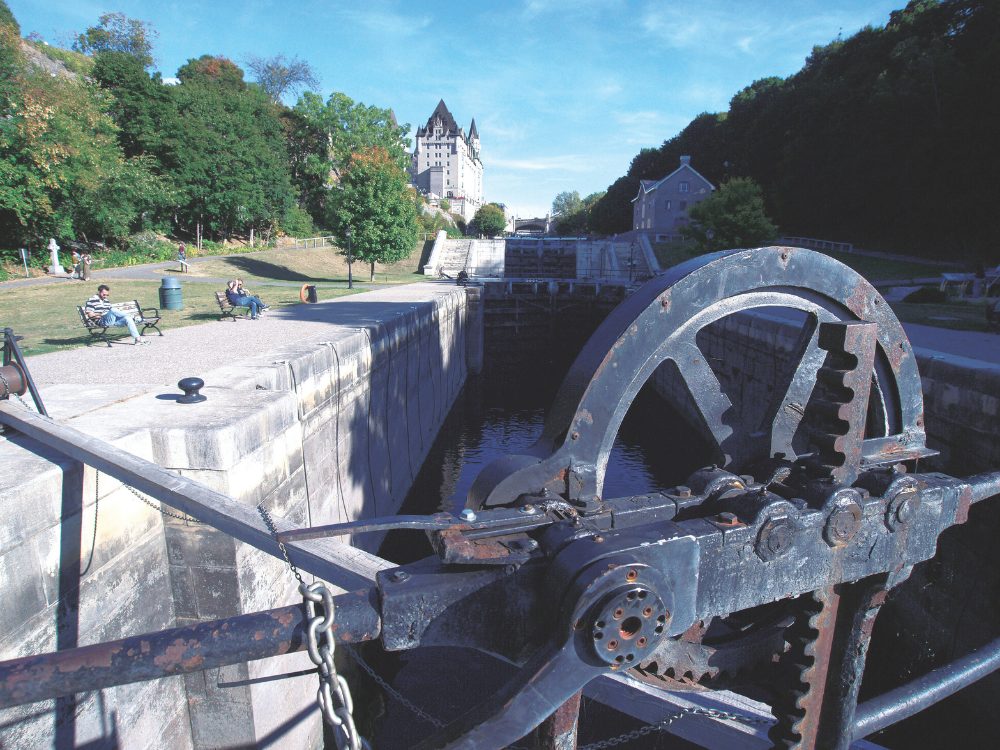
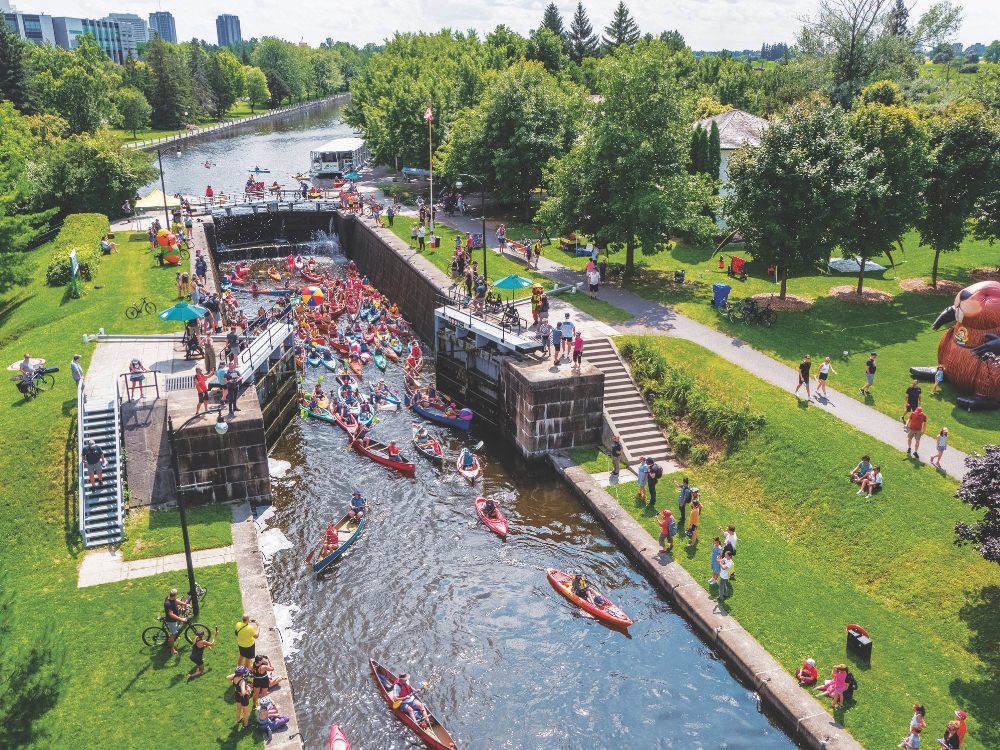
Today, the canal is operated by Parks Canada as a premier destination for recreational boating. It remains the only canal from the early 19th century still operating along its original line with most of its structures intact. The system features 45 locks and 23 stations overall. Many locks are still operated by hand, using the same manual winches (one of these is featured in the canal’s logo) and wooden gates designed in the 1830s. Each year on average, the canal sees between 50,000 and 60,000 vessel transits (56,241 were recorded in 2025, with a 11.3% increase compared to 2024), regardless of the craft size. While it once hosted steamships, the modern traffic is a mix of luxury cruisers, rental houseboats, and kayaks. The navigation season typically runs from mid-May (Victoria Day) to mid-October, with July and August representing the peak of tourist activity.

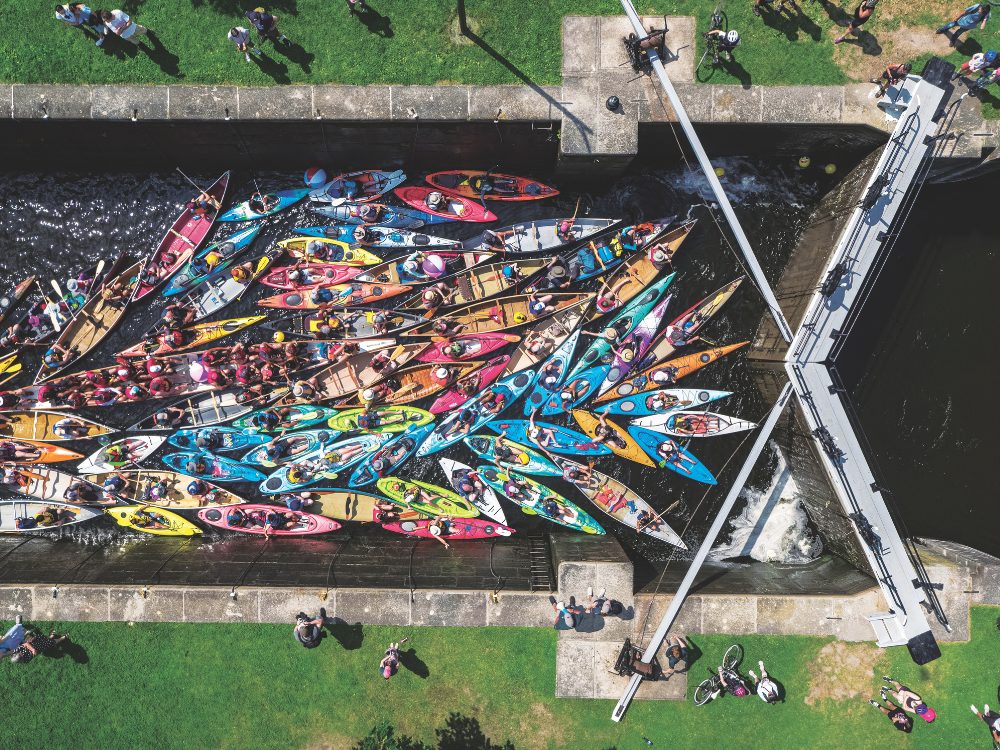
The canal’s identity shifts with the thermometer. During spring and summer, the waters are alive with colourful boaters, and the locks are bustling hubs of social activity. In autumn the granite cliffs of the so-called ‘Canadian Shield’– the ancient bedrock Colonel By had to blast through – are framed by the irresistible red and gold tones of the maple forests. In Ottawa during winter, the canal takes on its most famous modern form as the Rideau Canal Skateway. Stretching 7.8km, it becomes the world’s longest skating rink, where the heritage of the ‘River People’ continues in a new, frozen format.
A living heritage
That of the Rideau Canal is a story of layers: the ancestral traditions of the Anishinabeg, the military and strategic fears of the British Empire, the brilliance of engineering, and the sweat and blood of the Irish and French-Canadian labourers. The canal stands today not just as a UNESCO World Heritage site, but as a bridge between eras. In fact, to travel the Rideau means honouring those who perished in its swamps and those who navigated its cold, clean waters. It remains a placid, winding reminder that Canada was built not just with stone and water, but with an immense spirit of sacrifice and achievement. BNZ
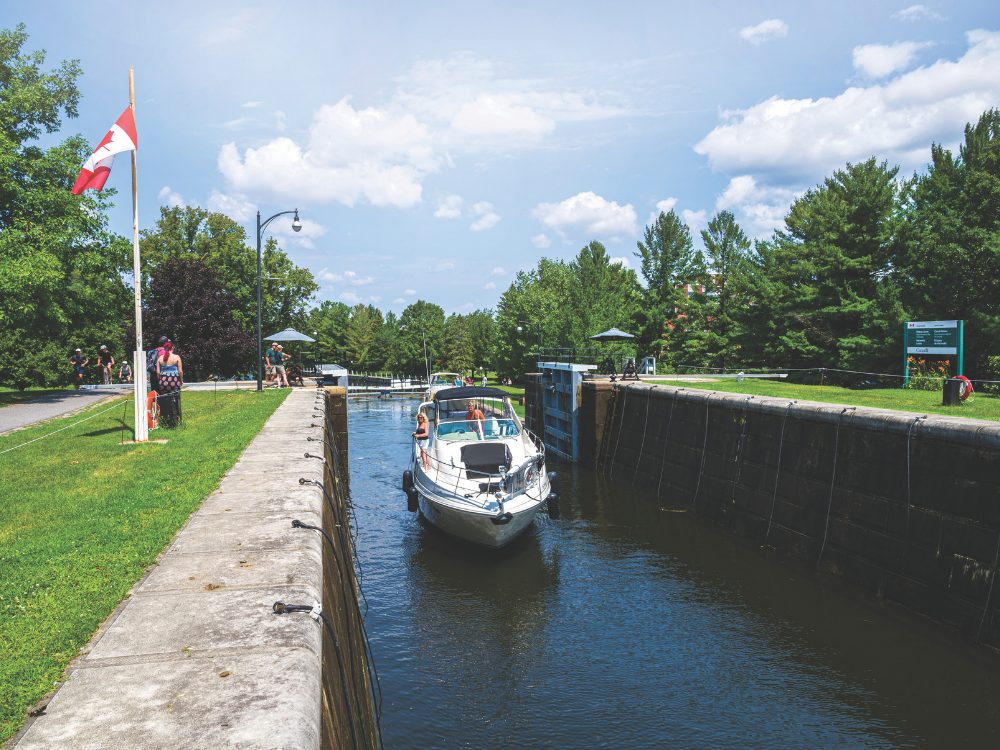
| construction period | 1826 to 1832 |
| water depths | 1.5m (5ft) |
| operational length & width of locks | 27.3m (90ft) x 8.5m (28ft) |
| length of canal | 202km |
| highest lift (of a lock) | 7.9m (26ft) @ Smiths Falls Combined |
| peak navigation season | July and mid-August |
| speed limit zones | 10km/h |
| number of locks | 47 |
| number of lock stations | 24 |
| approximate travel time | 3–5 days (one-way) |
| bridge clearance | 6.7m (22ft) |