Geopolitical turmoil has forced the hand of the world’s premier powerboat racing championship, with F1H2O confirming that the Jeddah Grand Prix will not feature on the 2026 calendar. The Saudi Arabian round falls victim to ongoing force majeure circumstances that organisers determined could not be overcome despite considerable effort to make the event work.
The reshaped calendar now pivots eastward, with Shanghai taking centre stage before the championship concludes in Sharjah. It’s a pragmatic reshuffling that keeps the season intact while navigating a complex international landscape.
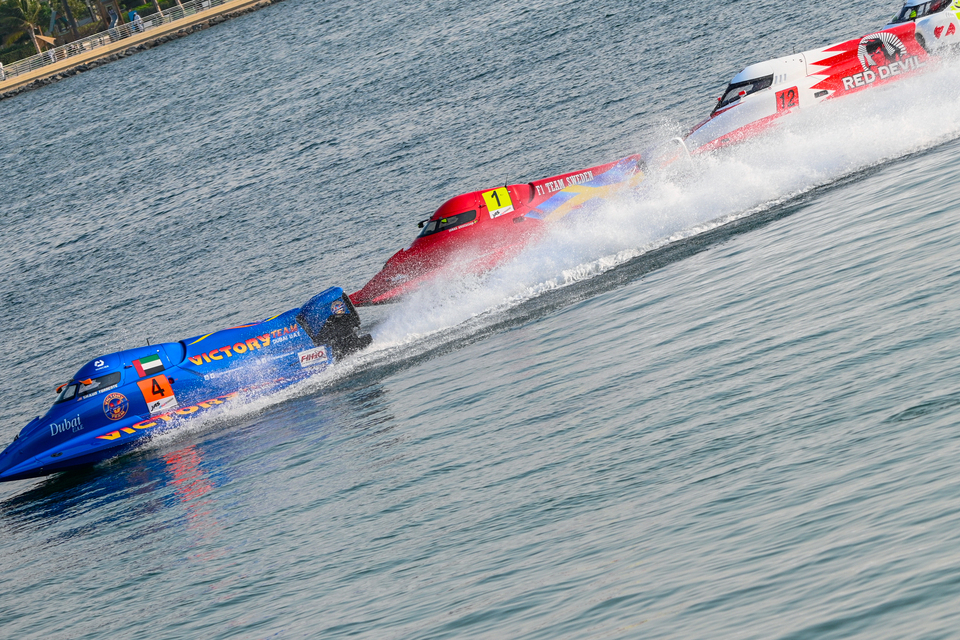
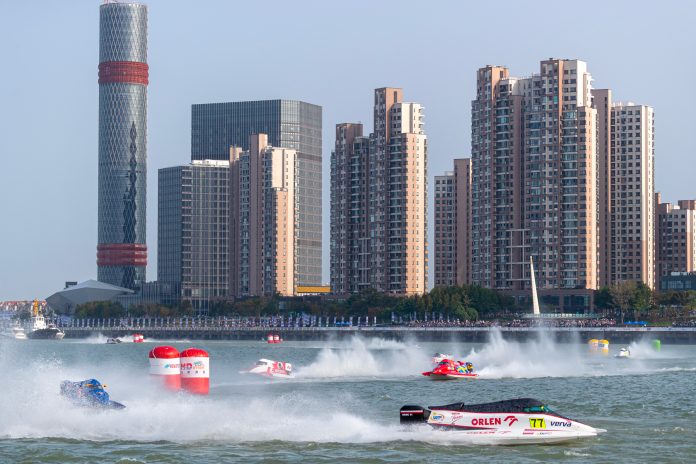
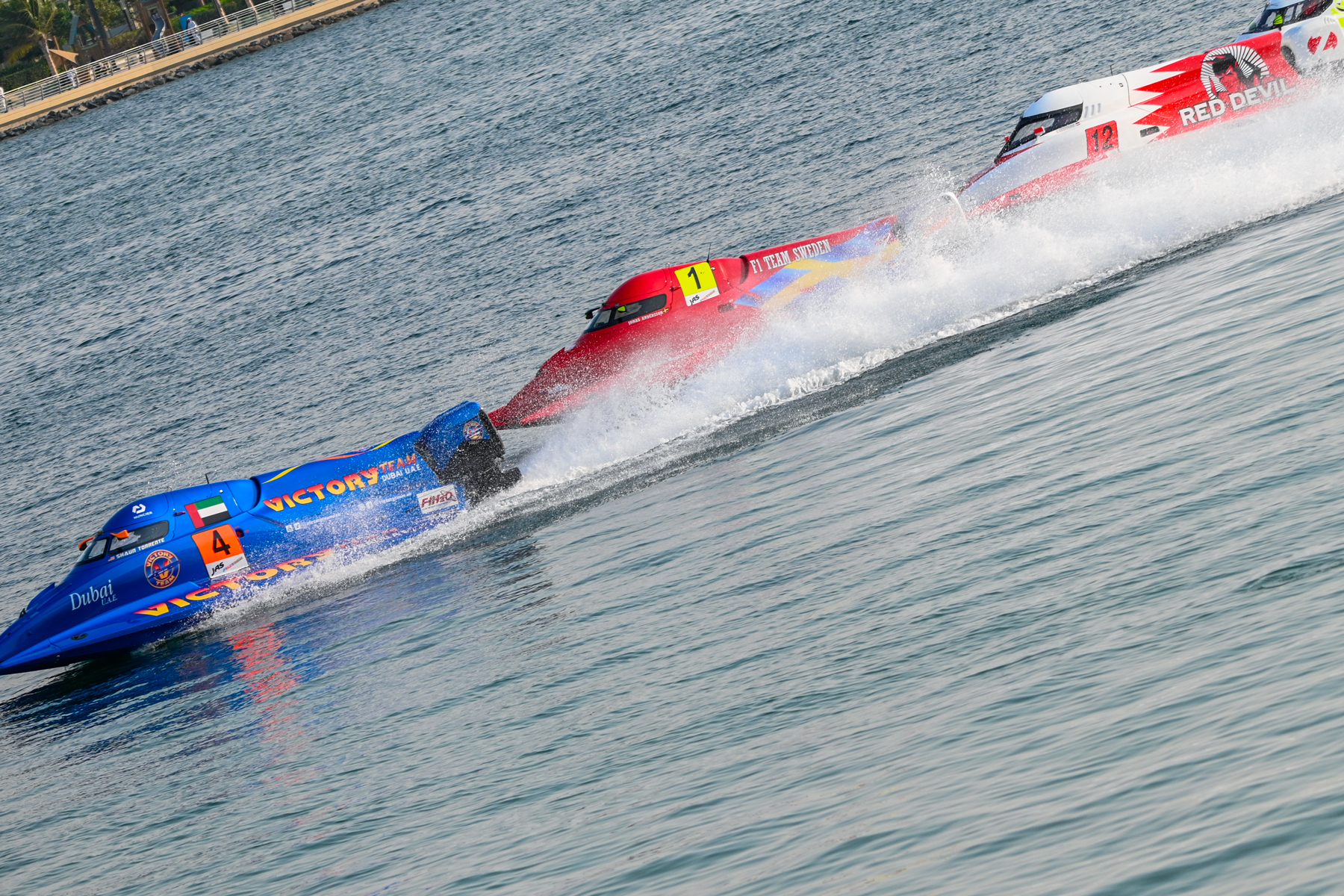
The return to Shanghai represents another significant moment for F1H2O in China, a market the championship continues to develop. Those single-seat hydroplanes, capable of screaming across the water at speeds exceeding 220 kilometres per hour, will push the boundaries of circuit powerboat racing on the Pearl River once more. For New Zealand fans accustomed to watching F1H2O’s relentless schedule, Shanghai offers a familiar stop with a proven track record of delivering compelling racing.
Sharjah, meanwhile, steps up as the season finale for the second time, providing what organisers describe as a spectacular setting for crowning the 2026 world champion. The Emirates venue has consistently delivered tight racing and dramatic finishes, making it an apt stage for determining who claims the title.




The championship did not take this decision lightly. Teams, drivers, partners, and broadcasters have received notification of the change, with the organisation acknowledging their support throughout a year that has thrown logistical curveballs at the sport. For drivers banking on a run at the world title, the revised schedule means recalibrating their championship strategy around two consecutive Asian rounds rather than the original three-race Asian swing.
The ripple effects extend beyond the schedule itself. The loss of Jeddah removes a high-speed circuit where certain boat setups excel, potentially reshaping the competitive dynamics heading into Shanghai and Sharjah. Teams will need to reconsider their technical preparations and resource allocation for a campaign that now skips the Middle Eastern opener.
For New Zealand audiences who follow the hydroplane circuit closely, this adjustment underscores how rapidly international motorsport must adapt when circumstances shift beyond anyone’s control. The 2026 season remains intact in structure, but the narrative has changed. Shanghai becomes the launchpad for the final push rather than a mid-season battle, and Sharjah transforms from a traditional finale into a title decider with even sharper stakes.
F1H2O has managed the disruption with minimal fuss, a mark of how established the championship has become in navigating the complexities of staging events across multiple continents. The boats will still reach those eye-watering speeds, the racing will remain as intense, and the championship will still crown a worthy world champion. The route to get there has simply taken a different path.