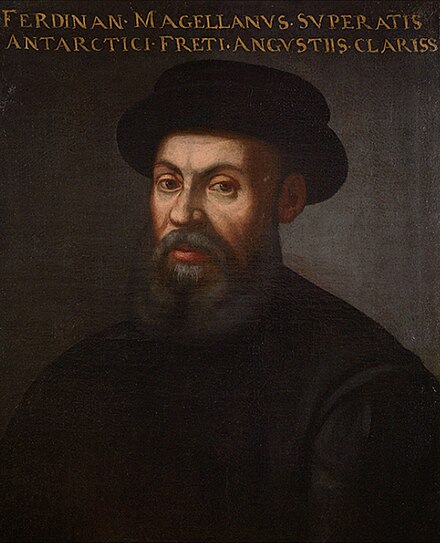
On 28 November 1520, Ferdinand Magellan and his fleet achieved a groundbreaking milestone in nautical history: they became the first Europeans to navigate the perilous passage now known as the Strait of Magellan. This waterway, located at the southern tip of South America, was a significant discovery, offering a navigable connection between the Atlantic and Pacific Oceans. For centuries, this strait would remain a vital route for maritime trade and exploration, bypassing the treacherous seas around Cape Horn.
The Journey to the Pacific
Magellan’s expedition was commissioned by Spain in 1519 to find a westward route to the fabled Spice Islands (modern-day Maluku Islands, Indonesia). This was no small task. The voyage was fraught with danger, from uncharted waters to mutinies within the crew. After traversing the eastern coasts of South America and enduring harsh conditions, the fleet found the narrow, meandering passage on 21 October 1520. It took over a month of careful navigation to finally emerge into the Pacific Ocean on 28 November 1520.

This route—winding through fjords and flanked by rugged cliffs—posed immense challenges. Unpredictable winds, strong currents, and shallow waters made navigation hazardous. Yet Magellan and his men persevered, setting a course that would later inspire countless maritime explorers.
Naming the Pacific
Emerging from the strait, Magellan named the vast ocean they encountered the Mar Pacifico, or the “Peaceful Sea,” due to its relatively calm appearance compared to the storms they had braved. This marked the beginning of a new era in global exploration and trade, as the Pacific Ocean became accessible to European powers.

The Strait of Magellan: A Vital Maritime Passage
The discovery of the Strait of Magellan was monumental. For decades, it provided a safer, if still challenging, alternative to rounding the stormy Cape Horn. Though the opening of the Panama Canal in 1914 diminished its commercial importance, the strait remains a crucial symbol of maritime exploration.

The region is also renowned for its dramatic beauty, featuring icy fjords, wind-swept landscapes, and an abundance of wildlife. Modern adventurers and sailors still traverse this historic route, often reflecting on the bravery of Magellan’s crew as they ventured into the unknown.
Magellan’s Legacy
While Ferdinand Magellan did not survive his expedition—he was killed in the Philippines in 1521—his fleet completed the first circumnavigation of the globe under the command of Juan Sebastián Elcano. This monumental achievement proved the world’s oceans were interconnected and highlighted the importance of exploration in understanding our planet.

The Strait of Magellan stands as a testament to human determination and ingenuity, bridging continents and shaping the course of history. Even today, it serves as a vivid reminder of the daring spirit of early explorers who charted the unknown seas.

Magellan’s key stats
| Born |
Fernão de Magalhães in about 1480 Northern Portugal[note 1] |
|---|---|
| Died | 27 April 1521 (aged 40–41)
Chiefdom of Mactan |
| Burial place | Lost at war |
| Nationality | Portuguese |
| Known for |
|