Boating New Zealand Boat Reviews
Reviews
Boating New Zealand News
News
Boating New Zealand Sports
Sport
Boating New Zealand Lifestyle
Lifestyle
advertise
Boating New Zealand Boat Reviews
Reviews
Boating New Zealand News
News
Boating New Zealand Sports
Sport
Boating New Zealand Lifestyle
Lifestyle
BOAT-REVIEWS-MOBILE
Boat Reviews
BOAT-NEWS-MOBILE
News
BOAT-SPORTS-MOBILE
Sports
BOAT-LIFESTYLE-MOBILE
Lifestyle
HomeSafety RegulationsInvasive SpeciesWhangapoua Harbour declared invasive Mediterranean fanworm free

Whangapoua Harbour declared invasive Mediterranean fanworm free

About
Share this

After five years of sustained monitoring and community vigilance, Waikato Regional Council confirms the invasive Mediterranean fanworm has been eradicated from Whangapoua Harbour.

Bookmark post
Bookmarked

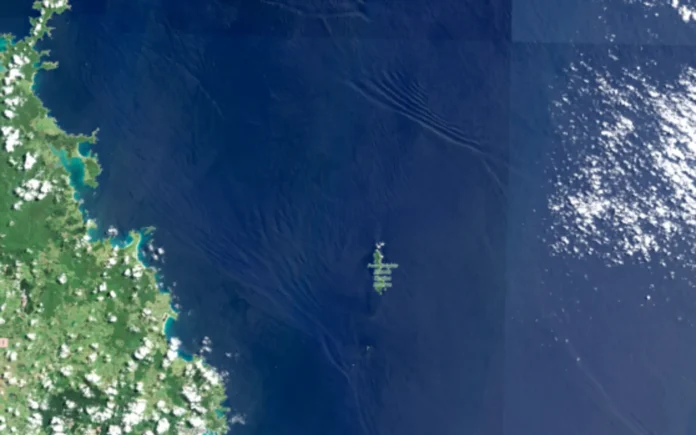
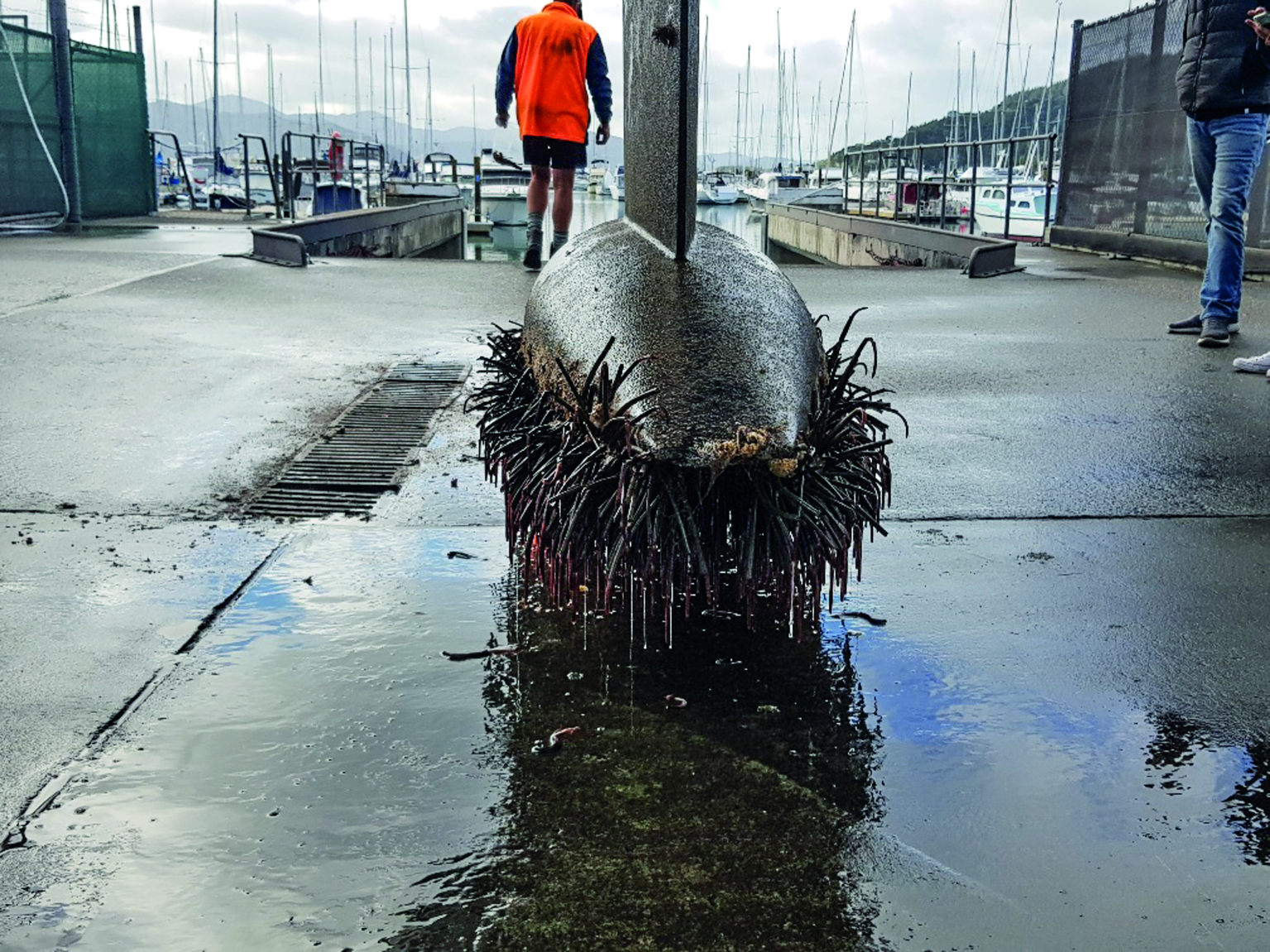
Whangapoua Harbour, on the eastern side of the Coromandel Peninsula, has officially been declared free of the invasive Mediterranean fanworm (Sabella spallanzanii) — a marine pest known for choking out native species and fouling boat hulls. The confirmation follows five consecutive years of surveillance without a single detection.

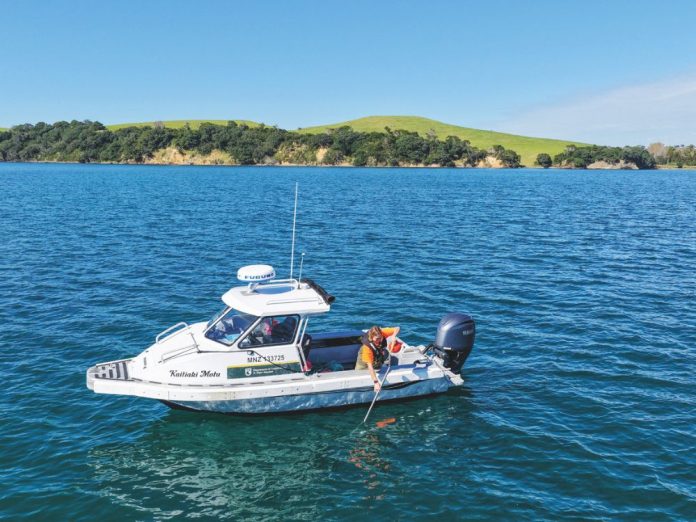
Waikato Regional Council’s marine biosecurity team conducts dive operations across the Coromandel and Waikato’s west coast to monitor high-risk sites, including marinas, moorings, wharves and aquaculture areas. The programme targets known pests such as sabella and clubbed tunicate (Styela clava), both capable of spreading rapidly through vessel movement.

Sabella was first discovered in Whangapoua in August 2018, attached to a vessel berthed alongside the wharf. A single fanworm measuring 220 millimetres was later removed from beneath the wharf in June 2020. Since then, annual surveys have confirmed no further sightings.

- Advertisement, article continues below -

Under national biosecurity guidelines, an area can only be declared free of sabella after five consecutive years without detection — a milestone now achieved.

A collaborative effort

Waikato Regional Council Marine Biosecurity Officer Dave Pickering says the result reflects a successful partnership between the council, Biosecurity New Zealand, and the Bay of Plenty Regional Council dive team, who acted quickly to contain the initial incursion.

“Sabella poses a significant risk to New Zealand’s coastal environment,” Pickering explains. “It forms dense colonies that compete with native species such as scallops for food and space, and can foul hulls, wharves and aquaculture gear. Once established, it’s extremely difficult to remove.”

He notes that boaties play a vital role in stopping the spread.

“Vessel owners are critical partners in coastal biosecurity. Last year we found sabella on five boats in Whangamatā Harbour. Thanks to quick cooperation, those vessels were hauled out and cleaned before the pest could spread further.”

Staying vigilant

The council launched its marine biosecurity surveillance programme in 2017, shortly after sabella was discovered on two Auckland barges in Coromandel Harbour in 2013.

- Advertisement, article continues below -
Parker Marine Brokers Logo
2005 Luhrs 36 Convertible
$319,000
2005 | 11.81 | The Luhrs 36 Convertible offers a balance of performance, comfort, and functionality, making it a popular choice among anglers.

With Whangapoua Harbour now confirmed sabella free, the challenge will be keeping it that way. Ongoing checks — and clean hulls — remain essential.

“Early detection and quick action make all the difference,” says Pickering. “The boating community’s vigilance is what keeps our harbours healthy.”
Share this
Article
Article

Yellow legged hornets Auckland: latest detections, public warnings, and next steps

Invasive Species
Nine confirmed queens, two new nests, and a major ground response as Biosecurity New Zealand widens ...
Article
Article

Aucklanders urged to stay alert for yellow-legged hornets

Invasive Species
Biosecurity New Zealand ramps up surveillance as a new invasive threat emerges on the North Shore.
Article
Article

Hull checks to resume across Northland

Invasive Species
Thousands of vessel hulls to be inspected as summer biosecurity campaign begins.

Comments

This conversation is moderated by Boating New Zealand. Subscribe to view comments and join the conversation. Choose your plan →

This conversation is moderated by Boating New Zealand.

LEAVE A REPLY

Please enter your comment!
Please enter your name here

Chris Woodhams
Chris Woodhams
Adventurer. Explorer. Sailor. Web Editors of Boating NZ

Boatgear (formerly Tenob)

The story of Boatgear is one of success, in fact one of the most successful in the New Zealand marine industry. It began back in 1973 when Ted Nobbs, and yes, that’s where the original company name, T...

Catamarans International

Catamarans International produces the majority of its components from female moulds. This allows for a hard wearing Gel Coat finish without the added expense and time involved with fairing and painting. In addition by using our moulded component system a boat builder can save months in build time opposed to “one off” construction.  All our components are engineered using a composite sandwich construction producing a stiff lightweight finished product. Pleasure Boat Range Our typical range...

LATEST NEWS