There is something about a Kauri boat that no fibreglass hull can replicate. The warmth of the timber, the weight of the history, the knowledge that the material itself was grown over centuries before it was ever shaped into a vessel. New Zealand’s native timbers, Kauri above all, produced some of the finest small-ship hulls ever to sail the Pacific, and the craftsmen who worked them left a legacy that endures to this day.
Few names are more closely associated with that tradition than Lidgard. Descended from ancestors with an unbroken relationship to the sea, the family founded Lidgard Bros in 1932, setting up on the Western Reclamation in Saint Mary’s Bay, Auckland. Brothers Roy, Fred and Mike specialised in custom boat building of all types, from mullet boats to classic launches and commercial fishing vessels. During World War II they joined with other local builders to construct the 112-foot Fairmile naval escort vessel. After the war, a new generation stepped up: Roy’s son Jim and Fred’s son John both served their apprenticeships at Lidgard Bros, learning the craft from the ground up.
It was John who would go on to define the Lidgard name for the second half of the twentieth century. A sailor, navigator, yacht designer and builder, he produced more than 220 designs over his career, boats that won races, circled oceans, and became part of Kiwi yachting lore. His son Duthie followed him into the marine industry. It is, as the family would say, in the blood.
Six Lidgard vessels now on the market offer a rare opportunity to own a piece of that story, spanning both generations of the family and both sail and power.

See the Lidgard boats listed on Boating New Zealand which are currently for sale.
The 1947 Lidgard Sedan, Maharatia, designed by Roy Lidgard
The oldest connects directly to the founding generation. The 1947 Sedan now known as Maharatia was designed and built by Roy Lidgard himself, one of the three brothers who started it all. At 15.85 metres, powered by twin Gardner 6LX diesels, and with a fuel range of around 1,350 nautical miles, she is the largest and most venerable of the six. With seven berths and a 2,000-litre fresh water capacity, she is equally at home as a coastal cruiser or a liveaboard. She is currently viewable at Opua Marina.
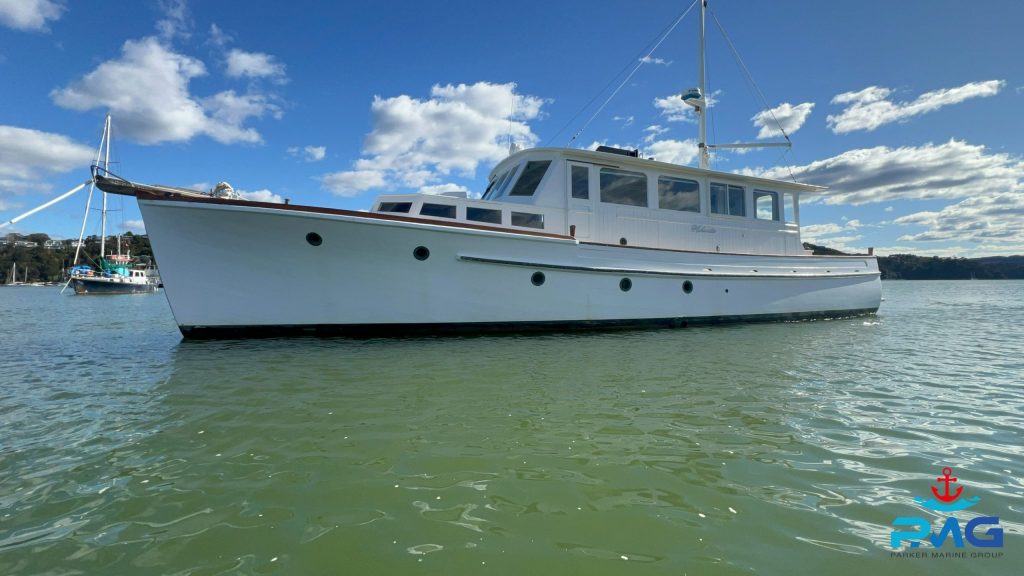
Kauri construction at its best
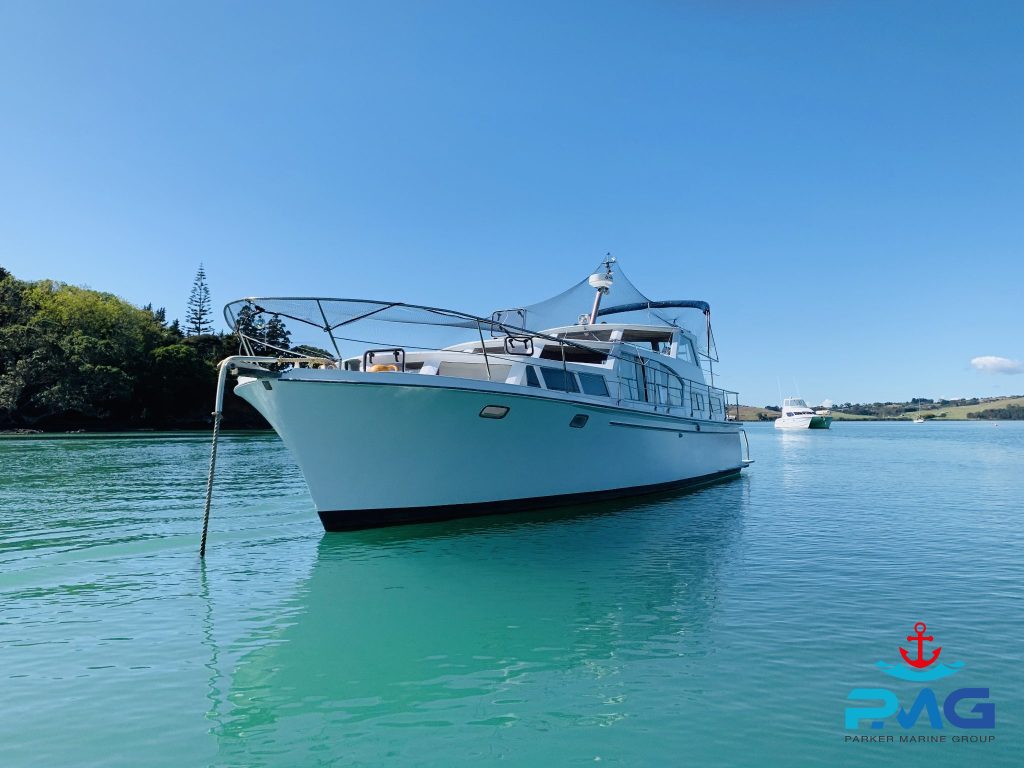
The power vessels that follow reflect John Lidgard’s evolution as a designer across four decades. The 13-metre Bridge Deck Motor Launch, currently in Mangonui, shares Maharatia‘s classic Kauri construction and broad-beamed coastal character.
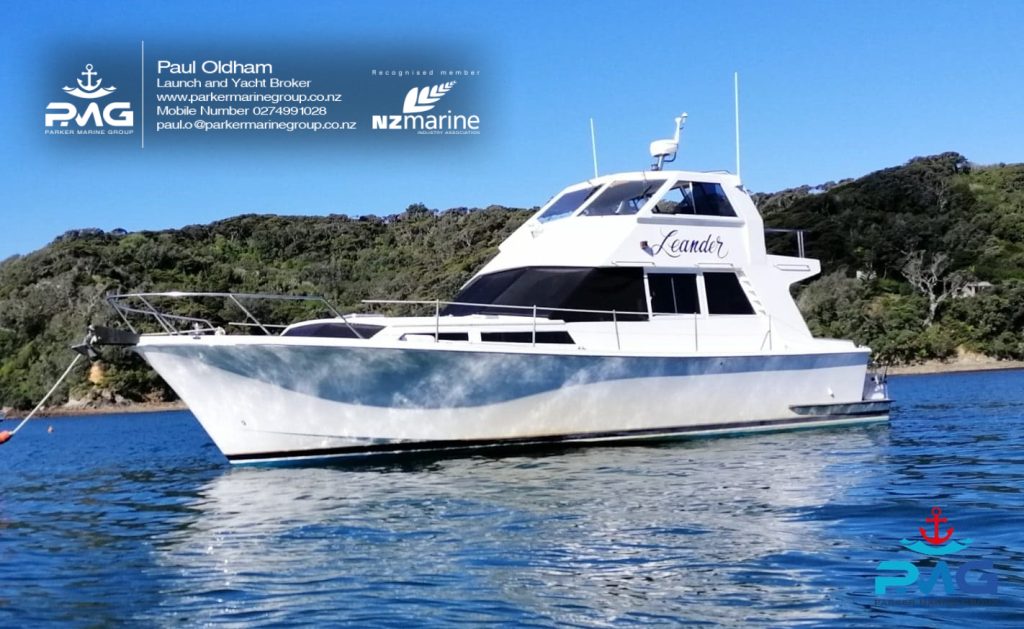
Leander, the 1994 Enclosed Flybridge is the most refined of the group of motor yachts at 14 metres, with warm timber interiors, accommodation for eight, and a 1,450-litre fuel capacity, a vessel built for those who want to cruise in comfort without sacrificing character.
Lidgard sailing designs
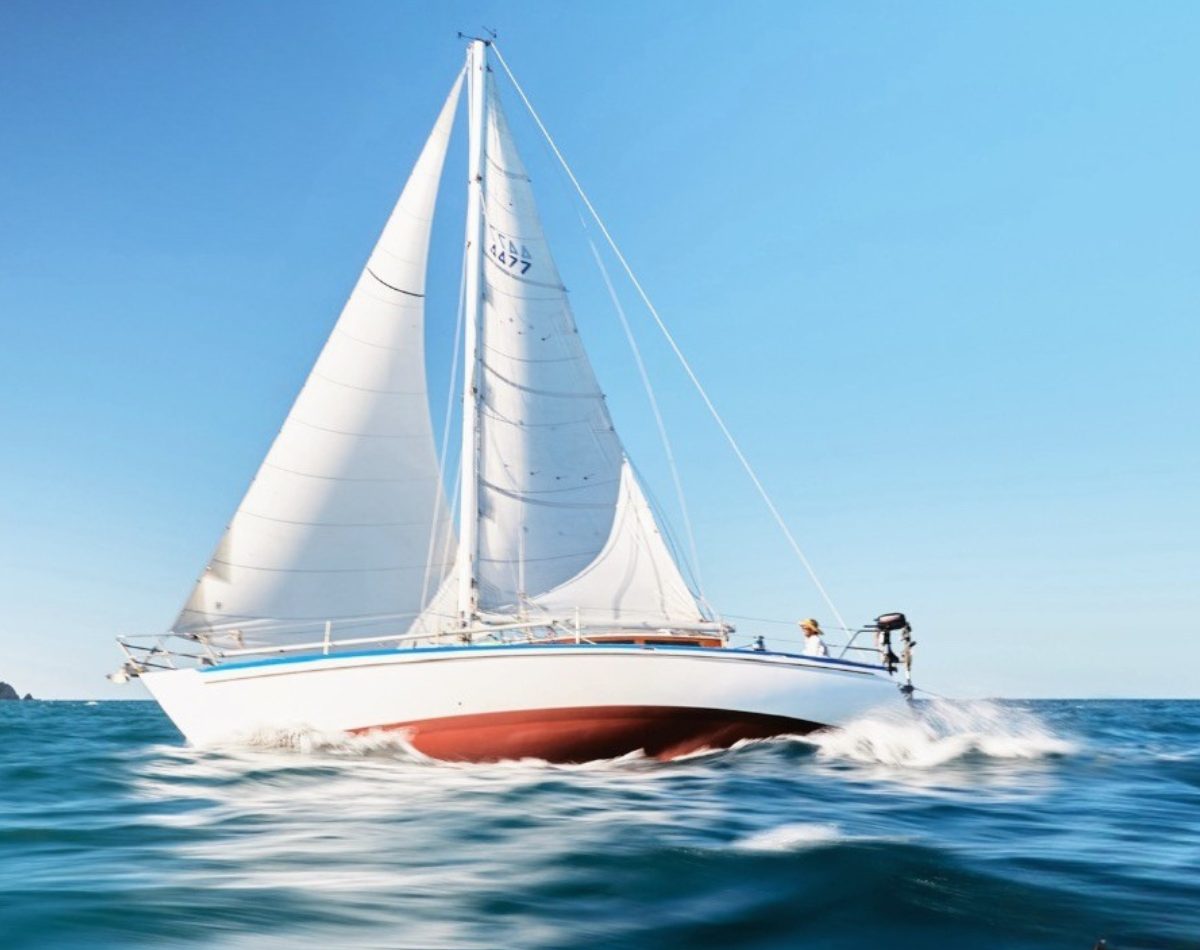
The three sailing yachts complete the picture. The 1977 Lidgard 38, Bluegrass, is a cruiser-racer built in triple-skin Kauri, glassed over, at 11.68 metres. She has been extensively refitted by her current owner with a new Beta 50 engine, new standing rigging, and a Hydrovane self-steering system, and is ready to sail. She is an excellent example of the golden era of New Zealand boatbuilding.
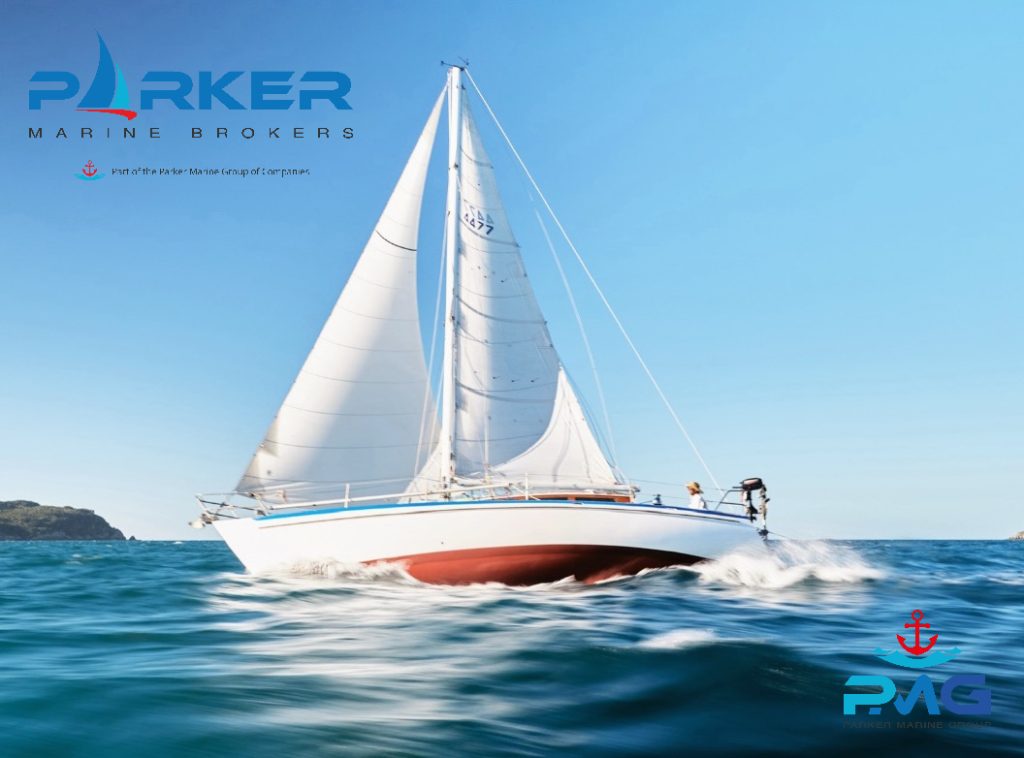
The 1997 Lidgard Demon, at 10 metres and built in kaihikatea, is the most compact of the six. A family cruiser with six berths, maintained by a marine engineer owner, she is light, airy, and easily sailed solo.
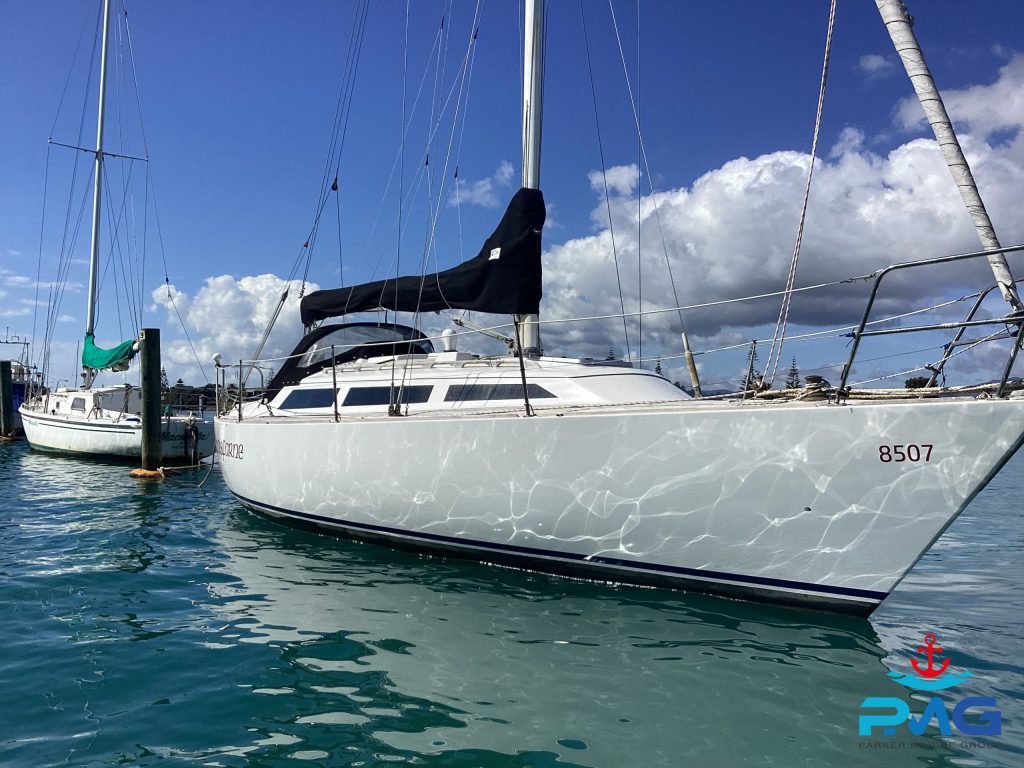
The 1989 Regardless, known as Mischief Maker, is a 12.6-metre Kauri passage maker with beautiful teak decks that have recently undergone survey repairs and are ready for new adventures.
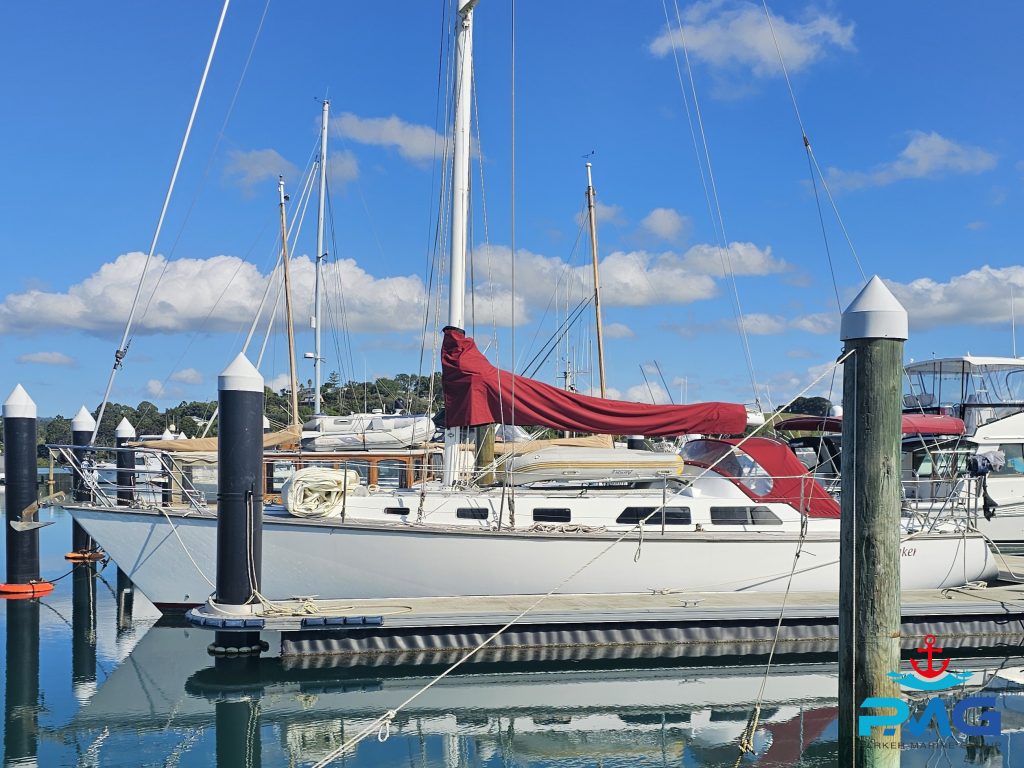
Across all six, the common threads are clear: native New Zealand timber construction, monohull form, and the kind of purposeful, enduring design that has kept Lidgard boats on the water for decades. Where they differ is in purpose and scale, from the offshore capability of the Regardless to the entertaining grandeur of the Enclosed Flybridge, and from the competitive bones of the Lidgard 38 to the accessible charm of the Demon.
Whoever takes on one of these vessels will not just be buying a boat. They will be becoming a custodian of a chapter of New Zealand maritime history.