Kiwi veteran Malcolm Dickson is back to lead the charge across 1,200 unforgiving miles, as a new fleet takes on the legendary Solo Trans-Tasman — a race built on risk, endurance and raw nerve.
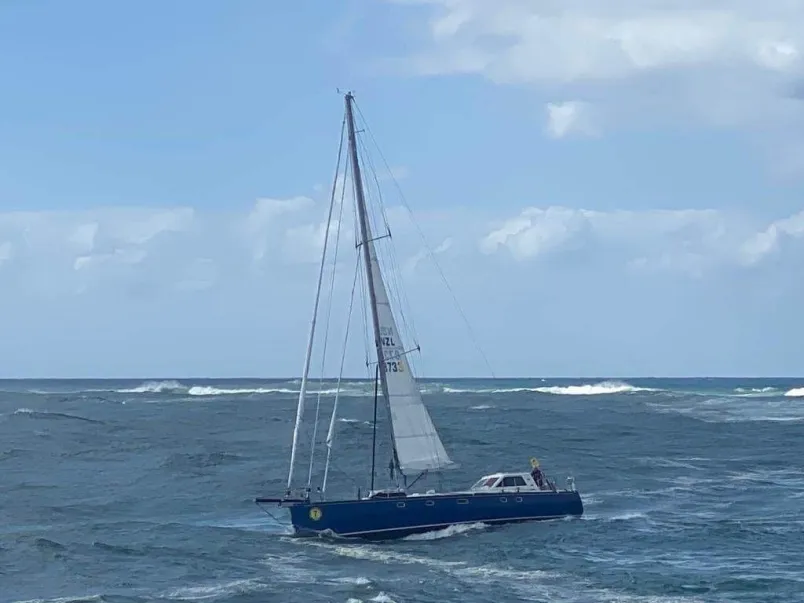
At 79, Malcolm Dickson is not just back for another race — he is back to defend a legacy that stretches nearly half a century.
The oldest skipper in the fleet and the reigning champion will start as the early favourite when the Solo Trans-Tasman Yacht Challenge leaves Opua on Saturday (30 May), bound for Southport Yacht Club.
It will be his fourth attempt at the race, and, remarkably, it comes on the eve of his 80th birthday.

“We all felt we were pioneering something for the future,” he recently told RNZ’s The Detail, reflecting on his first race in 1978.
“It was very different in the days of celestial navigation from what it is now. The boats were a lot smaller and probably pretty primitive compared with some of them nowadays.”
That sense of pioneering still defines the event — now in its 15th edition — even as the boats, technology and preparation have evolved.
Dickson’s own yacht Sarau, which he designed and built, has been painstakingly refined again for 2026.
“Coming from an earlier generation, I find this IT stuff and communications and all this weather mapping stuff pretty intimidating. I do my best to understand it all.”
He has also stripped weight wherever possible in search of marginal gains.
“There’s a two-page list of items on the hit list,” he told The Detail. “It’s interesting when you start to unload a boat … each item weighs almost nothing, and you stack them in a fish bin and find you can hardly lift it.”
For all the upgrades, the philosophy remains unchanged. “I’ve always felt that no matter how bad the conditions, one way or another, we’ll get through.”
Malcolm Dickson won the 2023 Solo Trans-Tasman aboard Sarau. Photo / Supplied
That mindset links the modern race back to its origins. The Solo TransTasman Yacht Challenge was dreamed up at a New Plymouth Yacht Club AGM in the late 1960s, when a small group of sailors — Howard Vosper, Dennis Lobb and Phillip Goodsell — decided it was time to take on the Tasman Sea alone. At the time, the only comparable race in the world was the Observer Single-Handed Trans-Atlantic Race. With backing from legendary solo sailor Francis Chichester, the concept became reality, and the first fleet set sail in 1970. No GPS. No AIS. No chartplotters. Just sextants, instinct, and nerve.
The Tasman has been testing that question ever since. In 1974, 10 sailors — eight New Zealanders and two Australians — left New Plymouth for Mooloolaba. Nine finished. Bill Belcher took line honours aboard Raha in 11 days and 2 hours, having downplayed his chances beforehand.
History, however, belonged to Annette Wilde. Sailing Valya, she became the first woman in the world to complete a single-handed offshore race, finishing fifth after more than two weeks at sea.
Four years later, in 1978, the race delivered both triumph and survival. Pat Costello claimed line honours aboard Chubasco, while a young Dickson — in his first attempt — won on handicap with Spindrift of Nelson, a boat he had designed and built himself.
But Cyclone Hal tore through the fleet. Boats were rolled, dismasted and abandoned. Bill Belcher was shipwrecked and rescued 28 days later from Middleton Reef. One yacht was rolled three times. Another limped home under jury rig. Costello described one moment as his boat was knocked flat by a breaking sea: “I saw my boat go over and the mast disappear into the sea.
“I saw this steep 15–20’ wave coming from far off and knew there was nothing I could do.
“I gripped the yacht, looked up, and thought what a great day it was, while the yacht popped back up and continued on its way. I was very impressed, actually.”
Despite the chaos, all competitors survived. Calls to ban solo racing followed — but so did a surge in entries. By 1986, the race produced one of its most extraordinary performances. Ian Johnson, sailing Bullfrog Sunblock, crossed the Tasman in just 6 days and 8 hours, a record that would stand for 28 years. He averaged more than eight knots across 1,284 nautical miles, pushing himself to the edge of endurance.
He rarely slept more than 15 minutes at a time. At one point, he went 36 hours without sleep and began hallucinating, convinced he had torn a massive hole in his spinnaker — damage that did not exist when he inspected it back on land.
That same race featured Kay Cottee, the only woman in the fleet who finished fifth before going on to circumnavigate the globe and become Australian Yachtsperson of the Year.
It also marked the first appearance of Graeme Francis, who finished 11th and declared solo sailing was not for him.
Decades later, he is back again in 2026.
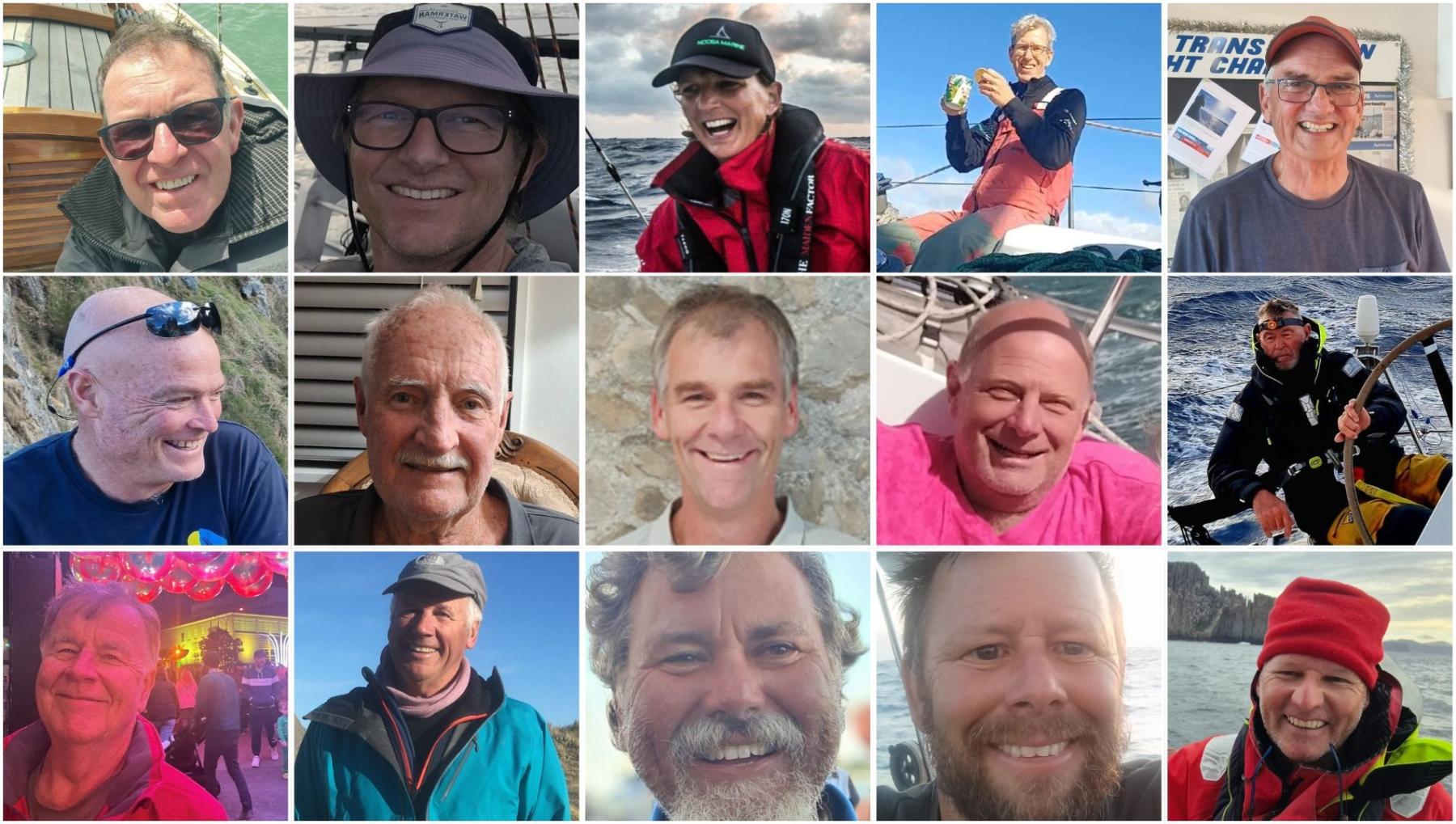
Because once the Tasman gets under your skin, it never really lets go. This year’s fleet of 15 reflects that same pull — a mix of veterans and first-timers, New Zealand and Australian sailors, monohulls and multihulls, all drawn to the same stretch of ocean.
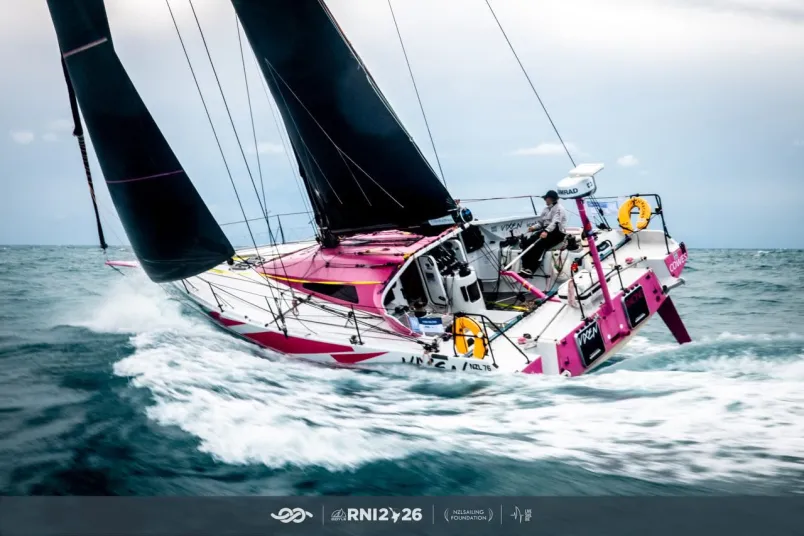
Sharon Ferris-Choat (Vixen Racing) is the sole woman in this year’s fleet. Photo / Live Sail Die
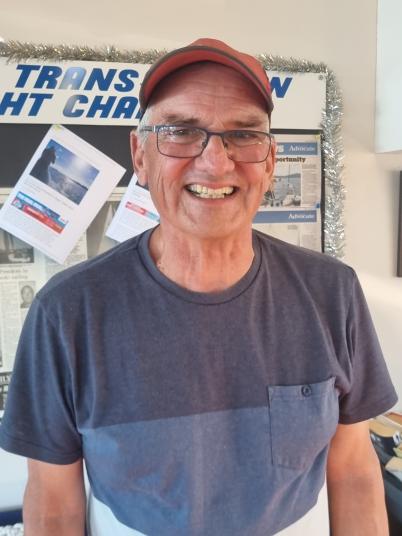
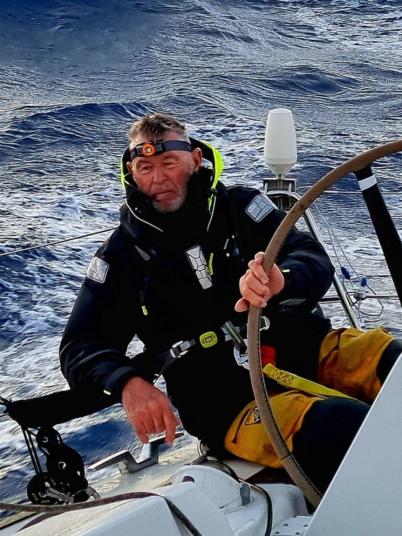
Among them are Sharon Ferris-Choat, after the late withdrawal of Samantha McGrath, now the only woman in the race; returning campaigners like Glen Jeffery and Bill Kidman; and first-time entrants chasing a long-held ambition, such as Peter Bourke.
For some, it is unfinished business.
For others, a lifelong dream.
For all, it is a test.
“The Solo Trans-Tasman is the ultimate sailing challenge,” says Geoff Thorn, who returns to the race driven by the memory of his first crossing. And presiding over it all is Dickson, who won the 2023 edition in a little over 10 days.
He is still refining, still racing, still chasing the edge of what is possible.
“If I wasn’t doing it myself, I’d be cruising with my wife,” he says.
For now, though, he will point Sarau north, round Cape Reinga, and out into the Tasman once more — a race against the fleet, the weather, and time itself.
Meet the fleet
Ben Ball (SSANZ)
Camellia
Category: Monohull
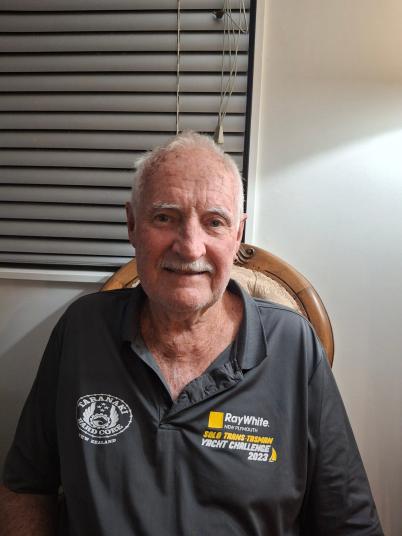
Design: Cav 36
LOA: 11m
Race number: 19
Peter Bourke (Sandspit Yacht Club)
Diablo
Category: Monohull

Design: Sparkman & Stephens
LOA: 8.7m
Race number: 10
Guy Chester (Tinaroo Sailing Club, Australia)
Oceans Tribute
Category: Multihull

Design: Crowther – Design #93
LOA: 13.85m
Race number: 9
Malcolm Dickson (Opua Cruising Club)
Sarau
Category: Monohull
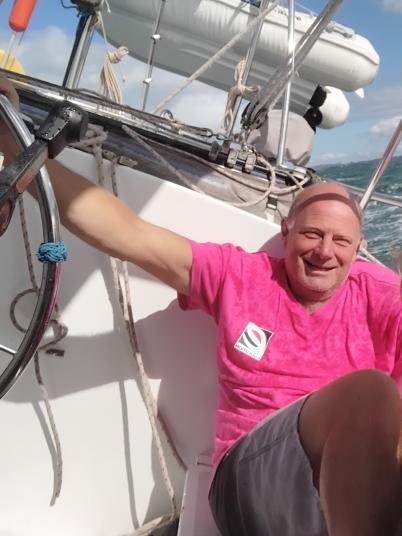
Design: Dickson 55
LOA: 16.82m
Race number: 7
Terry Dunn (Opua Cruising Club)
Marara
Category: Monohull
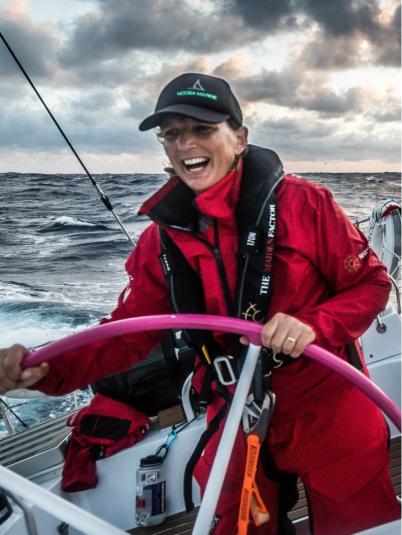
Design: S&S 34
LOA: 10.23m
Race number: 12
Peter Elkington (Southport Yacht Club, Australia)
Pacman
Category: Monohull
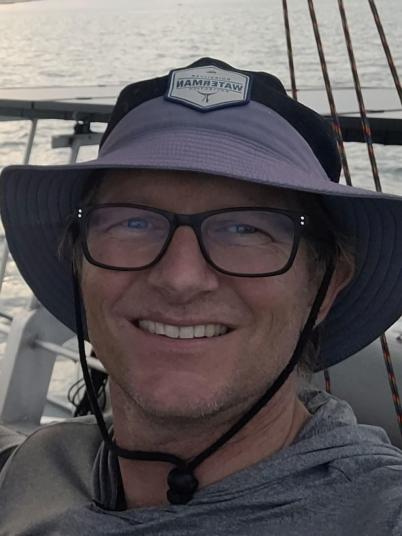
Design: Young 11
LOA: 11.17m
Race number: 6
Doug Esterman (Tauranga Yacht and Powerboat Club)
Fair Seasons
Category: Monohull
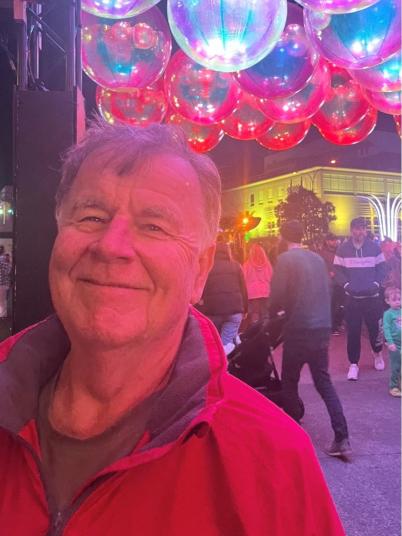
Design: Cav 39
LOA: 11.9m
Race number: 1
Sharon Ferris-Choat (Bay of Islands Yacht Club)
Vixen Racing
Category: Monohull
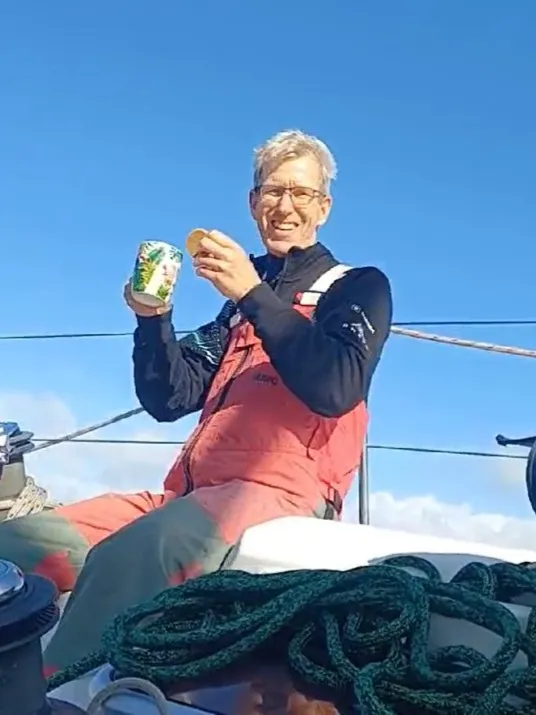
Design: Class 40
LOA: 12.17m
Race number: 15
James Foster (Richmond River Sailing Club, Australia)
Electron
Category: Multihull
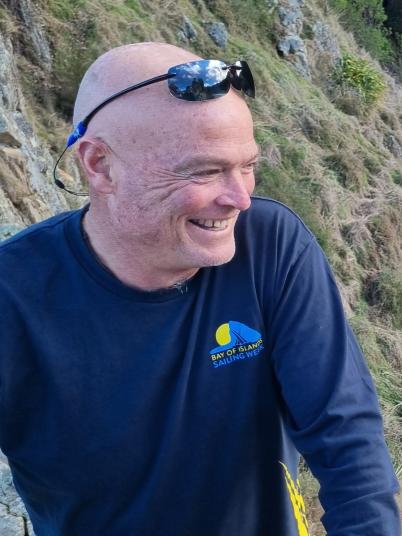
Design: Mumby 48
LOA: 14.6m
Race number: 11
Graeme Francis (New Plymouth Yacht Club)
Robbery
Category: Monohull
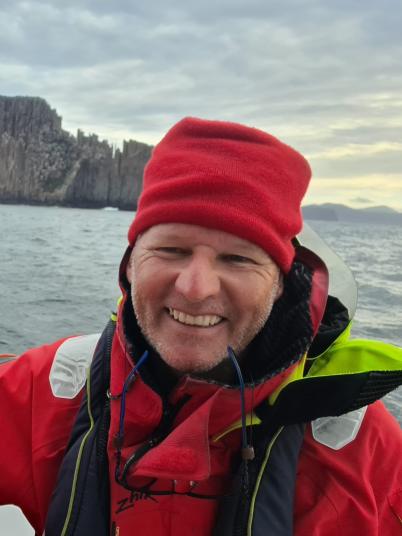
Design: Wilson 36
LOA: 10.97m
Race number: 17
Glen Jeffery (SSANZ)
Wave
Category: Monohull
Design: Grand Soleil 50
LOA: 15.0m
Race number: 4
Bill Kidman (Opua Cruising Club)
Pretty Boy Floyd
Category: Monohull
Design: Ross 12m
LOA: 12.2m
Race number: 5
Kevin Le Poidevin (Port Stephens Yacht Club, Australia)
Roaring Forty
Category: Monohull
Design: 1997 Lutra BOC Open 40
LOA: 12.2m
Race number: 14
Peter Nobbs (Opua Cruising Club)
Smoko
Category: Monohull
Design: BandG 36
LOA: 11.0m
Race number: 8
Geoff Thorn (Lowry Bay Yacht Club)
Catnip
Category: Monohull
Design: Beneteau First 45
LOA: 14m
Race number: 18
Originally published by Yachting New Zealand.