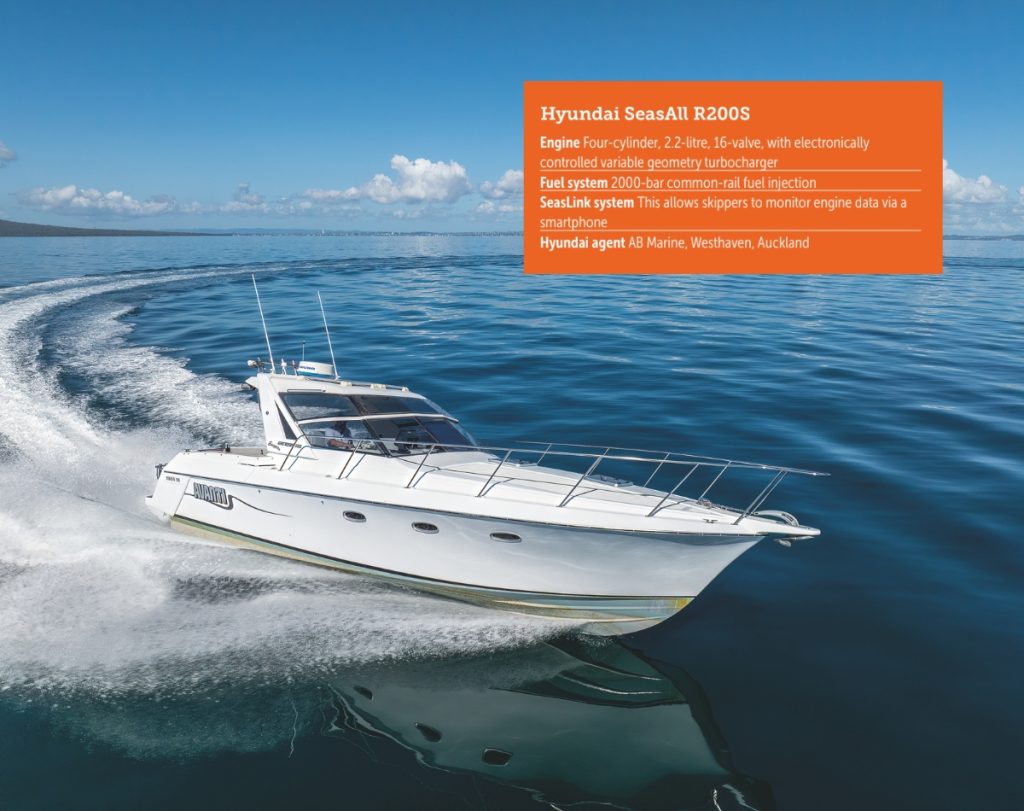
Repowering a 28-year-old Genesis 320 (11m LOA) with a pair of 200hp turbo-charged Hyundai diesels has transformed both the vessel and her owner’s happiness.
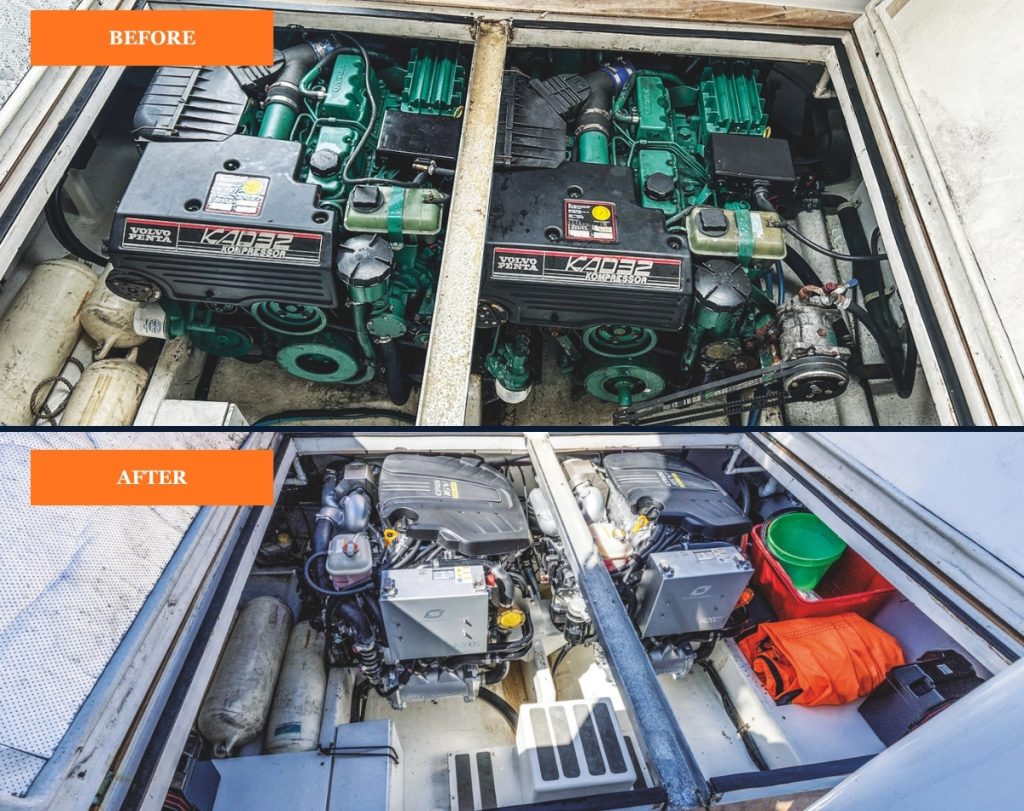
Avanti was launched in 1998 – one of the last of some 290 Genesis 320s that were built. She was fitted with twin KAD32 170hp Volvos – 2.4-litre, four-cylinder, supercharged diesels mated to DP-E sterndrives.
Auckland’s Tim Willetts bought her about nine years ago – the vessel’s second owner. “The model was a winner and it became one of the company’s most popular production boats. The layout suited my needs perfectly – an expansive cockpit for fishing with spacious accommodation. And, crucially, it fitted my Gulf Harbour berth and fell within my budget.”
While the pre-purchase survey gave Avanti a clean bill of health, Tim knew mechanical issues would surface further down the track – especially with the engines and stern legs.

“Within a few years I reconditioned one stern leg and then replaced the other. There was also quite a bit of engine maintenance and I could tell the Volvos were getting tired.
I agonized over the cost equation – do I recondition the Volvos or install new engines?”
He eventually opted for two new 200hp Hyundai SeasAll R200S diesels (four-cylinder, 2.2-litre, turbo-charged) – basing his decision on the promise of longevity, reliability, improved fuel efficiency – and easier maintenance. The latter issue was a major factor in his thinking.
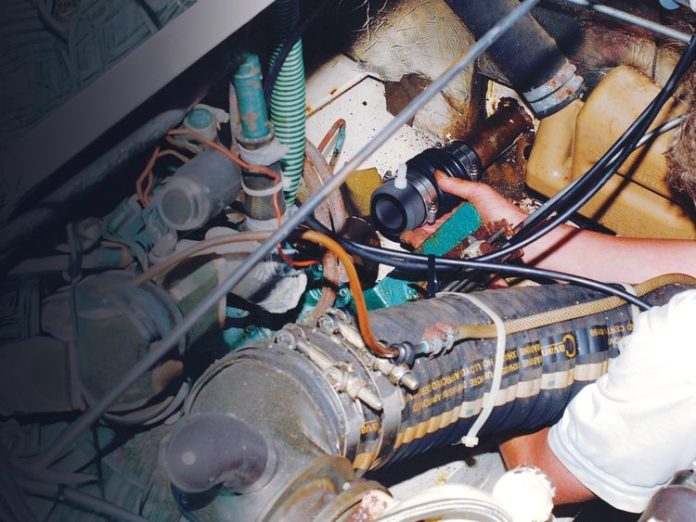
“The Genesis 320 is an easily-driven hull with good sea-keeping performance. But it’s fairly narrow and the 3m beam makes for a very tight engine room. Maintenance was a nightmare. The Volvos were so close together, I couldn’t get my hand between them.

“Swapping or repairing an alternator, for example, involved removing one of the engines entirely to gain access – a job I did six times! Of course the labour costs each time elevated my blood pressure – a massive outlay given the modest price of a new alternator.”
Footprint, weight and efficiency
In addition to their higher horsepower the Hyundais were lighter with a much smaller footprint. They dropped on to the old engine bearers with minimal adjustment, leaving more space between them. Even better, the engines’ service points are at the front – where there is actually room to swing a cat.
Tim also used the transplant project to ditch the old mechanical refrigeration system (compressor, condenser and pipework) and switched to an eutectic alternative. This further reduced engine room clutter. “We were also able to use the galley’s existing fridge/freezer cabinet – an upgrade that required minimal surgery.”
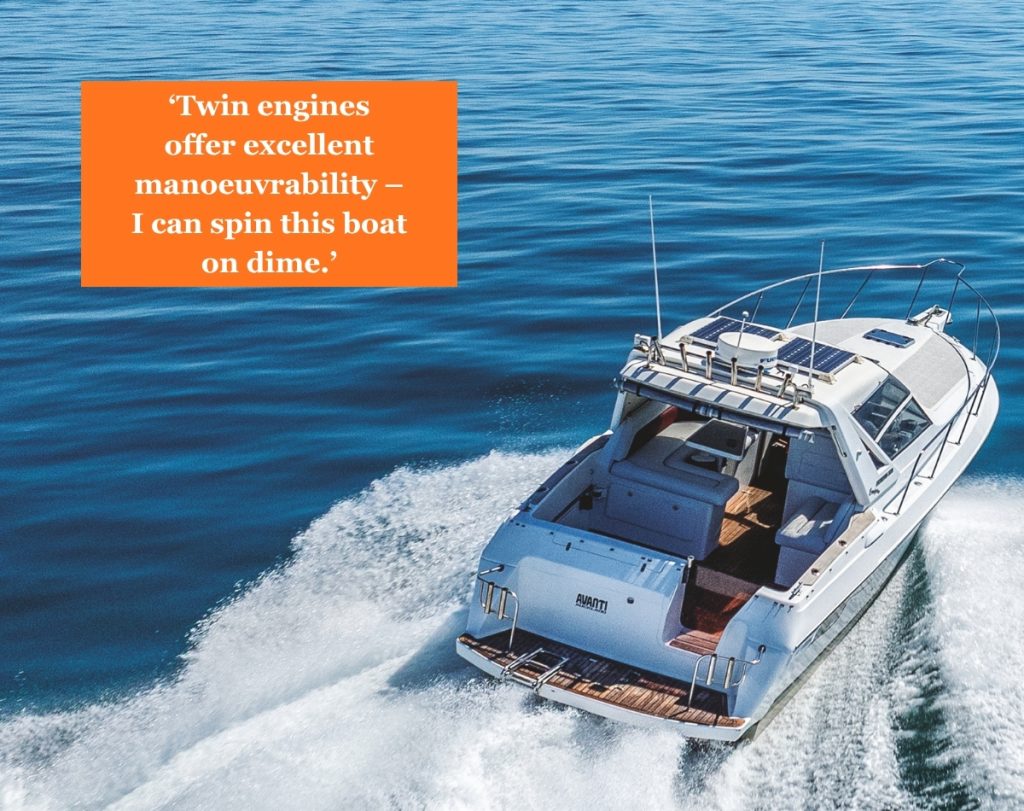
All up these changes shaved around 500kg (10%) from Avanti’s weight – she now displaces 5.5-tonnes – and as a result floats about 80mm higher. “I discovered this the first time I came into the berth – the mooring lines were too short and had to be lengthened.”
The engine transplants were tackled by Kevin Duder at Auckland’s All Marine Services.
Stern legs
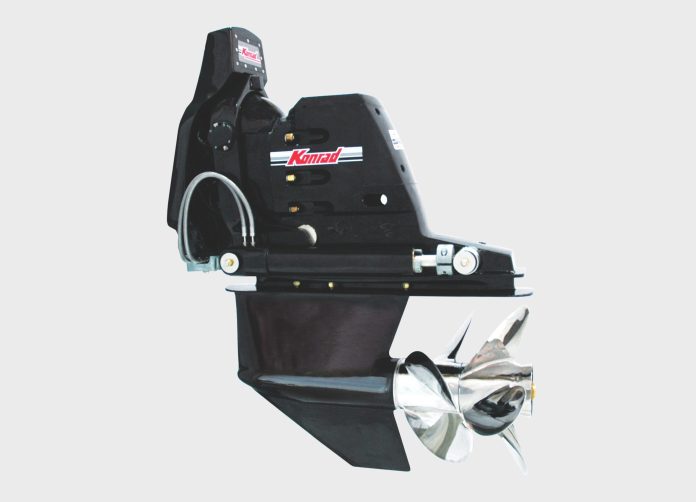
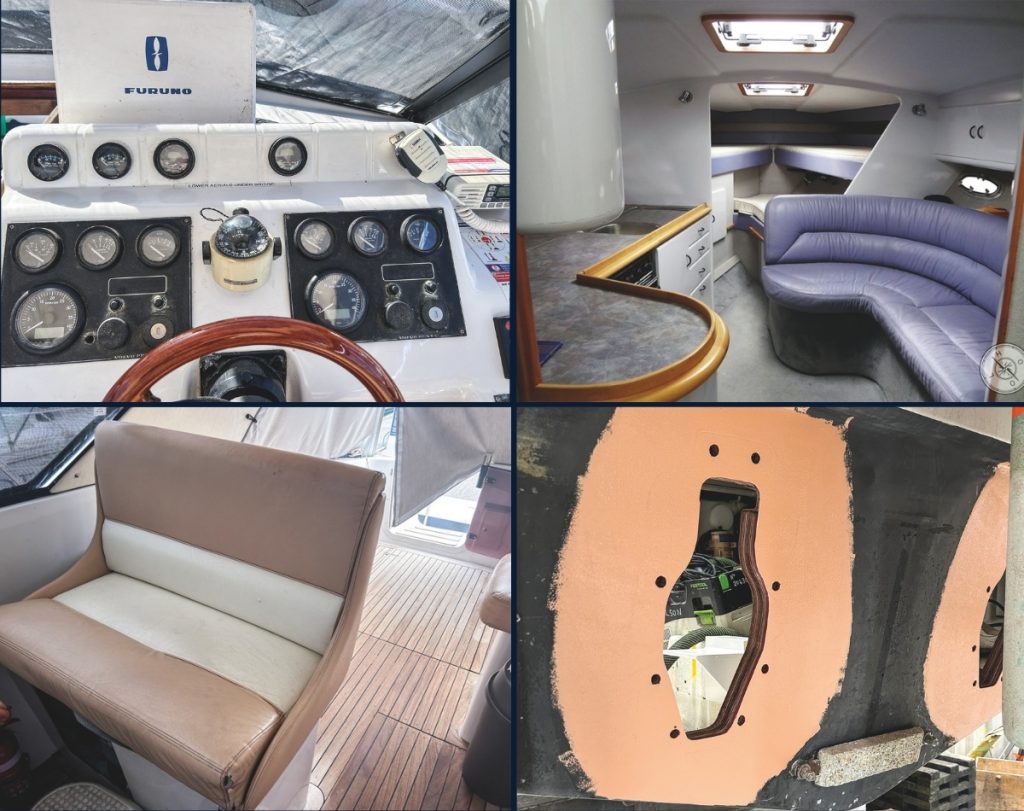
The Hyundais are coupled to new Mercruiser Bravo 3 stern legs – a swap that accounted for most of the project’s re-engineering. “Brin Wilson Boatbuilders fitted new ‘insets’ into the transom and then machined new apertures.”
New stern legs brought a significant maintenance advantage, says Tim. “A major issue with the old legs was the need to pull the boat from the water every six months to change the oil – the oil was toast after about 100–150 hours of running. With the new legs the oil change service interval is now annual – a massive cost saving.
“Much of this, in my opinion, is thanks to better cooling. The Volvos were equipped with 30mm raw water intakes for the engines. The Hyundais’ intakes are 50mm. That’s a substantial increase in water volume/flow and it’s best reflected in the lower operating temperatures.

“The old engines ran at 95o – the Hyundais run at 83o – but the increased water flow also means more/better circulation around the stern legs, keeping them cooler and extending the life of the oil.”
Pre-order calculations relating to the optimum gear-ratio in the Bravo stern legs proved to be spot-on: “The mechanical whizzes who do these things selected the ratios and suggested the engines should be turning over at 3,850rpm at WOT. The tests showed 3,950rpm – so everyone’s very happy.” Each leg is fitted with dual 24” pitch Solas stainless steel props. The old legs’ aluminium props were replaced three times.
Fuel efficiency
Perhaps the repower’s biggest surprise, says Tim, was the significant improvement in fuel efficiency. “I knew the new engines would use less but I didn’t appreciate how much less.
Because I’ve always been meticulous about records it was quickly evident that my annual fuel budget dropped 20% – from $10,000 to $8,000.
“The old engines used 40 litres an hour cruising at 18 knots; the new engines use 32 litres an hour at 19 knots. She’s quicker and more frugal.” Avanti’s ideal cruising speed is 22 knots – and at WOT she’s good for 33 knots.
Engine data (temperature, RPM, fuel consumption, etc) is displayed on twin Hyundai dash units. While electronic helms are available for the engines, Tim opted to stick to the standard mechanical version. “I’m old school and I’d recently fitted brand new Morse cables – it seemed silly to abandon them.”
Two, much bigger alternators (200-amp each versus 80-amp models) on the Hyundais have rejuvenated the vessel’s electrical systems – a vital boost given the new electric fridge/freezer and the Lectrosan toilet. Taking advantage of the high-output alternators, Tim elected to increase house battery capacity (now 400 amp-hours). There are separate, dedicated start batteries.
Interior
While most of the upgrade project focused on Avanti’s new engines, the interior also received a makeover. Key changes include the new Lectrosan toilet unit (it treats waste before discharge, eliminating the need for a holding tank). There is new upholstery (some upholstery framework was rotten and needed replacing) and new carpets.
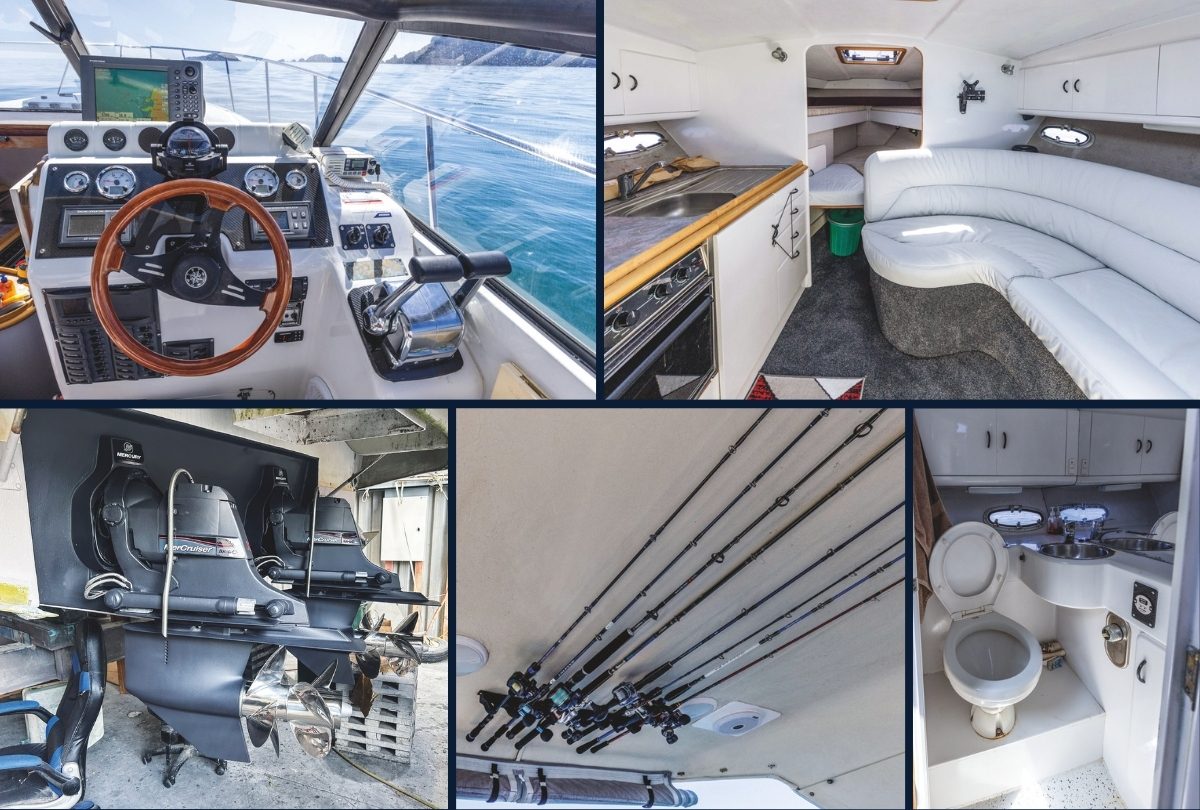
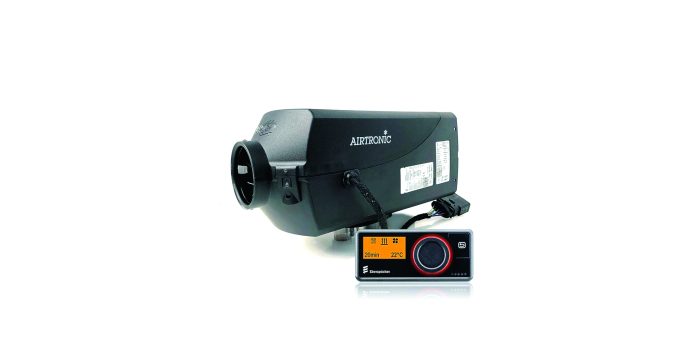
But the best change, says Tim, was the introduction of hot water (83°) for the galley and shower. “The water’s heated by the engines – and there’s nothing quite like standing in a hot shower to get rid of the grime after a day’s hard fishing.”
Tim concedes that Avanti’s refurbishment has cost him a bit more than her market value but is adamant that running her will be far less stressful. “I’ve given her another lease of life – with the promise of lots of happy fishing for another 25 years.”
Indeed. BNZ