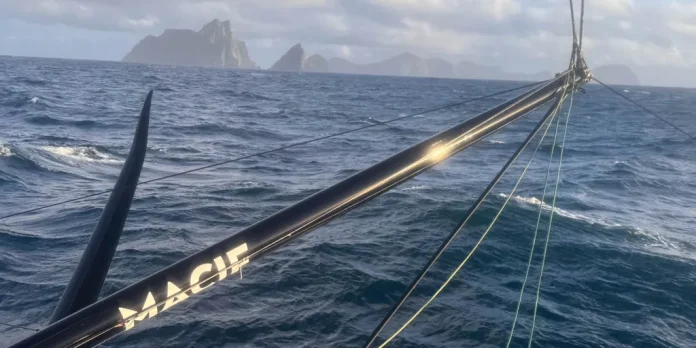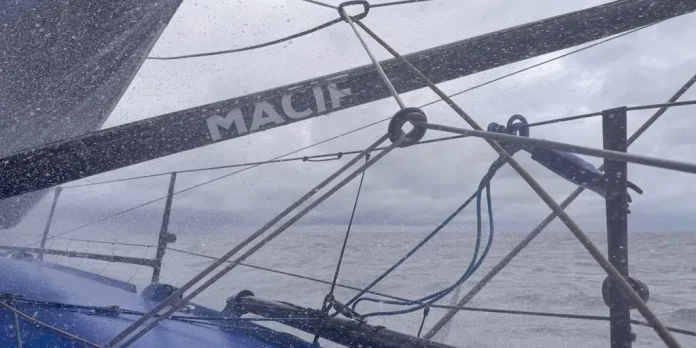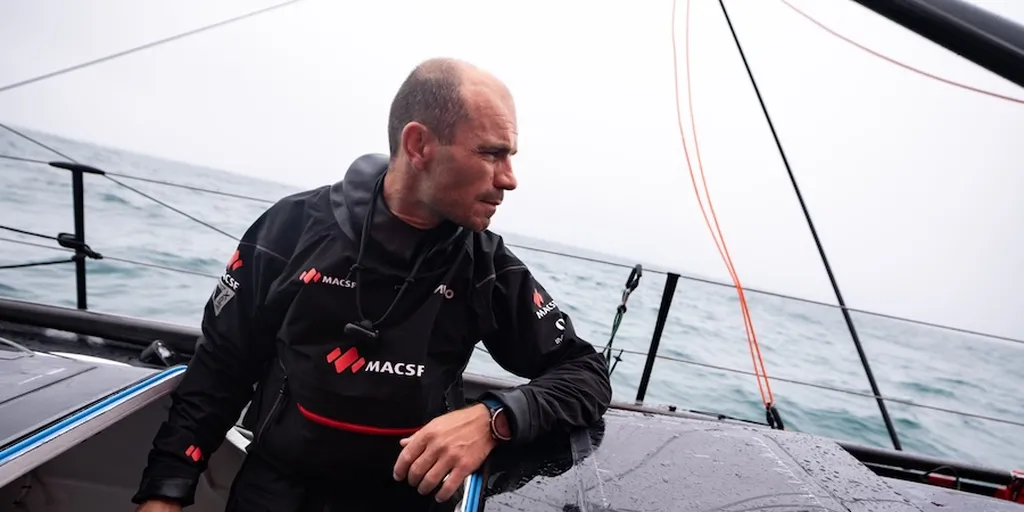
Corentin Horeau has spent the northern winter fine-tuning his IMOCA. The modifications made to the boat during the off-season will face their first real test on the water during the Vendée Arctique, a race the 36-year-old Frenchman describes as essential preparation for the Vendée Globe proper.
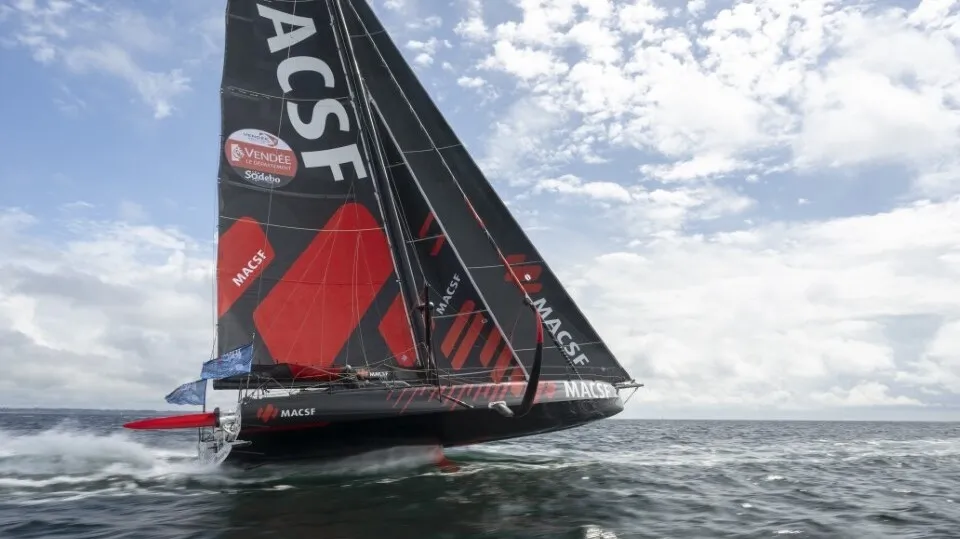
The MACSF skipper finished second in the 1000 Race earlier this season, a result he treats with deliberate restraint. “The classification is secondary in a way,” he explained. “It’ll just be the icing on the cake. But that doesn’t stop you from trying to do things right. Everyone races to finish as high as possible.” What matters more to him is continuing to build his solo handling of the boat, especially now that the Vendée Arctique promises stronger winds than the lighter conditions he encountered before.
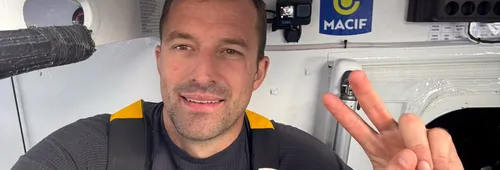
Horeau comes from the Figaro ranks, where he proved the sort of relentless durability that defines ocean racing. His ascent to IMOCA level has been measured and methodical. Friends and rivals have watched him gain confidence with each outing, yet he remains wary of overcommitting to predictions. “I’m always ambitious,” he said with a grin, “but generally I keep it to myself.”
The Vendée Arctique matters not for the trophy but as a working laboratory. This is his longest solo offshore race in an IMOCA. The boat is capable, the crew ashore is sharp, and the winter work is done. Where previous races taught him the rhythms of single-handed sailing in modern ocean racing, this one will tell him whether the technical changes work—whether the boat responds as intended when the going gets rough.

For a man heading toward the Southern Ocean’s most punishing circuit, the chance to sail hard, make mistakes that don’t cost him the race, and refine both boat and method is worth more than any podium finish in June. The humility is not false modesty. It’s the clarity of someone who knows the Vendée Globe demands everything, and who isn’t about to squander this chance to get the fundamentals right.