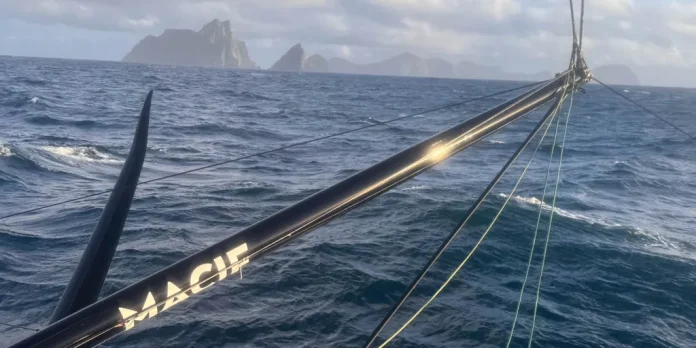
As the first skippers crossed into the Arctic Circle, attention turned inland. Across the High North, scientists were conducting missions to decode the upheavals transforming the region. Climate, biodiversity, the survival of indigenous populations—these were the pressing questions being investigated in one of Earth’s most vulnerable zones to climate change.
The Arctic holds the planet’s atmospheric and oceanic circulation systems in balance. It contains glaciers, ice sheets and permafrost, alongside ecosystems found nowhere else. As human activity intensifies and temperatures rise faster here than anywhere globally, researchers have converged on problems both varied and urgent.
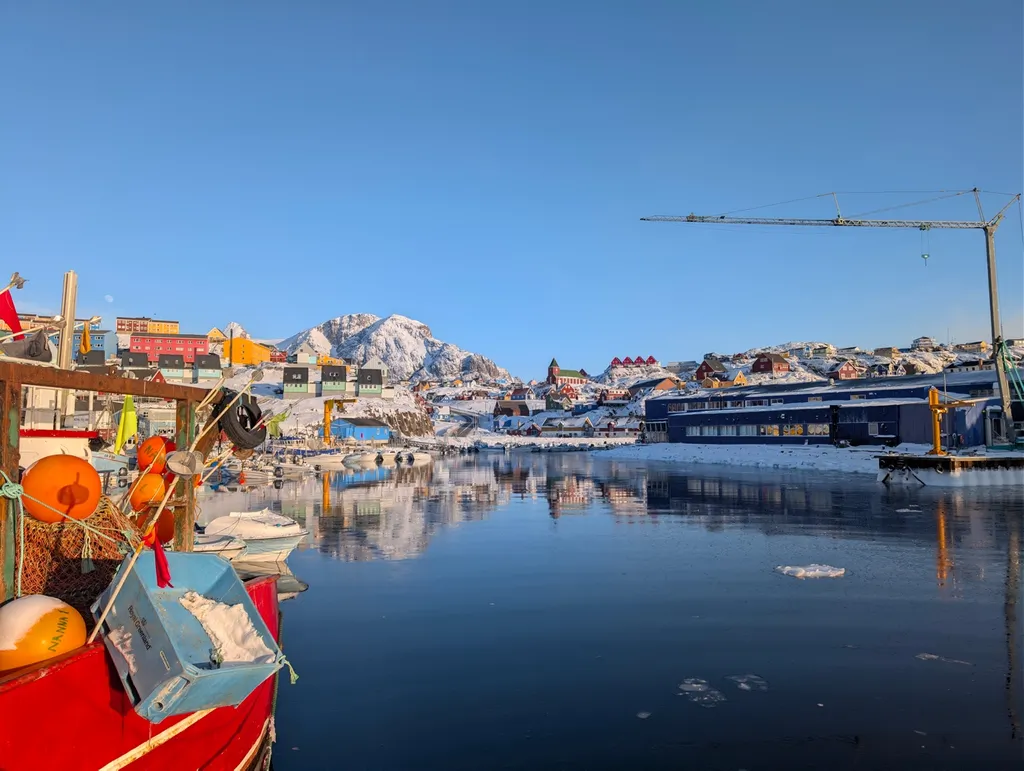
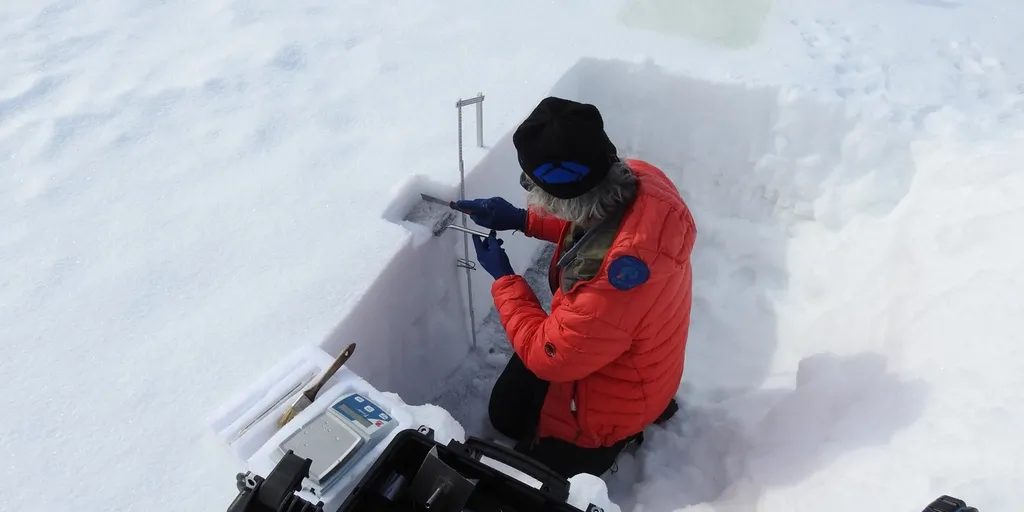
While competitors pushed towards the Arctic Circle, multiple research projects were underway across the region. At Ny-Ålesund in Svalbard, the ARCSNOW team was studying how the atmosphere interacts with the snow blanket covering the landscape. Snow shapes Arctic climate, and by extension the global system, through its reflectivity—yet as the climate shifts, precipitation patterns across Svalbard are changing rapidly. The region warms faster than almost anywhere on Earth. Scientists are tracking how snow’s physical and chemical properties evolve, especially during thaw periods when the transformations accelerate.
Understanding these processes matters because snow governs how much solar radiation bounces back to space. As temperatures rise and precipitation patterns shift, the properties of Arctic snow are changing in ways that could amplify warming. The ARCSNOW researchers are collecting data that will refine climate models and help predict how the Arctic will respond to further warming.


From Svalbard to Greenland, similar investigations unfold. Glaciologists monitor ice loss and sea-level rise. Biologists track how marine and terrestrial species respond as their habitat transforms. Social scientists interview Inuit communities about the practical impacts of rapid environmental change on hunting patterns, food security and traditional knowledge systems.
The race itself has become a window on a region most people never encounter. As yachts cross waters increasingly free of ice, the science happening on shore reminds us that this transformation is no longer distant or theoretical. It is measurable, documented and unfolding now.