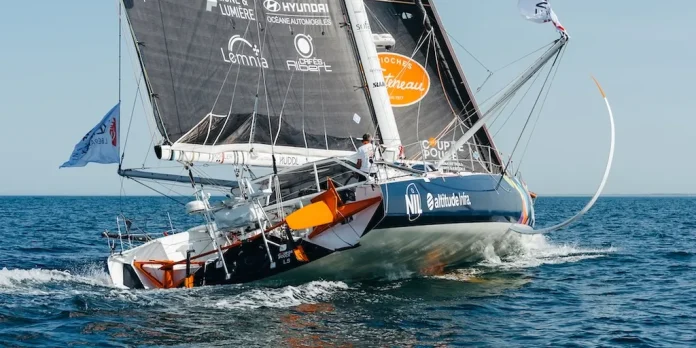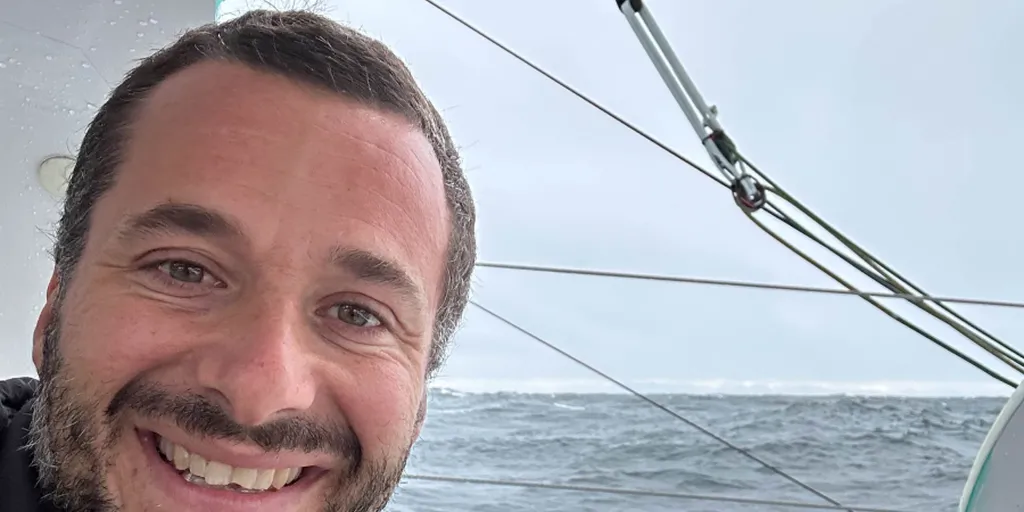
Several Vendée Arctique competitors have now crossed the Arctic Circle, marking a threshold no casual sailor casually describes. Ambrogio Beccaria and Francesca Clapcich have begun their southbound runs, while Manu Cousin continues pushing northward into the high latitudes. Between persistent fog, glimpses of Iceland’s snowy peaks, the first real sensations of boat flight, and solitary decisions made in the middle of the ocean, the fleet’s skippers are living an entirely different kind of race.
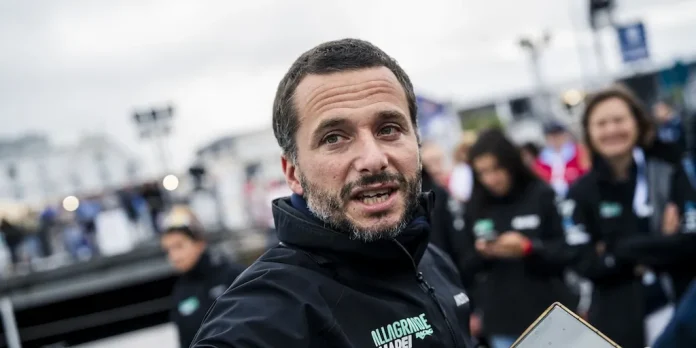
Beccaria, sailing Allagrande Mapei, caught his first sight of Iceland during a brief break in two days of grey. “I just saw Iceland. It lasted only moments, a small clearing between two days of murk, but I saw the snowy mountains. It was magnificent,” he reported. The racing itself remains brutally intense. Off the Icelandic coast, he’s found 25 to 30 knots of wind at last—conditions that suit his boat. “We’ve mostly sailed close-hauled or reaching since the start, angles where I wasn’t particularly strong. Now, for the first time, I can really use the boat’s potential in conditions that work for me. I managed to close on Violette and pass her last night.” Even the setbacks matter less than simply remaining in the hunt. Beccaria has weathered equipment failures and complications since the start. “I’m just happy to still be racing after all the problems I’ve had. I’m still here, and that’s already satisfaction enough.”
Decision-making in isolation brought harder choices. Routing software favours an eastward return through narrow passages at 25 to 30 knots with heavy seas. A single failure there could prove catastrophic. “That’s not the kind of risk I want to take,” Beccaria explained. The western route means more close-hauled sailing, miserable but safer. “But that’s the race too.”
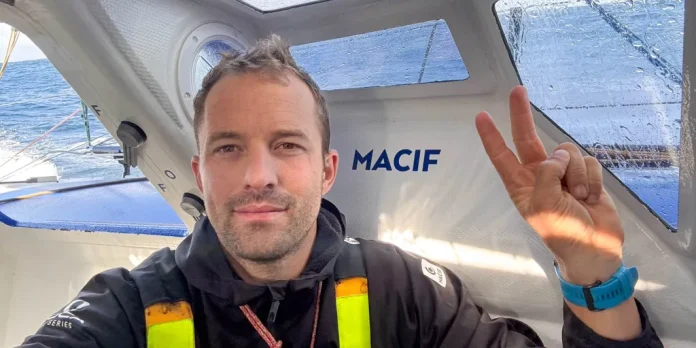
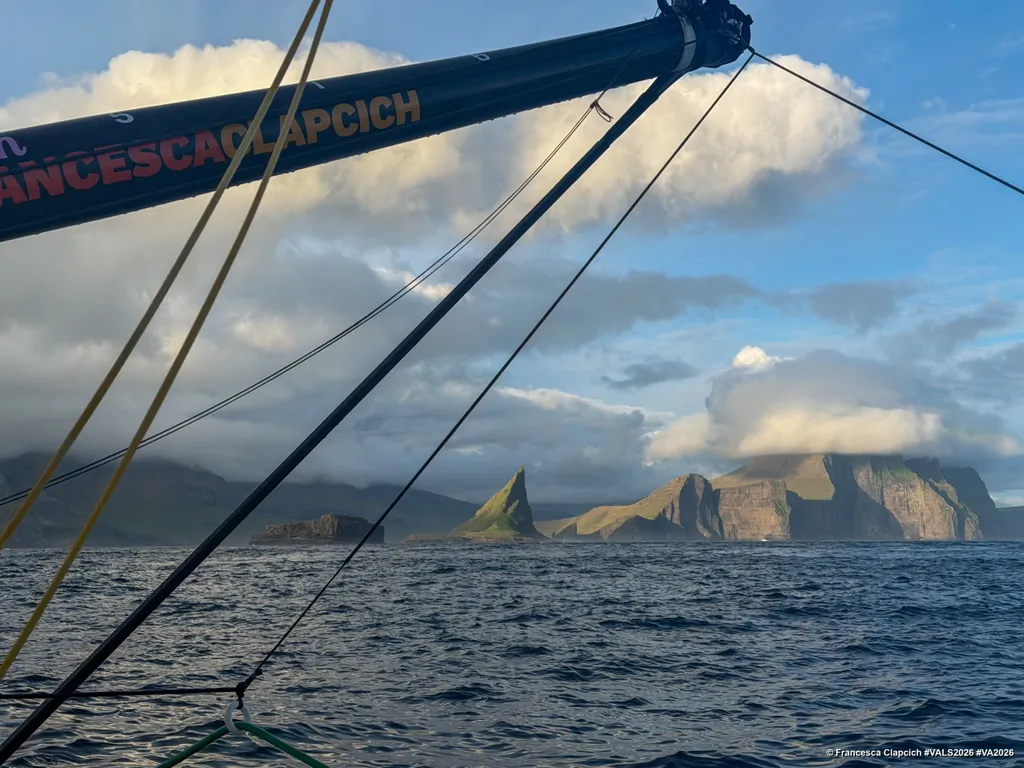
Francesca Clapcich aboard 11th Hour Racing crossed the Arctic Circle in fog and cold, watching her chart mark the line while fog surrounded everything else. “It’s almost abstract in the moment. You think: now it’s time to turn around and go south. But when you step back, you realise how special it is. I don’t know how many people have sailed this far north in a boat like ours. It’s something I’m genuinely proud of.”


That pride extends beyond herself. Her shore team worked relentlessly to ready the boat. “It rewards everyone’s effort, not just mine. It’s definitely the kind of story you tell your daughter later.”
Clapcich is learning to trust instinct over spreadsheets. Strong winds of 28 to 30 knots loom ahead. She hasn’t decided whether to change sails, take a reef, or jibe sooner. “I look at weather files and routing and all available data. But I like sailing with instinct and taking decisions I really believe in. At certain moments this week, I felt like I was reacting instead of deciding. That’s one of the big lessons.”
She admitted to talking to herself aboard, not from loneliness but to maintain connection with her shore team and work through problems. When something goes wrong or a manoeuvre turns complicated, the solitude becomes real. Yet she wouldn’t trade it. “This is already the longest solo IMOCA race I’ve done. It feels like it’s lasted forever, though it’s only been days. The weather keeps changing, conditions are brutal, the cold is demanding, sleep is rare. But I love it. I’m learning so much every day, storing everything for the Vendée Globe. It’s incredible to be nearly forty and feel this much pleasure learning every single day.”