It’s the time of an America’s Cup campaign that the path starts narrowing, the intensity grows, and the juggle of boats, seasons, and hemispheres is real for Emirates Team New Zealand.
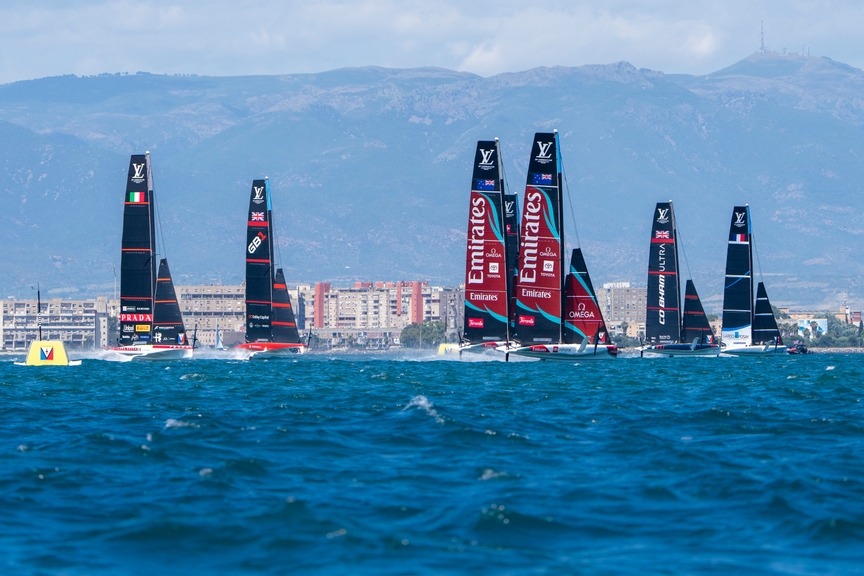
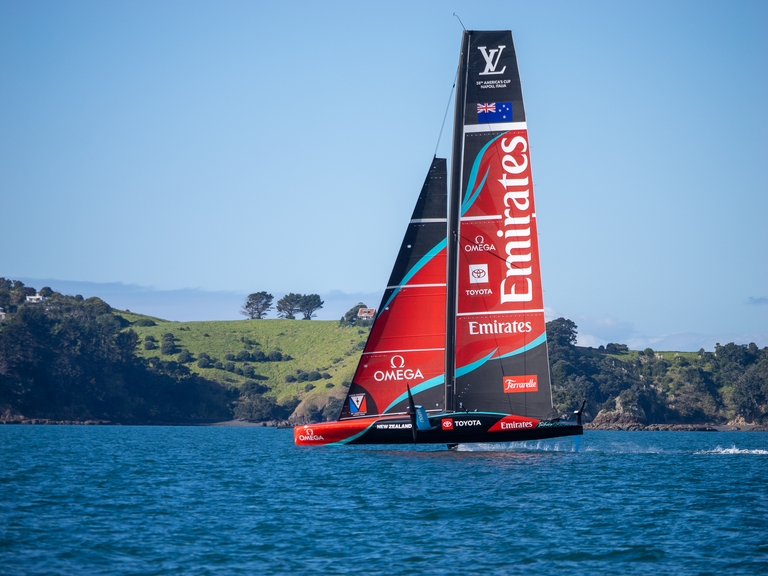
In the past month, the team travelled to Cagliari, Sardinia, for the first America’s Cup Preliminary Regatta, racing two AC40s, before a rapid return home to New Zealand to get straight into an intense block of AC75 testing. It is quite the shift in focus between boats on the water, all the while the design team in the office remains committed on the impending deadlines for the all-important final designs that will make up the ultimate configuration for Taihoro as the team aim to defend the America’s Cup next year.
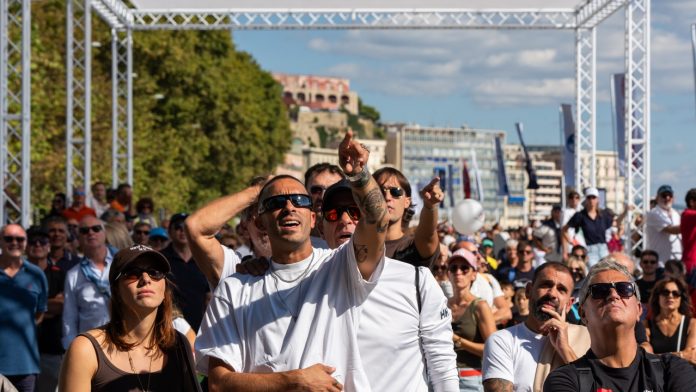
PR1 in Sardinia was the first taste of racing in this America’s Cup cycle, a welcome return to action for everyone in the America’s Cup world: “We had an amazing time in Cagliari,” said Emirates Team New Zealand coach Ray Davies. “It wasn’t quite the result we wanted, but thinking of the bigger picture, we got so much out of it. The AC40s are really exciting boats to sail, and the Preliminary Regatta really helped to remind the team on and off the water of what is coming in Naples next year. The competition on the water, the hype, and the crowds off the water, but at the end of the day it’s a yacht race. So the sailors, and the whole team for that matter, have to be able to perform under pressure in front of a big stage, ride the ups and downs, and keep getting better.”
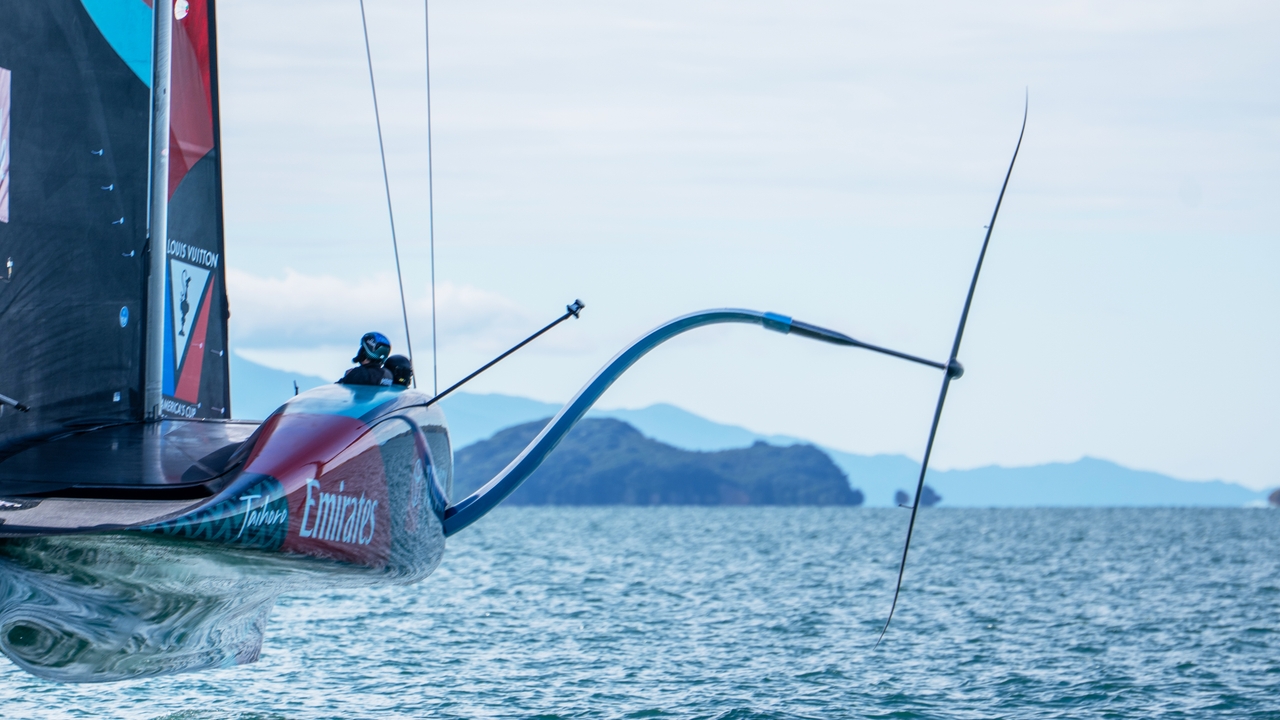
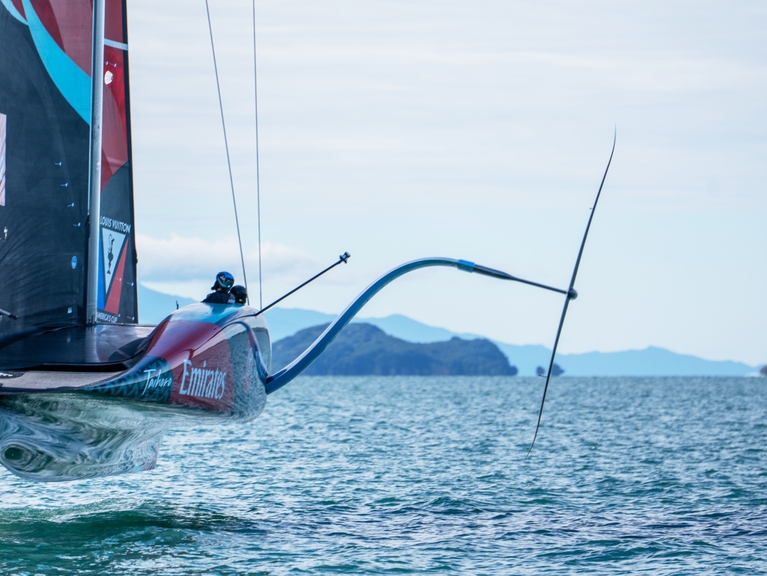
“Then to flick the switch not much more than a few days later and get out on a cold winter’s day in Auckland on the AC75, which is a completely different beast. There is so much going on with mechatronics, hydraulics, and electronics bringing all of that together. So the development of the AC75 is pretty exciting. That’s the really cool thing about the America’s Cup: you have the out-and-out racing, but then the fascinating technical development of the big boats and the design contest that it also is,” said Davies.

Performance engineer Elise Beavis, now on her fourth campaign with Emirates Team New Zealand, has a key role drilling into the performance data to relentlessly squeeze out performance and speed gains wherever possible across both classes of boats.
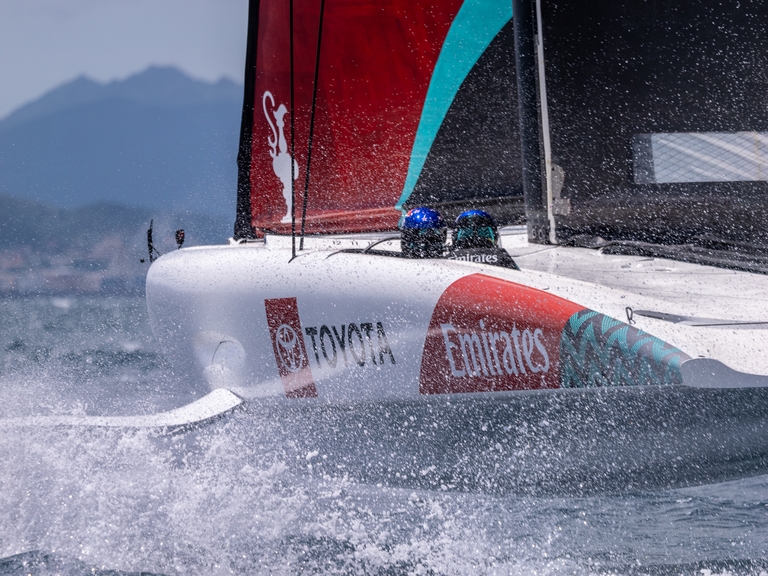
“The campaign so far has been pretty exciting, mixing between AC40 and AC75 sailing,” explained Beavis. “The AC40 is cool in that all the differences come down to how the sailors are sailing the boat, being one-design identical boats. Obviously, we had two boats and two crews in Cagliari, so for me, picking up the differences between our two crews of sailors and looking at what the combinations are doing with aspects of how they are sailing and going fast to then suggest that to the others is a rewarding challenge.”
“And then when we return to Auckland and get back out on Taihoro, it is a completely different game making the AC75 as fast as possible and exploring all corners of the class rule and design parameters for performance gains. But there’s still a lot of space to explore as we narrow down where we’re going and how to do the best with that equipment.”
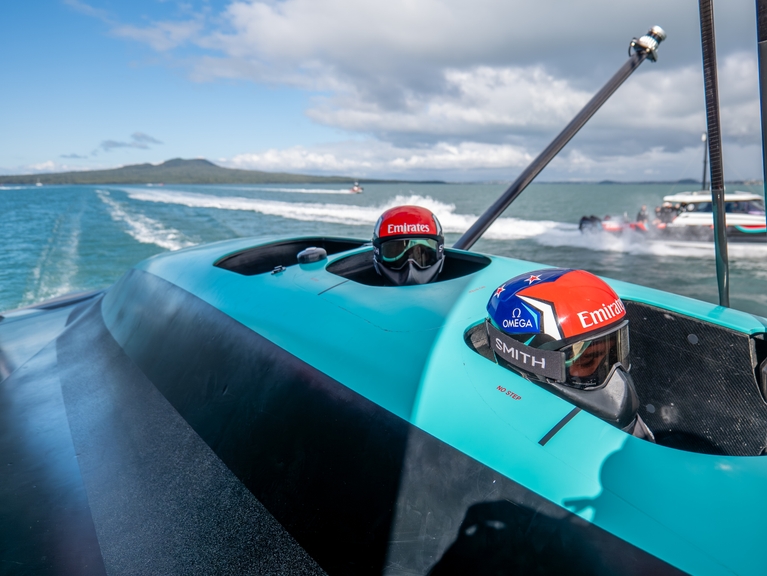
The recurring question for everyone is: where are those performance gains across the equipment going to be made, given the hull surface shape cannot be changed?
“The boats got a bit lighter from last time round, so there’s inherently another step forward in performance. But the big one is that sometime between now and the racing next year, we will be getting new foils and they’ll be different,” said Beavis.
“So with that, and an understanding of how to sail the boat a little bit differently with those foils, we need to spend a lot of time in the simulator looking at different foil concepts and trade-offs between the multiples of different design options and decisions.”
It isn’t all about the foils though; with the change from ‘cyclor power’ to battery power, a focus will also shift to systems inside the boat, an element not so exposed or visible to recon and the other teams or interested followers.
Tim Meldrum is one of the mechanical engineers of Emirates Team New Zealand who is tasked with developing some of the ultra-complex parts and systems all across Taihoro.
“Inside the boat, we could essentially completely gut all of the systems out of there and rebuild everything from scratch, including all the hydraulics, electronics, and control systems. So, it’s over to us with what we want to do there: Whether we think we had a really good system to begin with, or whether we just want a clean-slate rebuild. So, we’ve looked pretty hard at what we had and what we want to do now. So it’s keeping us busy,” explained Meldrum, giving very little away as usual.
With the second Preliminary Regatta confirmed to be raced in Naples on 24–27 September 2026, the team will continue the mix of AC40 race development and AC75 technical development between Naples and Auckland over the next few months to keep the accelerator down looking ahead to next year.
As Ray Davies concludes, “There is a lot to play out in this America’s Cup. It’s not going to be straightforward bringing it all together, but Naples next year is going to be really exciting.”
RELATED ARTICLES
EMIRATES TEAM NEW ZEALAND RUNNER UP IN CAGLIARI /// EMIRATES TEAM NEW ZEALAND ANNOUNCES DUAL AC40 LINE-UPS FOR PRELIMINARY REGATTA SARDINIA /// ANTICIPATION BUILDING FOR AMERICA’S CUP RACING TO START AGAIN /// EMIRATES TEAM NEW ZEALAND DELIVER A STRONG DAY 2 PERFORMANCE /// RACE DAY 1 OPENS THE AMERICA’S CUP PRELIMINARY REGATTA SARDINIA WITH COMPELLING RACING