The Vendée Arctique fleet scattered its first tactical move before the afternoon breeze had even settled. Light winds—five to eight knots across the starting line—prompted two distinct strategies as skippers felt out the 2,400-nautical-mile route north toward the Arctic Circle. Manu Cousin and Arnaud Boissières peeled west immediately, gambling on positioning advantage, while the rest of the field hugged the Breton coast toward Île d’Yeu.
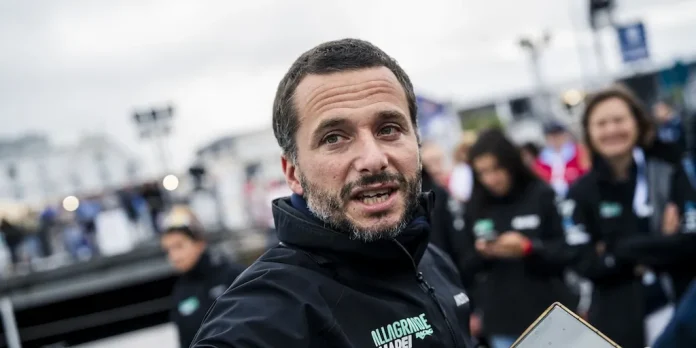
Race director Mathias Louarn noted the early divergence was deliberate. “The start was about establishing a western position that some skippers could maintain through the early stages,” he explained. Getting the fleet away cleanly had mattered more than anything. No premature line crossings. No breakages. No drama.
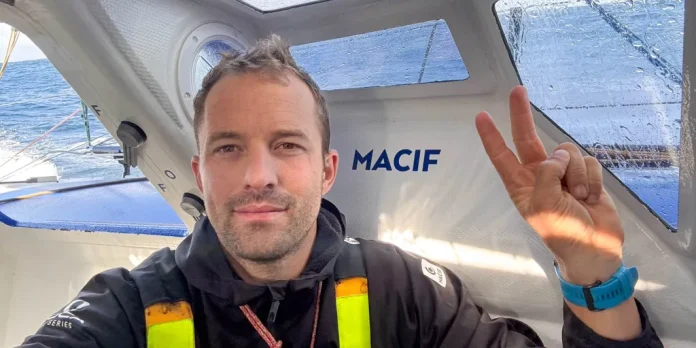
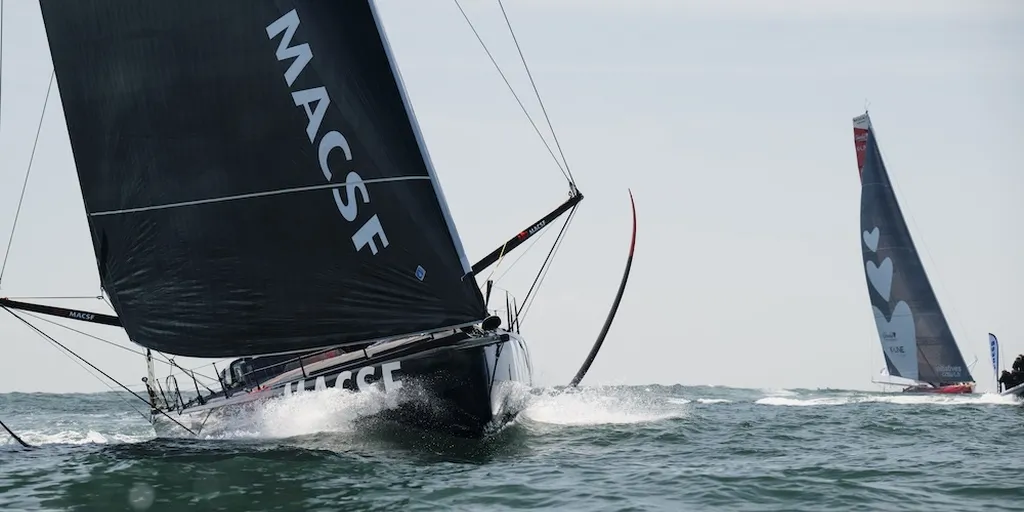
Corentin Horeau, aboard MACSF, summed up what most competitors felt as they powered down the YouTube feed: joy mixed with relief. The summer sun beating down on the start line had created textbook conditions for a clean departure, whatever the light air meant for boat speed. “Beautiful sailing, beautiful sea, mates everywhere, an incredible send-off,” he said in his first video update.

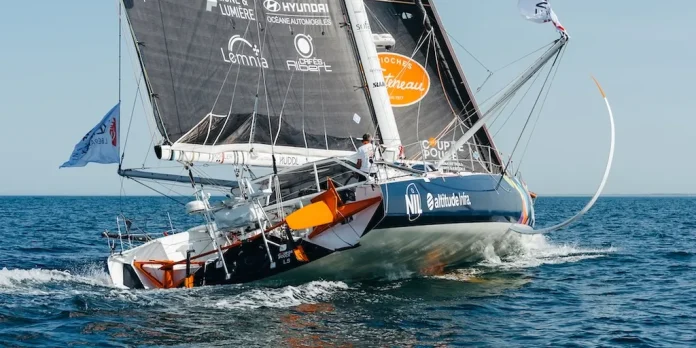
The soft breeze favoured an unexpected competitor. Nico d’Estais, whose centreboard boat typically struggles against the foiling machines in stronger winds, found himself rubbing shoulders with Élodie Bonafous, Violette Dorange and Sam Goodchild. He knew the respite was temporary. “As long as the wind stays light, this is how it stays,” he acknowledged.

What looked like a quiet afternoon was anything but. The tactical split near Île d’Yeu signalled that the real racing had begun immediately—not in a frantic dash for clear air, but in the patient work of claiming the weather gauge for what comes next. Cousin and Boissières were betting the wind would build from the west, rewarding the boats already positioned there. The coastal route offered shelter and cleaner air but risked getting pinned if the pressure system shifted. Both options would prove their worth before nightfall.
The fleet had left the dock in loose formation. Within hours, the Vendée Arctique had cleaved itself in two.