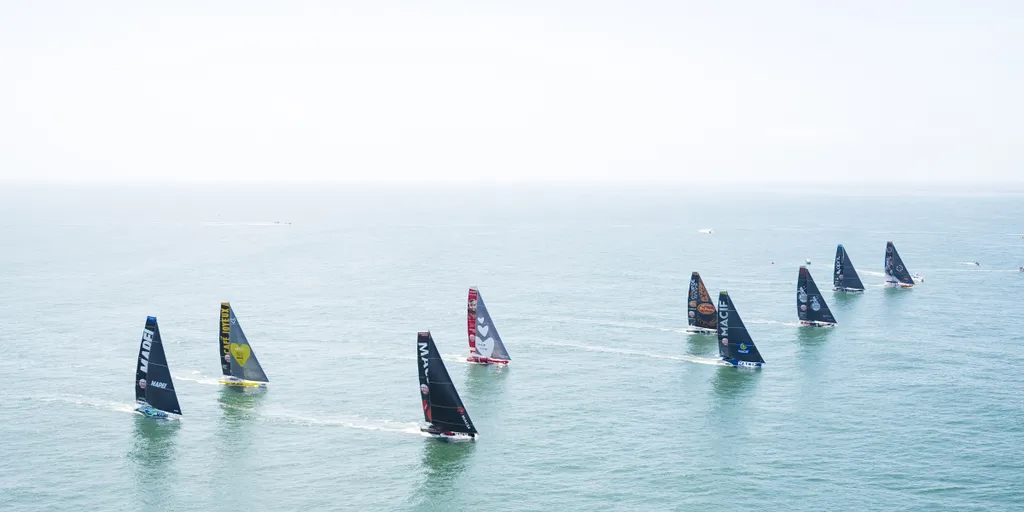
Nine IMOCA yachts slipped out of Les Sables d’Olonne on Sunday, 3 June at 15:02 NZST under hesitant south winds between 4 and 7 knots. The fleet departed in a deceptively calm procession, but beneath that gentle send-off lay the hard reality of what was coming. Within hours, tactical options would sharpen at the mouth of the bay. Come nightfall, transition passages would demand constant attention. By Monday morning, a front was forecast to sweep through, followed by a brisk push toward Irish waters. The Vendée Arctique doesn’t offer time to settle in.
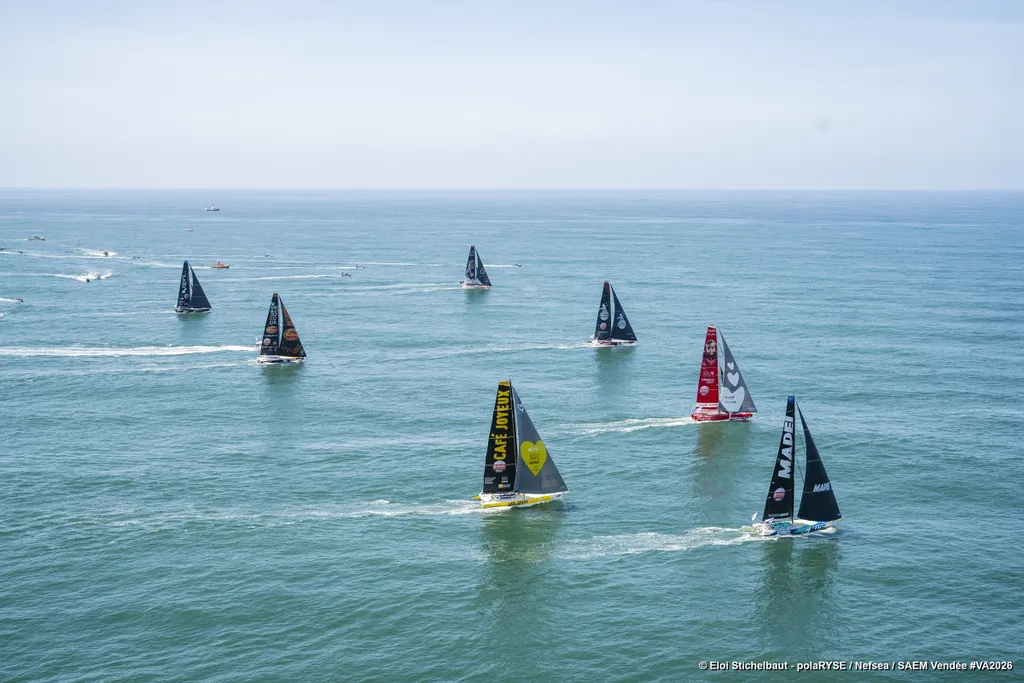
The forecast splits dramatically midweek, and no one knows which track will pay. That uncertainty mirrors the race itself, a venture to latitudes few IMOCA skippers have explored. The Arctic circle awaits.

Light airs breed no brilliant strategies. They breed mistakes, small and then larger. Corentin Horeau from MACSF noticed two emerging routes before the start: one offshore, one hugging the coast. “It’s knitting work at the beginning,” he said. Minimal wind means maximum vigilance. Sailors work unstable flows while the sea slowly builds. The fleet looked less like a decisive group and more like hikers at a poorly marked fork, all staring at the same sign but reading different meanings into it.
Élodie Bonafous, sailing Association Petits Princes, kept her head elsewhere. Yesterday there were mouse holes to exploit, she noted. Today, far less. “On the water, you deal with what’s there. You push the boat forward and hunt the wind when it shifts.” That philosophy might define the entire opening act: accept what the weather gives you rather than try to impose your plan on it.

The calm proved brief. By Monday morning, a front would rewrite positions before conditions intensified on the route toward Celtic waters. For now, the nine IMOCA crews had simply begun.