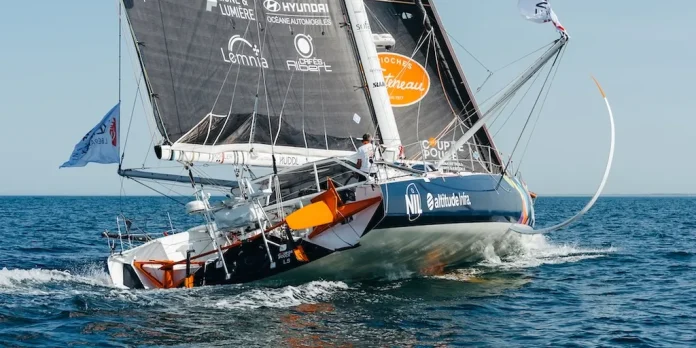
The forecast proved brutally simple for the IMOCA fleet tracking north-west of Ireland early Monday morning: 25 knots of wind, gusts to 30, four-metre seas, and a decision tree that separates the quick from the reckless. After weathering a frontal system and a ridge of high pressure, the Vendée Arctique reached its physical peak, and the race abruptly shifted from velocity to survival calculus.
The night delivered hard proof. Corentin Horeau, sitting second in the MACSF just hours earlier, lost the J3 shroud—the anchor point for his jib—when it tore clean from the deck around 21:00 (NZST, 9 Jun). His team spent two hours working solutions. The seas forecast to worsen, the damage growing, he chose to turn for Lorient. Another skipper, gone.
Sam Goodchild, racing alongside him since the start, felt it sharply. “I’m sad for Coco,” Goodchild said. “It’s a shame to see him turn back. He was sailing really well and made a beautiful start to the race. Losing a competitor like that always hurts. But I’m sure he’ll return stronger.” The Franco-British skipper occupies the lead now, roughly 50 nautical miles ahead of Élodie Bonafous on Association Petits Princes—Quéguiner, having crossed the south-west of Ireland and Dingle Bay around 04:00 Monday morning.

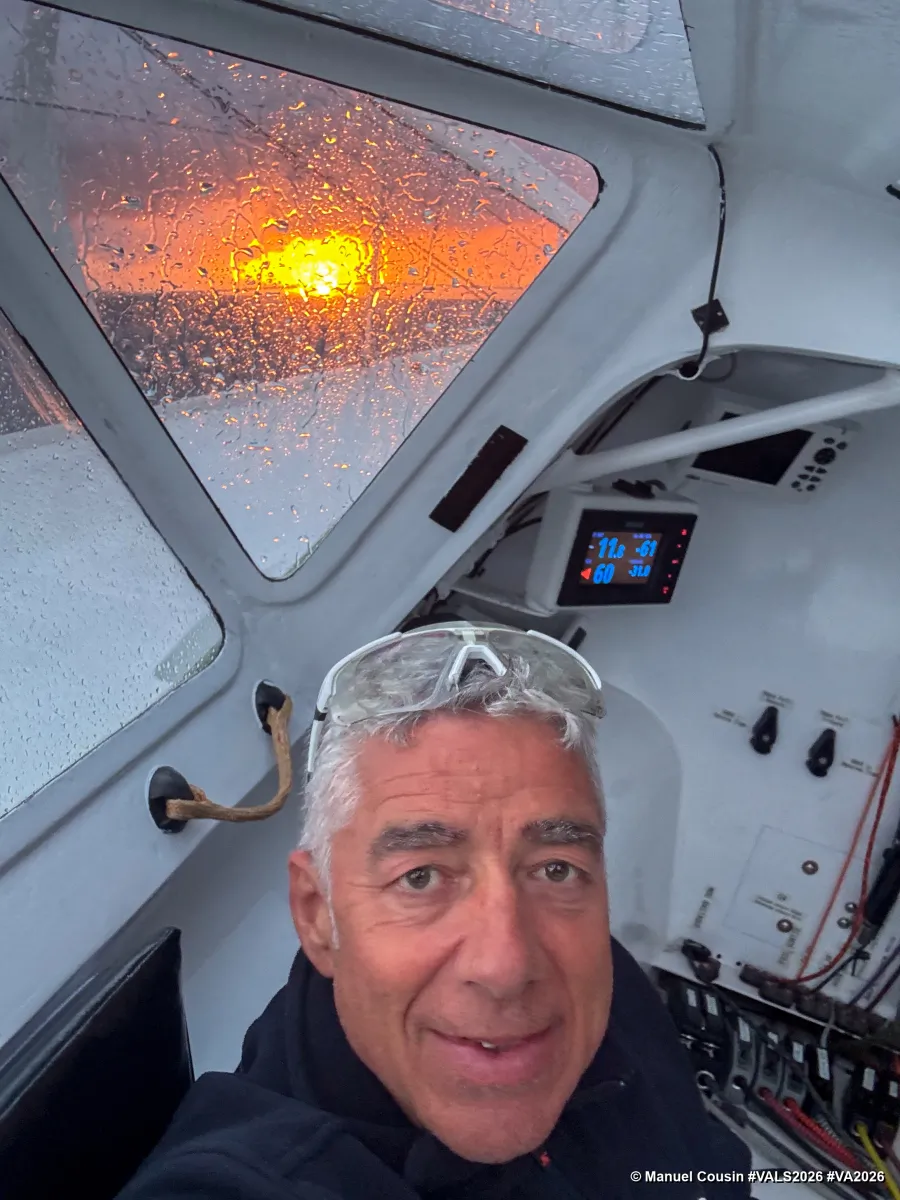
Yet Goodchild wasn’t pushing. He’d been deliberately slowing for hours, lifting off the throttle to soften impact as the bow hammered swells. Gusts kept shifting, squalls raked across the water, and staying within arm’s reach of the sheets meant he could ease pressure instantly if the boat lurched sideways or dropped off a crest.
“The goal is to go fast, but not too fast,” he explained, his voice almost lost under the hollow boom of waves against the hull. “We’re trying to eliminate the big accelerations and the hardest shocks.” He’d moved little below deck. Food when possible. Sleep when the sea allowed. “I try to move as little as I can.”
The violence was supposed to tail off soon. Goodchild believed the worst had passed, the systems loosening their grip as the IMOCA moved deeper into cooler water. It was the only comfort available on a boat where one torn fitting means the end.