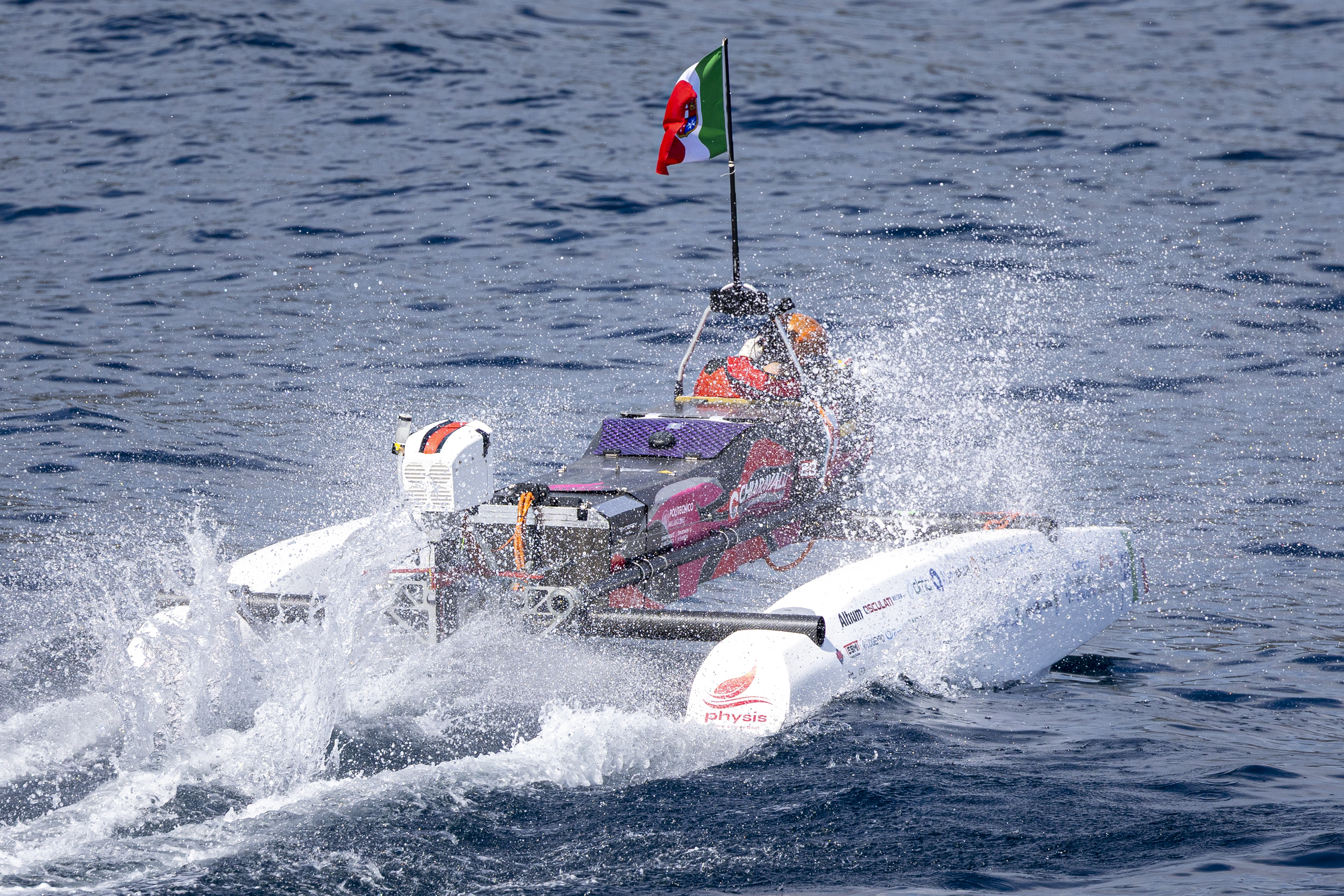
Nobody has fully solved the question of what powers the next generation of boats. Batteries, hydrogen, methanol, AI-assisted navigation, foiling efficiency: the maritime sector is working through all of it simultaneously, under growing regulatory and commercial pressure to decarbonise. The Monaco Energy Boat Challenge, now in its 13th edition, is where that work gets done in real conditions, on real water, with results you cannot argue with.
Organised by the Yacht Club de Monaco with backing from the Prince Albert II of Monaco Foundation, UBS, BMW and SBM Offshore, the event has been running since 2014. This year it has drawn a record 56 registered teams representing 22 nationalities, including delegations from the United States and China, and ZeroJet from New Zealand. More than 1,000 students and engineers are involved across 34 universities. The field includes 49 electric projects, 6 hydrogen entries, 1 methanol prototype and 10 foil-equipped boats.
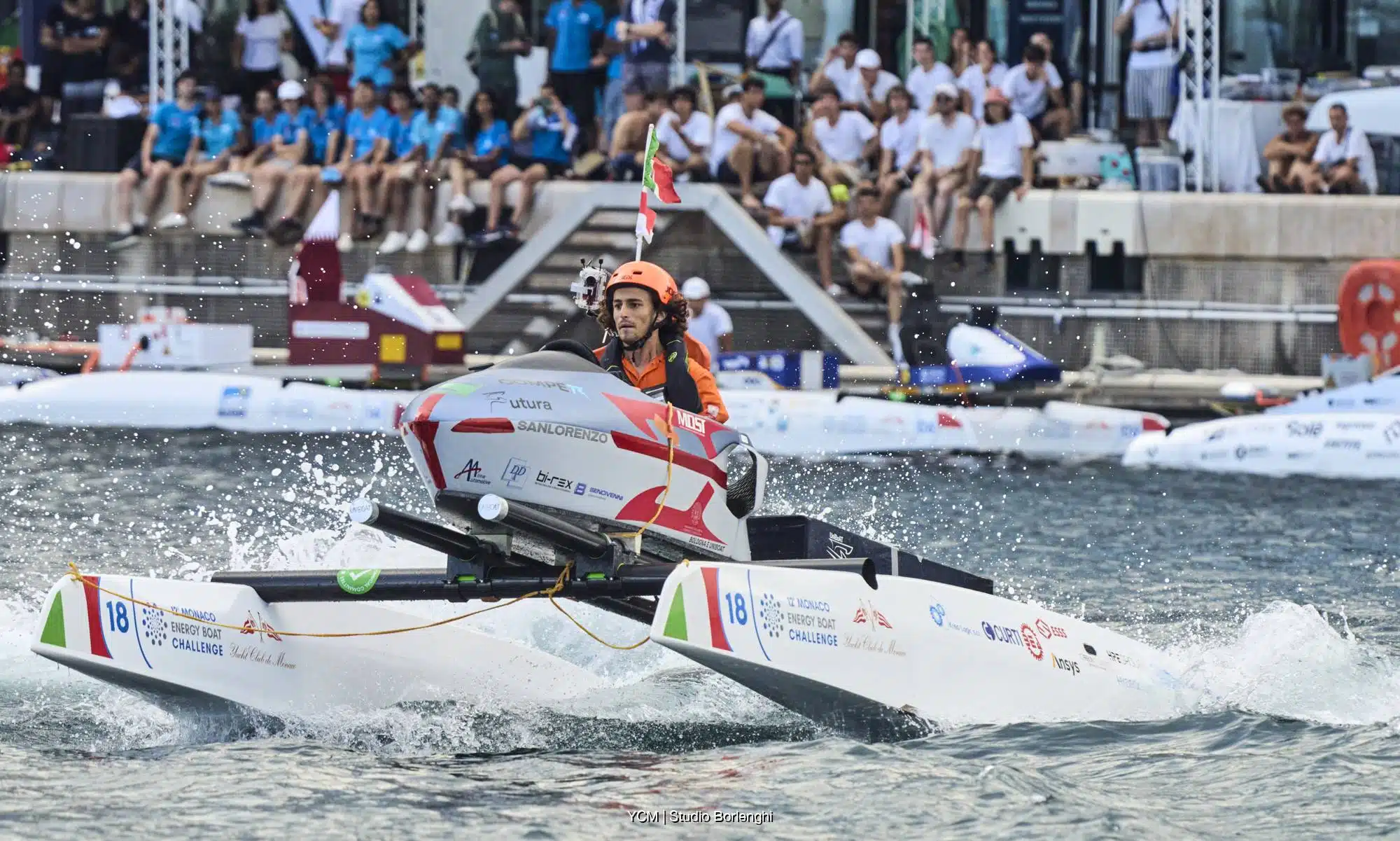
Competition runs across four classes. The Energy Class puts 26 teams in identical standardised hulls to compare propulsion systems directly, with entries exploring contra-rotating toroidal propellers, hydrogen-solar-foil hybrids, bio-based structural materials and AI-assisted real-time route optimisation. The AI Class, introduced in 2024 and growing fast, has 11 teams developing fully autonomous and AI-navigated vessels, some using LiDAR, neural networks and computer vision to operate without a pilot. The SeaLab Class gives six teams the freedom to explore technologies not yet commercially deployed, including a notable methanol fuel cell entry from Dutch team Solar Boat Twente and a liquid hydrogen hydrofoil from Delft. The Open Sea Xperience rounds things out with 16 CE-certified zero-emission boats that represent what is available, or nearly available, on the market today.
Alongside the racing, the four-day programme includes the Advanced Yachting Technology Conference, the 7th Alternative Fuels and Sustainable Yachting Conference, Tech Talks and a Job Forum connecting young engineers with the maritime industry.

For New Zealand boaters, the technologies being tested here are the same ones heading toward our showrooms. Worth following.