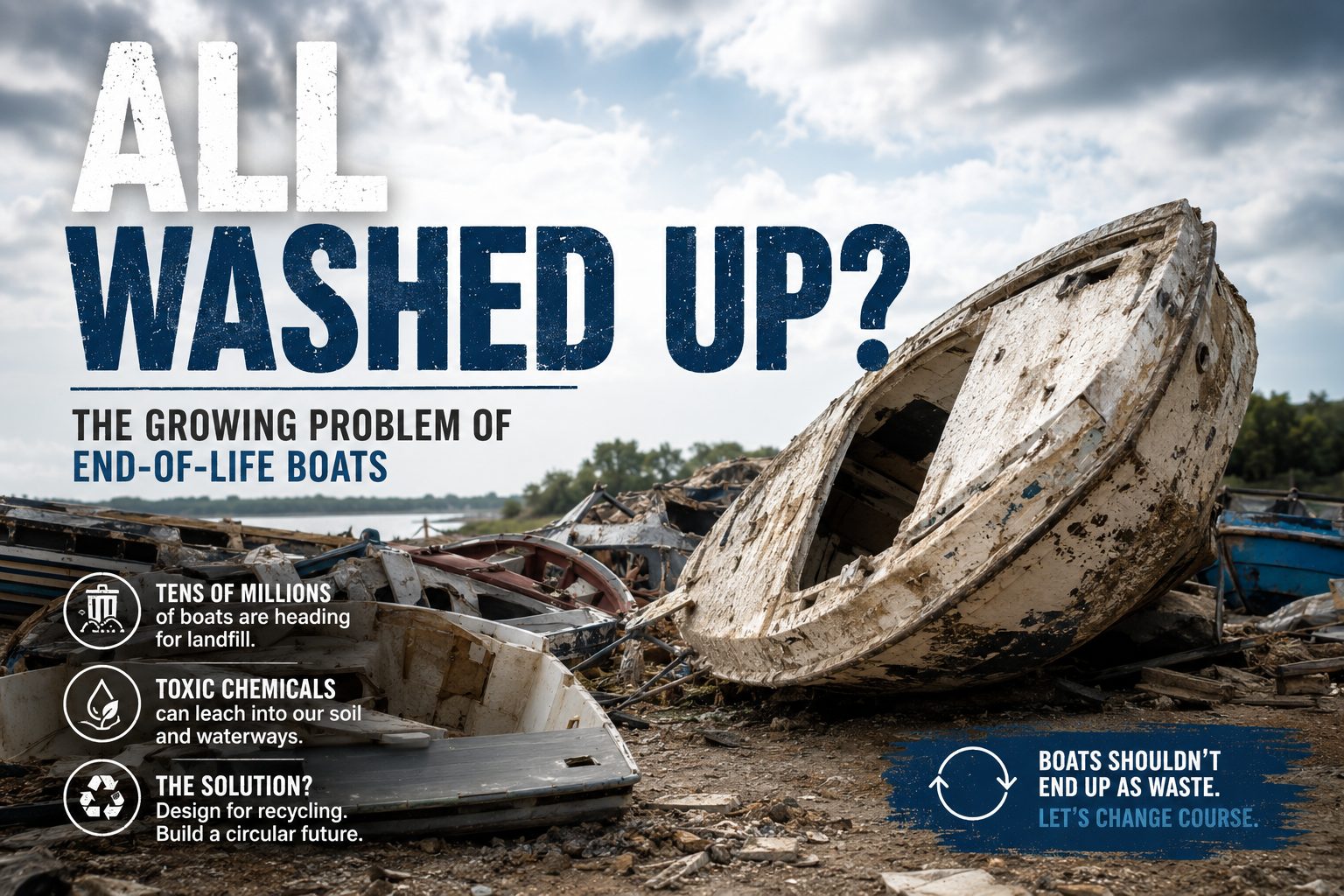
Back in 2018, we asked what happens to boats when they reach the end of their working lives. Eight years on, the most encouraging answer we’ve come across isn’t happening in a recycling plant. It’s happening on the water, boat to boat.
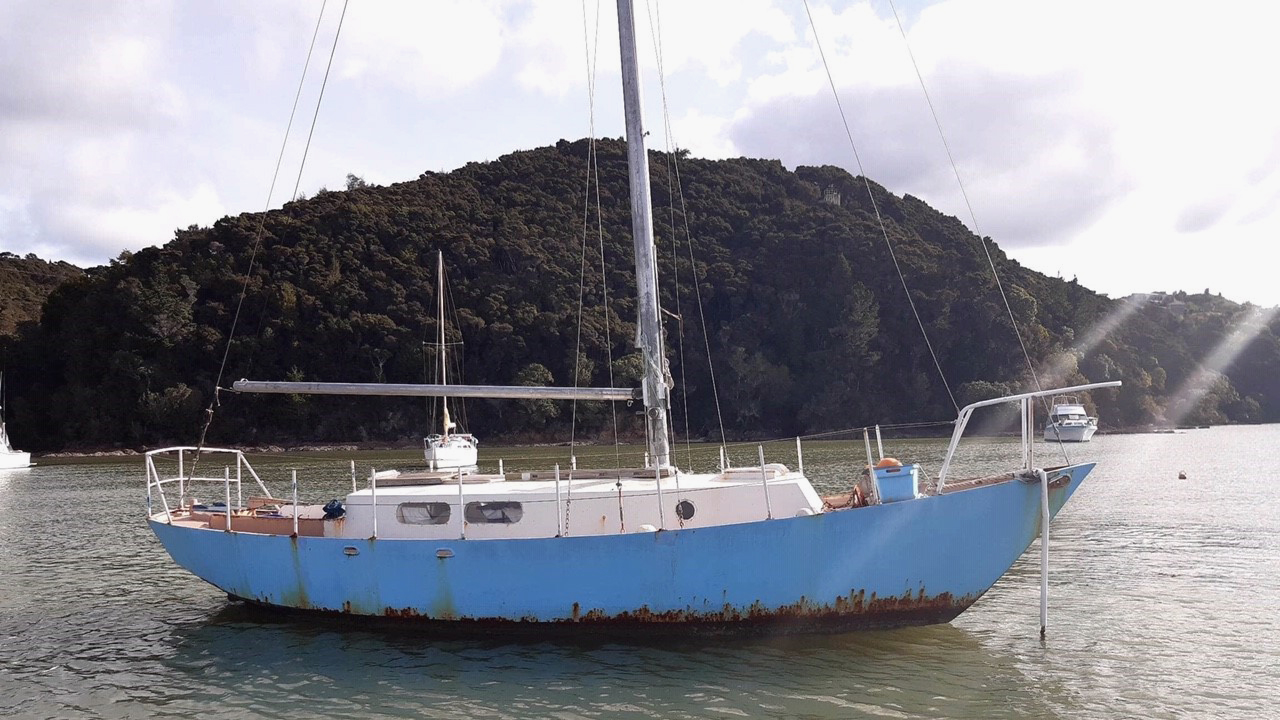
We’ve heard of two recent examples locally where older owners, no longer physically able to skipper a boat, handed theirs’ down to younger sailors rather than selling up or scrapping. The younger generation gets the boat without the upfront cost of buying one, and brings the enthusiasm and energy to refit and refurbish a hull that might otherwise have sat unused or gone to landfill. It’s a hand-me-down model rather than a disposal model, extending a boat’s useful life instead of ending it, and it costs nothing to set up beyond one owner knowing another boatie who’s keen.

It’s a small idea against a growing problem. New Zealand has one of the highest rates of boat ownership per capita in the world, and a huge slice of that fleet dates back to the boom years of the 1970s and 80s, when fibreglass production ramped up fast and boats were built in serious numbers. Many of those hulls are now pushing 40 to 50 years old. Fibreglass doesn’t fail the way steel or wood does. It doesn’t rust and it doesn’t rot, so a well-kept polyester hull can stay structurally sound for decades. Eventually, though, every boat runs out of road, whether through damage, cost of upkeep, or simply nobody wanting it anymore.
The problem is what to do with it next. Unlike a car or a fridge, a fibreglass boat has no straightforward recycling pathway once it’s not worth keeping. There is no dedicated processing infrastructure for composite hulls in New Zealand. Steel and aluminium craft are relatively easy to deal with, since scrap metal has an established market and existing recycling chains. Fibreglass doesn’t have that. The overwhelming majority of end-of-life boats here still end up cut up and buried in landfill.
A looming volume problem
Overseas, the scale of the issue is becoming impossible to ignore. France’s APER network, set up specifically to manage end-of-life recreational boats, processed a record number of vessels in 2025 as the country’s ageing fleet of 1970s to 1990s polyester hulls works its way through the system. Sweden and Japan have both built fibreglass recycling pipelines running close to two decades, and Ryds Båtindustri AB (Sweden’s largest boatbuilder) is now producing new boats using a meaningful proportion of reused, closed-loop fibreglass scrap (recycled fibreglass reused to make new fibreglass, not downcycled into something else.)
New Zealand doesn’t have anything close to that. Academic researchers looking at circular economy options for derelict recreational vessels across Australia and New Zealand have pointed to rising costs for local councils left to deal with abandoned or dumped hulls, and have argued for policy that puts more of the financial responsibility for end-of-life disposal back on owners and manufacturers rather than ratepayers. It’s a version of the same debate that led France to introduce a dedicated Eco Tax on recreational craft, a move that raised money for disposal but also made boat ownership more expensive at exactly the point the industry is trying to attract new, younger owners.
Australia is in a similar position to New Zealand. There is no federal or state legislation requiring recreational boats to be recycled, and no agreed definition of when a boat officially reaches the end of its life, so it largely falls to individual owners to sort out dismantling, salvage, or disposal themselves. Fibreglass hulls generally can’t yet be commercially recycled into new products there, so most of the effort goes into salvaging usable parts and recycling the metal components instead.
There’s also a slower-burning environmental angle. Ageing hulls sitting in marinas, on hard stands, or abandoned in estuaries can shed microplastics and leach chemicals into the water over time, adding to the pressure on already stretched coastal and harbour ecosystems.
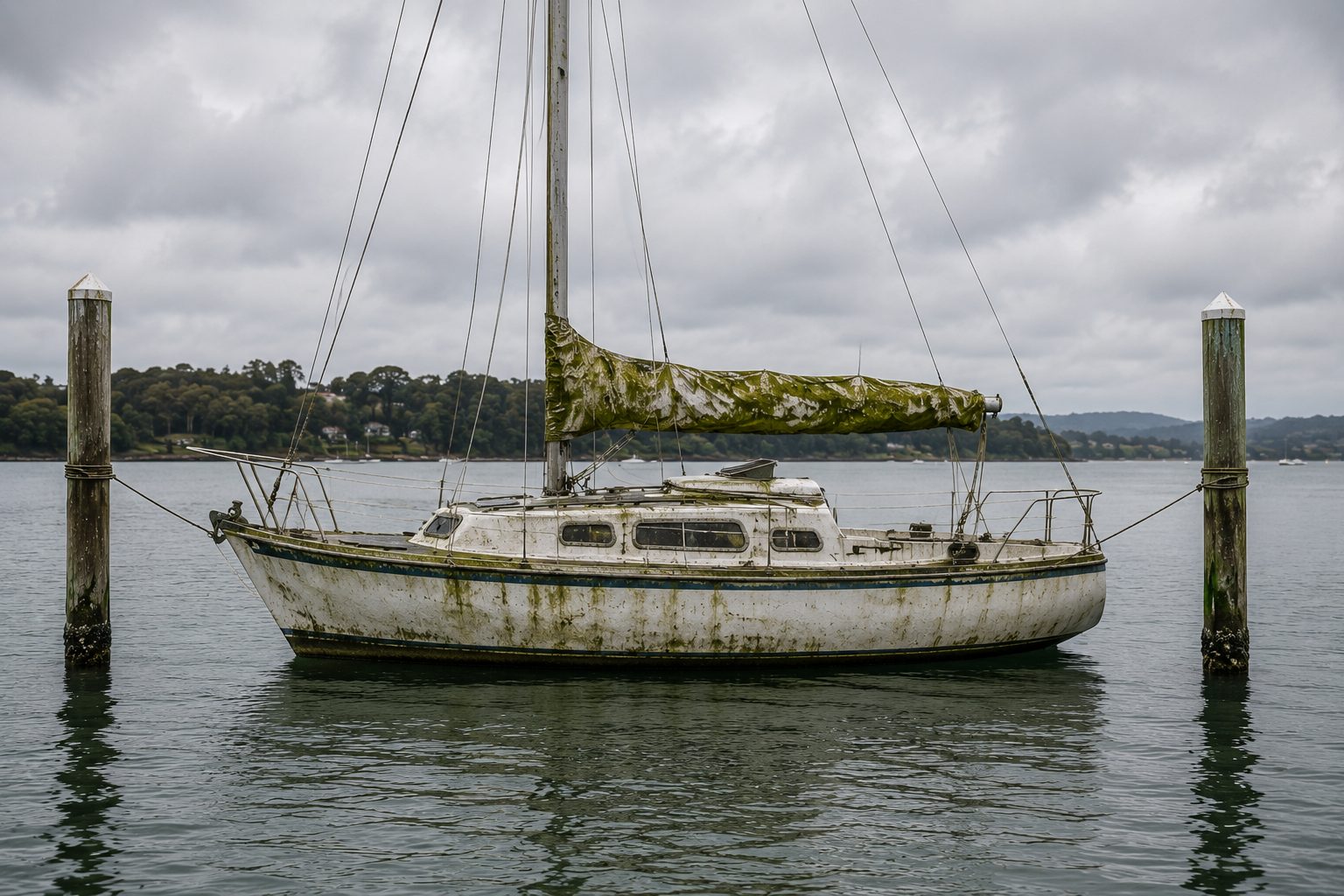
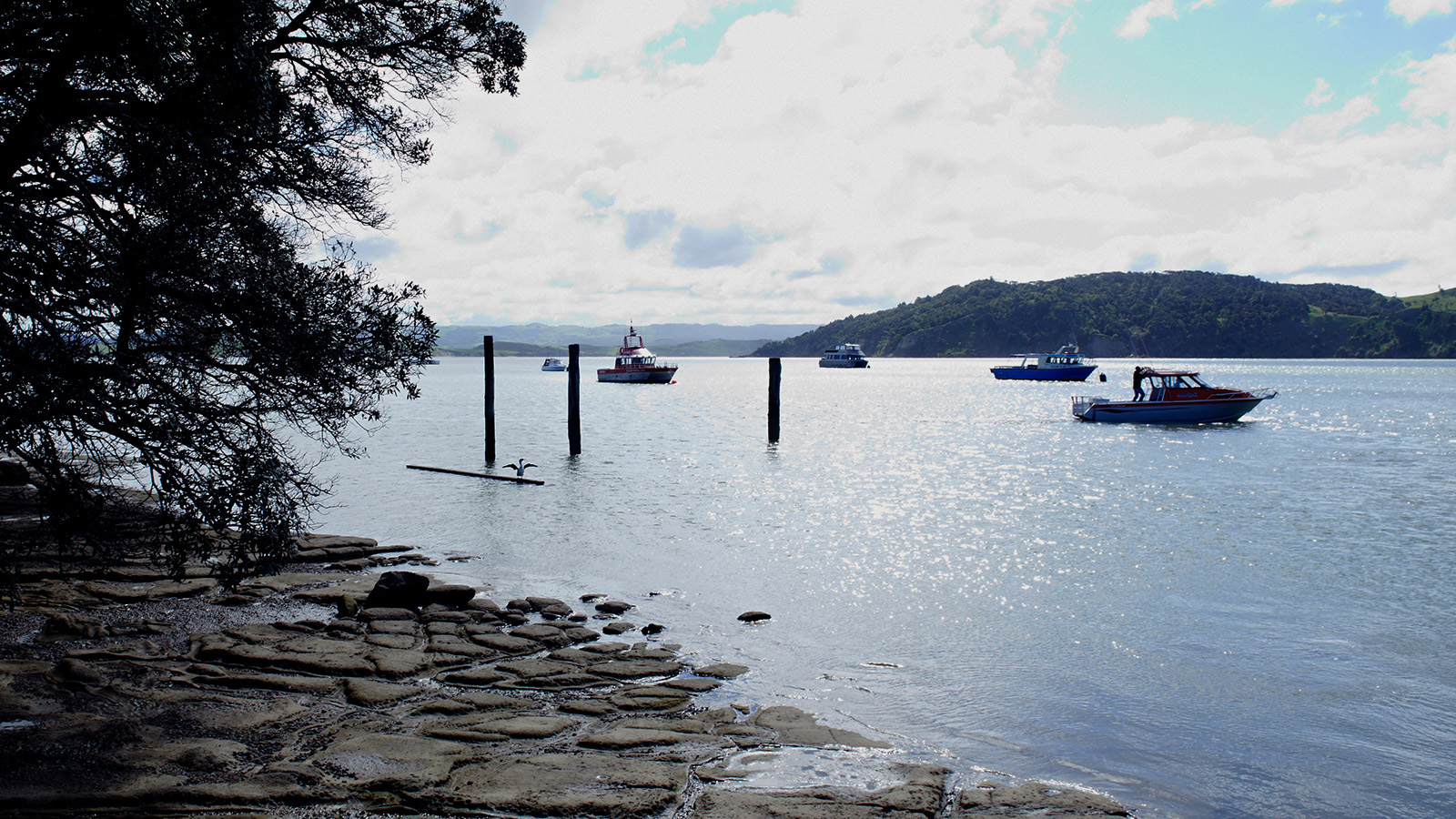
It’s a New Zealand-wide problem. For example, Waikato Regional Council’s Maritime Services team recovers around four sunken or grounded vessels a year from the region’s harbours, at a cost to ratepayers that can run from $5,000 up to $50,000 per vessel. Regional harbourmaster Chris Bredenbeck says most of these are very old, poorly maintained boats on the roughly 850 zoned swing moorings across the region’s harbours, often owned by people who can no longer afford the upkeep. Weather makes it worse. During Cyclone Gabrielle, six vessels in the Waikato broke free of their moorings and were grounded or sunk. Bredenbeck’s advice to owners is blunt: if a boat has had its day, get rid of it and free up the mooring for someone else, rather than letting it become a costly problem for everyone else to clean up.
Who handles it here?
For owners who do need to dispose of a boat rather than pass it on, there are more options in New Zealand than there used to be, even without a dedicated national scheme. Auckland Transport’s own boat disposal guide, run through the Harbourmaster’s office, makes one point clearly: it’s cheaper to dispose of an old boat properly than to leave it and risk it sinking, since if that happens the Harbourmaster will arrange salvage and the owner picks up the full cost. Waikato’s harbourmaster team offers the same message and can point owners toward professionals who can help.

On the ground, a handful of operators cover different parts of the job. For example, Marsden Metals Group, based in Northland, specialises in decommissioning and recycling marine vessels, handling everything from small craft through to larger commercial hulls. Mega Wreckers and Active Car Removal both buy unwanted boats for cash in the Auckland and Waikato regions and remove them free of charge, salvaging what can be reused. Marlborough Outboard Dismantlers, in Blenheim, focuses specifically on outboard motors, buying, selling, and stripping them for parts. And for boats that have sunk, run aground, or need pulling off rocks rather than routine decommissioning, Pacific7 handles marine salvage and recovery across New Zealand and the South Pacific. These are examples only, with numerous other companies offering services in this area.
None of this amounts to a fibreglass recycling industry. The hulls themselves still mostly end up in landfill once the metal, motor, and gear have been stripped out. But it does mean an owner looking to responsibly get rid of a boat has real people to call, rather than nowhere to turn.
The road ahead
None of this solves the hard end of the problem, the unseaworthy hulls with no further life left to give, which will still need somewhere to go. But it points to the two things New Zealand is missing: a proper processing pathway for fibreglass once a boat truly is done, and a stronger culture, like the hand-me-down examples above, of keeping usable boats in circulation for as long as possible before they get anywhere near that point.
The volume of boats reaching the end of their working lives is only going to grow. Getting ahead of it, rather than dealing with it one landfill load at a time, is going to take input from boatbuilders, owners, clubs, and government alike.