Satellite navigation, accurate weather forecasts and seaworthy vessels are a given in modern shipping. But a few centuries ago, when voyaging was mired in lore and superstition, sailors put their faith in a vessel’s figurehead – often a woman – for safety and to help ‘see’ the way.
Female figureheads? The irony is staggering. In the exclusively male seafaring world leading up to the late 19th century, a woman on a ship was a ‘no-no’. It was commonly accepted that having even one on board would annoy the sea gods and invite bad luck. Women brought nothing but trouble – even for the best ships and crews.
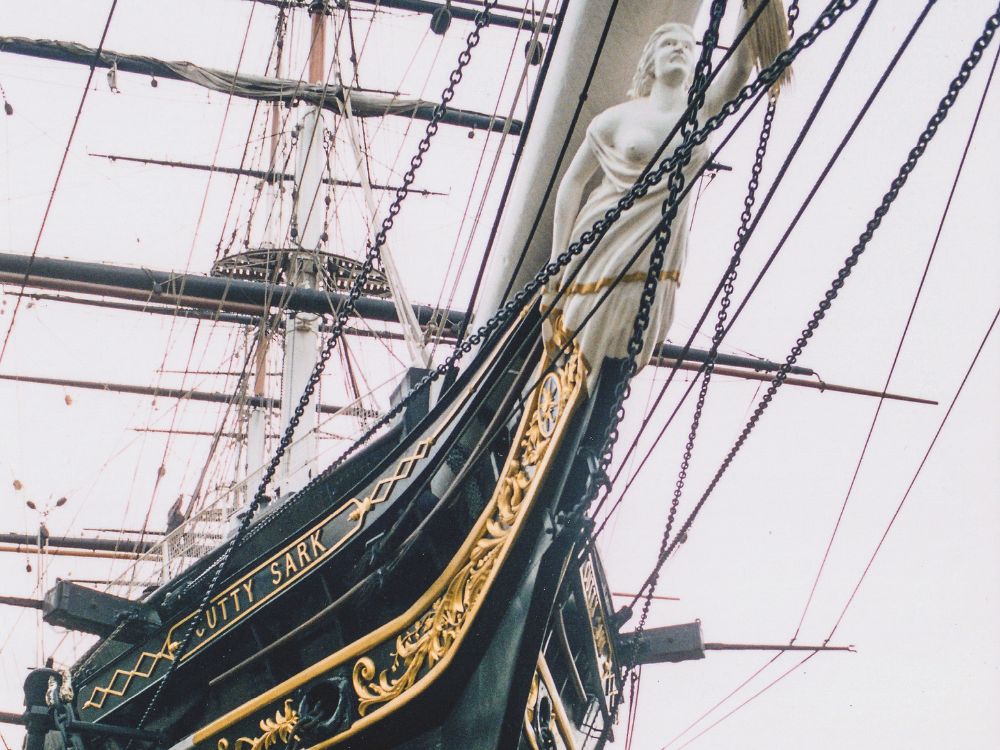
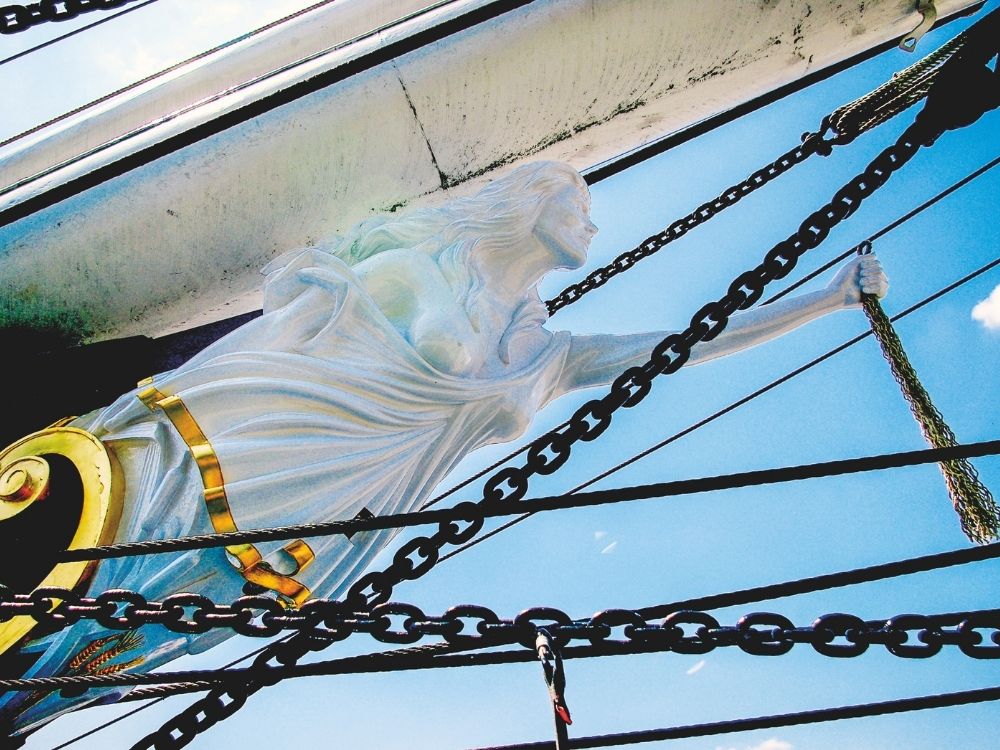
And yet, the bows of thousands of ships from the era were adorned with a female figurehead – many with bare bosoms. The thinking, it seems, is that a buxom, scantily clad woman would appease the pantheon of irritable, capricious (male) sea gods, thereby boosting the odds for fair weather and a safe passage.
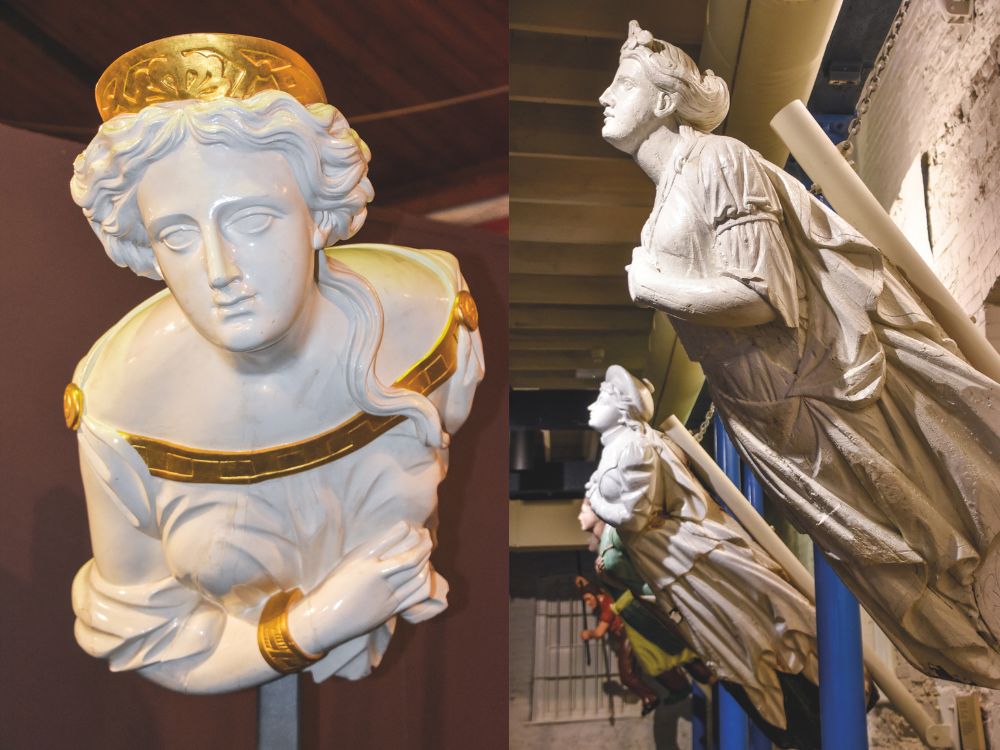
What’s more, these ladies were almost always depicted with large, prominent eyes. A feature believed to help the ship ‘see’ and avoid any potential dangers and, having successfully accomplished that, to guide the vessel home. Bug-eyed figureheads were useful when ships had limited manoeuvrability – especially with crews relying on rudimentary charts and relatively basic celestial navigation.

Figureheads also met a practical need in ports: a large, striking effigy was convenient for identifying a vessel in an age where most couldn’t read. Anyway, unlike today, few ships carried names on their stern or bow. Distinctive figureheads were useful for cargo deliveries, and helpful to inebriated sailors returning from shore leave.
And then – after centuries – it all evaporated quite suddenly. The shipping industry’s figurehead obsession died with the arrival of iron and steam in the late 19th century (vertical iron/steel stems without bowsprits weren’t ideal for mounting figureheads).
Besides, engines were more reliable than wind (sea gods had less influence on a voyage’s success). This shift was accompanied by an easing of the ‘risky-woman-syndrome’ – no doubt accelerated by the novel idea that female passengers paying commercial fares would add to the bottom line. But what triggered the figurehead tradition?



Legacy
Bow-mounted effigies have been engrained in seafaring for thousands of years, though initially the accent was on animals and mythological creatures – all designed to reflect a ship’s performance or, for a military vessel, the ferocity, might and bravery of. her crew. In the heat of battle, carvings portraying these qualities would intimidate an enemy.
Most of the early Mediterranean civilisations equipped their ships with figureheads. Egyptians and Phoenicians, for example, chose birds’ heads or horses – signifying 20/20 vision and speed. Greek and Roman ships carried boar’s heads or centurions – effigies designed to strike fear into the hearts of enemies.
Likewise, war-mongering Vikings opted for dragons and serpents. Lions – signifying speed, power and aggression – were universally popular. For non-military ships, dolphins and swans imbued a vessel with speed, agility and grace.
Variations occurred throughout Asia and the Pacific. In 18th and 19th centuries, for example, Burmese royal barges carried figureheads of important mythical characters. The prows of Māori canoes (and prows throughout Polynesia) were adorned with intricate carvings. A figurehead, it seems, was a universal phenomenon – reflecting an underlying belief in the ability of otherworldly beings to shape fate.
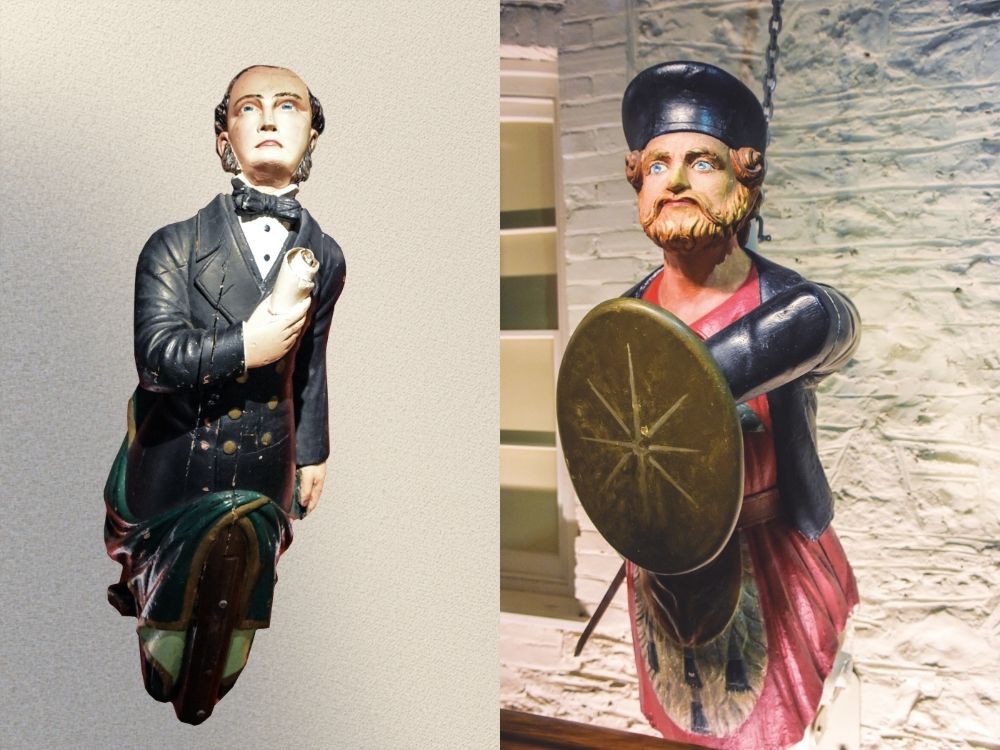
Over the centuries the popularity of animal/creature effigies waned, replaced by a shift to carvings depicting people. These typically featured characters from Greek/Roman mythology, military heroes and members of royal dynasties.
Later, some carvings reflected power and wealth – or, perhaps as a nod to the ‘behind-every-successful-man-stands- a-smart-woman’ truism – even the ship owner’s wife. These women presumably drew the line at having their bare bosoms displayed for all and sundry.
The evolving fashion notwithstanding, one feature remained common to figureheads over the centuries: a large pair of eyes. Spotting trouble ahead, side-stepping dangers before they happened and getting a ship home safely – an eagle-eyed figurehead brought good luck.
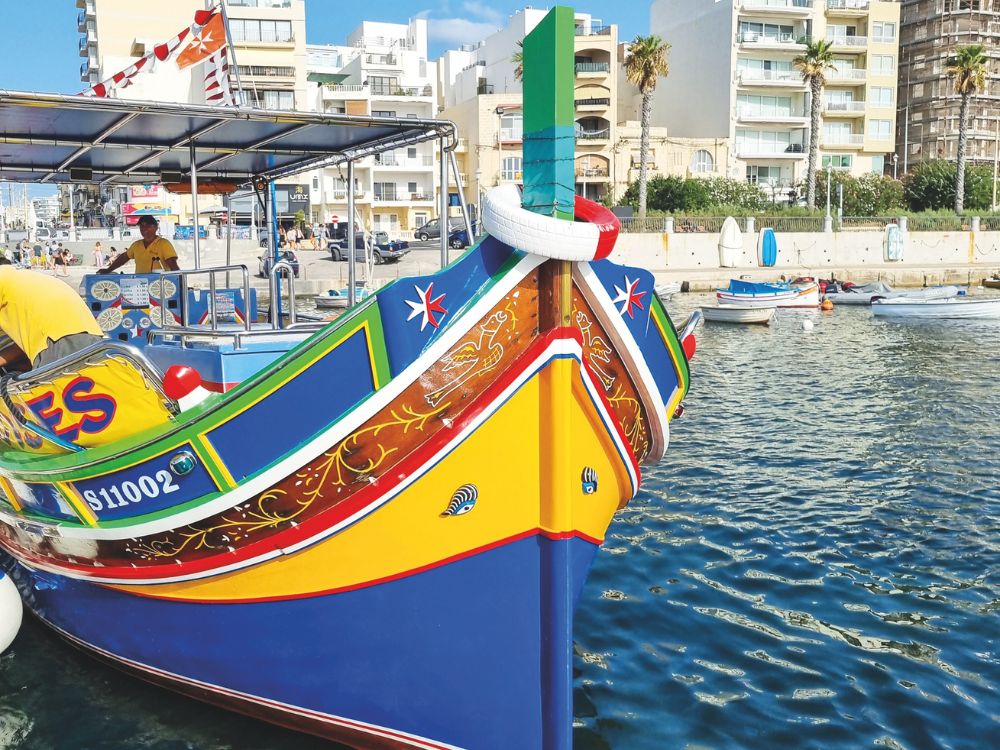
Even today the bows of many Mediterranean fishing boats are adorned with the ‘Eye of Horus’ – important for good navigation, safe passages – and for finding plentiful shoals.
The survivors
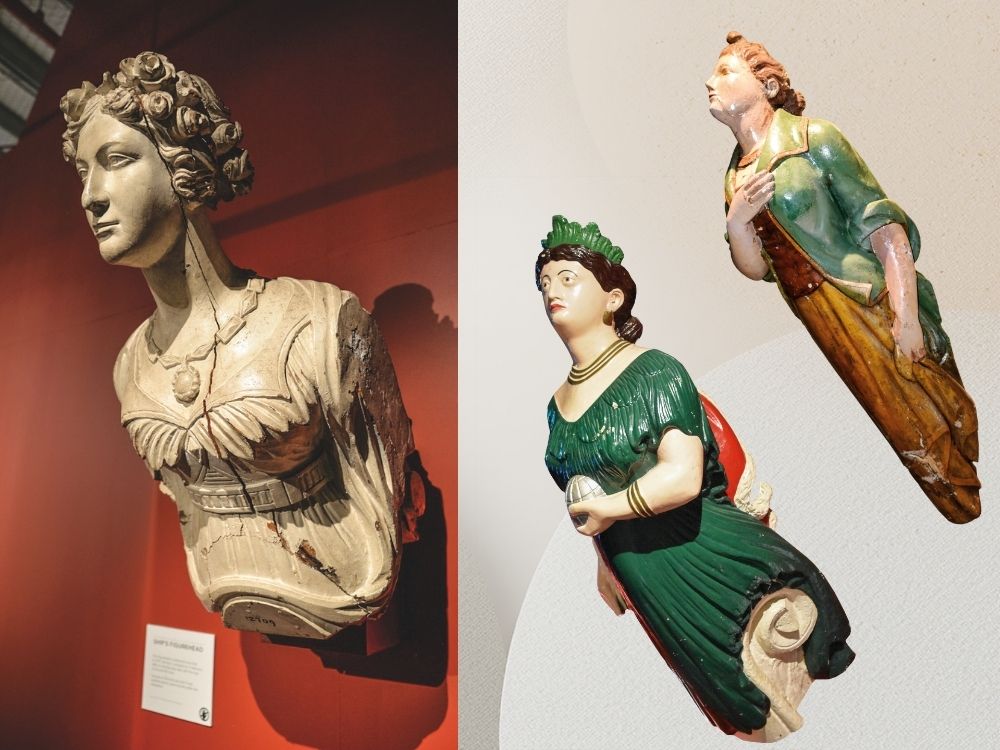
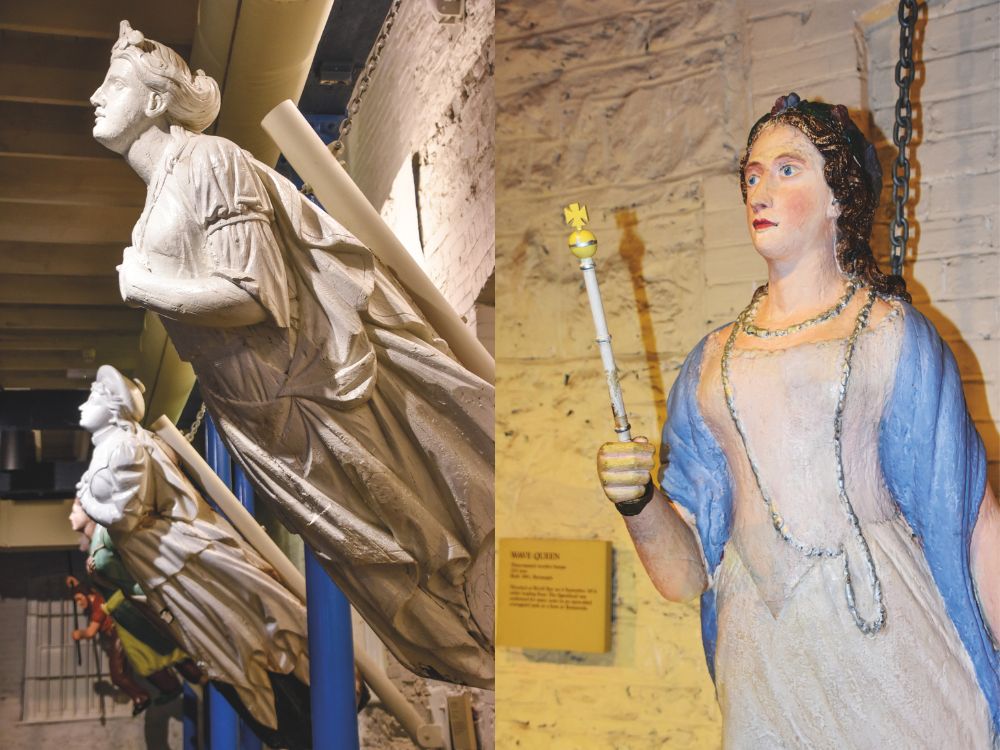
Very few figureheads remain today – restored examples are mostly found in museums scattered around the planet, and occasionally on heritage vessels. The world’s largest collection of figureheads (101 items) is housed at the Royal Museums in Greenwich, London.
Closer to home, there is an excellent collection (17) in Adelaide’s South Australian Maritime Museum – the largest exhibit of figureheads in the Southern Hemisphere. Most are from 19th century vessels that voyaged between Adelaide and the United Kingdom. South Australia’s rugged coastline is littered with shipwrecks, and the figureheads underscore the ‘lottery’ factor in the period’s maritime industry.
| The world’s largest collection of figureheads, with 101 items, is housed at the Royal Museums in Greenwich, London. |
The oldest among them is from the Ville de Bordeaux (1836). Others include the Garthneill (formerly Inverneill) built in 1895 and the Glenpark built 1897 (both from Glasgow shipyards). A very handsome Grecian lady is from the Star of Greece, wrecked off the coast of Port Willunga in July 1888.
New Zealand museums display numerous figureheads – examples can be found in Te Papa, Auckland Maritime Museum, Auckland War Memorial Museum, and the Lyttelton Museum. Some were salvaged from wrecks; others were rescued when vessels were dismantled at the end of their useful lives. At the time (before the concept of heritage and conservation gathered pace) figureheads were often recycled for buildings, garden furniture – or used as firewood.
New Zealand’s Garden History Research Foundation (www.gardenhistoryresearchfoundation.com) documents numerous examples of figureheads found in gardens around the country. Among these is the sad tale of the Hyderabad – wrecked in 1878. Her figurehead was a 12-foot Indian Rajah. It lay in a suburban garden for decades. But when the owner died the home’s new inhabitants, unaware of its value, chopped it up for firewood.
Auckland’s Maritime Museum figurehead exhibit includes one purported to be from the ill-fated corvette HMS Orpheus – wrecked on the Manukau bar in 1863, claiming 189 lives (it remains New Zealand’s worst maritime disaster).
Scholars are dubious about the object’s provenance, pointing out that it’s too small for the size of the Orpheus, and that the ship wouldn’t have carried a female figurehead. Orpheus was a (male) musician, poet and prophet in Greek mythology – logically, he would have graced the ship’s bow, not a woman.
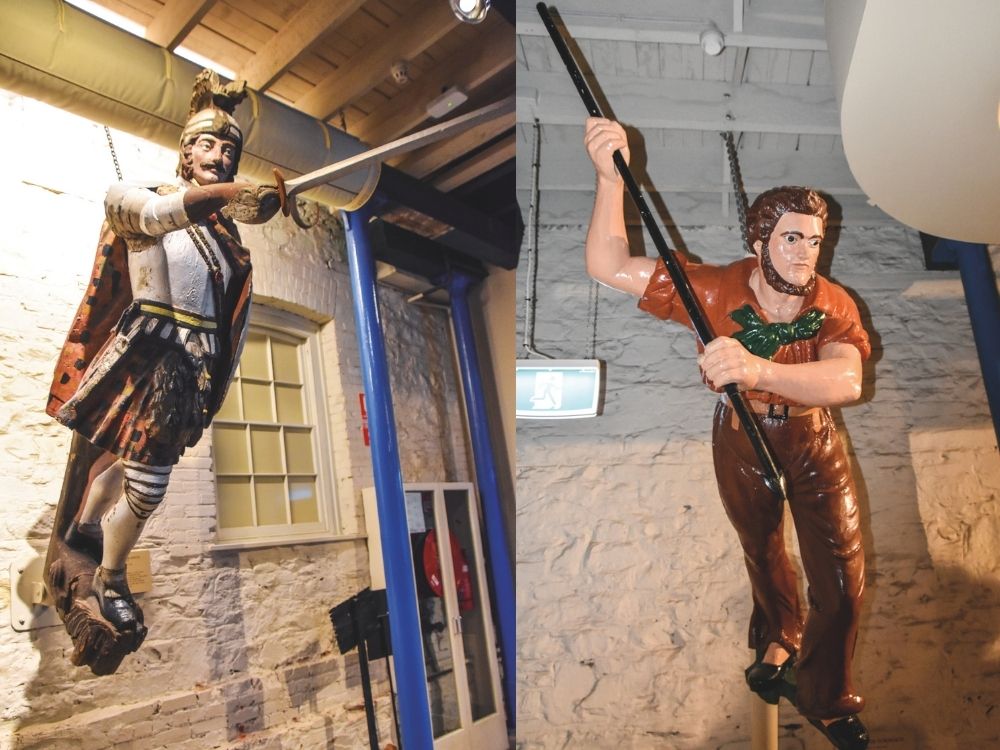
It should be noted that while many figureheads found in museums today wear multiple colours, plain white was more typical. Perhaps to denote purity? It would certainly have been a lot easier for the suspended painters tasked with slapping on a fresh coat.
Gazing upon a collection of figureheads underscores a fascinating, colourful, and international maritime legacy – albeit one shrouded in myth and superstition. They speak of a time when global voyaging was an adventurous enterprise, fraught with risk and reward.
Maybe the exposed bosoms and prominent eyes did guide scores of ships safely around the planet – but as the thousands of wrecks littering its coastlines attest – many figureheads could have done with a good pair of specs. BNZ
VISIT https://www.maritimemuseum.co.nz/