Thirty years ago, a defender trial in San Diego produced a result few expected. The women of Mighty Mary beat Dennis Conner in a race that should have eliminated him from the America’s Cup. The result stood. Its consequence did not.
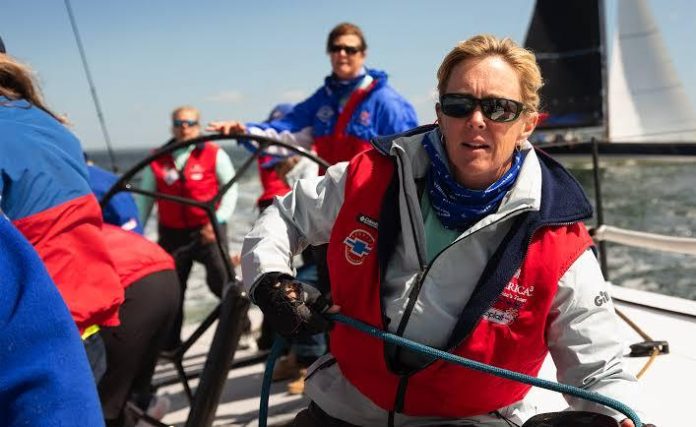
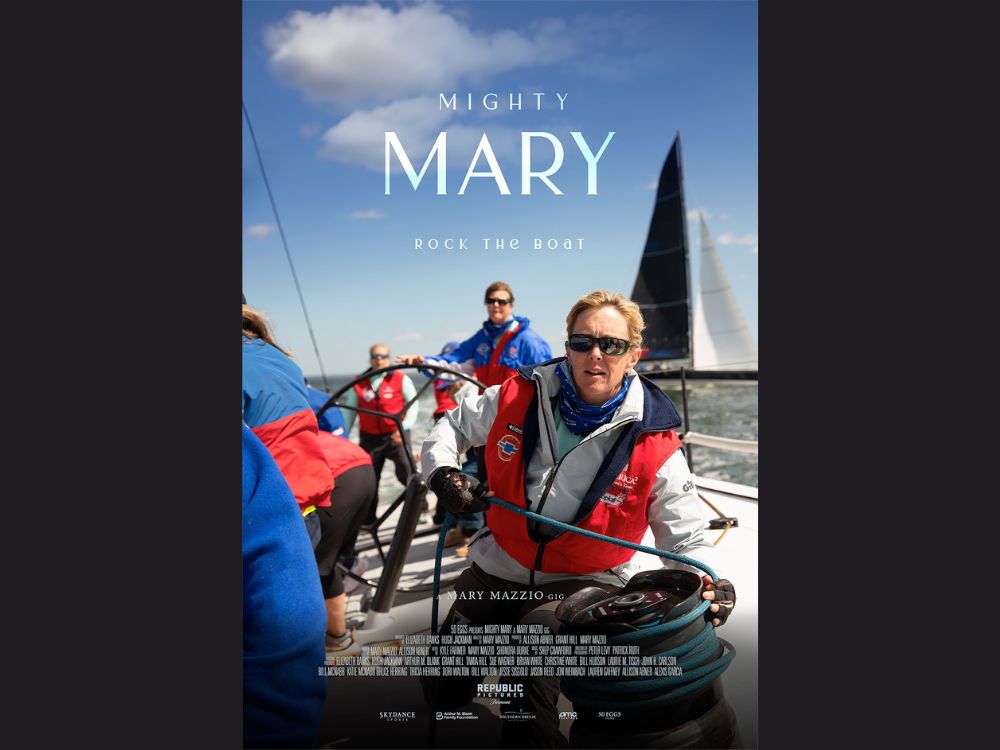
A new documentary is about to put that story in front of audiences again, and it carries a direct line back to Team New Zealand’s first America’s Cup win. Mighty Mary opens in American cinemas from 11 September, distributed by Paramount’s Republic Pictures and narrated by Hugh Jackman and Elizabeth Banks. It tells the story of America³, the women’s syndicate assembled by businessman Bill Koch to defend the 1995 America’s Cup. At the helm was Leslie Egnot, the New Zealand Olympic medallist who became the first woman to skipper and helm an America’s Cup campaign in competition.
A team built from an advertisement
Koch, who had won the Cup in 1992, announced his all-women’s programme in March 1994. An open call in the New York Times drew more than 600 applicants. The syndicate that emerged included Olympic rowers, a weightlifter, a bodybuilder, a deaf sailor and a Native Hawaiian sailor, working under team captain Dawn Riley. They began the campaign on the 1992 yacht America³, before a new boat, christened Mighty Mary for Koch’s mother, arrived in time for the fourth round robin of the Citizen Cup, the regatta that would decide which syndicate defended the Cup against that year’s challenger.

Egnot at the helm
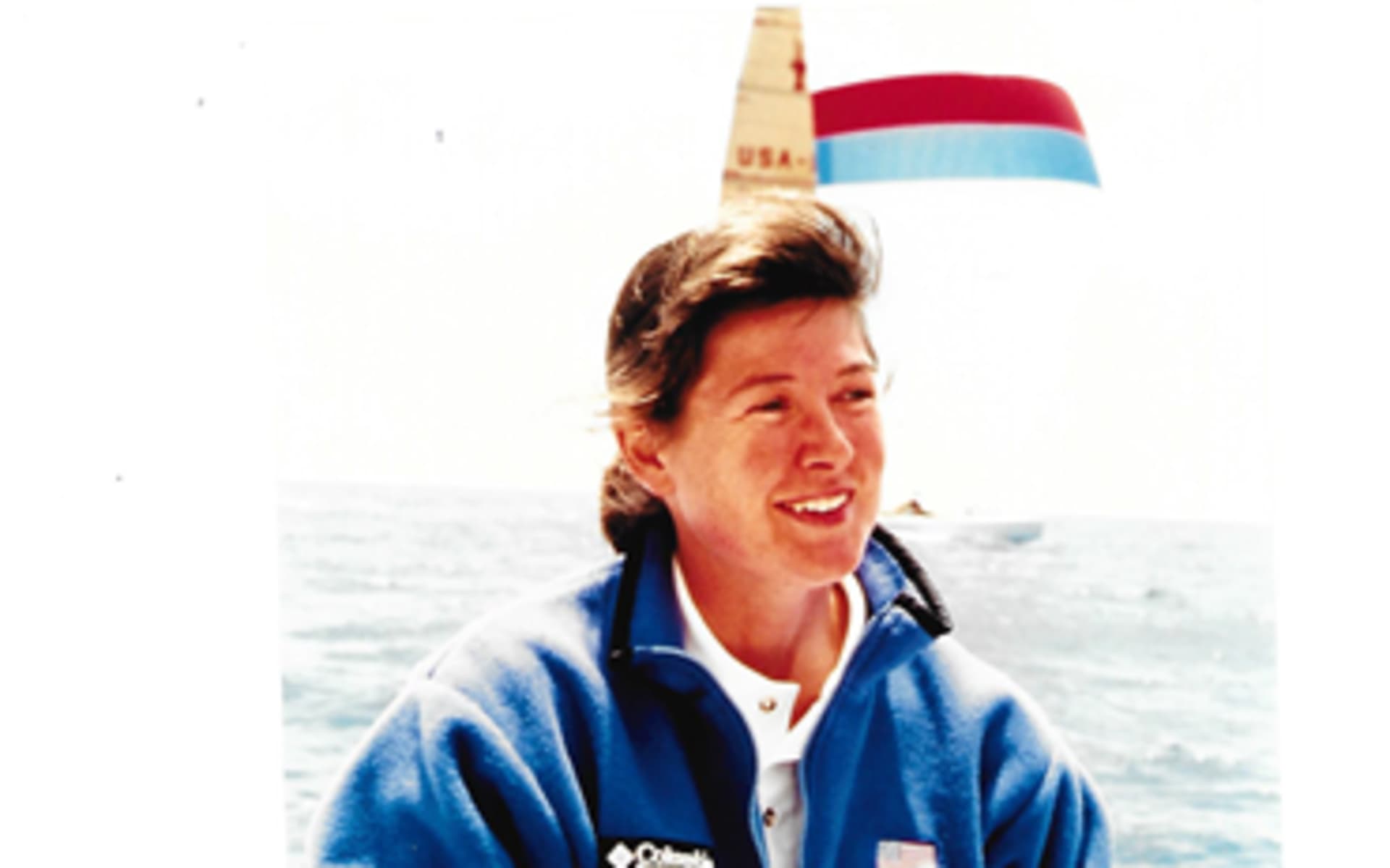
Egnot arrived in San Diego with a silver medal from the 1992 Barcelona Olympics, won in the women’s 470 class alongside Jan Shearer. She was given the helm early in the America³ campaign and kept it through to Mighty Mary. Her crew beat Dennis Conner’s Stars & Stripes in their very first race of the regatta, a result that forced the rest of the fleet to take the syndicate seriously. Egnot has since said she sailed most of the campaign with a shoulder injury, one she carried through to the 1996 Atlanta Olympics, where it limited her to a 16th-place finish before surgery revealed the extent of the damage.
The compromise that changed everything
By the semi-finals, America³ had found form. In what should have been the deciding semi-final race, they beat Conner’s Stars & Stripes outright, a result that under the original format would have eliminated him. Tactician Dave Dellenbaugh, the only man aboard the otherwise all-women crew, had joined for that final round robin. Instead of a two-boat final, a deal already struck between the three syndicates saw all of them, America³ (racing as Mighty Mary), Stars & Stripes and Young America, advance regardless. Koch later said he deeply regretted agreeing to it.

Stars & Stripes went on to win the Citizen Cup outright and earn the right to defend the America’s Cup. Conner’s syndicate then made a further, and more consequential, request: rather than sail their own boat, they asked to defend using Young America, the yacht widely regarded as the fastest of the three. The request was granted.
Team New Zealand’s five-nil answer
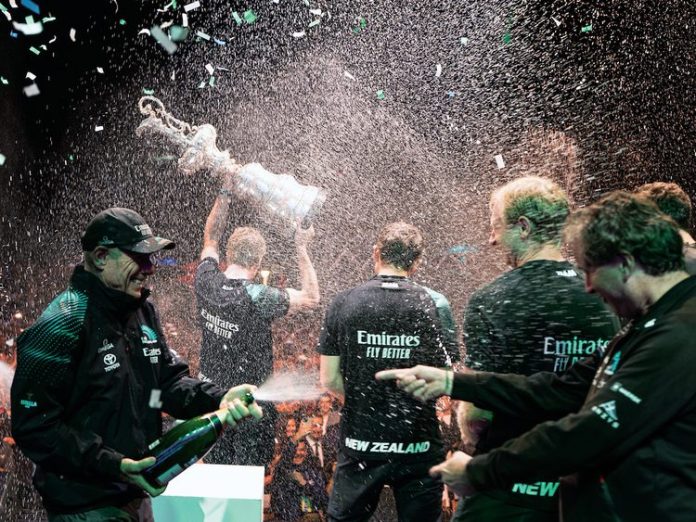
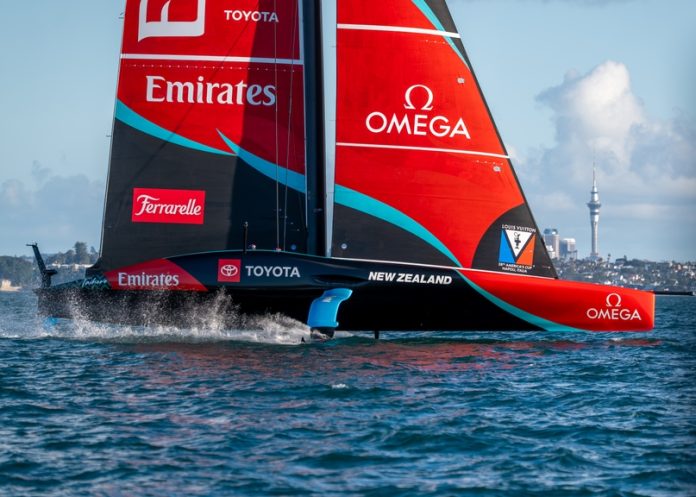
That decision did not work out as Conner’s syndicate hoped. Team New Zealand’s Black Magic, with Russell Coutts at the helm and Peter Blake leading the campaign, swept Young America five races to nil to win the America’s Cup for New Zealand for the first time. It remains one of the defining results in this country’s sailing history.
Back on screen, thirty years on
Mighty Mary is directed by Mary Mazzio, a 1992 Olympic rower and founder of 50 Eggs Films, and produced by Mazzio, Allison Abner and Atlanta Hawks owner Grant Hill, in partnership with Skydance Sports. It premiered at the Nantucket Film Festival in June, where Mazzio received the festival’s Maria Mitchell Visionary Award, and opens in select AMC cinemas across the United States from 11 September.
For a campaign that came remarkably close to changing who defended the America’s Cup, Mighty Mary finally gets a wider audience. For New Zealand readers there is another layer to the story. While Peter Blake, Russell Coutts and Black Magic were fighting their way toward the Cup, a New Zealand Olympic medallist was on the other side of the draw, steering the boat that nearly knocked Dennis Conner out before he got there.