Waikato Regional Council will give aquatic pest plant control at Lake Karāpiro a funding injection, approving an additional $85,000 for the 2026/27 hornwort spraying programme.
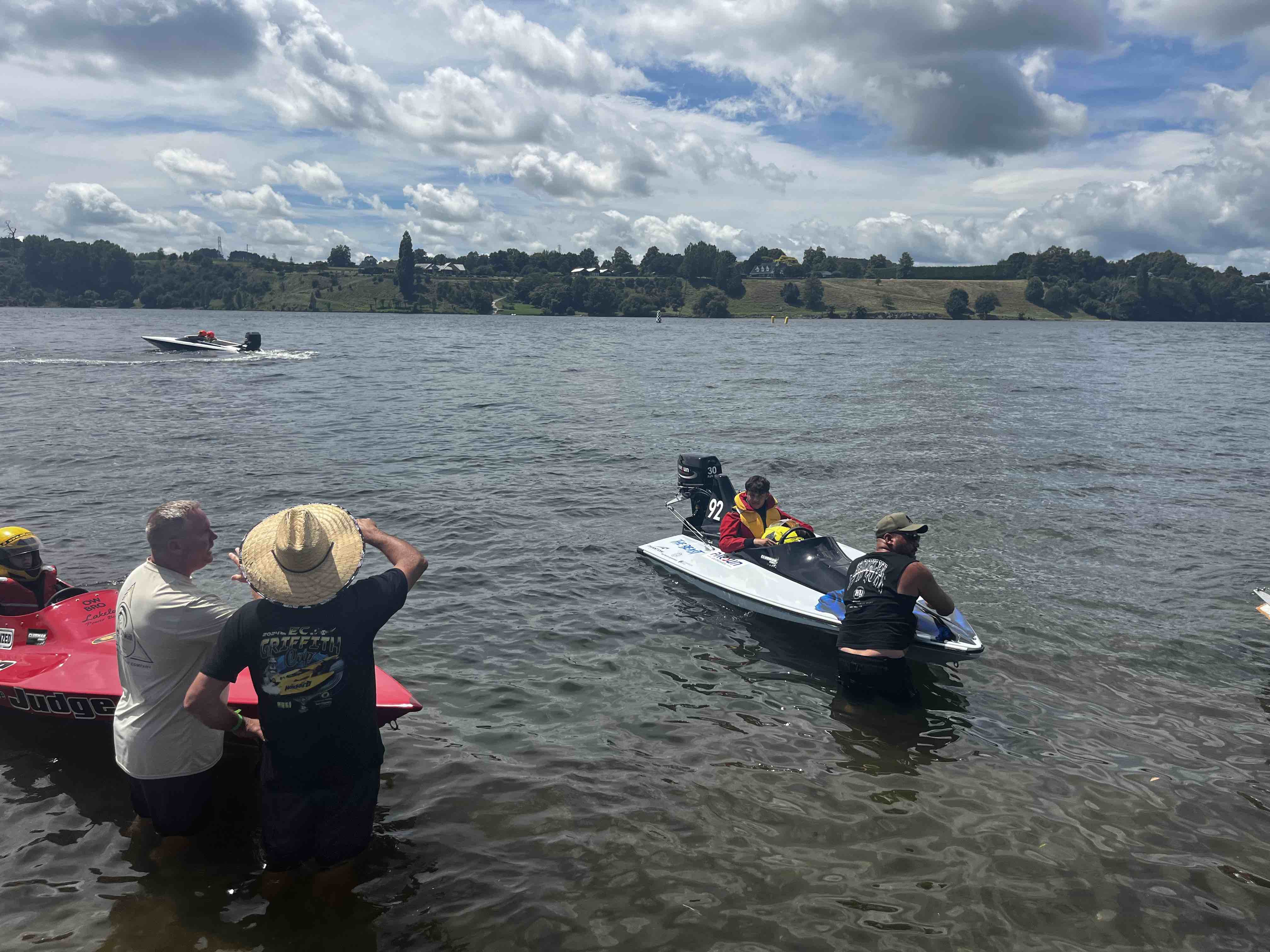
The decision was made following a deputation to the September council meeting, led by Waipā District Mayor Mike Pettit. He told councillors Lake Karāpiro is a nationally significant asset supporting recreation, rowing, waka ama, hydro-generation, cultural values and community use.
“These values are increasingly threatened by the spread of hornwort, one of New Zealand’s most invasive aquatic pest plants.”
He said hornwort growth is accelerating, with stakeholders reporting a noticeable increase since the arrival of the invasive freshwater clam, Corbicula fluminea, in the Waikato River system.

Maintaining control of hornwort is critical to ensuring continued access to the lake, protecting native aquatic ecosystems, preserving amenity values and reducing the risk of the weed’s spread to other waterways, Mayor Pettit said.
“Funding has declined as the problem has increased. I’m convinced if we up our game here, others will come on board. Hope is not a strategy.”
Councillors heard that protecting Lake Karāpiro from escalating hornwort growth is not only an environmental issue but also an investment in safeguarding the region’s sporting reputation, tourism sector, local businesses and economic resilience.
Economic analysis commissioned by Karāpiro Rowing Inc was shared with councillors, showing its activities generate an estimated $22.8 million to $32.6 million in regional GDP annually, supporting the equivalent of 260 to 380 jobs across the Waikato region, depending on the major event cycle.

An estimated $10 million is also generated per annum from waka ama.
Rowing NZ’s Simon Wickham told councillors if the weed is not managed, “what is a treasure, the lake and water, the strategic advantage and envy of the world, the worst case scenario is we have to go elsewhere for events and the national programme. It’s not being dramatic, that’s the reality”.
After discussion, the funding request was approved unanimously by councillors for the 2026/27 year, coming out of biosecurity reserves, with a decision on whether to provide ongoing funding to be made through long term plan budget setting discussions early in 2027.
Waikato Regional Council Chair Warren Maher said, “Lake Karāpiro is one of the Waikato’s premier recreational and sporting assets, attracting thousands of athletes, spectators and visitors each year while supporting significant economic activity across our region. Councillors have agreed to support this funding request because effective hornwort control is essential to protecting the lake’s environmental health, maintaining access for users, and safeguarding the national and international events that make Karāpiro such an important destination.
“By partnering with other agencies and stakeholders, we’re helping ensure Lake Karāpiro remains a thriving community, sporting and environmental asset for future generations.”
He added: “We note that our region is experiencing increasing biosecurity incursions in both water and on land. We look forward to more investment from central government along the lines of what’s been committed by the Minister of Conservation for Whangamarino wetland and the promise of more investment in the control of koi.”
The additional funding will enable two herbicide applications of approximately 90 hectares each prior to Christmas and in late summer.
The decision also comes off the back of an inaugural Lake Karāpiro Biosecurity Forum attended by members of the community on Wednesday evening. It included guest speakers from Earth Sciences New Zealand, Toitū Te Whenua – Land Information New Zealand (LINZ), the Ministry for Primary Industries, Waikato Regional Council and Waipā District Council to discuss practical strategies for managing hornwort and the invasive freshwater clam.

The lakeweed control programme has been in place since 2007 and is coordinated by LINZ, working with Waipā District Council, Waikato Regional Council, Mercury Energy, mana whenua, Auckland Waikato Fish & Game, and Boffa Miskel.
This meeting was livestreamed and recorded. Follow the discussion and decision-making: https://www.youtube.com/live/zASnvFpEqIE
To view this release online: waikatoregion.govt.nz/news