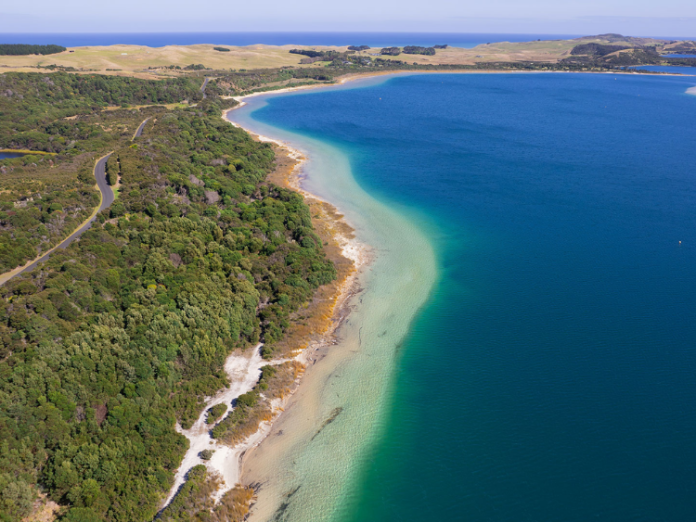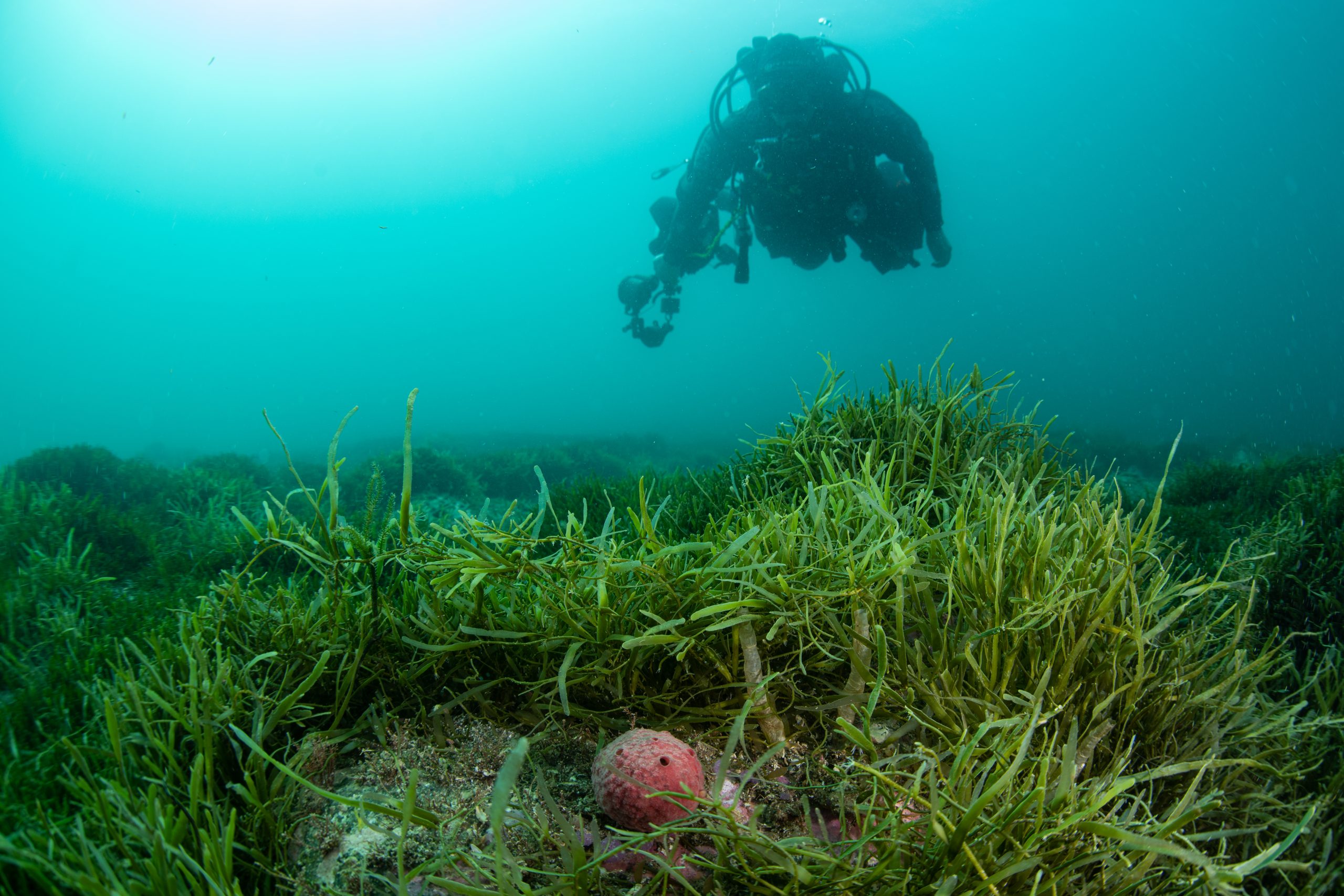
Exotic caulerpa remains present across Northland, the Hauraki Gulf and Coromandel, with infestations generally low in density.
Biosecurity New Zealand’s latest annual report covers the management programme’s work during the 2025–2026 financial year. Sparse regrowth has appeared at several sites following widespread declines in biomass during 2024–2025.
Surveillance, pathway management and targeted, locally led removals formed the core of the programme’s response. Research, treatment tools and education also feature in the report.
For boaties, pathway management remains particularly relevant, with efforts focused on limiting the weed’s spread between locations.





The report also outlines the Exotic Caulerpa National Strategy, released in late 2025, and a steering group being established to oversee implementation.
For the detail on detections, research and management work, read the full Exotic Caulerpa Annual Report 2026.
Caulerpa is quieter, but still spreading
Less weed does not mean the threat has passed. Biosecurity New Zealand’s latest annual report records new detections, returning growth and findings that matter for our cruising grounds.
The highlights
- Its footprint is growing. Ten new detection events included the first confirmed records within Whangārei Harbour.
- The decline was temporary. Biomass fell by up to 95% at several sites. Regrowth appeared from February 2026.
- Young snapper avoided affected seagrass. This was the strongest ecological impact identified. Other measured impacts remained limited at current densities.
Things you might not know
- Disappearing plants may have reproduced. Sexual reproduction caused rapid parent plant collapse in laboratory research on Caulerpa parvifolia.
- Darkness does not necessarily kill it. Caulerpa sods survived up to 16 weeks without light, then restored photosynthesis.
- Tiny grazers could play a part. Green bubble snails fed on caulerpa at densities reaching thousands per square metre. Their potential needs investigation.