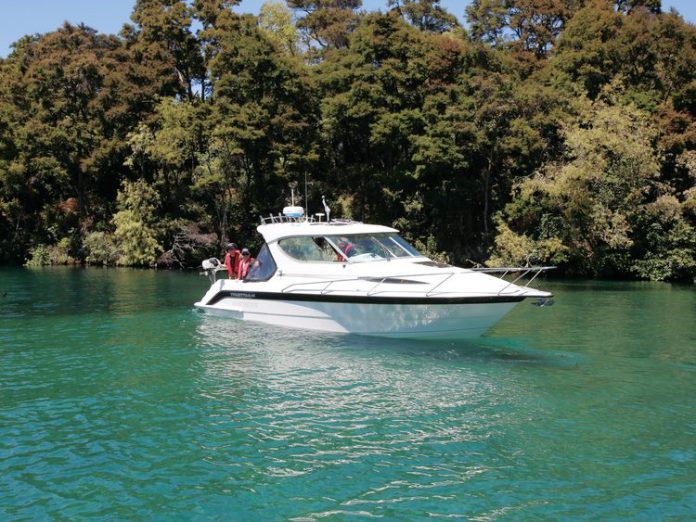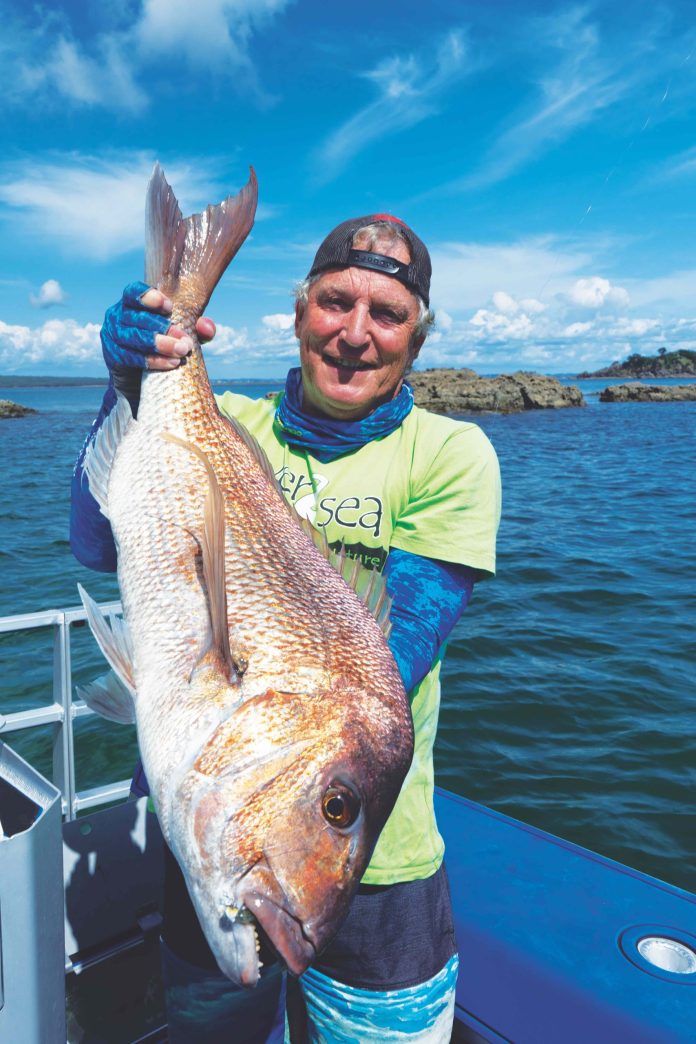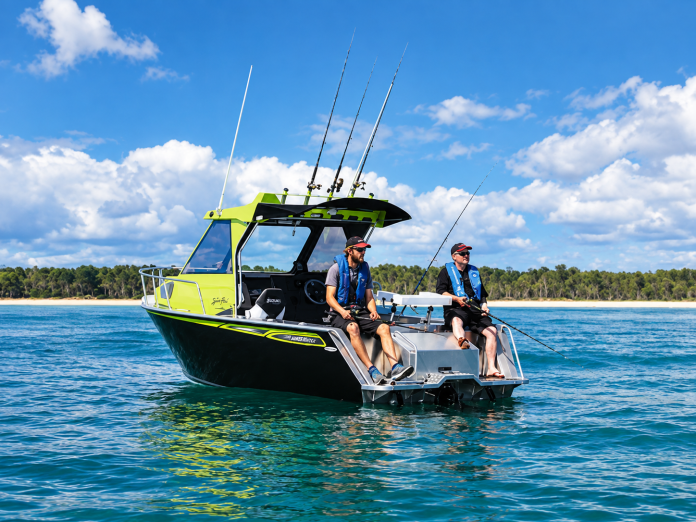
People fish from all sorts of boats both large and small. Many anglers prefer small boats, others larger vessels. Mark weighs up the pros and cons of both.
I love fishing from boats, and over the years I’ve been lucky enough to catch fish from craft of all sizes, from tiny inflatable float-boats to 70-foot launches. So which vessels provide the best results? Well, obviously, that will depend on your fishing preferences, the level of comfort you’d like to enjoy, and the depth of your pockets.
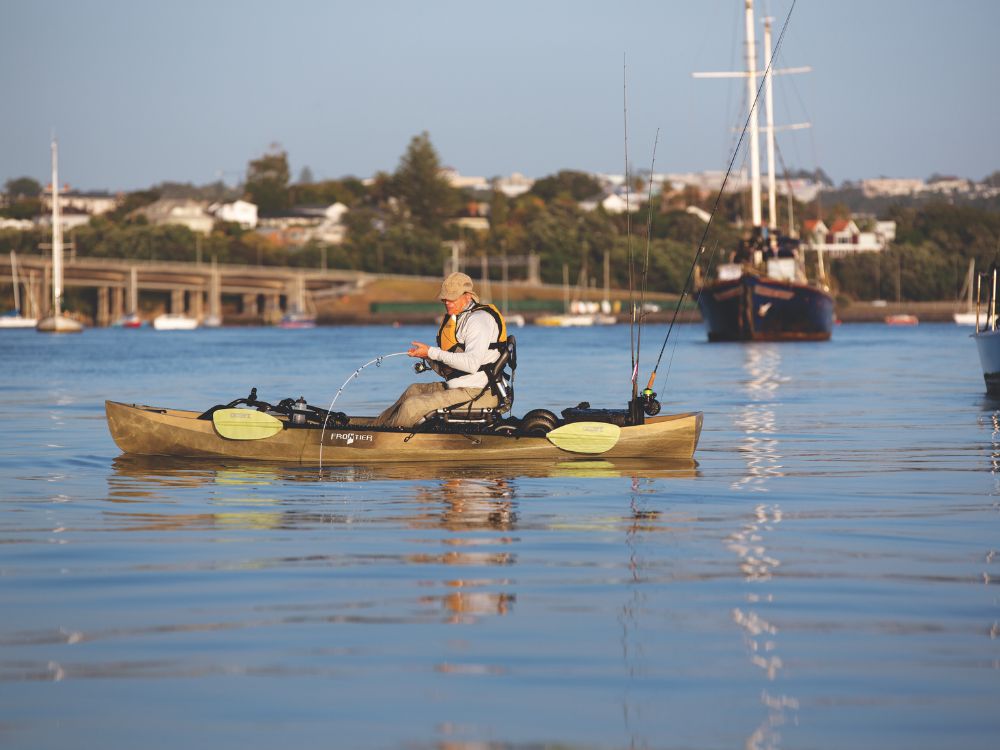
Pocket rockets (less than 4.5M)
These compact craft include kayaks, jet-skis, dinghies, tenders and small inflatables, and small tinnies.
Advantages:

- Easy to store and transport, as well as launch, retrieve and operate
- Cheap to fit out, maintain and run
- Quick to organise, allowing spontaneous fishing trips
- Often able to be launched from beaches or other locations without ramps, and may even be stowed on board much larger vessels or trailed behind them until needed
- Dinghies and kayaks can provide physical exercise when rowed or paddled
- Great for single anglers, or taking one good mate or family member fishing
- The small profile and on-water ‘footprint’ mean nearby fish are less likely to be frightened off by the shadow and noise overhead, especially when fishing in shallow water. Similarly, windage is minimal, reducing the need for a drogue when fishing on the drift
- Small craft tend to be relatively open, so you can cast in any direction, and easier to fight fish from, wherever direction they swim
- Large fish can drag kayaks and jet-skis through the water, which tires them more quickly. And because a more vertical line angle can be maintained, anglers are less likely to get busted off on structure – a big plus when fighting kingfish
- Quick and easy to clean at the end of the session.
Disadvantages:
- Limited to nearshore and/or calm conditions (except jet-skis)
- Little or no protection from the elements – sunburn, frozen/sodden anglers at times
- Minimal storage for tackle, electronics, and the catch
- Often unstable, making standing up and fishing risky or impossible, and limiting tackle choice to modest line strengths
- More chance of being tipped over during beach launching or retrieving
- It’s hard to keep fishing tackle protected, so reels often get wet, especially when used from kayaks and jet-skis, leading to corrosion damage over time.
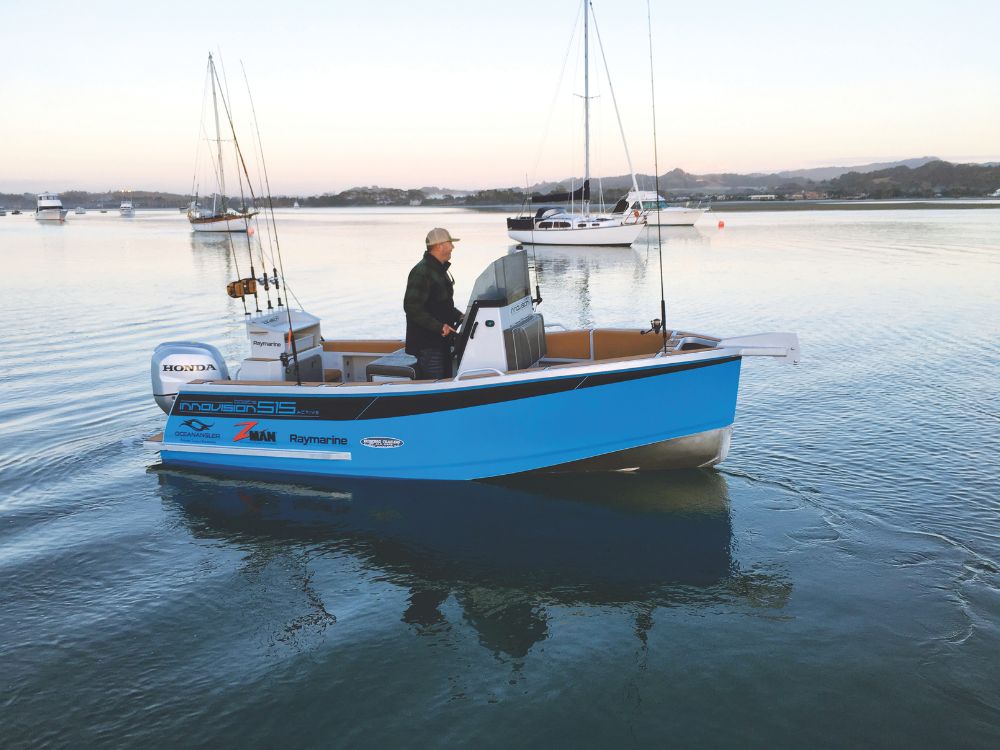
Mid-range (4.5M-7.5M)
Advantages:
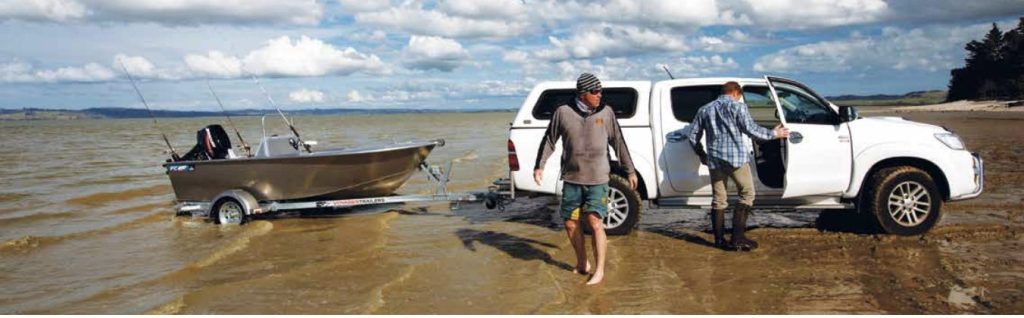
- Still towable and easy to launch and retrieve from most ramps
- The amount of pre-trip organising required is acceptable
- Generally capable of reaching the better fishing locations, with the vessel’s sea-keeping capabilities, sea conditions, and the skipper’s experience determining the realistic limits
- Reasonably affordable to run, depending on the motor used and the number of people chipping in for fuel
- Decent space for tackle, electronics, fish storage and anglers
- Capable of catering to a wide range of fishing techniques, including gamefishing for the bigger vessels
- Anglers can stand up and fish more actively and effectively, although each vessel’s design and configuration plays a big part in determining exactly what is possible
- Reasonably quick to clean.
Disadvantages:
- Storage can be problematic – big trailer boats take up lots of space making storage at home impractical for many urban dwellers (the last thing boat owners want is their boat stored out on the road), while marina and dry-stack charges can be unsustainable in the long term
- Bigger craft can be a handful at the ramp, especially in adverse weather conditions and at ramps without fingers. One or two crew members may be forced to get wet to keep things under control
- The financial pressure of high fuel prices makes it harder to get out on the water regularly
- Larger vessels mean more equipment and maintenance costs
- Cleaning up at day’s end becomes a group effort
Going big (9M-15M)
Advantages:
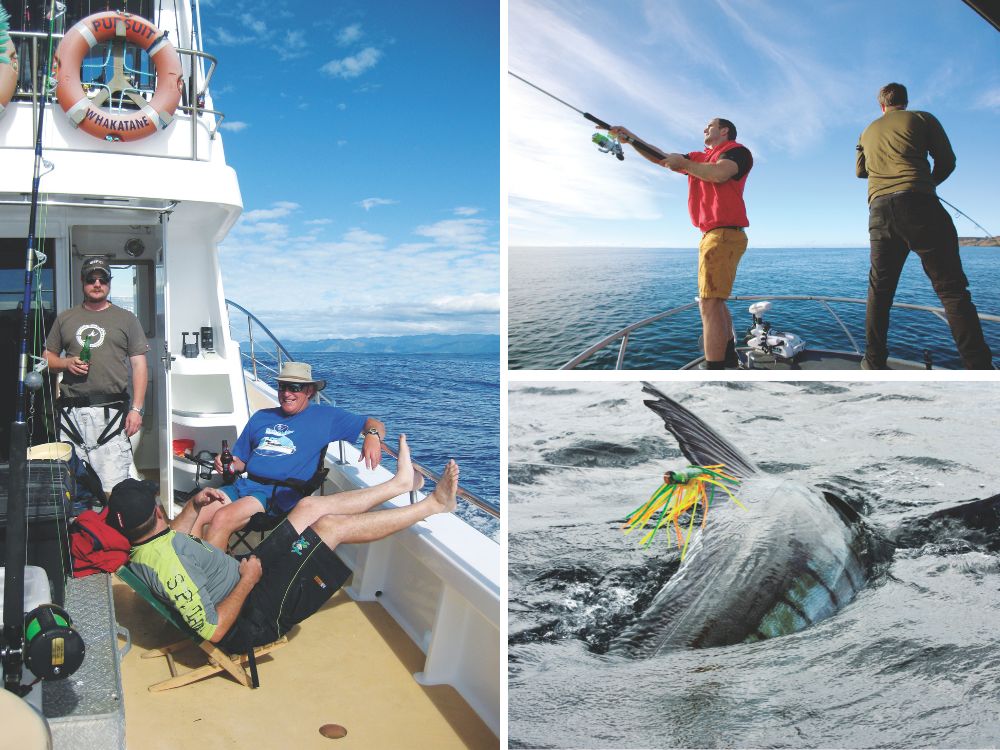
- Big boats offer the chance to head away to some really cool places with the family or a bunch of mates, and maybe stay overnight if desired
- Spacious enough to fit what matters most – perhaps bunks, seating, storage for food, bait, ice and the catch, in addition to tackle, safety equipment and the more sophisticated electronics
- Comfortable away-from-home amenities can be provided on board, enabling fishers to get in out of the weather and relax if desired
- Fish of all sizes can be targeted, including gamefish
- The ability to travel safely and quickly in a wider range of sea conditions.
Disadvantages:
- Organising a trip away takes time, including getting good people to come along, and sorting the food, drink, bait, ice and fishing tackle
- Bigger boats can be harder to manoeuvre, especially inside tightly packed marinas with a crosswind howling, or at sea in adverse conditions – at such times it pays to have someone. experienced at the helm
- Expenses can be prohibitive, including marina, moorings and dry-stack fees, fuel (especially in the current situation), insurance, equipment and ongoing maintenance and repairs. The more bells and whistles, the more things there are likely to go wrong.
- Shallow water fishing becomes more challenging, with the vessel’s shadow, hull noise, and night-time lights scaring some species away (but attracting others)
- Help can be a long way away when fishing in some of the more remote locations should something go wrong. Someone should always assume the role of ‘sober driver’, especially when weather and sea conditions are challenging – some owners pay for a professional skipper, so they can ‘join the boys’
- Packing up and cleaning the boat after every trip can be time- consuming, especially if it is done well!
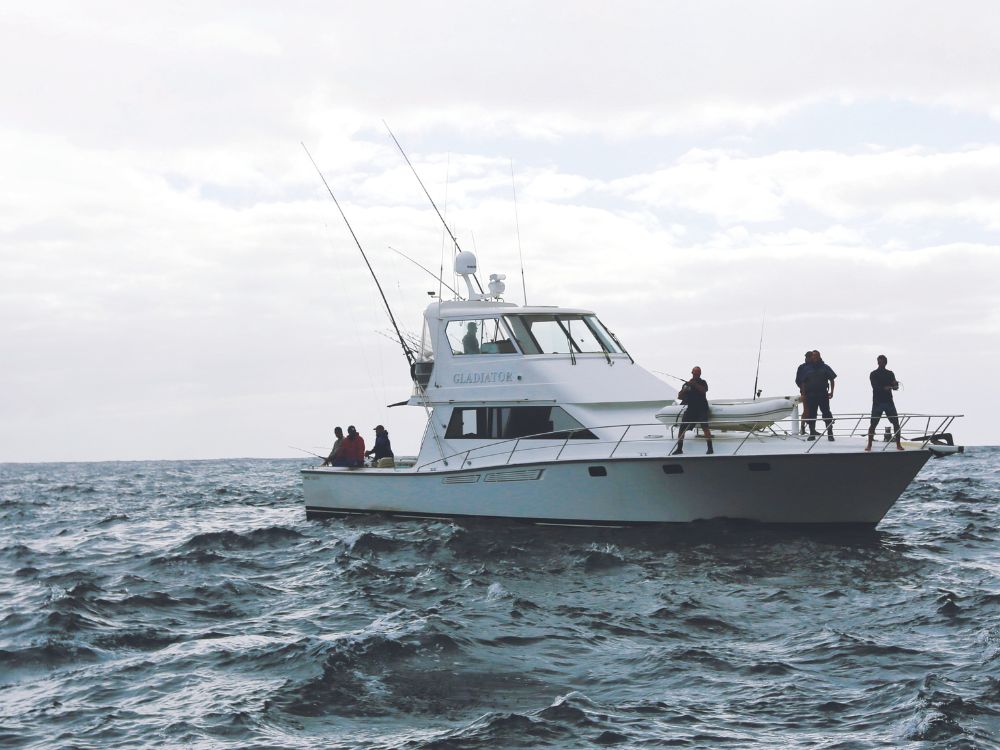
Even bigger (15M-PLUS)
This is the kind of boat you may well want to be on if targeting big fish from exotic offshore locations, but you’d better hope the owner is happy to help out with the fuel bill! BNZ
BOATINGNZ.CO.NZ