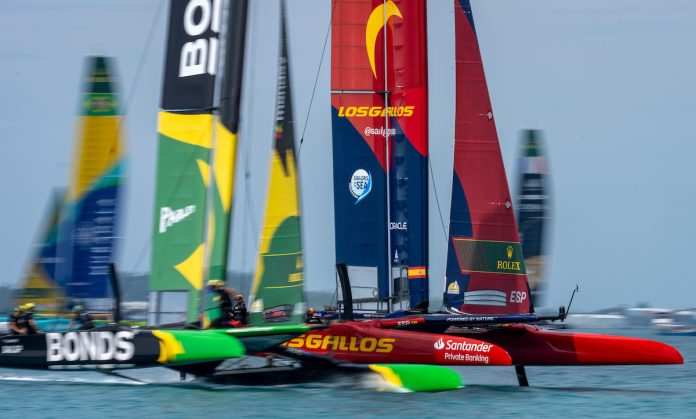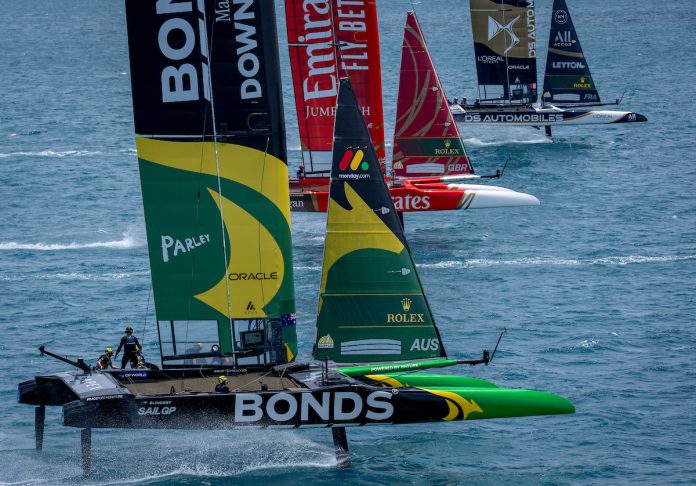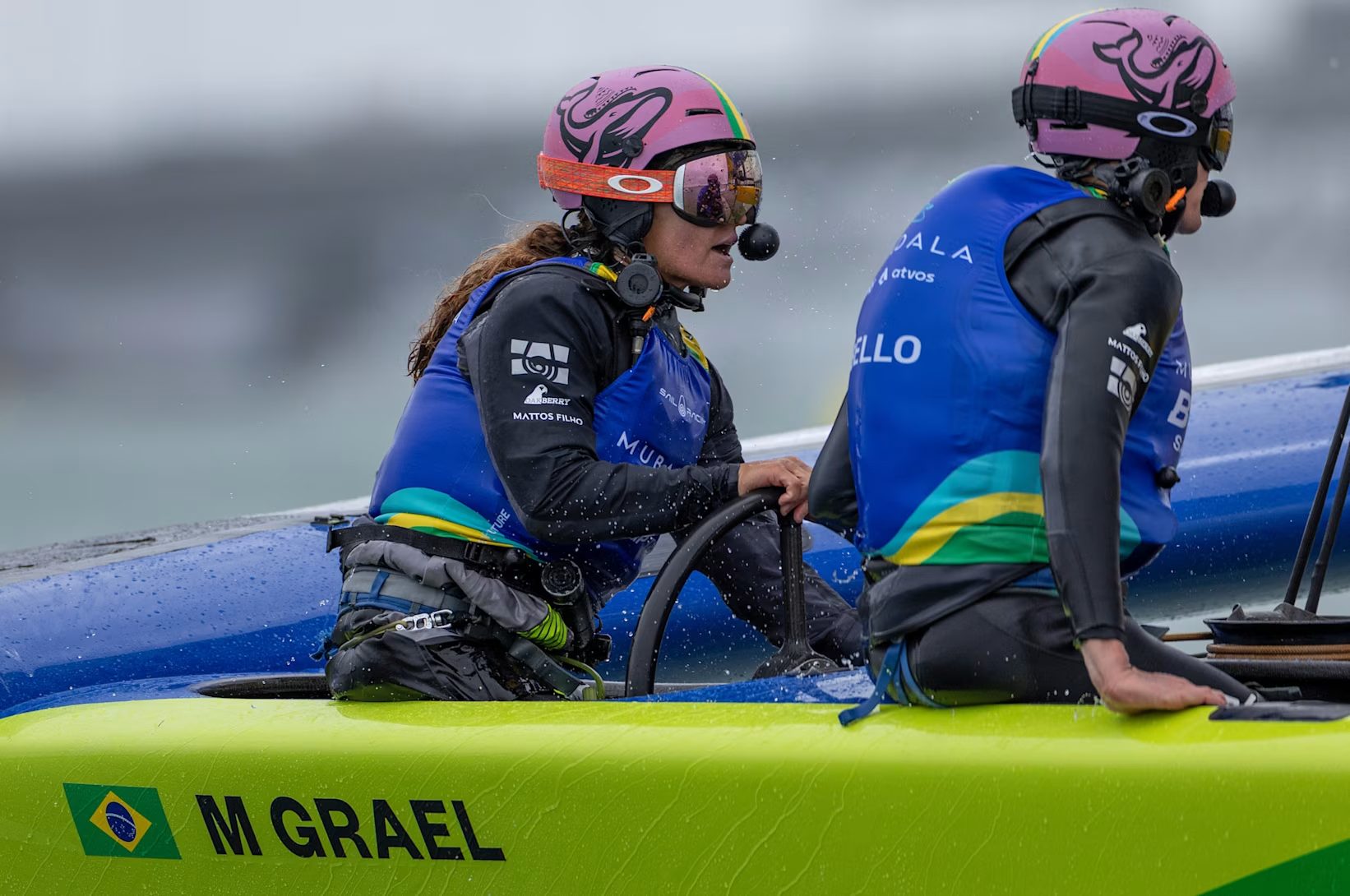
In just over a week, SailGP has its debut in Rio de Janeiro, one of the most visually striking stops on the 2026 calendar. Racing will take place metres off the shoreline in Guanabara Bay, surrounded by dense urban sprawl and, in the background, Sugar Loaf Mountain.
It is a venue of contrasts. As noted recently by The Guardian, the bay is “postcard pretty and filled with pollution.” It’s a complex ecological environment, and racing conditions are expected to reflect that.
SailGP’s on-water reporter Lisa Darmanin who has experienced the waters of Rio, describes the venue as anything but predictable. Currently, the forecast points to light and variable winds with a calm sea state and the tide falling through the afternoon. Here, Darmanin points out that “the tide really comes into play, especially around mark roundings and laylines.” She also points out that the surrounding Serra do Mar mountains can create shifting, unpredictable wind patterns.

This bodes for a tactically clumsy, slow race. Winds picking up or changing direction will define the racing. Pressure will build around the leg markers, where small mistakes can cost multiple places. There is nothing yet to point to a split fleet event, so all teams are expected to start together. In the light conditions, those starts will be all-important.
After three events, the leaderboard has already started to stretch. Emirates GBR, led by Dylan Fletcher, sits on 28 points. BONDS Flying Roos and Tom Slingsby follow on 25, with the U.S. SailGP Team and Taylor Canfield on 20.
DS Automobiles France, despite missing two events, still holds fourth on 20 points. They return in Rio with something to prove. Artemis, led by Nathan Outteridge, sits just behind on 15, one point behind Los Gallos in fifth. Red Bull Italy with Phil Robertson and Rockwool Racing with Nicolai Sehested are level on 11, just ahead of Germany.
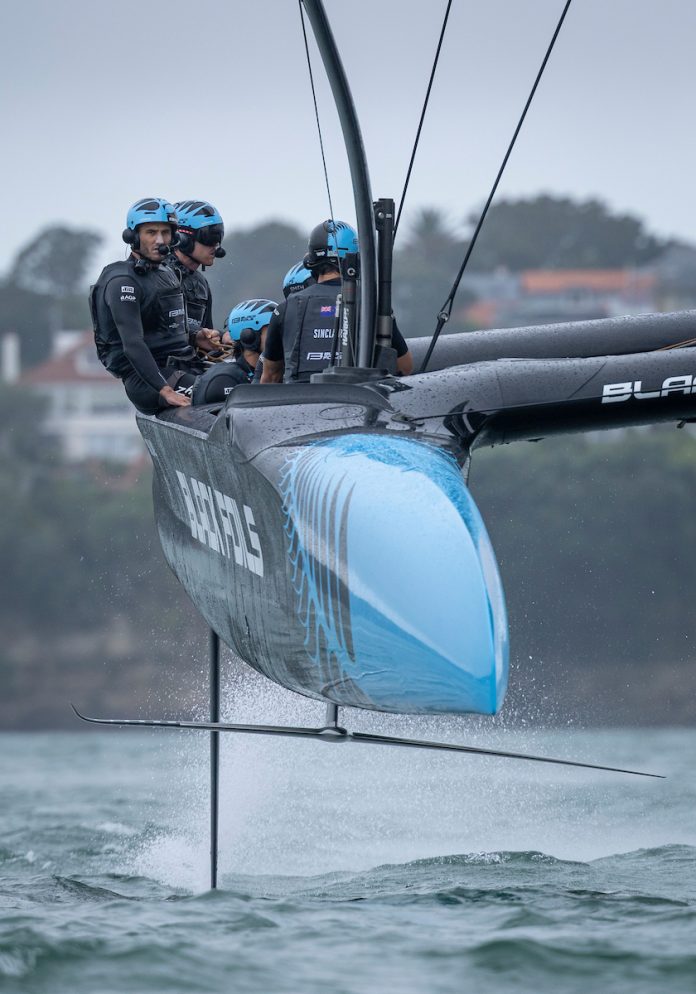
Auckland’s big upset has reshaped the season. The collision between DS Automobiles FRA and the Black Foils removed two front-running teams from Sydney, and the event opened up as a result.

The U.S. SailGP Team took advantage. Taylor Canfield secured his first event win as skipper, and the team’s first since Cádiz in Season 4. It was enough to push them into the mix.
Spain and Great Britain backed that up with strong results. Australia, on home water, missed the final after a single mistake in unstable breeze. It is the first time they have not made a Sydney final since SailGP began.
Artemis never quite settled. There is too much depth in that team for that to continue. I expect a cleaner showing here. Driver Nathan Outteridge has raced in Rio before, and that experience should help him read the shifts and make earlier calls on strategy.
The Black Foils remain out following Auckland. Their absence continues to open the middle of the fleet, and teams that would usually be chasing now have a clear path forward.
SailGP’s Alex Hobern has pointed to the U.S., France, and Brazil ahead of Rio. The U.S. arrive with momentum from Sydney. France returns after sitting out two events, and will want to reset quickly.
Martine Grael, driver of the Mubadala Brazil SailGP Team, won 49erFX gold with Kahena Kunze on her home waters of Guanabara Bay in 2016. Now SailGP’s only female driver, she returns to the same venue in a very different boat. She knows how quickly this place can shift, and how to position for it.
Add in the BONDS Flying Roos. Slingsby is at his best when the race becomes fragmented, and Rio has the potential to do exactly that.
And with the leaderboard already starting to separate, Rio has the potential to reshape the season again.