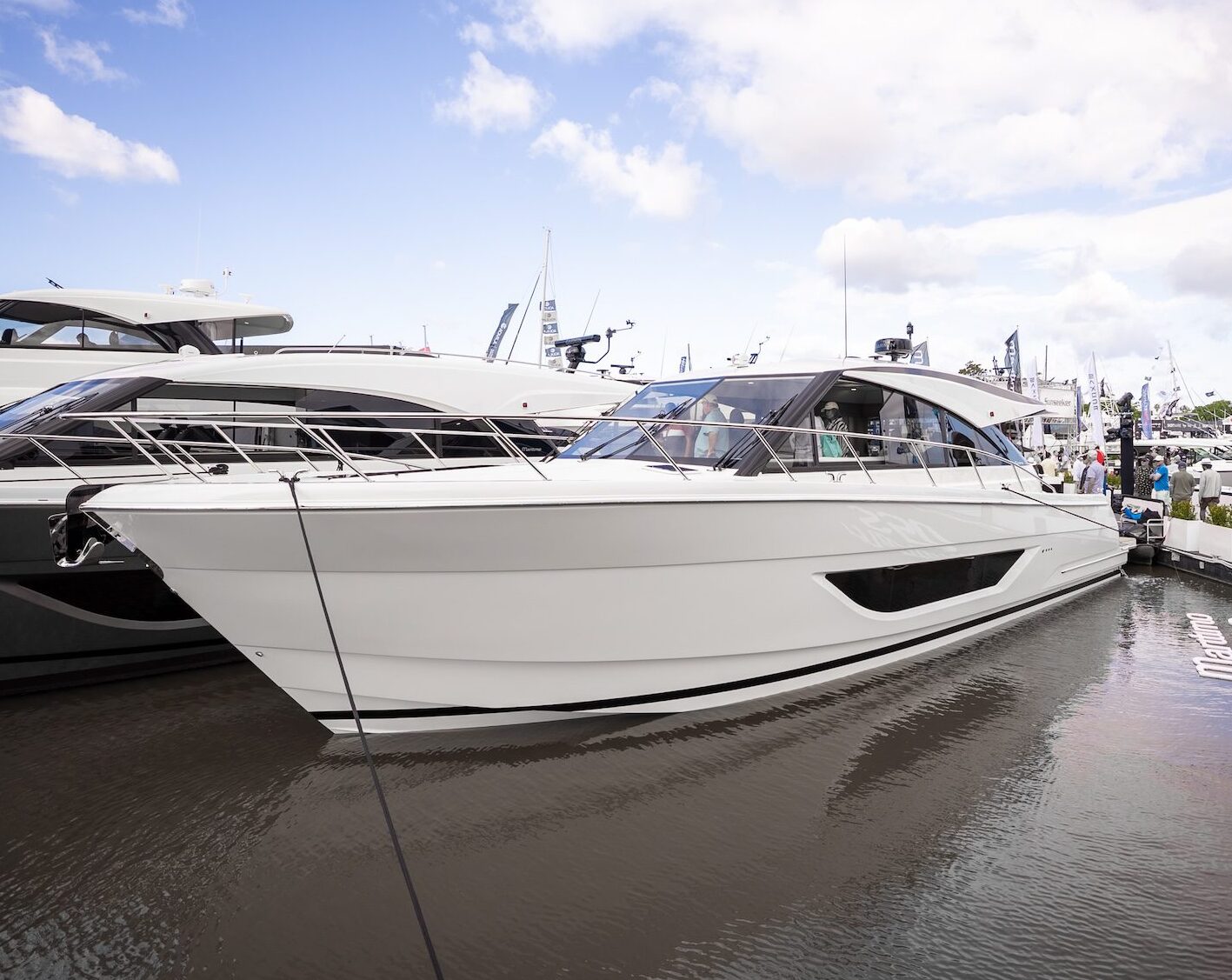
Maritimo’s apprenticeship program is not simply a pathway into boatbuilding; it is a deliberate, long-term investment in people, skills, and the future of the Australian marine industry.
**BUILDING FROM WITHIN: HOW MARITIMO’S APPRENTICE PROGRAM SHAPES TOMORROW’S BOAT BUILDERS**

Australian motor yacht builder Maritimo is banking on a philosophy that feels increasingly rare in modern manufacturing: grow your own talent, invest in young people properly, and trust that the majority will stay.

Over the past eight years, approximately forty apprentices have moved through Maritimo’s structured program. That steady figure matters more than raw numbers, according to Production Manager Kym Fleet. “The idea is to retain the majority of these apprentices so they become our boat builders, and for some, the leaders of tomorrow,” he says. What distinguishes the approach is that apprentices are treated as future contributors, not temporary labour filling immediate gaps.

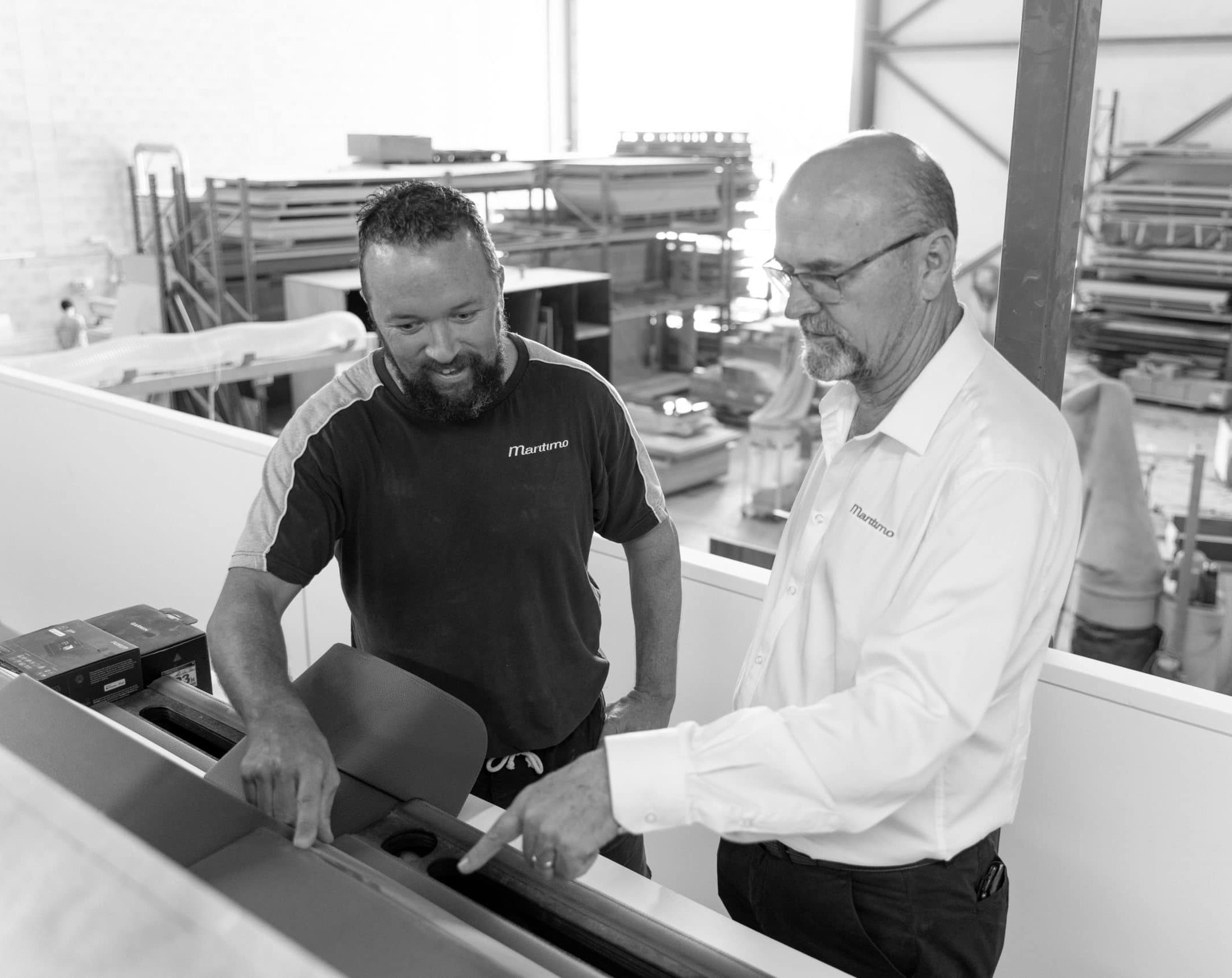
The recruitment process itself sets expectations early. Candidates are expected to research the company before interviews, demonstrating genuine interest rather than simply chasing a job. Once onboard, the program expands far beyond a single trade. Apprentices rotate through engineering, research and development, quality control, and waterfront operations every six to twelve months, giving them a full picture of how a luxury motor yacht comes together from design through to completion.
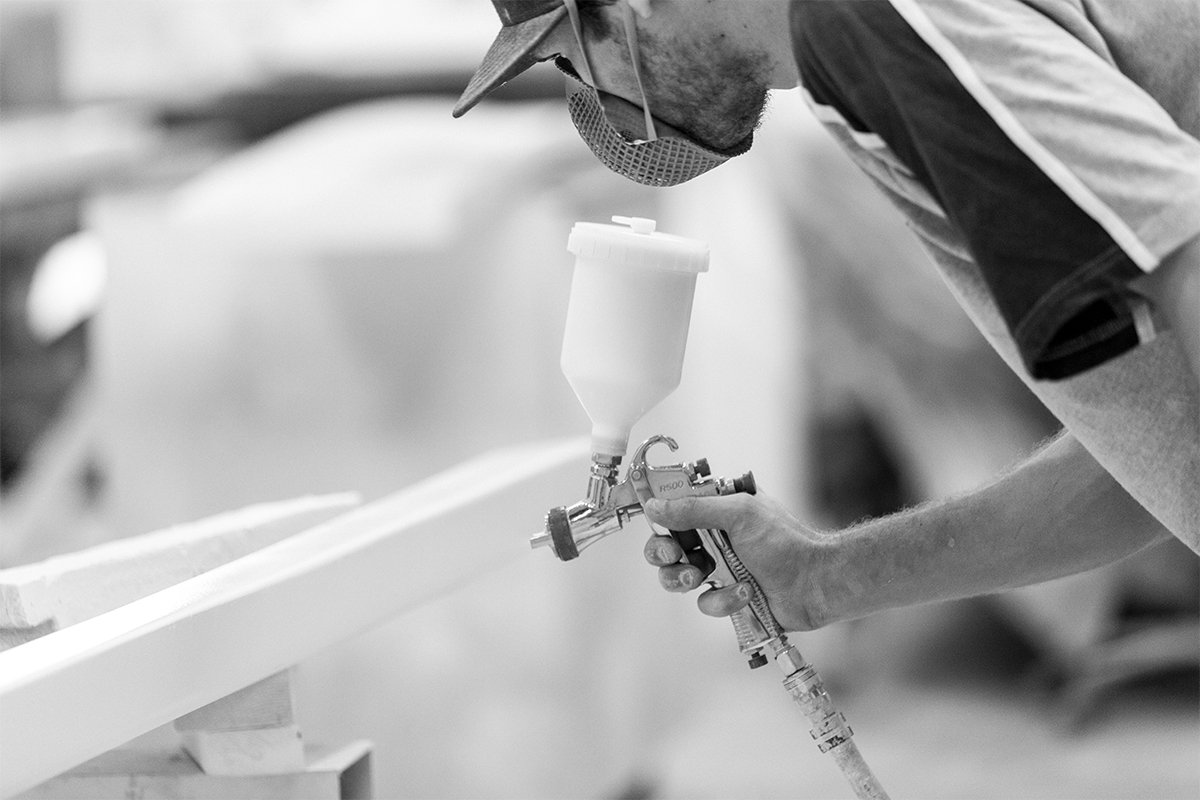
This rotation reveals where individuals truly excel. “Some apprentices just shine in a particular area,” Fleet explains. Rather than forcing predetermined career paths, Maritimo lets people gravitate toward roles where they’re both skilled and engaged.
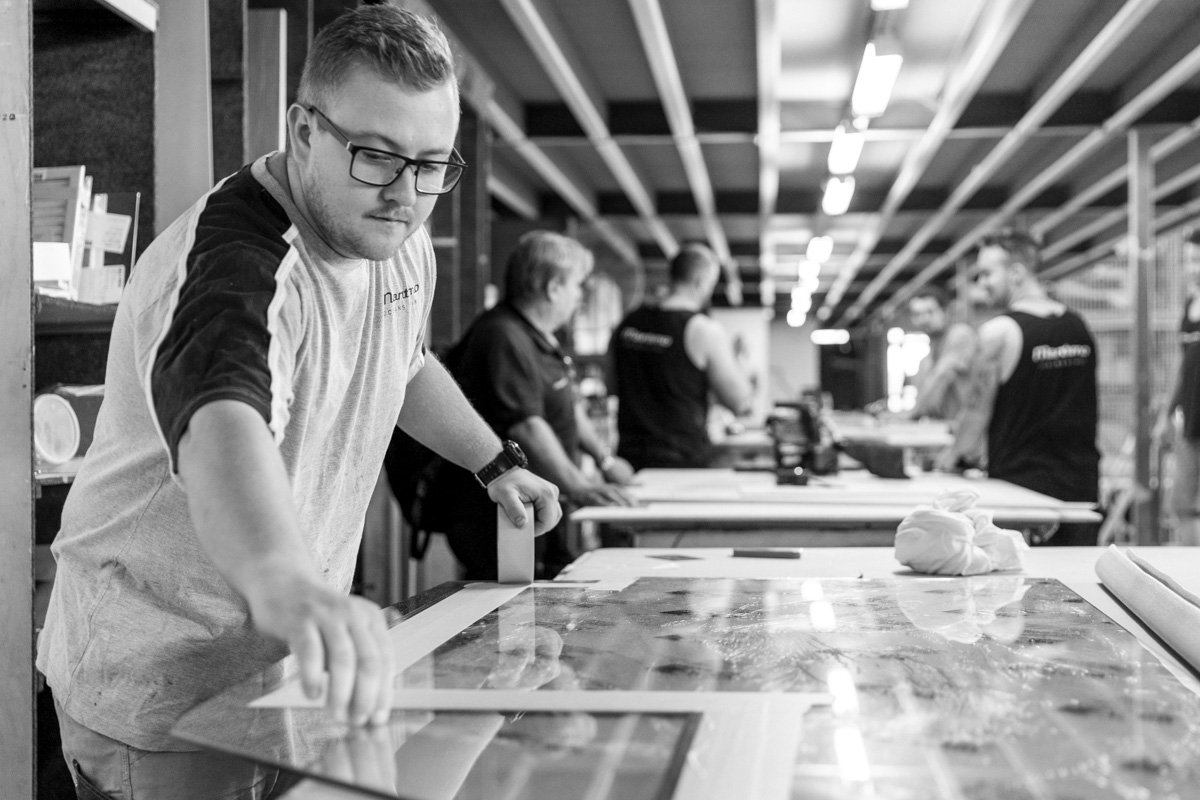
A defining feature is the internal promotion ladder made visible to all apprentices. Team leaders, trade heads, and senior managers across the business are boat builders or former apprentices themselves. Nathan Creenaune exemplifies this trajectory. Now Quality Control Supervisor for Maritimo’s 55, 60 and 600 range after starting his apprenticeship over a decade ago, his career path is tangible proof that the program works.
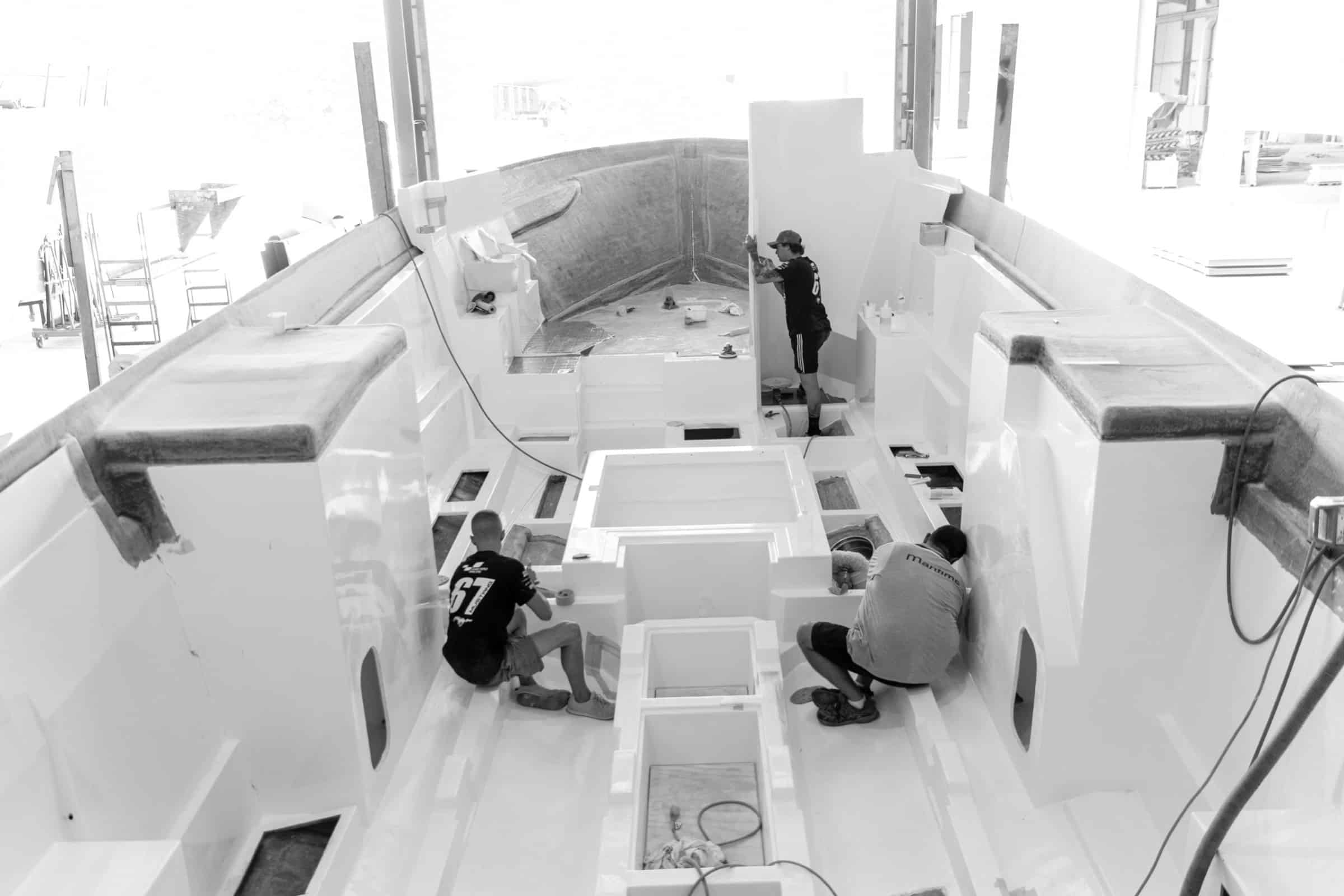
Retention is treated pragmatically. Fleet acknowledges that life circumstances change. Young people travel, relocate, pursue other interests. Rather than viewing departures as failures, Maritimo maintains relationships with former apprentices and often welcomes them back. This long-view approach reinforces the sense that an apprenticeship opens doors throughout a career, not just during those initial years.

The recent influx of young women entering the program has also strengthened the cohort, bringing particular strengths in attention to detail and work ethic, Fleet notes.
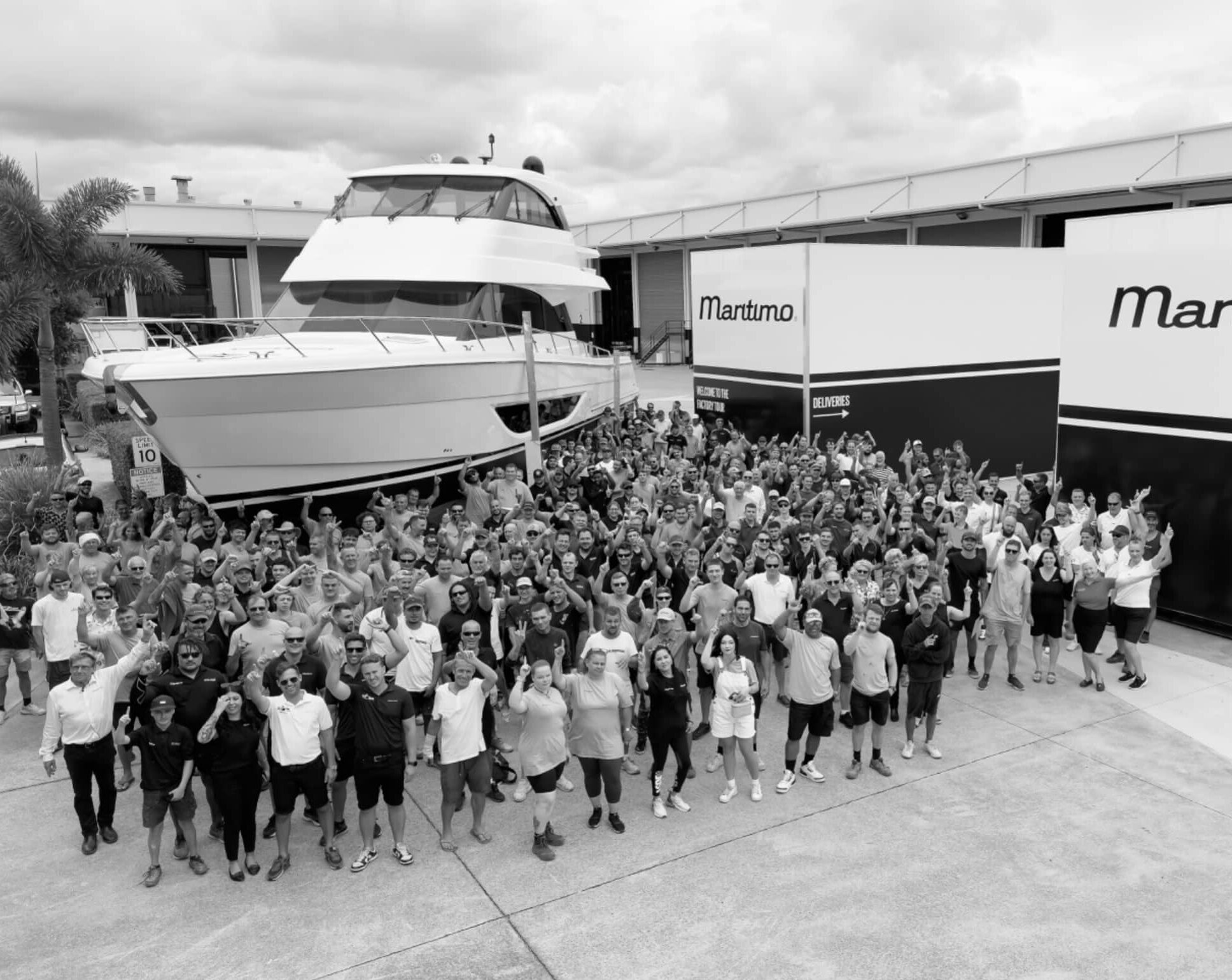
Partnerships with institutions like the Australian Industry Trade College at Robina further sharpen workplace readiness. For Maritimo’s leadership team, the apprenticeship program is ultimately about succession planning and enduring resilience in an industry where skilled craftspeople remain precious.