Architectural moves
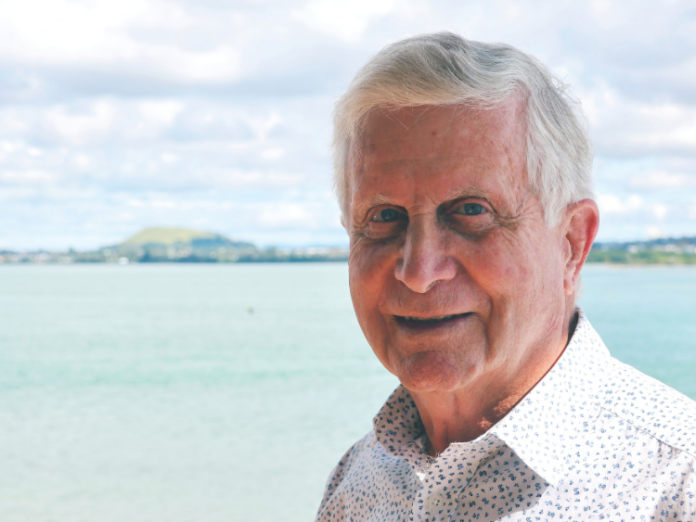
Fenwick’s father, John, was the CEO of John Fenwick & Co in Napier, a third-generation master stevedore. For those unfamiliar, stevedores are the people responsible for arranging the loading and unloading of ships, always a vital part of New Zealand’s shipping infrastructure.
Born in 1951, Greg Fenwick grew up around boats and outboards, beginning when his father built a 4.8m plywood runabout based on a Popular Mechanics design. However, the original Scott Atwater outboard proved too small, and it was soon replaced with a 35hp Mercury.
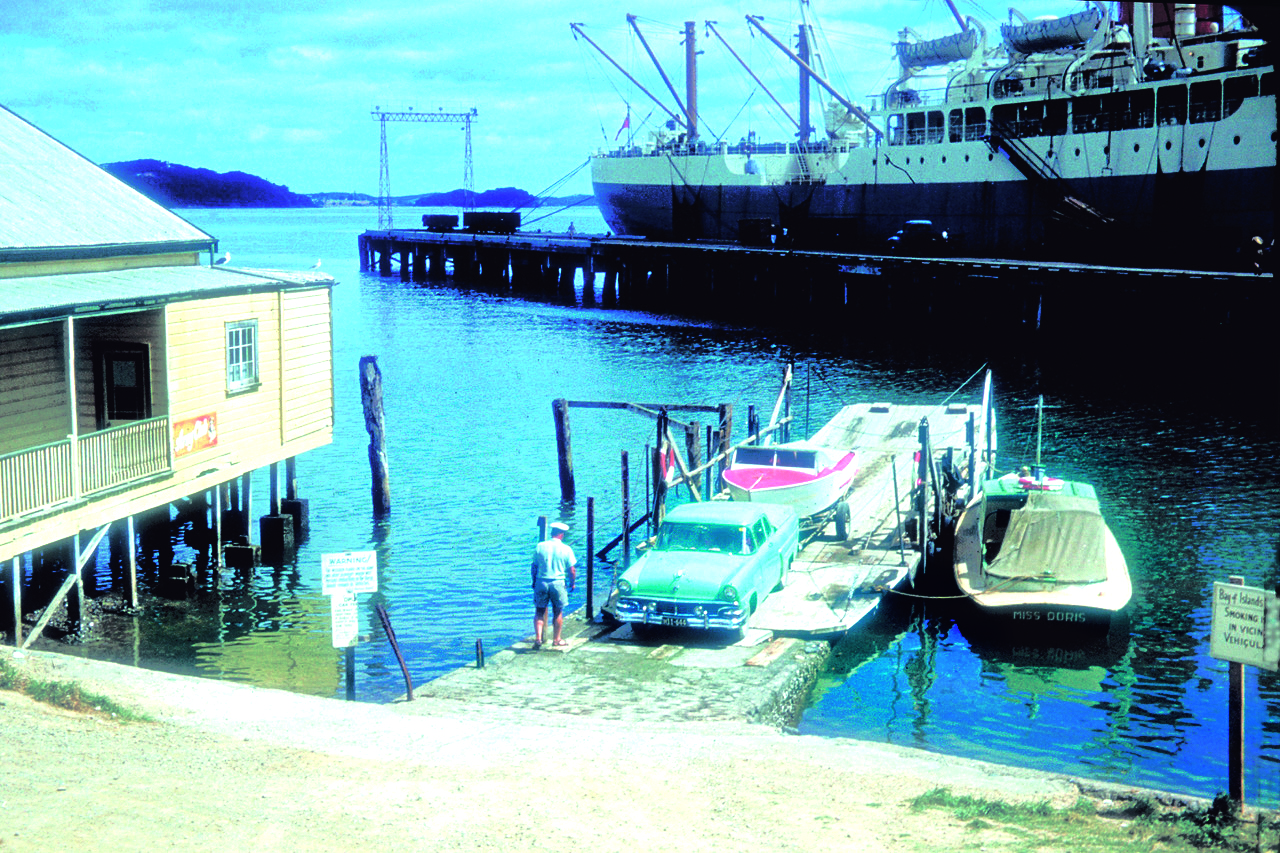
Besides Napier and Taupo, the Fenwick family used their boat as far afield as the Bay of Islands.
“I remember Mum, Dad, and the three of us boys in the Ford Mainline truck, towing the boat to the Bay of Islands. Most of the roads were gravel back then.”
When John Fenwick decided he wanted a bigger boat, he knocked out the wall between two rooms in the family home and built a Carl Augustin 22-foot launch in the space. With the hull turned over and finished, he removed a section of the front wall and, with help from friends, slid the boat straight onto the home-built trailer. After their boatbuilding phase, the two rooms became one open-plan living area.


Skipping ahead, after attending Whanganui Collegiate boarding school in 1965, Fenwick moved north to Auckland University to study architecture. In his first year, he took papers in psychology and anthropology.
You might wonder what these had to do with architecture, but they were considered among the easiest units to gain entry into Architecture School.
After two years at university, Fenwick quietly abandoned his architectural plans to take a full-time sales role with International Marine in Takapuna, then New Zealand’s top FiGlass and Mercury outboard dealer.
Fenwick soon proved to be a natural salesman and, after a couple of years, was promoted to sales manager of the Newmarket branch.
“We were the largest FiGlass dealer in the country. Frank [Simpson] once told me I had sold more FiGlass boats than anyone else in New Zealand.”

The two most popular models were the 19ft Viscount and the 14ft Fireball.
“We sold the Fireball on its trailer with a 40hp Mercury, canopy, anchor pack, paddle and two lifejackets for $2,395. In those days, they went out the door like loaves of bread,” he recalls.
In 1978, Fenwick sold a FiGlass Sidewinder to the then manager of Moller Marine, who returned a few days later with a job offer. At the time, Moller Marine was the agent for Volvo Penta marine inboards and outboards, Yamaha motorcycles and Mariner outboards, the latter being only a small part of its business.
“I took ages to decide because it meant switching from outboards to selling Volvo Penta inboards and diesels. But in the end, I took the position.”
At that time, the Yamaha-Brunswick (Mercury) joint venture was a partnership, and as part of it, Yamaha outboards were not sold in the USA, Australia, or New Zealand. However, this partnership was set to end in 1982.
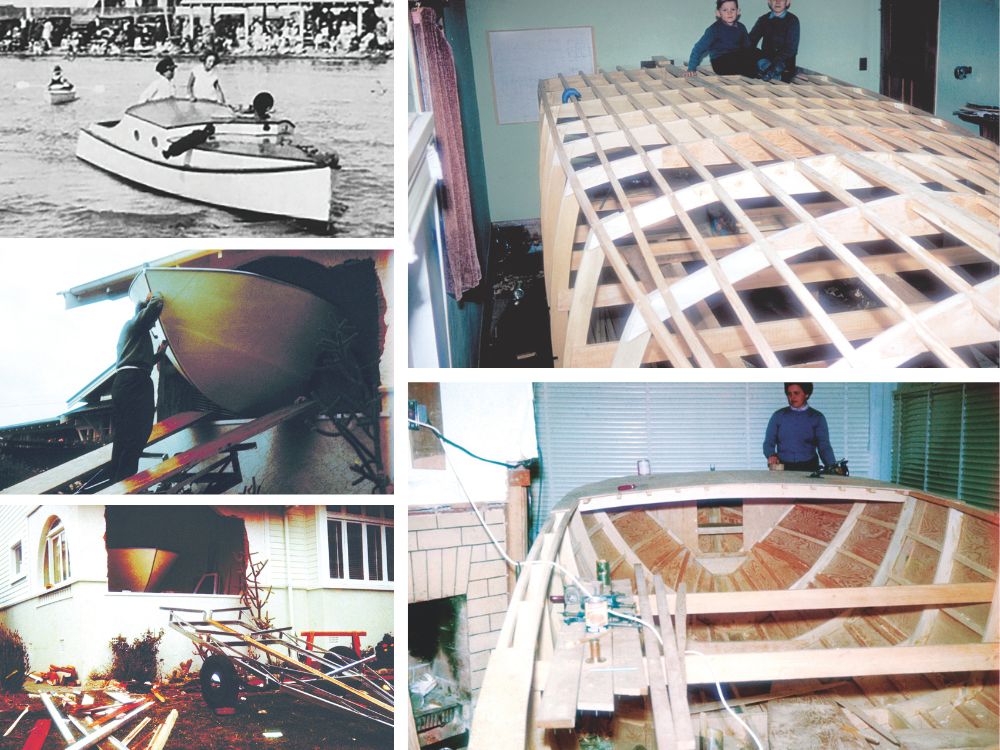
runabout in, and from, the Fenwick family home.
Strategically, part of Fenwick’s decision was recognising that Moller’s would likely become the distributor for Yamaha outboards, which would present a great opportunity.
Within six months, Fenwick was managing Moller’s Mariner division, with Alex Copeland doing the same for the Volvo Penta division.
Although the Mariner brand lacked the reputation of OMC or Mercury, Yamaha produced all the smaller models up to 60hp and was known for reliability. Building on this reputation, Fenwick focused on growing the Mariner dealer network.

When the International Yamaha Brunswick partnership concluded, as expected, Moller Marine Ltd was awarded the Yamaha outboard franchise, and the brand was introduced in New Zealand at the 1982 Epsom Boat Show.
Back in those days, everyone displayed their products on the concrete floor, but Fenwick covered it with red carpet squares, making the then-blue Yamahas stand out perfectly.
Until then, Fenwick’s experience had mainly been in retail sales, but now he needed to think in terms of wholesale. Once again, he proved to be a natural. With no dealer network, Fenwick had to start from scratch; however, from the very beginning, he prioritised quality over quantity.
“It wasn’t just about converting our Mariner dealers into Yamaha ones; we followed a clear plan and strategy. We only selected dealers who would represent us well in specific areas, with the right transom brand for mounting a Yamaha.”
Other factors Fenwick considered with his dealers were the ability to represent the brand in a quality manner and to undertake the servicing.
If the right dealer wasn’t available, Fenwick would wait, believing it’s better to have no representation than the wrong one. This called for a slow, patient approach, based on human understanding and genuine empathy, with a focus on the long term.
From the outset, Fenwick positioned Yamaha as a premium brand and avoided promotional discounts that could harm its resale value. Consistent pricing kept secondhand prices stable and made the upgrade process easier.
The New Zealand public values new technology and reacts positively to it. Yamaha has consistently been a leader in technology, a draw for New Zealand boat buyers.
In 1982, Yamaha’s largest engine was 115hp, but by the following year, this had risen to 200hp. Yamaha also introduced Precision Blend oil injection on all engines over 30hp, an industry first.
Then in 1994, Yamaha launched a V6 outboard with a microprocessor, another industry first. Largely thanks to Fenwick, the brand grew quickly, going from zero market share in 1982 to market leader in New Zealand within four years. Recognising this, in 1987 Mollers split the Yamaha and Volvo Penta businesses into separate divisions.
This success brought its own set of challenges. With over 40 Yamaha outboard models, including all variations, forecasting sales involved some crystal ball gazing. This had to be done five months in advance and was a task Fenwick managed personally.
“I believed this was one of the biggest jobs I did.”
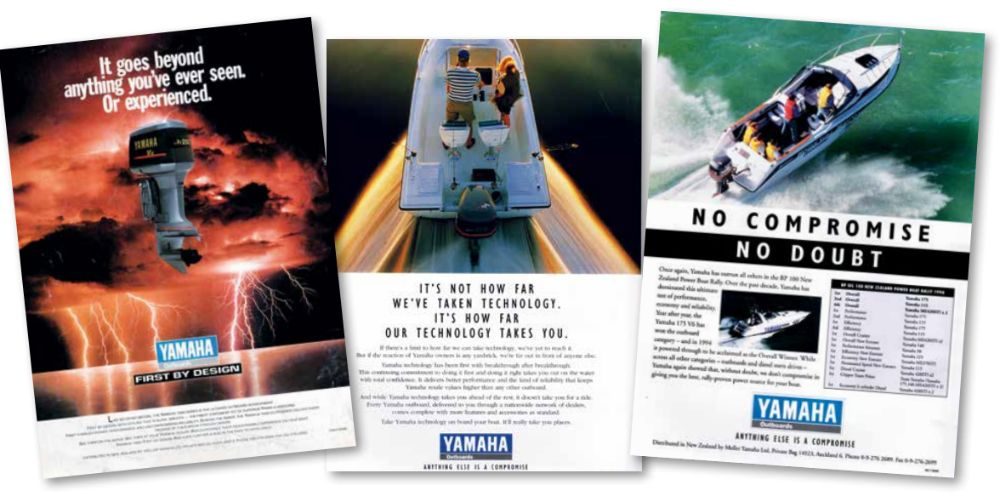
One of Yamaha’s key strengths was its advertising. From the outset, Fenwick selected ads with few words and bold images. For example, when Yamaha launched its 250hp outboard, an ad in Style magazine displayed the Yamaha cowling with its 250hp badge – simple, direct, and highly impactful. These ads were positioned in prime spots in magazines, such as outside back covers.
“I remember being stopped by a competitive dealer once, saying, ‘Your advertising is just so good – I don’t know why our guys can’t do that too,'” recalled Fenwick.
Another effective marketing tool was targeted sponsorship. Yamaha was among the first to support yacht clubs across the country, as well as organisations like the Coastguard and Harbour Boards.
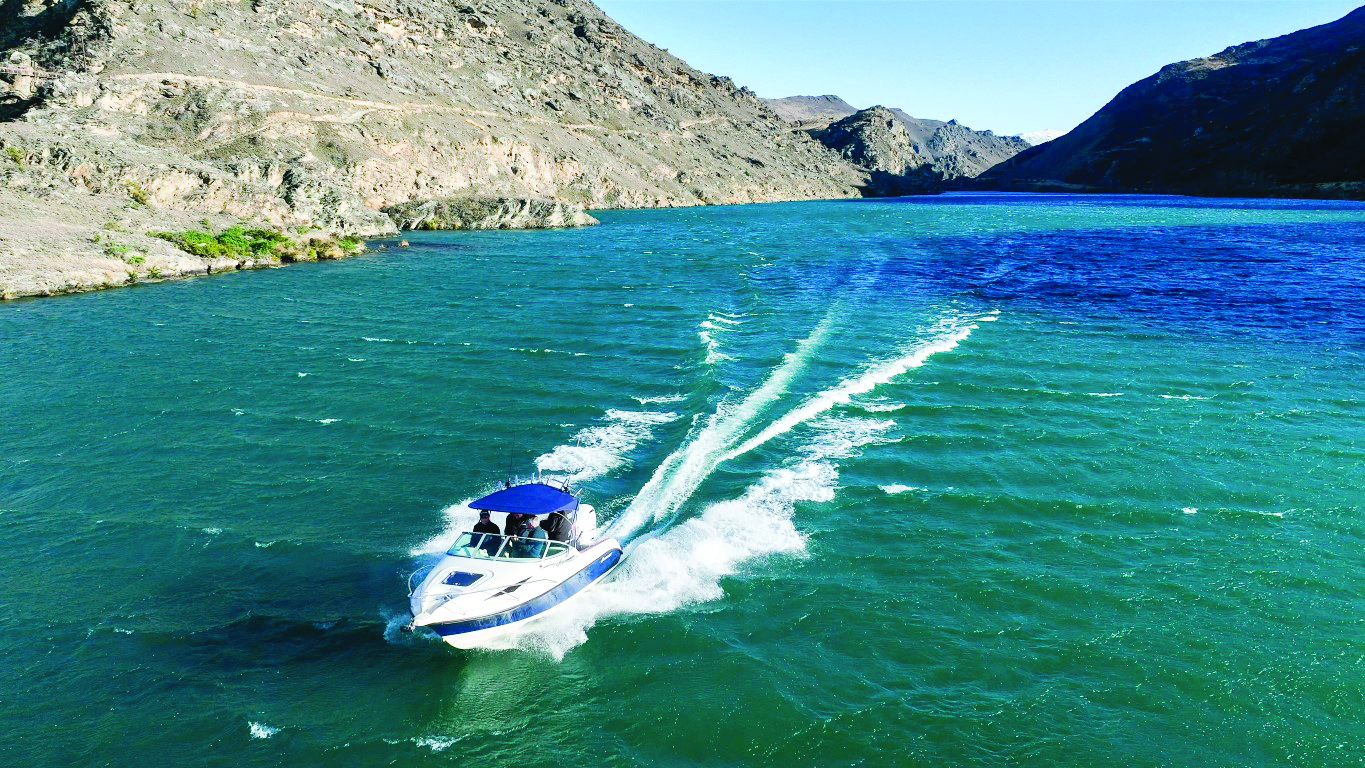
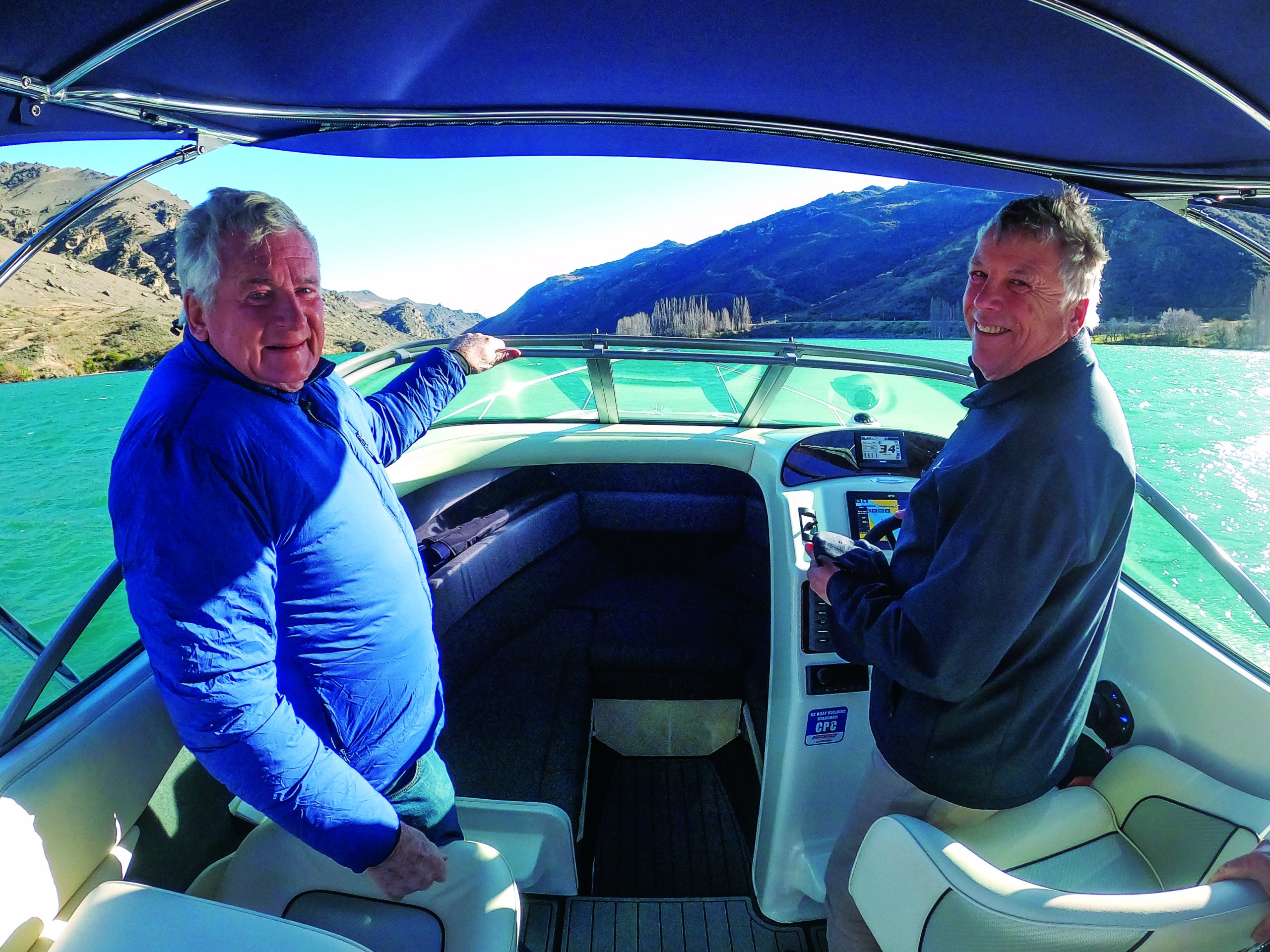
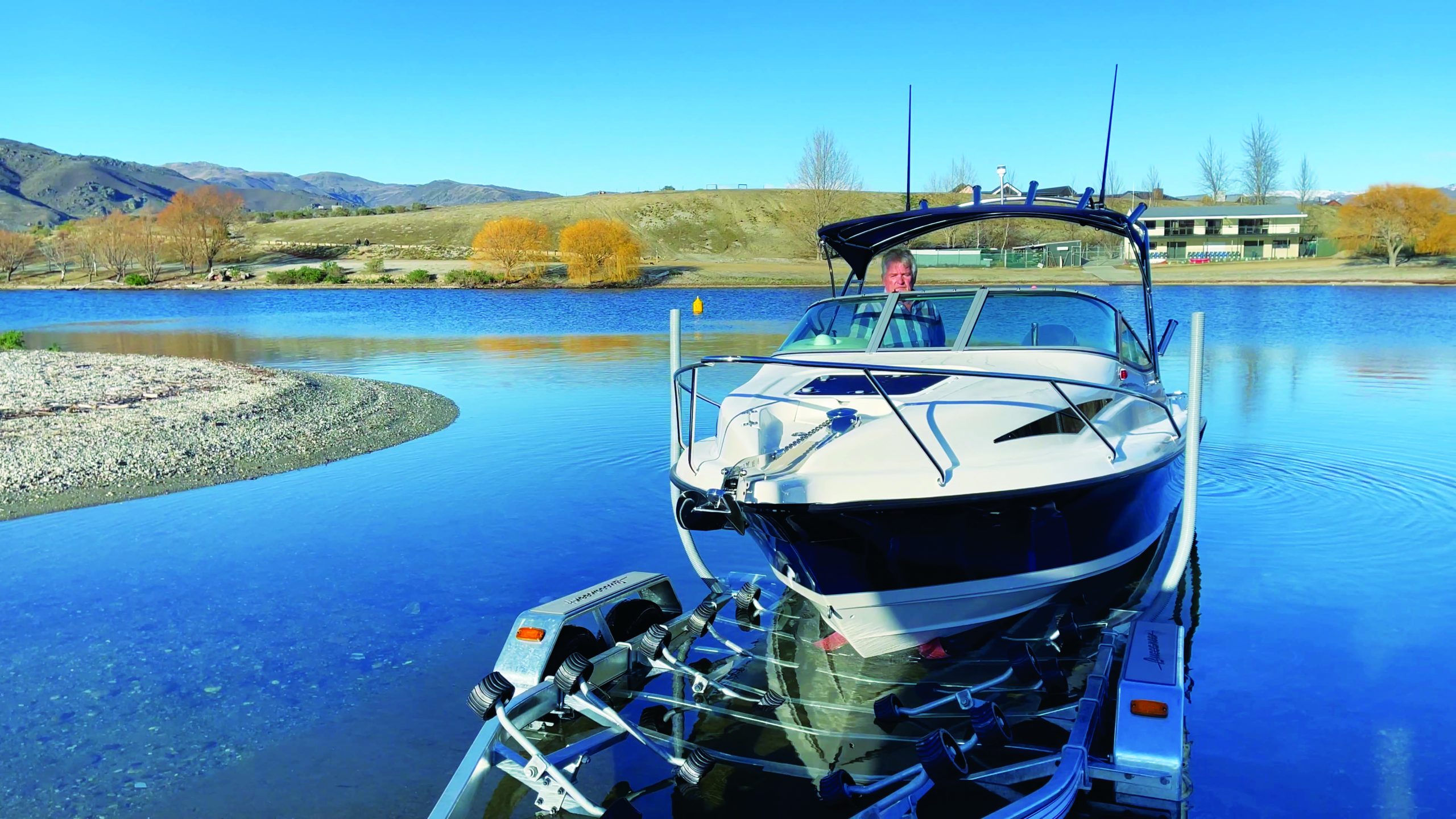
Buccaneer 605 on Lake Dunstan. // Supplied
Starting immediately after the 1987 New Zealand Challenge in Perth, Fenwick ensured Yamaha remained a long-term supporter of New Zealand’s America’s Cup campaigns, which has definitely been smart branding. At the 2000 event in Auckland, Yamaha powered all but one syndicate, as Fenwick personally contacted each challenger to offer to power their chase boats. And these were sales, not freebies.
Another notable sponsorship involved two Yamaha outboards for the late Sir Peter Blake’s ENZA catamaran during its promotional trip in New Zealand. Naturally, Yamaha decals remained on the catamaran during its then record-breaking circumnavigation.
Under Fenwick’s watch, Yamaha sponsored several racing events such as the Offshore Powerboat World Championships in Auckland in 1986, Thundercat Racing, Ski Racing, and the PBRO Rallies of the 1980s, which helped promote the brand.
In 1999, a Guinness World Record was set with a trimaran skiff powered by a 4hp four-stroke Yamaha. It covered 108km around Orakei Basin in just over ten hours while using 4.546 litres (one imperial gallon) of fuel. Two of the three teenage drivers were Fenwick’s sons, Andrew and Sam. That record still stands today.
Yamaha dealers benefited greatly from Fenwick’s marketing, and from 1986, Yamaha became and remained the leading outboard brand in New Zealand for decades. However, there’s always a price to pay for being number one.
“It was a bit like having a tiger by the tail; if you’ve positioned yourself as the market leader, you have to keep performing to stay there. Still, even when it was stressful, I loved it.”
Fenwick worked hard to ensure that Mollers and their Yamaha dealers maintained a family connection rather than just a commercial one. This was reinforced by Fenwick organising factory tours to Japan for the top dealers. These trips, beginning in the 1980s, were highly popular.
“The hospitality from Yamaha Japan was absolutely fantastic.”
Fenwick always ensured he was available and promptly addressed any issue, whether in sales, service, or supply. This paid off greatly; the Yamaha brand loyalty among its dealers was exceptional.
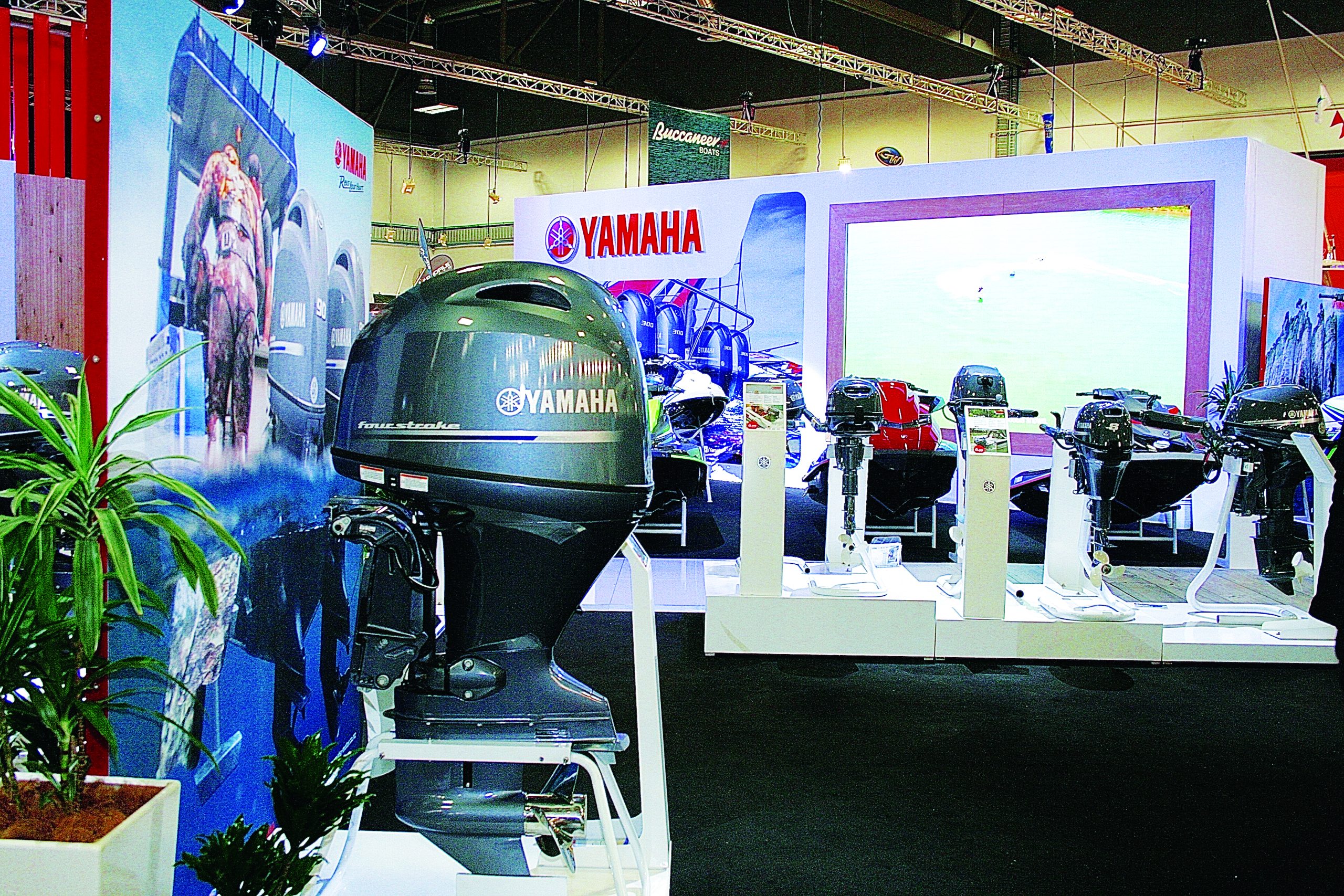
The Epsom Boat Show was a flagship event for Yamaha, and its stand often won the ‘Best Stand’ award. This was a double-edged sword, as each year Fenwick and his team had to outdo their previous efforts.
As an aside, the Yamaha wholesale division was a small team. Besides Fenwick, there was service manager Hugh Stewart, who’s previously featured in this column, a salesman, a PA, and a modest number of spare parts and accounting staff.
Fenwick’s passionate leadership of his team was recognised when he received the 2010 New Zealand Boat Show Hall of Fame Award.
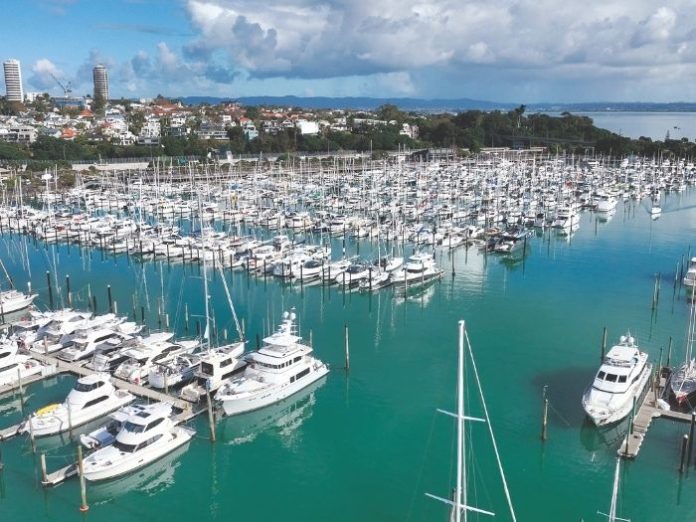
Time brings all things, and after 33 years in the role, Fenwick retired in 2014 to spend more time with family and indulge his love of boating. These days, he keeps a Buccaneer 605 with a 200hp Yamaha at his second home in Cromwell, and enjoys a Riviera 5400 Sports Yacht out of Westhaven.
Incidentally, son Sam is a marine broker, while granddaughter Lucy was awarded ‘Most Improved Sailor’ in her first year as an Akarana Club Optimist sailor.
Of course, Fenwick keeps a fatherly eye on the marine outboard industry and chats with dealers, many of whom remain his friends; however, his life is definitely much more relaxed now that others have taken up the baton.
Looking back, Fenwick’s arrival at Moller’s was the quintessential example of the right person, at the right moment, with the right opportunity.
“I was so fortunate to have a clean sheet when Yamaha arrived. I had a fantastic run with a brilliant product.”
From the outside, there’s more to it than meets the eye. Fenwick, aside fro