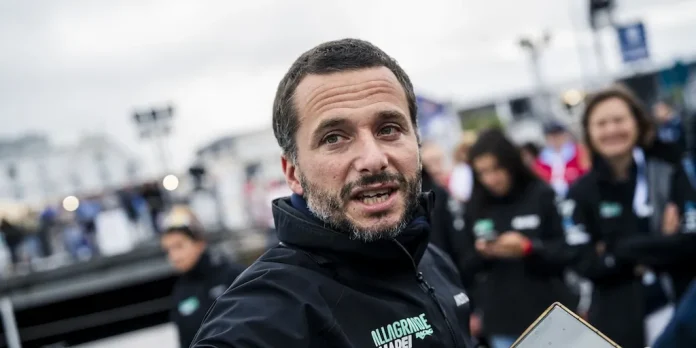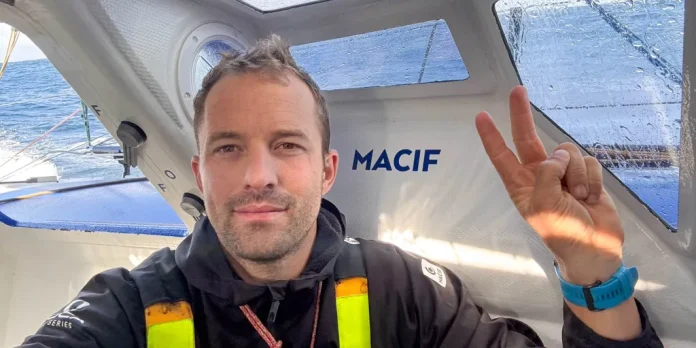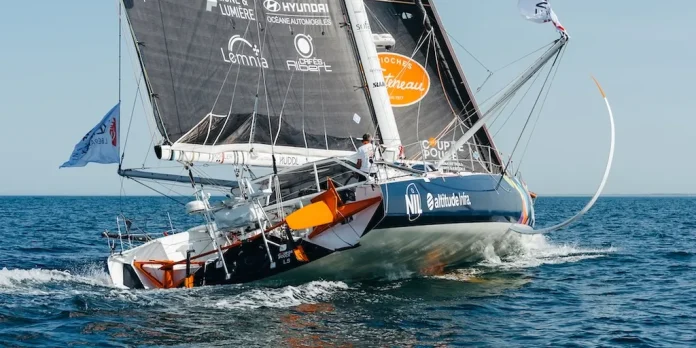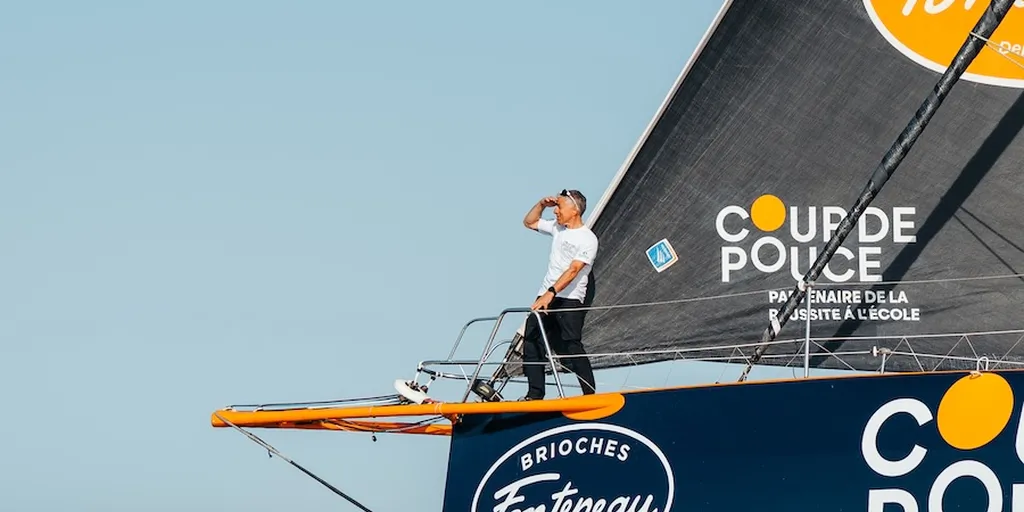
Manu Cousin has done this before. Twice. While most of the Vendée Arctique fleet will be pushing into Arctic waters for the first time, the skipper of Coup de Pouce carries the weight of two previous editions, two Vendée Globes, and a particular hunger that comes from knowing exactly what’s coming.
“It’s a very demanding race, and very tactical,” Cousin said ahead of next week’s start. For him, the Arctique holds a different appeal than the southern ocean grinding of the Vendée Globe. He reached the northernmost point in the first edition; the second nearly broke him. The conditions were brutal. This time, he hopes for mercy from the weather, but he isn’t banking on it.
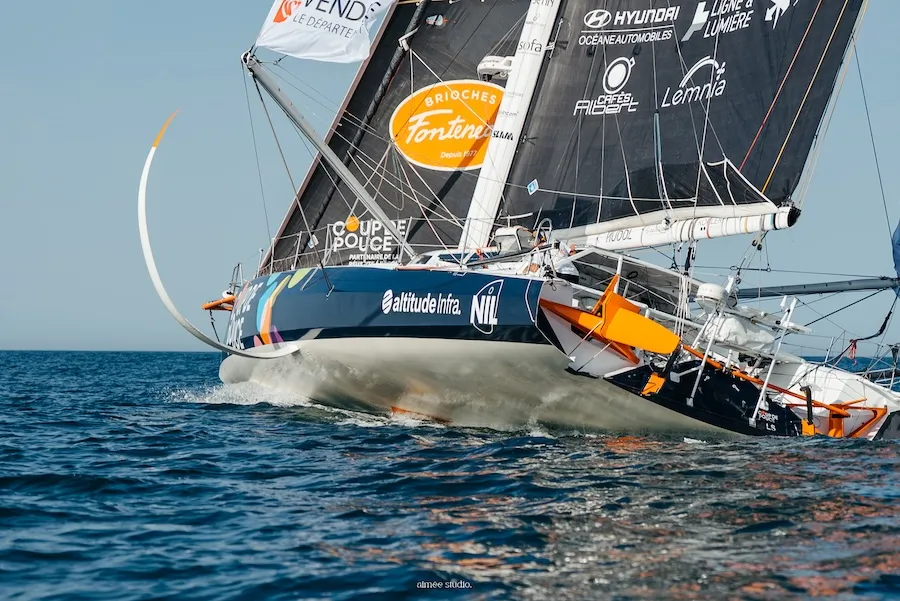
The Arctique demands something fundamentally different from IMOCA boats designed to thrive downwind in the Southern Ocean. Here, skippers traverse depressions east to west, taking them beam-on or head-on rather than running with them. The sea turns vicious. Waves build chaotic and short. The boats, built for the rush of following seas and a wind pushing from behind, find themselves clawing upwind into Arctic gales.
“We’ll be heading further north than we ever go south,” Cousin explained. “That’s what makes this so committed. There’s no margin for error up there.”
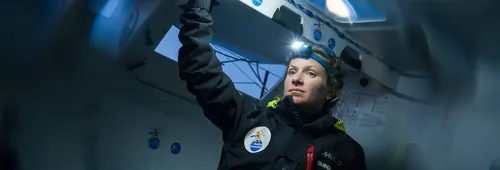

For a sailor of his experience, the appeal lies in that very commitment. The Vendée Globe has become almost routine for him, a triathlon of endurance and ice management. The Arctique strips that away. It’s pure boat handling, pure weather reading, pure racing. No help is coming from the angles you’d normally exploit. You’ve got to claw your way through.
Cousin isn’t expecting an easy week ahead. He’s not hoping for one either. After two previous attempts and thousands of kilometres in these waters, he knows what the race demands. What he wants now is to finally get the conditions right, to find the balance between the chaos and the control. To let loose and race it properly for once.
That’s what he’ll be after when Coup de Pouce crosses the line.