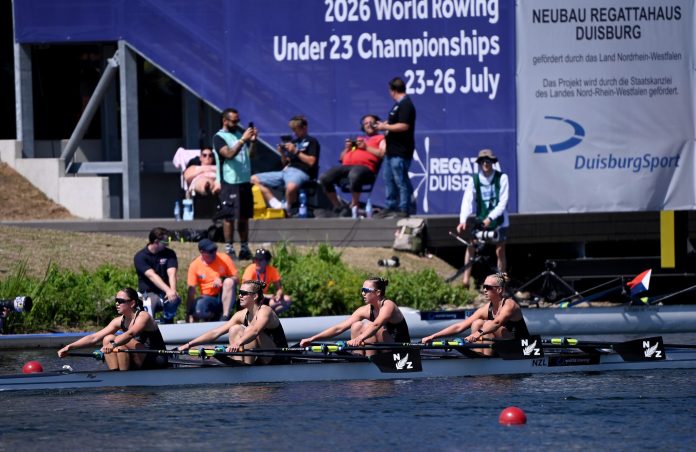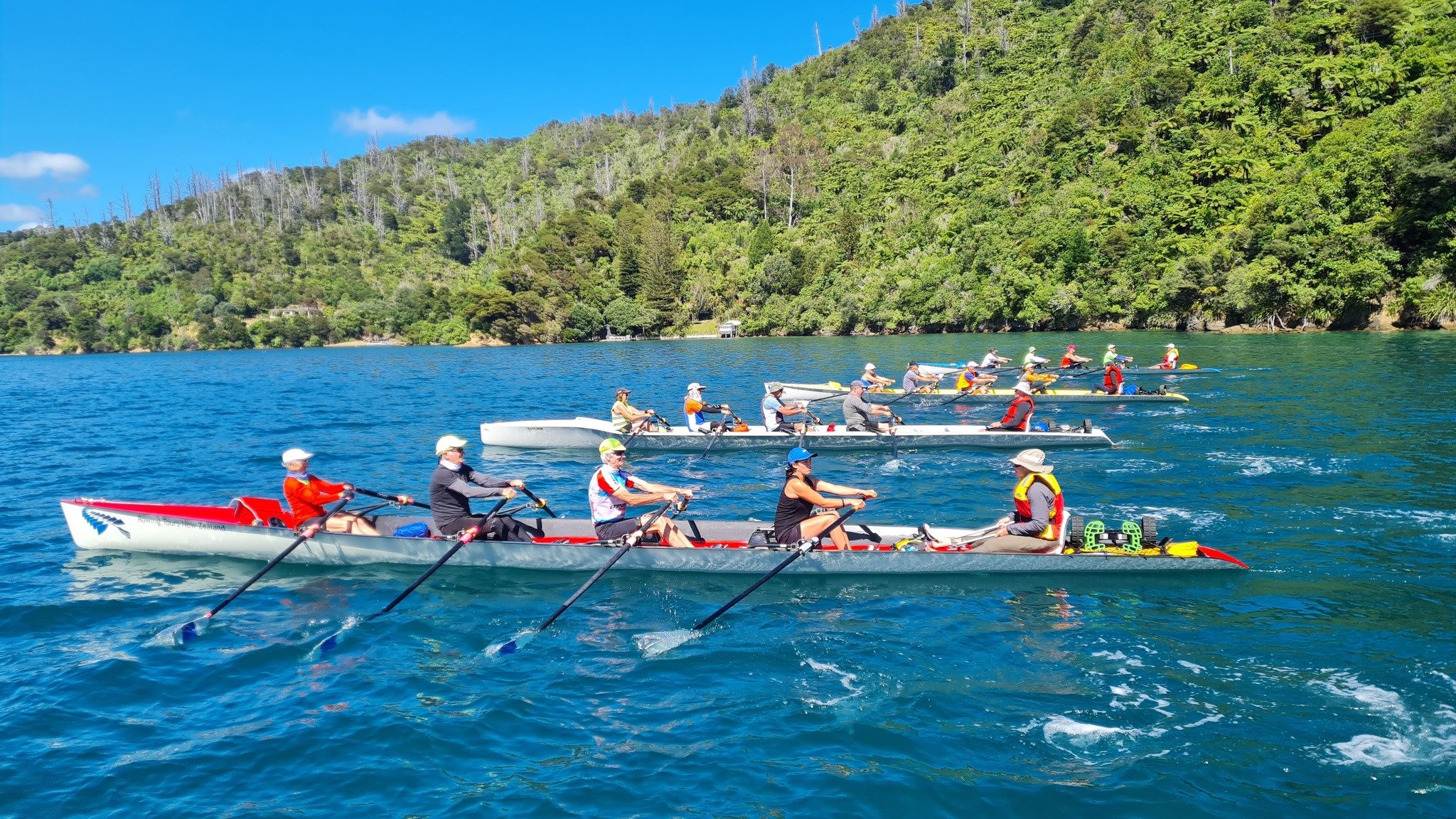
Picton Rowing Club has cracked a problem that most rowing organisations struggle with: how to keep people in the sport once school rowing ends. The answer, it turns out, involves coastal boats, flexible membership, and a simple truth that rowers in their 60s and 70s are discovering for the first time.
For years, rowing meant an all-or-nothing proposition. Early starts, structured training blocks, weekend regattas. Once you left school or university, you were out. Picton has systematically dismantled that assumption.
The Marlborough club now counts members across seven decades, including rowers who have picked up an oar for the first time after retirement. That range reflects a deliberate shift in culture. Rather than chasing elite performance above all else, the club has built space for social rowing, fitness-focused participation, and genuine enjoyment of being on water alongside its competitive programme.
“You can row socially, row for fitness, row competitively, or simply get back on the water because you miss it,” says the club. That flexibility matters. Work, family, and other commitments don’t disappear when you turn 40. Neither should access to rowing.

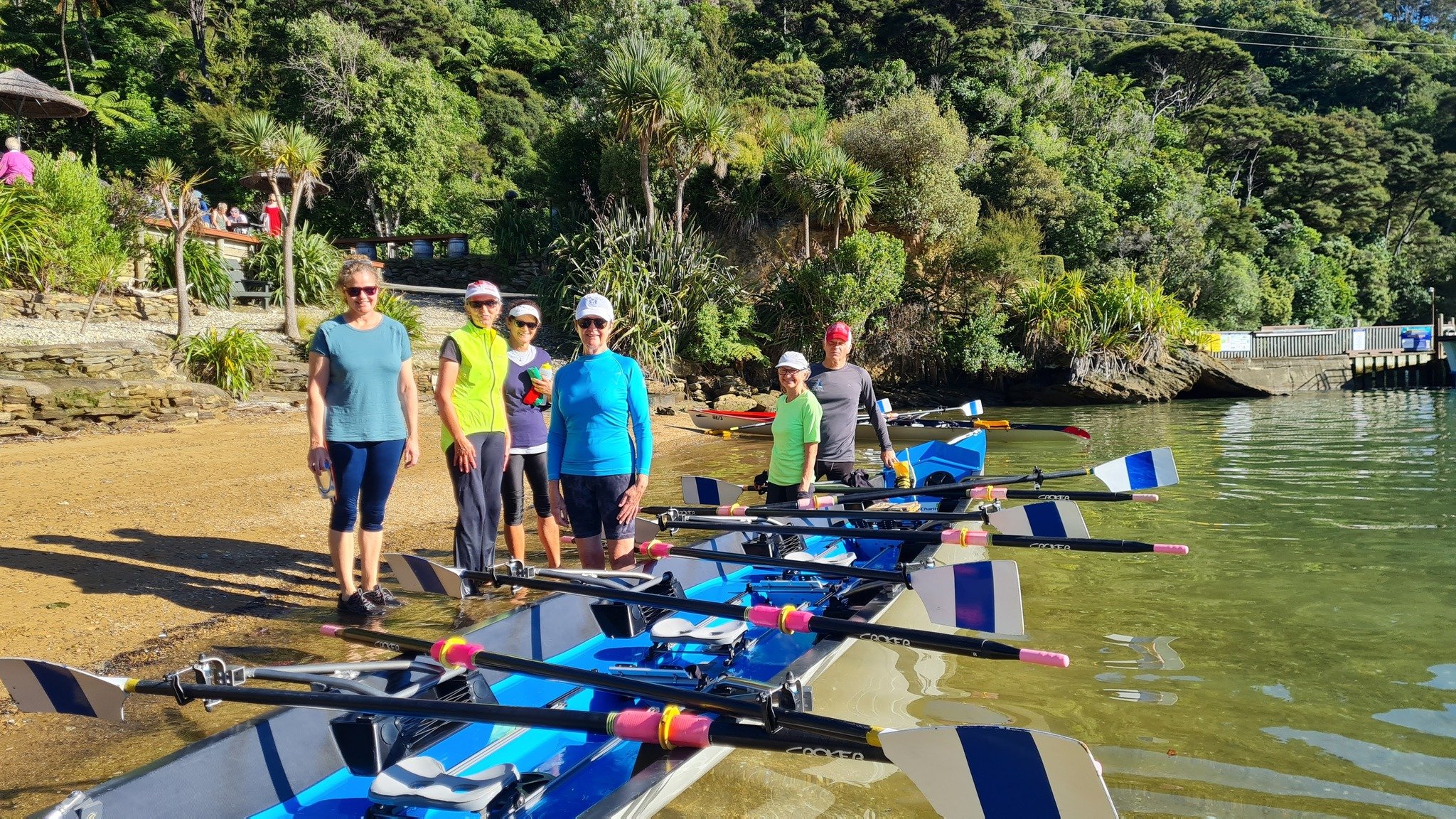
The addition of coastal rowing has been particularly significant. The wider, more stable boats used for open-water rowing feel different from traditional flatwater craft, but they’re proving a gateway. Some members use them as a gentle reintroduction to the sport. Others prefer coastal rowing outright. Either way, the programme has expanded who can participate and why.
There’s also a competitive edge worth noting. Picton continues to deliver strong racing results, which suggests the club has found something genuinely sustainable. Inclusivity and performance aren’t contradictory. They can coexist.
Much of this growth sits on solid ground, literally and figuratively. Port Marlborough, the Rātā Foundation, Pub Charity, Churchill Hospital, The Lion Foundation, Pelorus Trust, Grassroots Trust, Marlborough District Council, and Oxleys Bar and Kitchen have backed the club’s expansion. That support has paid for boats, coaching, and the facilities needed to operate multiple programmes simultaneously.
The real measure of Picton’s success, though, won’t show up in a medal tally. It’s the number of former rowers scattered around Marlborough who thought their rowing days were behind them but found themselves back in a boat. For those people, the discovery that the sport can fit into adult life on their terms is the whole story.