Even a small amount of water in the bottom of your boat can contain thousands of tiny juveniles of this species, which means it is a pest that needs our attention.
The invasive freshwater clam (Corbicula) has so far only been found in freshwater in New Zealand, but it can survive in brackish water – the type we get in some of our inner harbours and estuaries – making it important for anyone moving between freshwater and saltwater to be aware of.
A single Corbicula can produce 400 juveniles a day, or up to 70,000 a year. This means populations can quickly reach high densities, forming piles on sandy beaches and blocking pipes or outfalls. These impacts are frustrating for swimmers and boaties, while for our native ecosystems, they could be catastrophic.
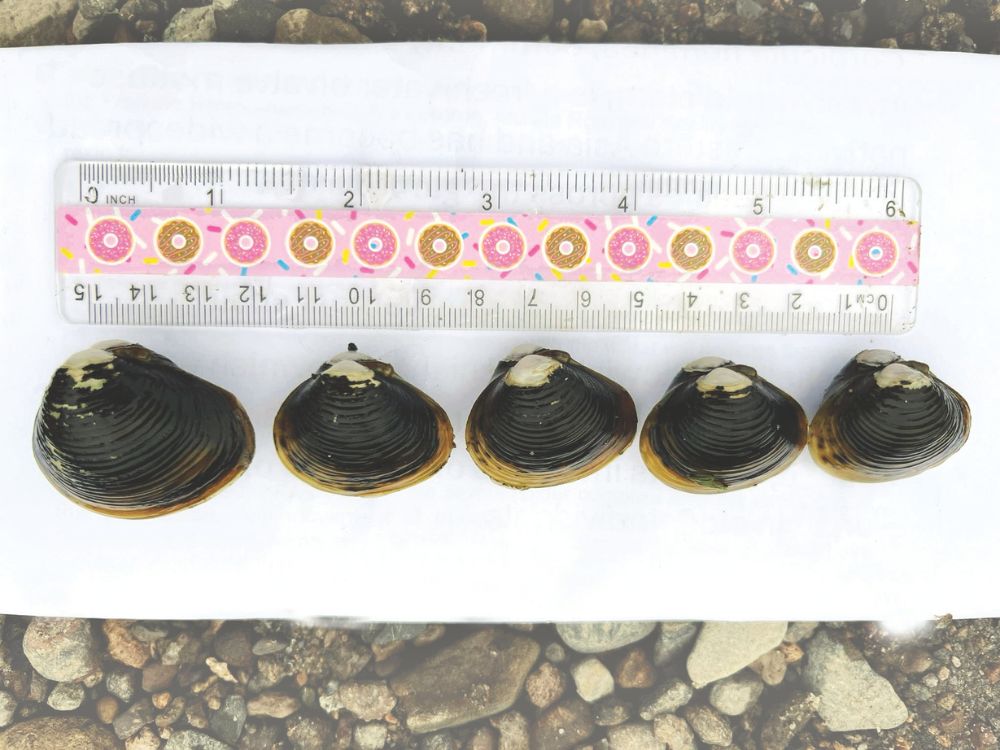
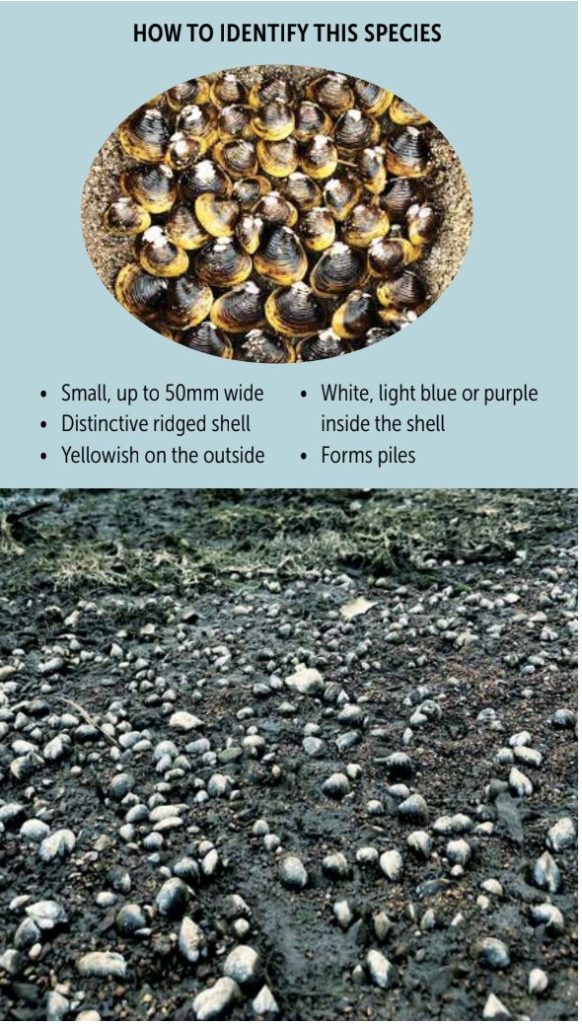
Corbicula are small, reaching up to 50mm in width, with a distinctive ridged shell that is yellowish, dirty-white or tan in colour. The inside of the shell can be white, light blue, or light purple and the clams can be found on the mud/sand surface, partially buried, or amongst debris.
Juvenile clams are smaller than a grain of sand, so too small to see. For boat owners, that means if you move between freshwater and marine environments, take care to know and follow the official Check Clean Dry instructions for the North Island. This means checking for visible material, following specific cleaning instructions to remove any invisible matter, and drying gear for 48 hours.
You can get detailed info on the Check Clean Dry instructions and learn more about this species at biosecurity.govt.nz/clam or your local council website.