Perth is getting its first battery-electric ferries, and Auckland technology is behind the build.
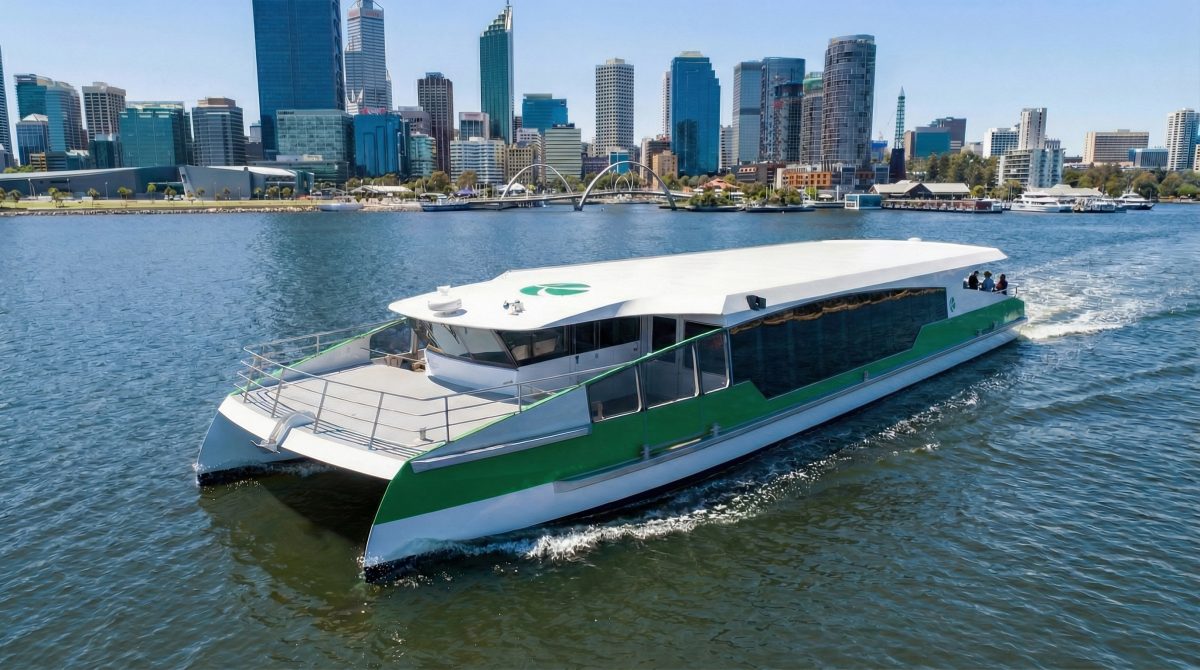
Echo Marine Group has brought in EV Maritime to handle electric propulsion systems integration for five new fast ferries destined for the Public Transport Authority of Western Australia. The Henderson-based shipbuilder picked up the A$66 million contract to construct the fleet as part of METRONET’s expansion of the Swan River ferry network, and turned to the Auckland firm to deliver the engineering behind the electric drivetrain.
Each of the five vessels will run 24 metres long, built in aluminium with a low-wake hull, and is specified to carry 100 passengers at speeds up to 25 knots. Naval architecture comes from One2three Naval Architects, while EV Maritime’s brief runs across the electrical side: engineering the power conversion panels, building the software that manages the vessel and its power draw, and layering a data intelligence platform on top, plus the mechanical engineering needed to support all of that.
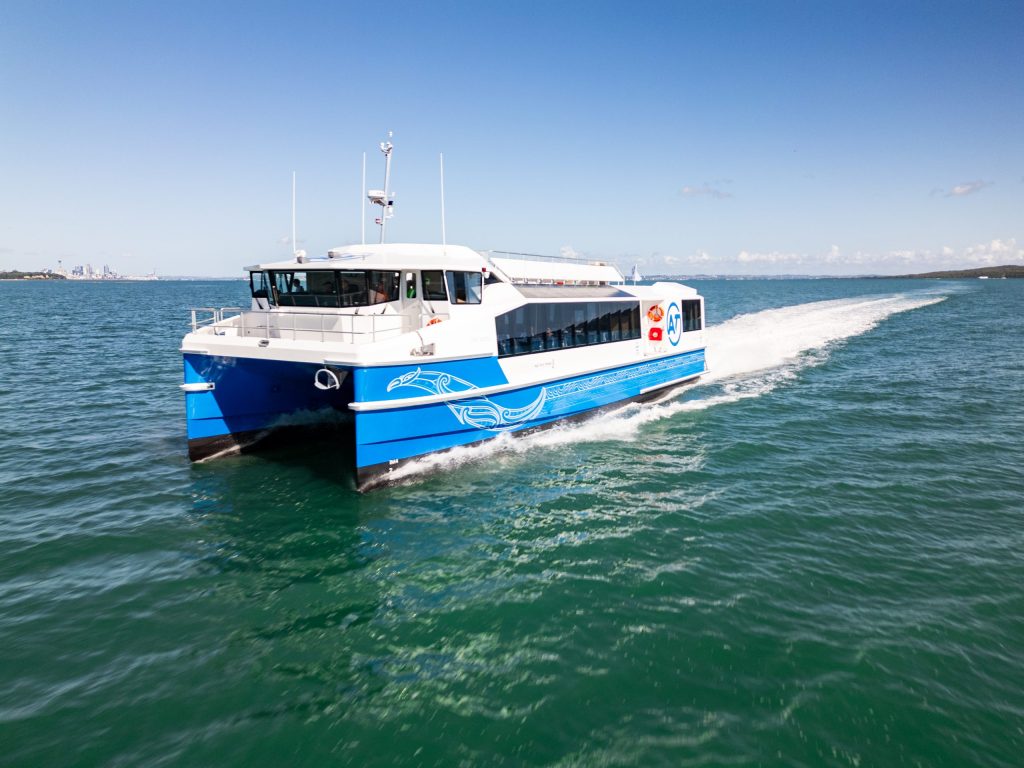
It’s a different kind of job to the one that built EV Maritime’s reputation. Their first commercial vessels, the EVM200 fleet delivered to Auckland Transport, were also 24-metre electric ferries, but carbon fibre rather than aluminium, carrying up to 200 passengers each and ranking among the fastest electric ferries anywhere in the world. EV Maritime owned every part of those builds, from design through to engineering and systems integration, on a standardised platform of its own making.

Perth flips that model. Rather than design the boat itself, EV Maritime is working to a fully custom specification from One2three Naval Architects, stepping back from vessel design to concentrate purely on the electrical and mechanical integration work. Founder and CEO Michael Eaglen frames it as a natural extension of what the Auckland vessels proved, saying the company is “grateful to Echo Marine Group for trusting EV Maritime to deliver the integration package which underpins the capability of these vessels,” and that the Public Transport Authority’s “bold vision and commitment to transport decarbonization” gives the project weight well beyond Western Australia.
Chairman Damian Camp puts the shift in similar terms. The Swan River brief “demanded a custom low air draft vessel,” he says, “but when paired with our standard driveline system, we can now support naval architects and deliver high-confidence electric vessels worldwide.” For Camp, that’s complementary rather than a departure from EV Maritime’s original playbook. As he puts it, EV Maritime “will continue to develop and promote our platform designs as a proven pathway for shipyards around the world,” while partnering with naval architects on custom builds “gives us far more reach and impact.”
The technology itself has moved on since those first Auckland boats. Chief Electrical Engineer Shawn Balding points out that the original vessels “set a new standard for capacity, performance and range for electric commuter ferries,” but the driveline and automation platform now going into Perth is “a significant step up from there again, delivering higher performance, in shorter timeframes, for less cost and simpler installation.”
Echo Marine Group’s read on the partnership lines up with that. Project Manager Anthony Livanos says EV Maritime “not only brings expertise in high-voltage marine systems” but also “extensive understanding of the challenges of designing and building high-performance electric vessel,” calling that combination essential to de-risking the project. Having already delivered “very impressive first boats that are directly relevant to our project,” Livanos says EV Maritime gives both Echo Marine Group and the Public Transport Authority “real confidence in the delivery of this fleet.”
EV Maritime got its start in Auckland, chasing a single goal: getting harbour cities off diesel, ferry by ferry. Boatbuilders around the world can call on the firm for electrical and mechanical integration, and its two standard platforms come in either fully electric or plug-in hybrid form. Right now that work stretches across four countries, with naval architects, shipyards and operators in New Zealand, Australia, Canada and the US all running EV Maritime integration projects. The recognition has followed too: a spot on the 2025 Meaningful Business 100, the only one awarded to an Oceania company and one of just four in mobility globally, plus a 2025 BLAKE Leader for Business gong for founder Michael Eaglen.
Echo Marine Group, meanwhile, has built its name on the harder end of shipbuilding: full-custom design, construction, refit and maintenance of large, complex vessels, all run out of the Australian Marine Complex in Henderson and still family owned. This particular build is worth roughly 130 jobs in the local area, apprenticeships included, and once finished will give Western Australia a first: a public transport fleet running entirely on electric power.
—
The engineering firm Echo Marine Group states the vessel has a maximum structural design capacity for up to 140 passengers.