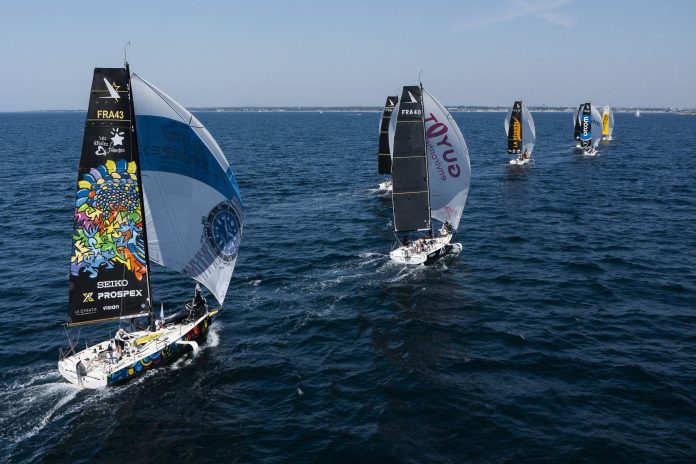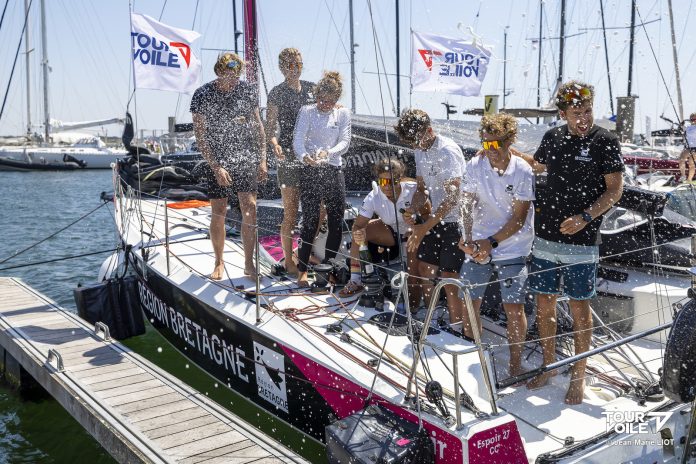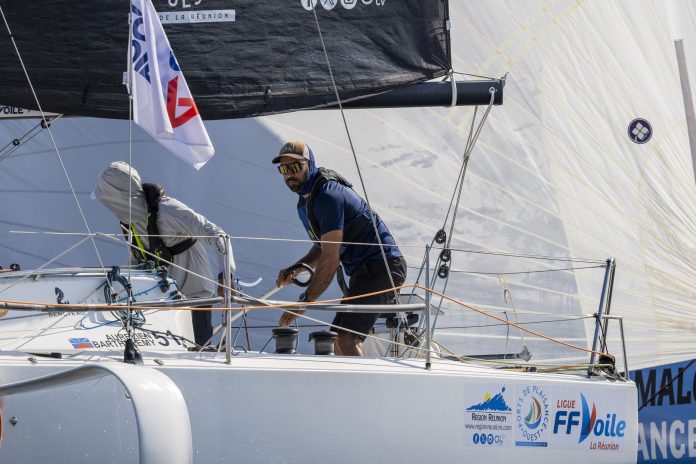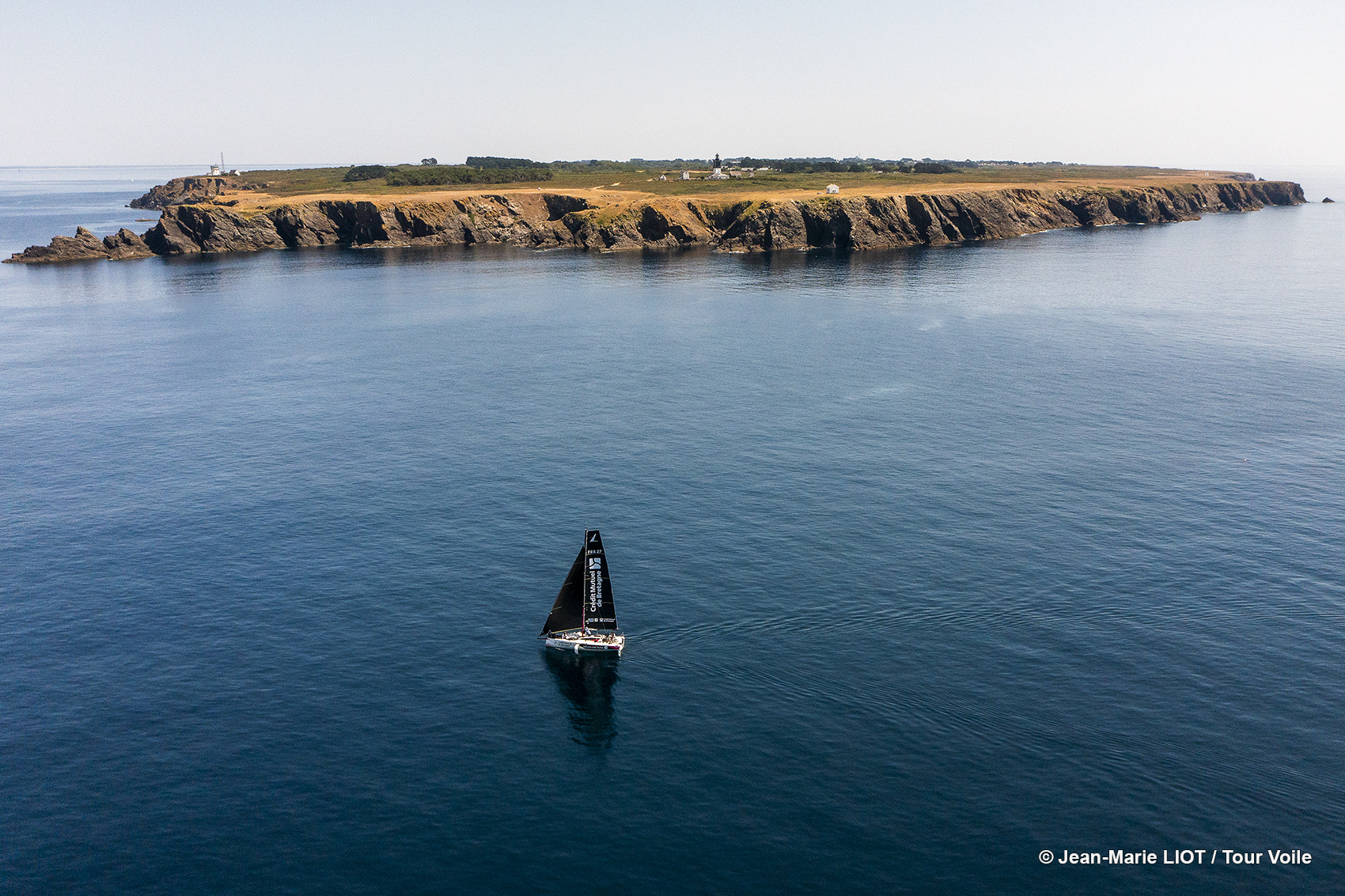
The offshore leg that wrapped up yesterday afternoon marked a significant turning point in the 47th edition of Tour Voile. After thirty gruelling hours of open-water racing between Camaret-sur-Mer and Larmor-Plage, crews are now shifting gears entirely. This Saturday brings a complete change of venue and tactical challenge: inshore regatta courses in the Lorient anchorage, where conditions promise to be every bit as treacherous as the miles-long offshore stretches—just in a very different way.
The Race Committee is banking on morning winds to run two structured courses before conditions deteriorate. What happens next remains uncertain. A prolonged transition phase could suspend racing for hours, potentially giving way to thermal sea breeze racing in the afternoon. Scattered thunderstorms are also forecast for late in the day, any of which could dramatically shuffle the standings once more. The weather forecasts that looked reliable on the chart table have proven repeatedly unreliable on the water.
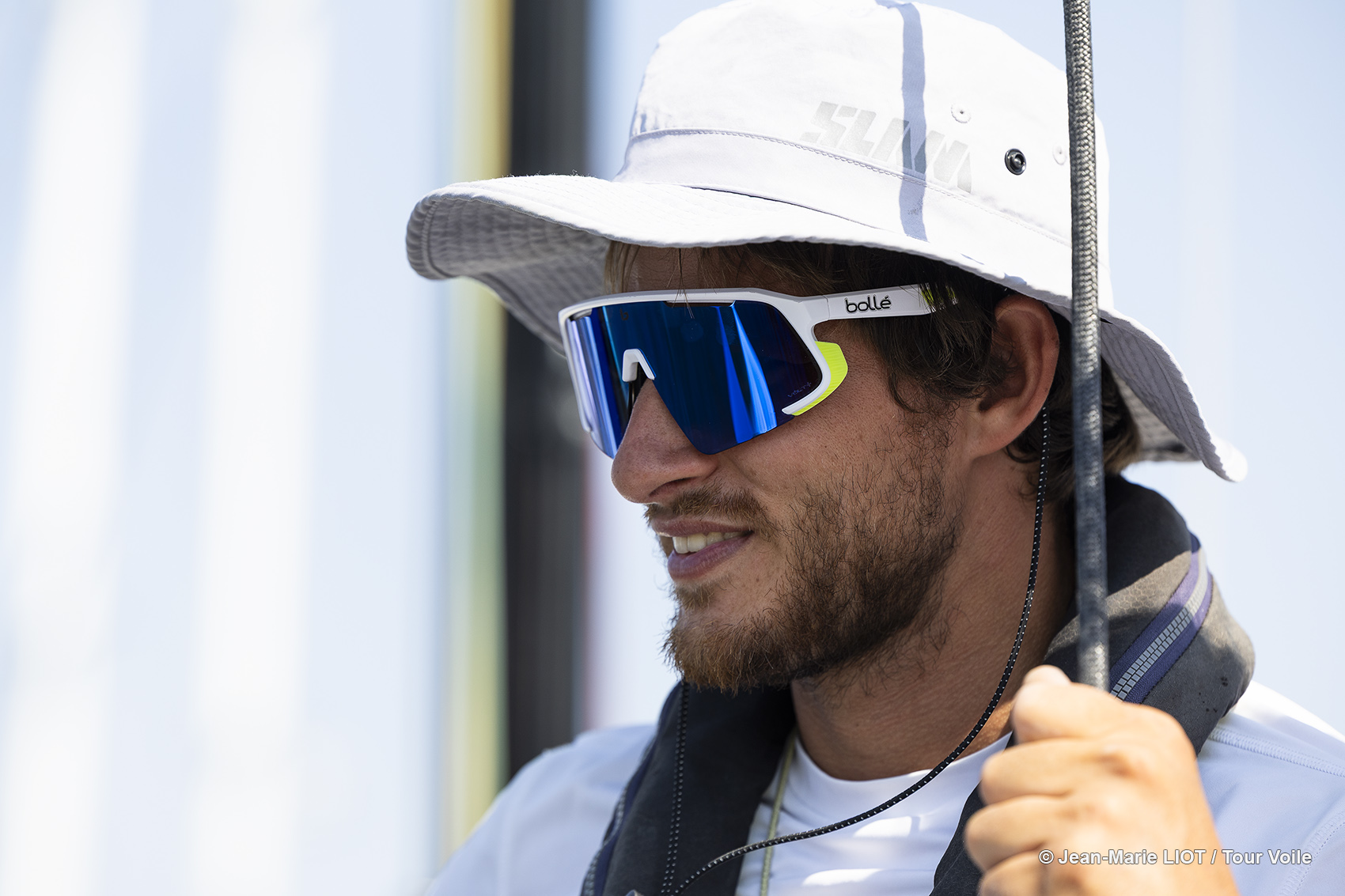
This unpredictability has become the defining lesson of the Breton leg. Crews have learned that wind files offer tendencies, not certainties. During the offshore stage, transitions unfolded in patterns that bore little resemblance to what was predicted hours earlier. Teams now understand that success depends less on anticipating what should happen and more on observing what actually is happening—and adjusting strategy within minutes accordingly.

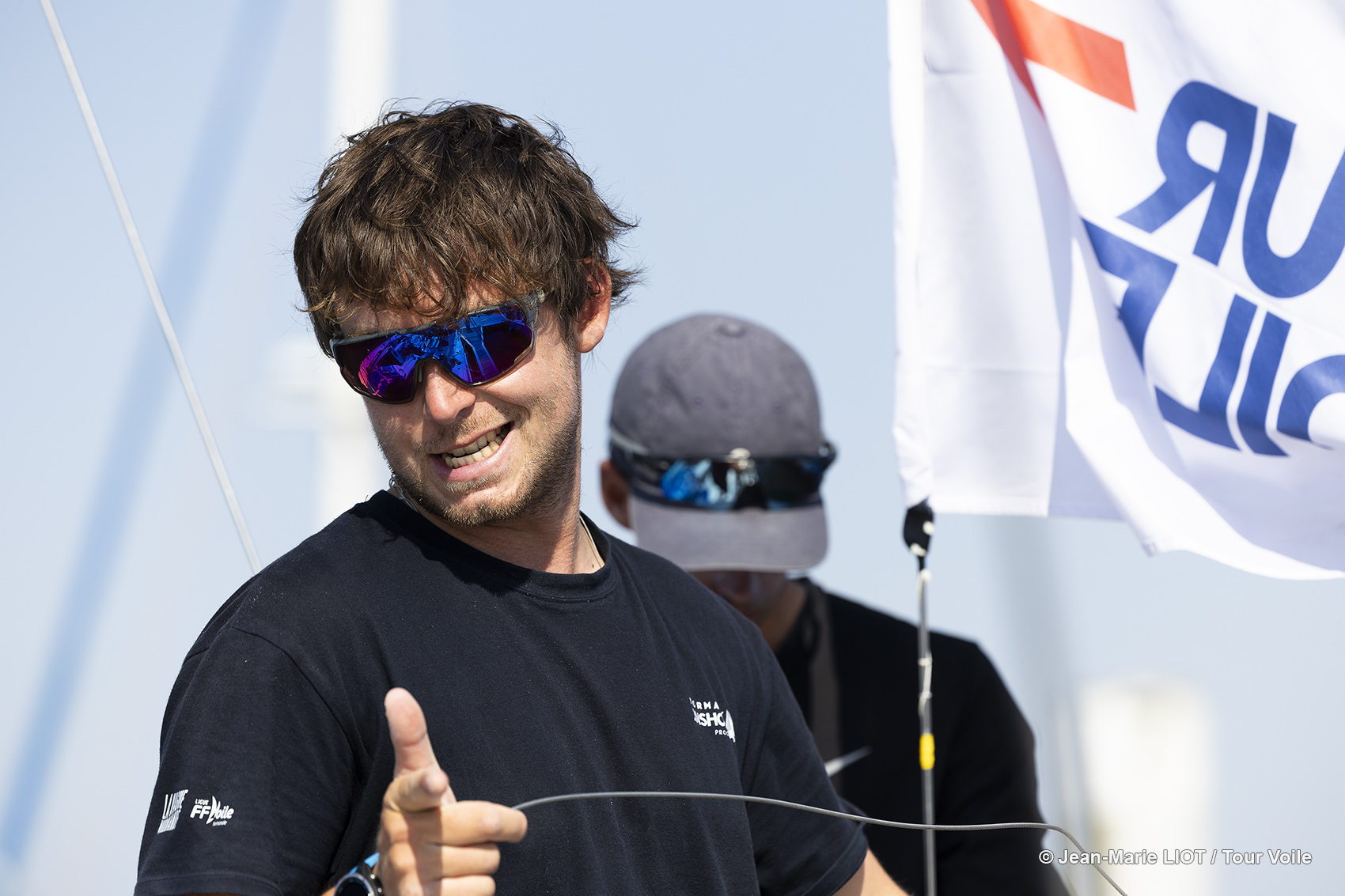
A Tight Race for the Podium
With only two days of inshore racing left, every point matters. Région Bretagne–CMB Espoir has built a commanding lead and appears to have a firm grip on the overall title. Behind them, the standings remain volatile. The fight for third place is particularly intense: just six points separate PAPREC by Normandy Inshore Program from La Réunion after yesterday’s strong offshore performance hurt PAPREC’s position. Further down the fleet, no team has abandoned hope of improving its standing or defending what it holds.
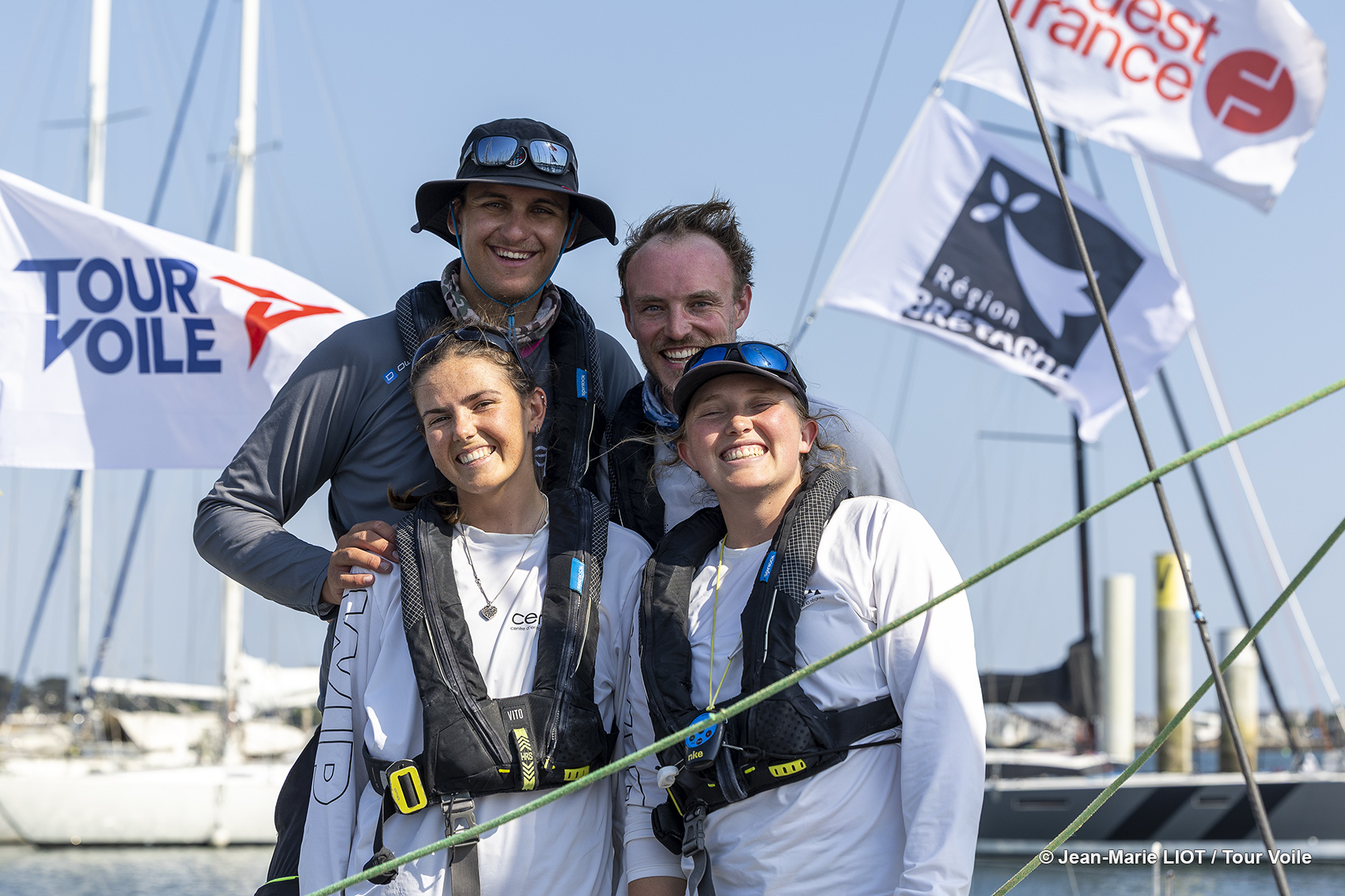
In conditions this unpredictable, the fastest boat may not take the day. The crew that adapts quickest, reads the water most keenly, and changes tactics without hesitation will be the one capitalizing on the opportunities that emerge.

Arno Biston, sailing with Dunkerque–Kiloutou, emphasized the need for clarity in chaotic conditions. “You cannot tell yourself stories,” he said. “You have to observe, adapt, and navigate with what you actually see in front of you.” His team has sailed with Arthur Meurisse throughout the season and is treating these final races as a chance to execute cleanly and seize any opening Région Bretagne–CMB Espoir might leave.
Noa Goeffroy of PAPREC acknowledged the pressure mounting after yesterday’s difficult race and La Réunion’s strong finish. “Everything comes down to the last two days in Lorient,” he said. His crew is welcoming a fresh helmsman, Marin Micoulot, and banking on opportunism and the unpredictability that has defined the week. “As long as you haven’t crossed the finish line, nothing is decided,” Goeffroy noted.
Nicolas Goumaz, sailing for CER–Ville de Genève, reflected on the tournament’s larger meaning. His team is stronger in inshore racing and knows conditions will remain fluid. More importantly, Goumaz sees the Tour Voile as a learning experience. “Even when results are a bit weaker, those are often the days we make the most progress,” he said, noting that his crew’s experience with unstable winds on Lake Geneva has prepared them well for exactly this kind of tactical puzzle.