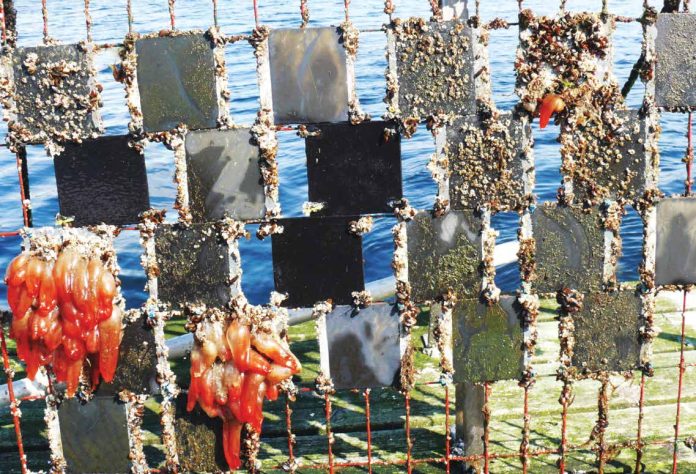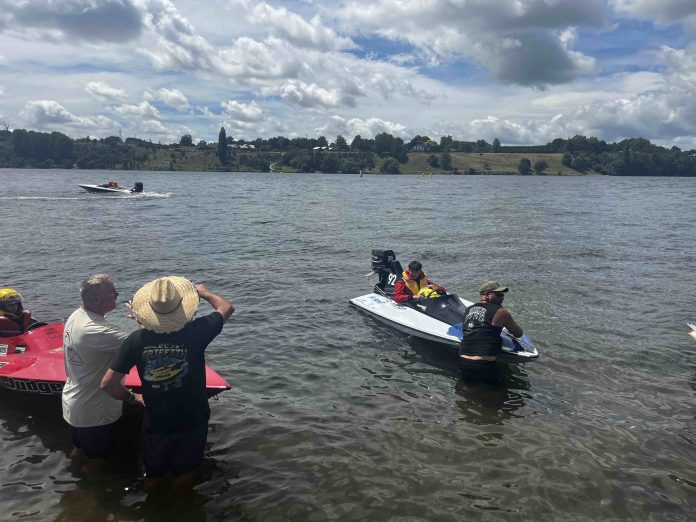
Monitoring is underway across reefs and seafloor in the Hauraki Gulf/Tīkapa Moana during the first year of new marine protections. The Department of Conservation (DOC), working with mana moana and research partners, is surveying habitats inside and outside protected areas to establish
a baseline of marine conditions.
This monitoring supports the Marine Protection Act’s goal of restoring the Gulf’s health and mauri by assessing ecosystem condition, tracking
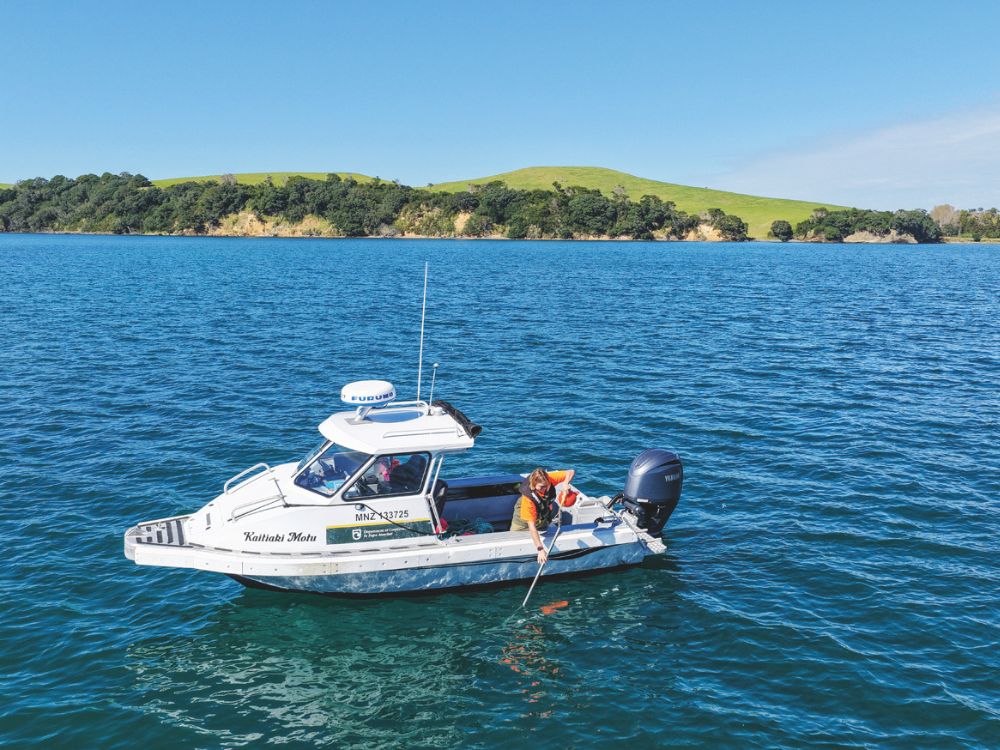
changes, and evaluating protection measures. The 12 new high-protection areas aim to encourage restoration, such as reseeding shellfish and reducing sea urchins. Surveys focus on key species including reef fish, lobster, scallops and seafloor organisms, using methods like diving, potting, and underwater cameras. Data from this ‘snapshot’ will be reported publicly every five years, with initial findings expected in 2026/27.
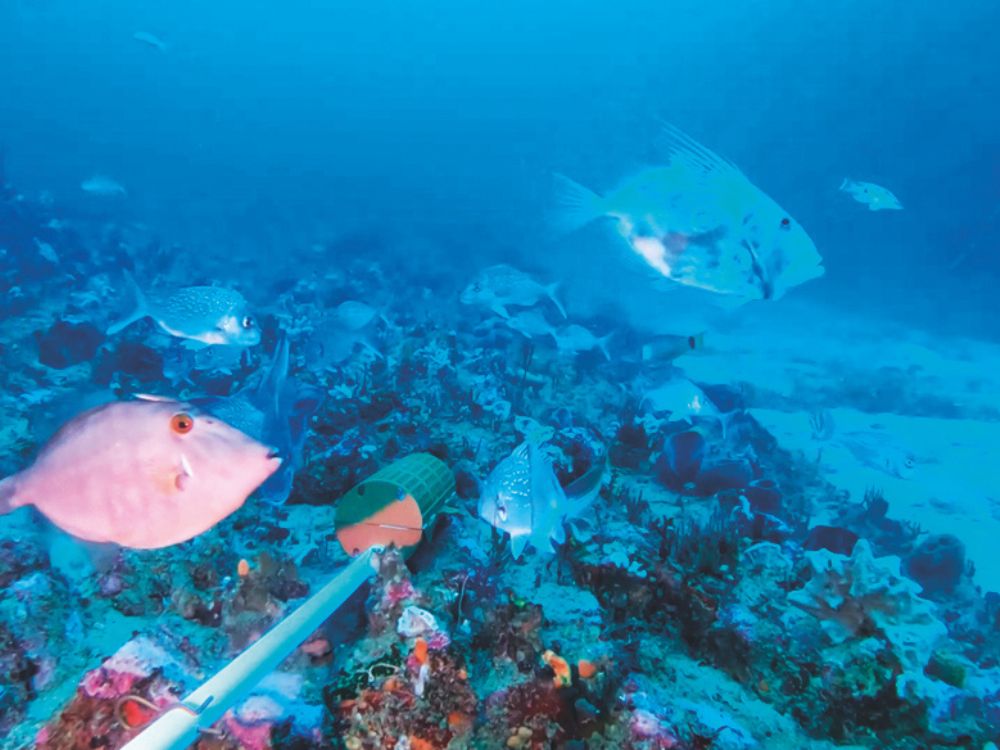
Healthy reefs and shellfish beds provide essential breeding and shelter habitats. Reduced fishing pressure in protected areas supports marine life growth and reproduction, with compliance from fishers contributing to ecosystem recovery.