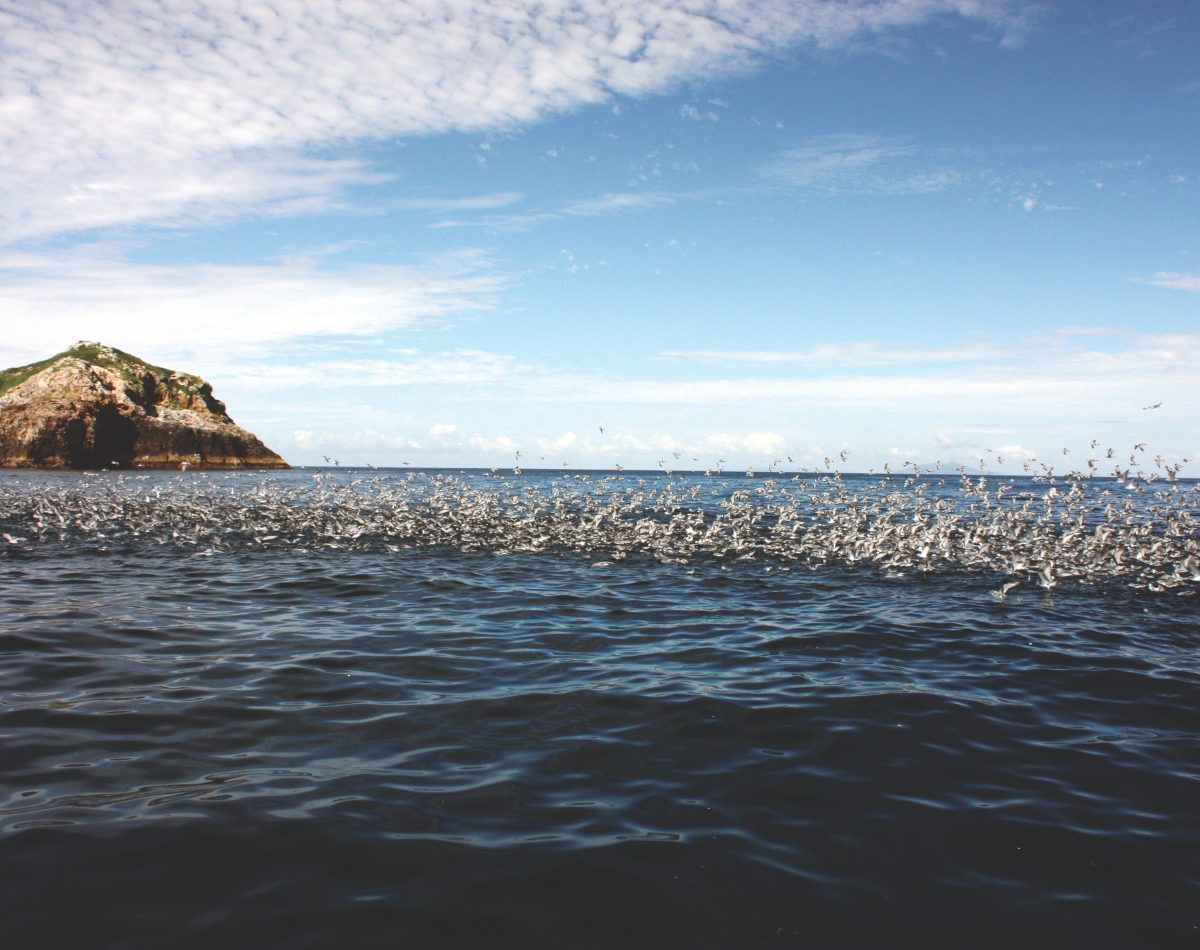
Seabirds are our friends, leading us to feeding fish, so let’s afford them the care and respect they deserve.
I have always thought “I swerve for seabirds” would make a great bumper sticker. Either way, I fully support the sentiment, as we really need to look after them.
Around 33% of the world’s seabirds (that’s 145 of the world’s 346-360 seabird species) are either residents or visitors to New Zealand’s territorial waters. Of these, 95 species breed here, with a third of them breeding nowhere else. We should, therefore, feel some responsibility to look after them.
I haven’t always felt this way. In the early days I vividly remember instances of being aboard boats that charged through groups of birds sitting on the surface, with the occupants often laughing at those birds ‘knocked arse over kite’ in our wake. But as time passed and I matured, I began to realise that some of those birds were obviously injured, knocked out, or dead. Not cool!

These days, with boats now faster and quieter than ever, the potential for them to cause harm has increased exponentially. And, of course, there’s also the problem of the seabirds unintentionally caught on our fishing tackle.
So, with seabird numbers plummeting globally, it’s now more important than ever to keep our impact on them to a minimum.
Swerving for seabirds
These days many bigger launches can reach 30 or even 40 knots, so one colliding with lightweight seabirds protected by just a few millimetres of soft feathers seldom ends well for the birds.
The impact of bird injuries and deaths is especially serious during breeding season, when many roaming seabirds have nests with mates and hungry chicks waiting for them to return with food. If the foraging bird is killed or injured and doesn’t return, one dead bird can become two or more. So again, we owe it to them to swerve.
Unfortunately, some skippers of big, fast, powerful, and expensive vessels, especially those accompanied by a few of ‘the boys’ and some cold drinks, find this manoeuvre surprisingly hard to execute. A bunch of seabirds sitting quietly on the water can seem insignificant from the lofty heights of the flybridge (“Outta the way, birds! We’re comin’ thru!”), but slightly altering course to avoid hitting them is hardly difficult, and doing so makes a positive difference and sets a good example.
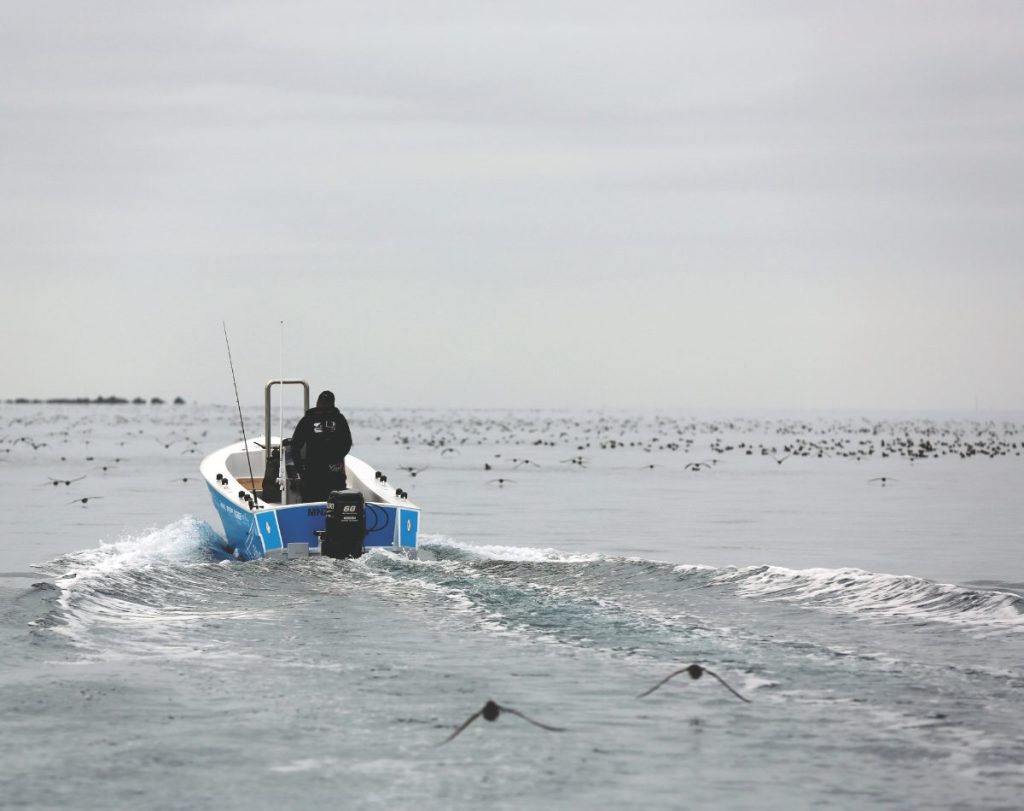
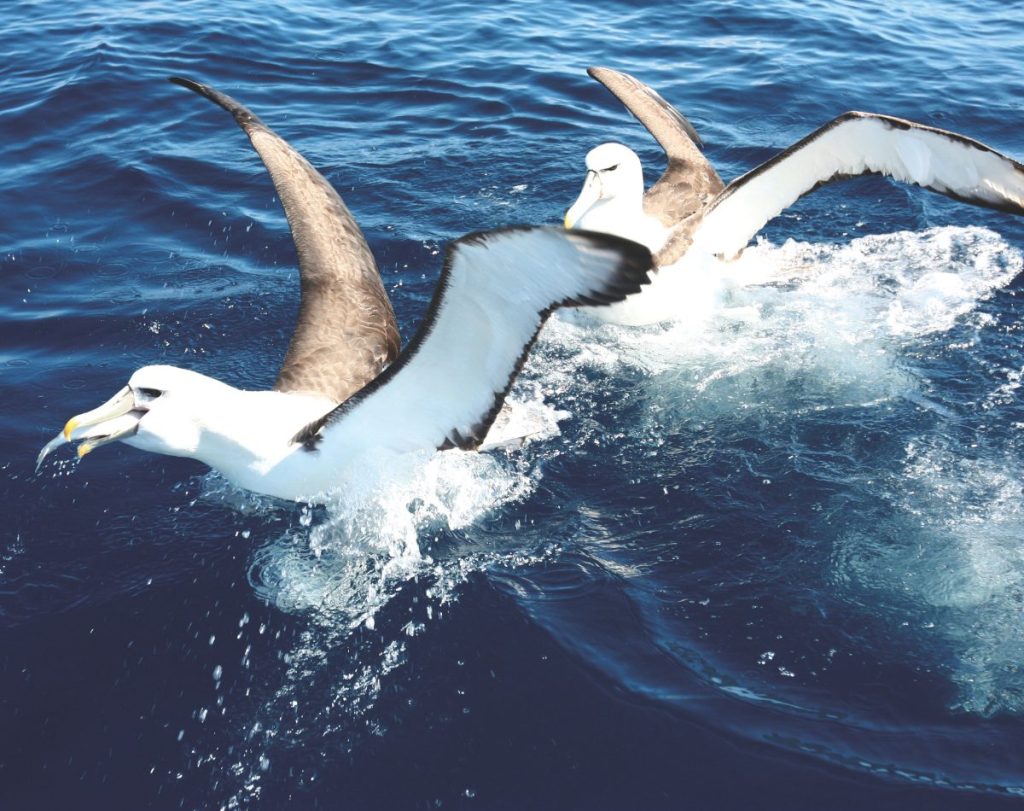
But in which direction should you swerve? This is largely determined by the direction of the wind: seabirds always face into the prevailing wind and swell for comfort and to enable them to lift off the water more quickly. They do, however, still require a little time and enough ‘runway’ to scramble up and away from oncoming boats, so pass behind them if at all possible. Birds facing into the wind find it hard to see and hear boats coming up from directly behind them, so be extra cautious in such scenarios.
And if the area ahead is so crowded with bird life that steering around them is nigh-on impossible, please slow right down and choose the least cluttered path through them.
Fishing and seabirds
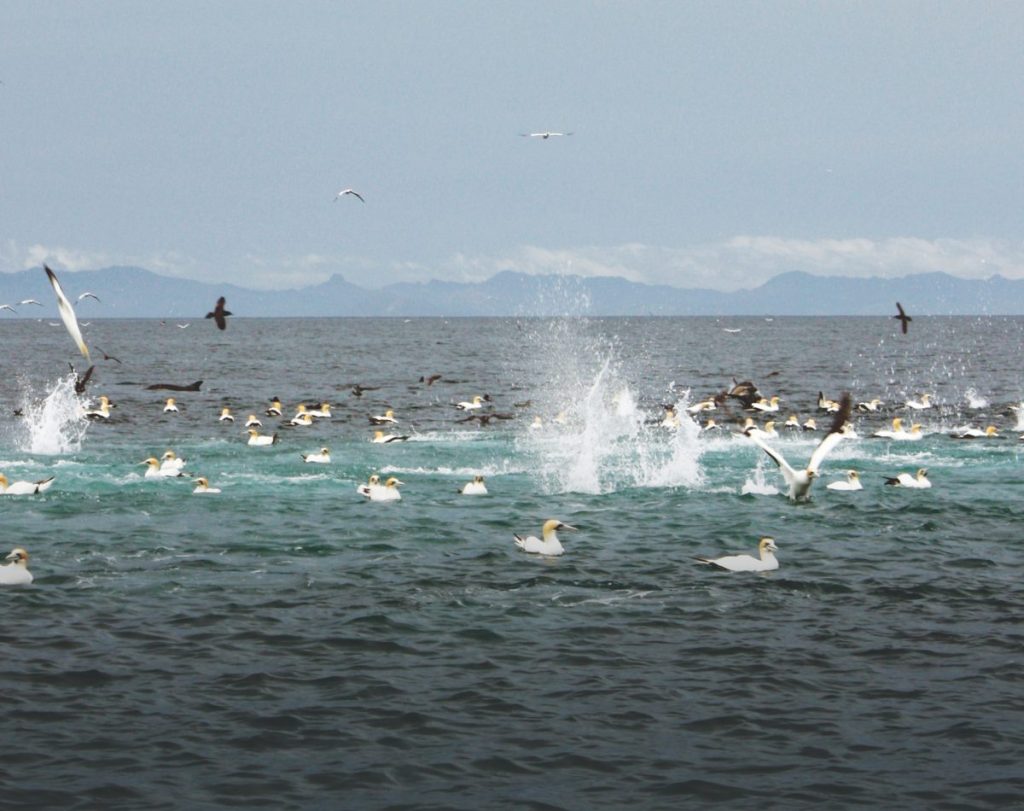
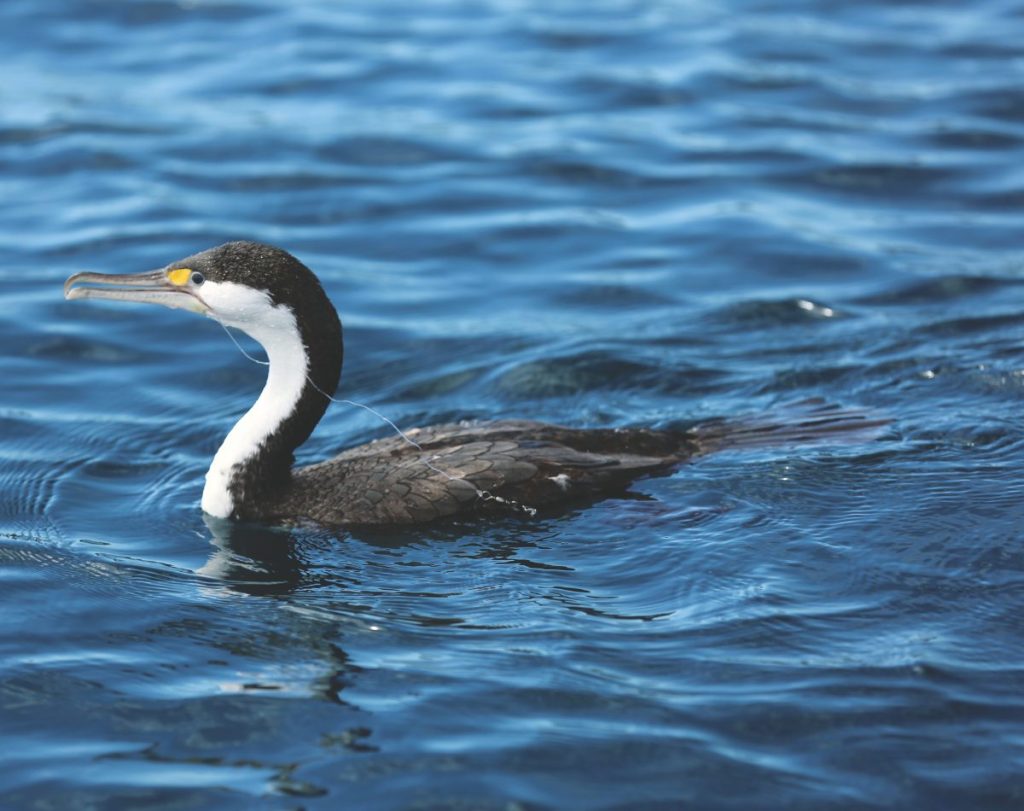
Seabirds are my little mates. On innumerable occasions their presence has drawn my attention to some worthwhile fishing opportunities. Bird activity ranges from literally thousands of gannets plummeting into the water to tightly packed groups of sooty shearwaters peering under the surface at baitfish schools below them, or perhaps just a few fluttering terns signposting predators feeding just under the surface. Even a few actively feeding shags or penguins can be useful.
So I like to look after them, but they also sometimes really piss me off!
I get annoyed with them more often when I’m fishing with baits and berley, especially when stray-lining, because seabirds sometimes grab baits and berley before they get a chance to sink. Understandably, this sort of behaviour is at its worst when the birds are starving. We humans are often to blame here, too, for netting so much of the baitfish they rely on to survive!
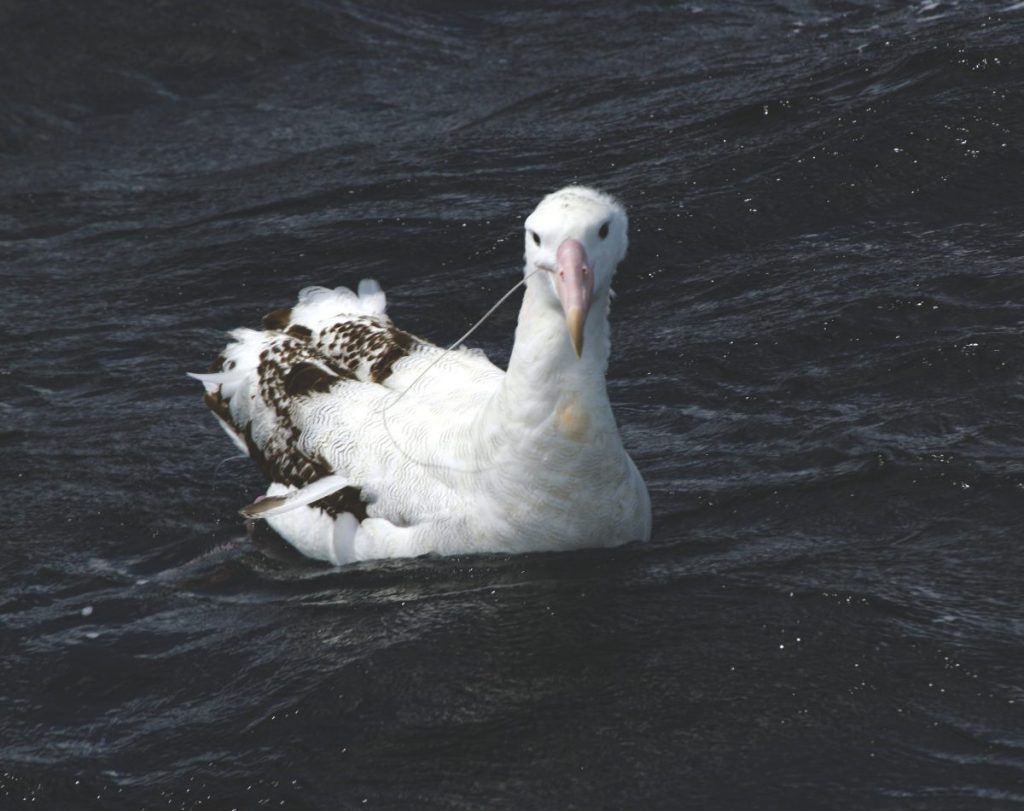
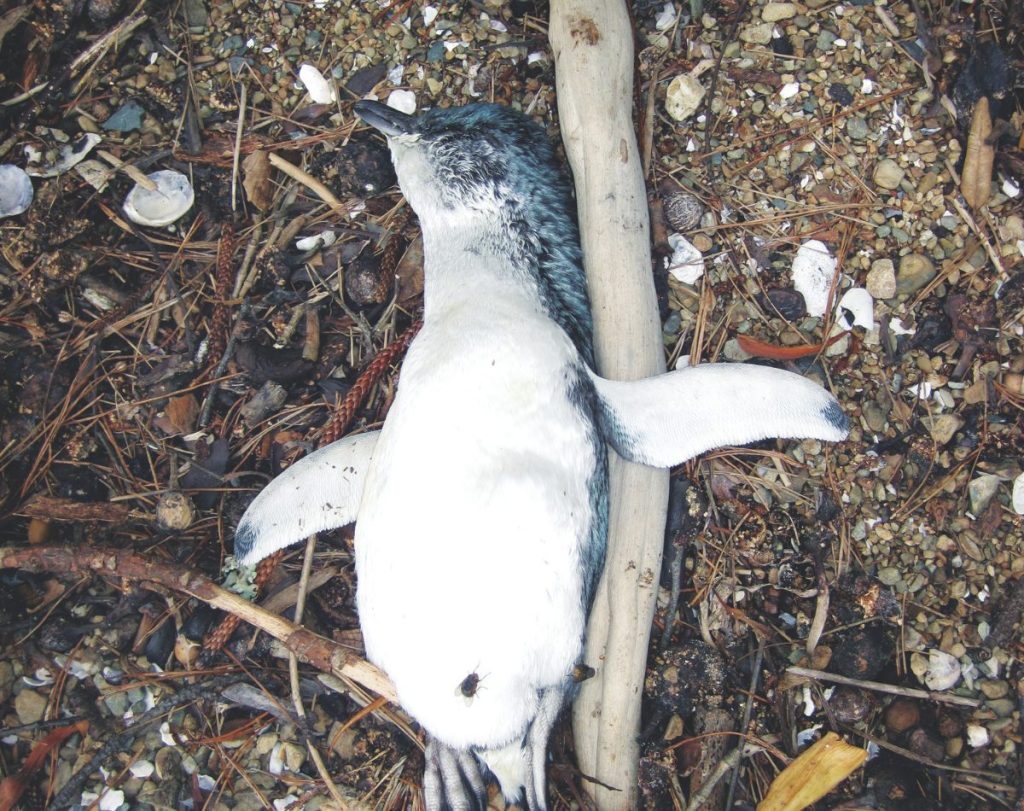
Whether starving, greedy or just plain stupid, seabirds are frequently hooked or get caught up in our fishing lines, with the potential for death or injury to the birds concerned.
So what can we do to avoid or reduce these problems?
I suggest the following:

- Add more weight to ‘stray-line’ rigs to make the bait sink faster.
- Move to deeper water and fish with a more heavily weighted ledger rig.
- Spray nearby seabirds with the deck hose – surprisingly, they hate that!
- After casting your bait away from the boat, keep a close eye on nearby birds. If they dive soon after your bait splashes down and your line starts acting unusually, or the birds begin squabbling over something on the surface, DON’T strike! Instead, wind in steadily to make it more difficult for a bird to get the bait down properly and to reduce the chances of the hook being set properly, even if the bait’s been swallowed.
- Feeding seabirds is not encouraged, as it makes them associate humans with food. However, in times of desperation, I have been known to throw a scrap of old bait one way, wait for the birds to all rush over and squabble, then cast my bait in the opposite direction. Seabirds can be quite clever: they watch what your hands are doing and react accordingly. I take advantage of this by perching my lightly weighted bait on the transom and then making dramatic casting actions with my arms, while simultaneously nudging the bait into the current with my foot.
- If using live baits, try to deploy them at a depth that shags or gannets, if present in the area, are unlikely to reach.
- Use circle hooks, as their design means they slide up and into the side of the birds’ beak where they can be removed, rather than lodging deeper down, making hook removal impossible or likely fatal. Also, squash the hook’s barbs – they are not really needed on circle-type hooks anyway.
- Consider changing over to a soft bait or jig. Lures work better when drifting, but thinking anglers can often still get results from anchored boats at times, especially if the depth is over 20m.
- Be considerate when using top-water lures around surface-feeding fish; if gannets are around, they are likely to dive-bomb your offering. Again, consider squashing hook barbs in case the worst happens, and/or change treble hooks over to singles.
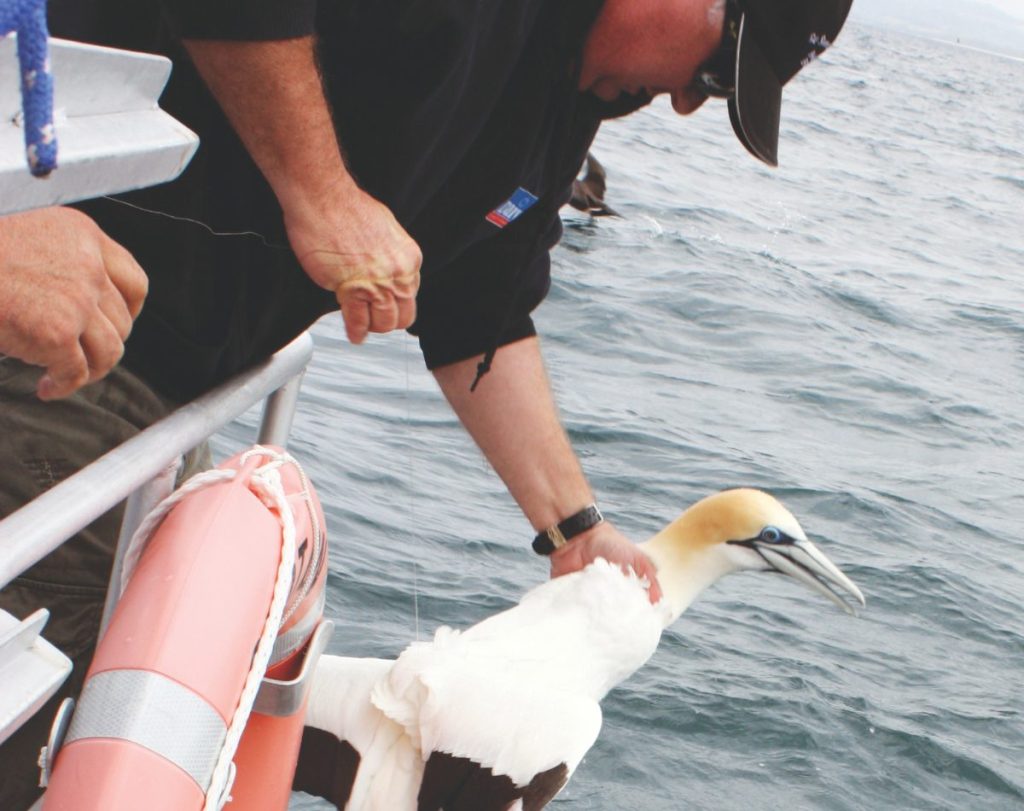
- Should a seabird become hooked or caught in your fishing line, wind it in smoothly, calmly, and gently. Ideally combine with a mate, especially when dealing with the larger birds, with one person controlling the head (and beak!) and scratchy feet while the other untangles or de-hooks the bird. Covering them in a towel or garment can calm the bird and provide handlers with protection from sharp beaks and claws. If possible, squash the hook’s barb before trying to remove it. In worst-case scenarios where birds are hooked deep down, cut the nylon as close as possible to the mouth. Always gently release a bird close to the water’s surface.
Finally, I shouldn’t have to close with this, but after seeing many acts of intentional cruelty to seabirds in the past, be mindful that such acts potentially carry punishments of a fine up to $100,000 and/or imprisonment for up to two years!