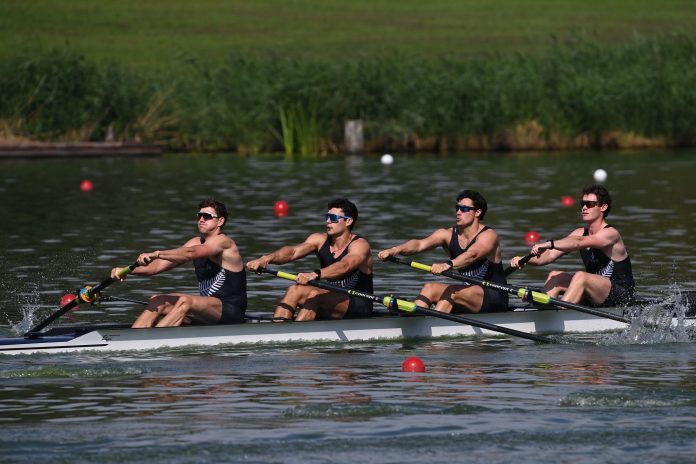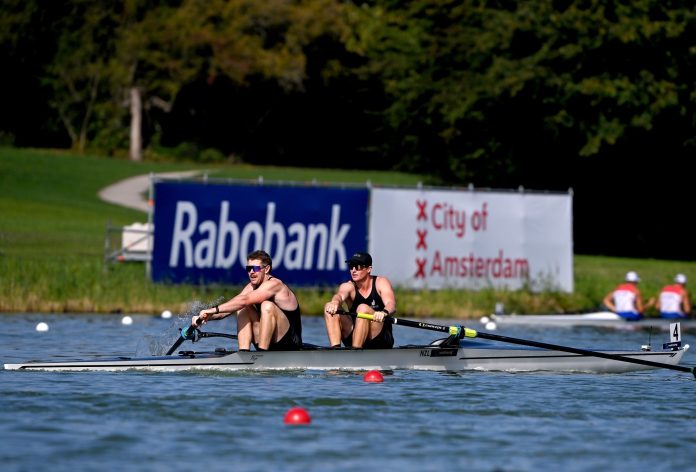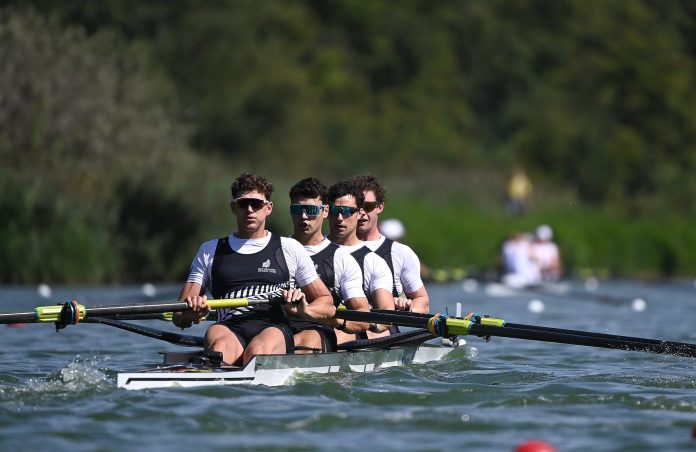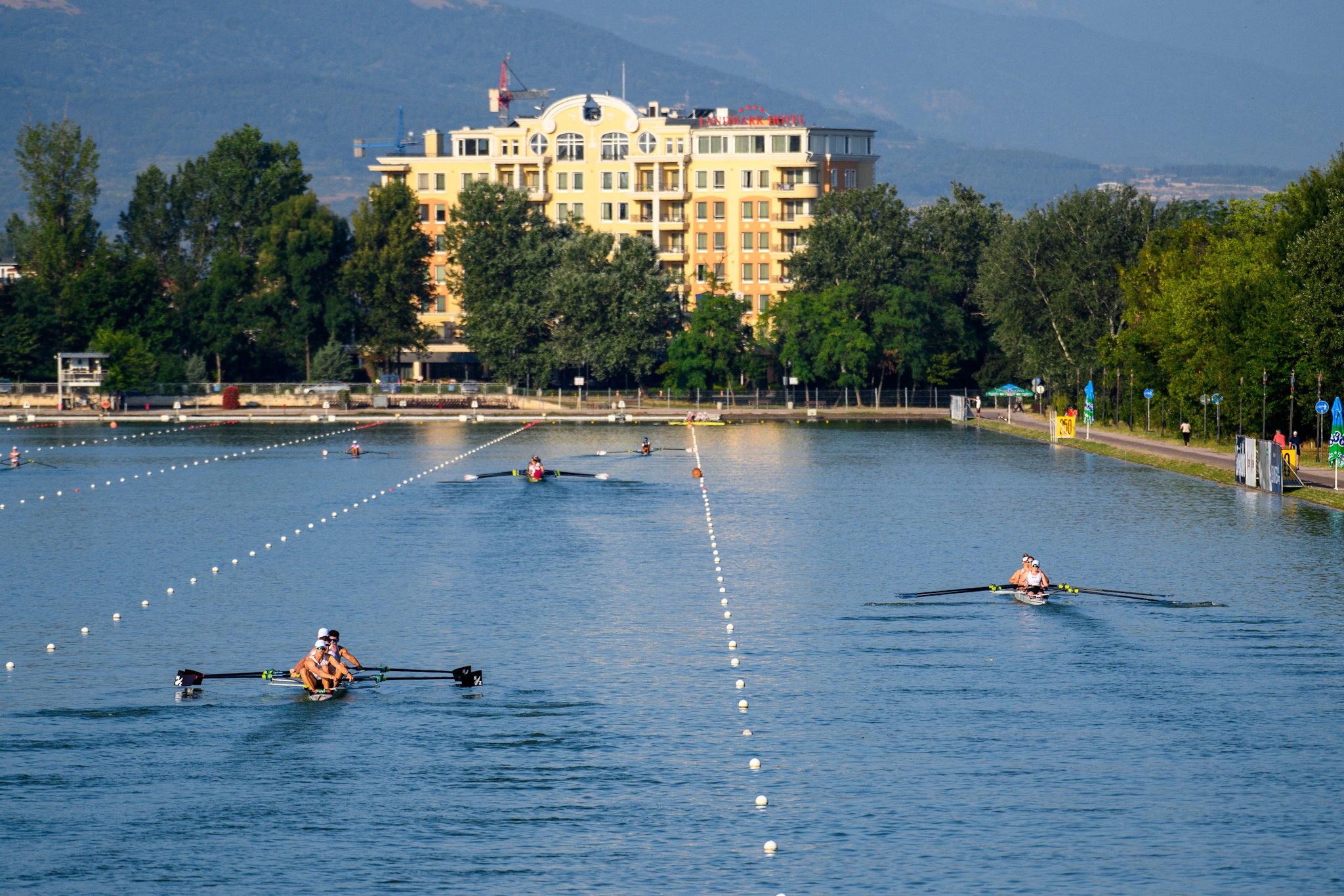
Rowing New Zealand has cast its net across North America to assemble a U23 squad for the June trials at Lake Karāpiro, pulling together seven male rowers, three female rowers, and two coxswains based at universities throughout the United States and Canada.
The trial window, scheduled for 15-20 June, will test athletes who have largely built their rowing programmes overseas. Emma Bagrie rows for Stanford, Harriet Thompson for Washington State, and Madeline Cox for UC Berkeley, while the male contingent spans Pennsylvania, Northeastern, Syracuse, Washington, and Harvard. The coxswains, Hunter Rowland and Oliver Duncan, represent Waikato’s strong tradition in that role.
Four athletes are new to this selection cycle. Alex Logan, Edward Botherway, and Luke Hickling are among those invited to confirm their attendance by 18 May. For Botherway and Hickling, both from Avon Rowing Club but studying at Northeastern, the trial represents a chance to demonstrate their potential at national level. Logan, training at the University of Pennsylvania under North Shore’s banner, faces the same opportunity.

The logistics are deliberate. Athletes must arrange their own travel, though accommodation at Karāpiro will be covered. It’s a practical acknowledgment that international-based rowers often operate outside the domestic network, managing their own club affiliations and university commitments while maintaining a pathway back to New Zealand selection. The system works because it has to—these athletes are investing significant time across the Tasman, and New Zealand rowing has learned to meet them halfway.

Karāpiro in mid-June offers ideal conditions: the lake is settled, the winter racing season in the Northern Hemisphere is done, and the athletes can focus entirely on the task. Rowing New Zealand will be watching for consistency across the three-day trial, looking beyond single performances to see who has maintained their edge while studying and training abroad. For some, it may be their first serious conversation with the national programme. For others, it’s a continuation of a pathway that began years earlier.
The trials serve a practical function too. They feed into selection for the U23 World Rowing Championships later in the year, where New Zealand will want to field competitive crews. Building from a distributed athlete base—rather than relying solely on domestic programmes—has become routine for the organisation. These trials are where theory becomes reality.