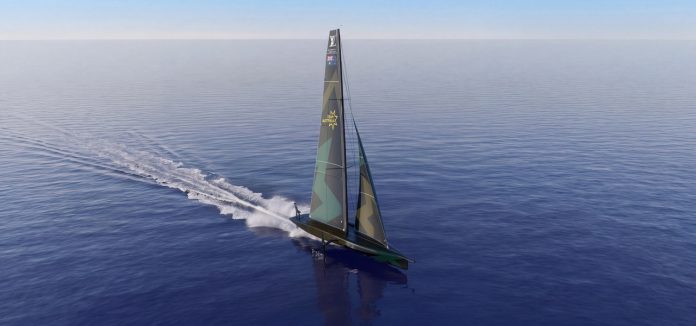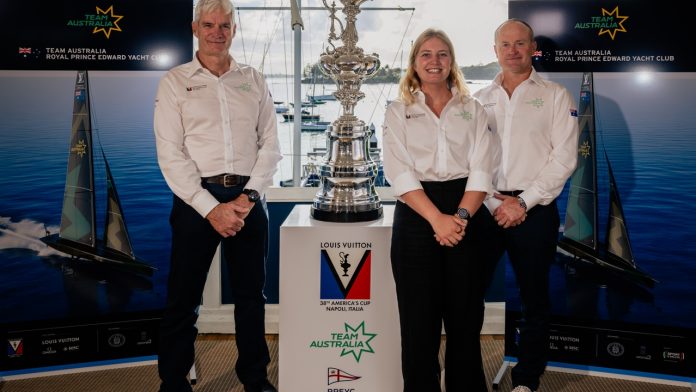
The first preliminary regatta of the Louis Vuitton 38th America’s Cup, coming to Sardinia from May 21 – 24, represents a unique opportunity to showcase this magical island beyond national borders.
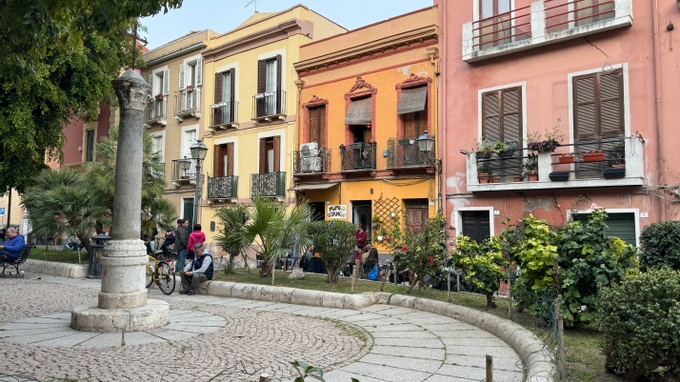
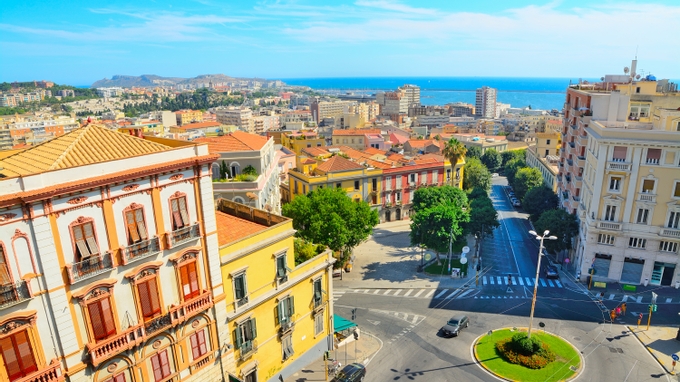
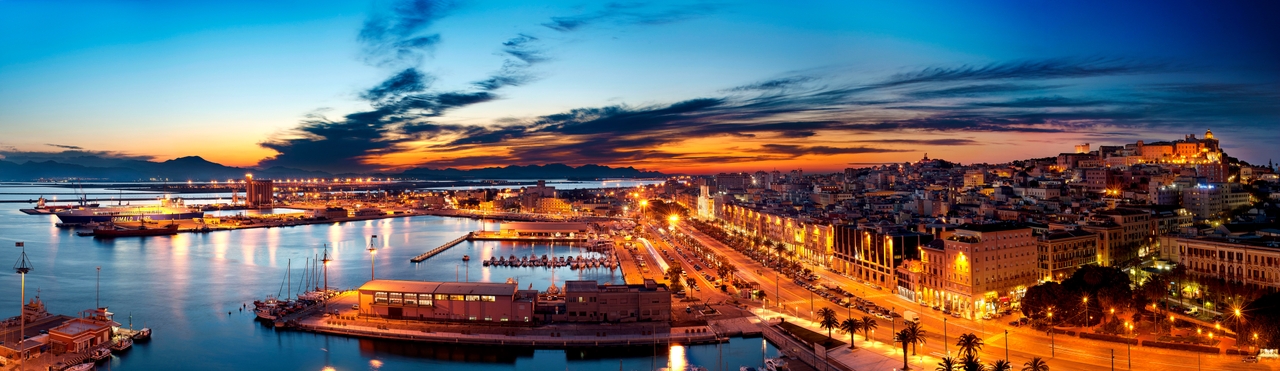
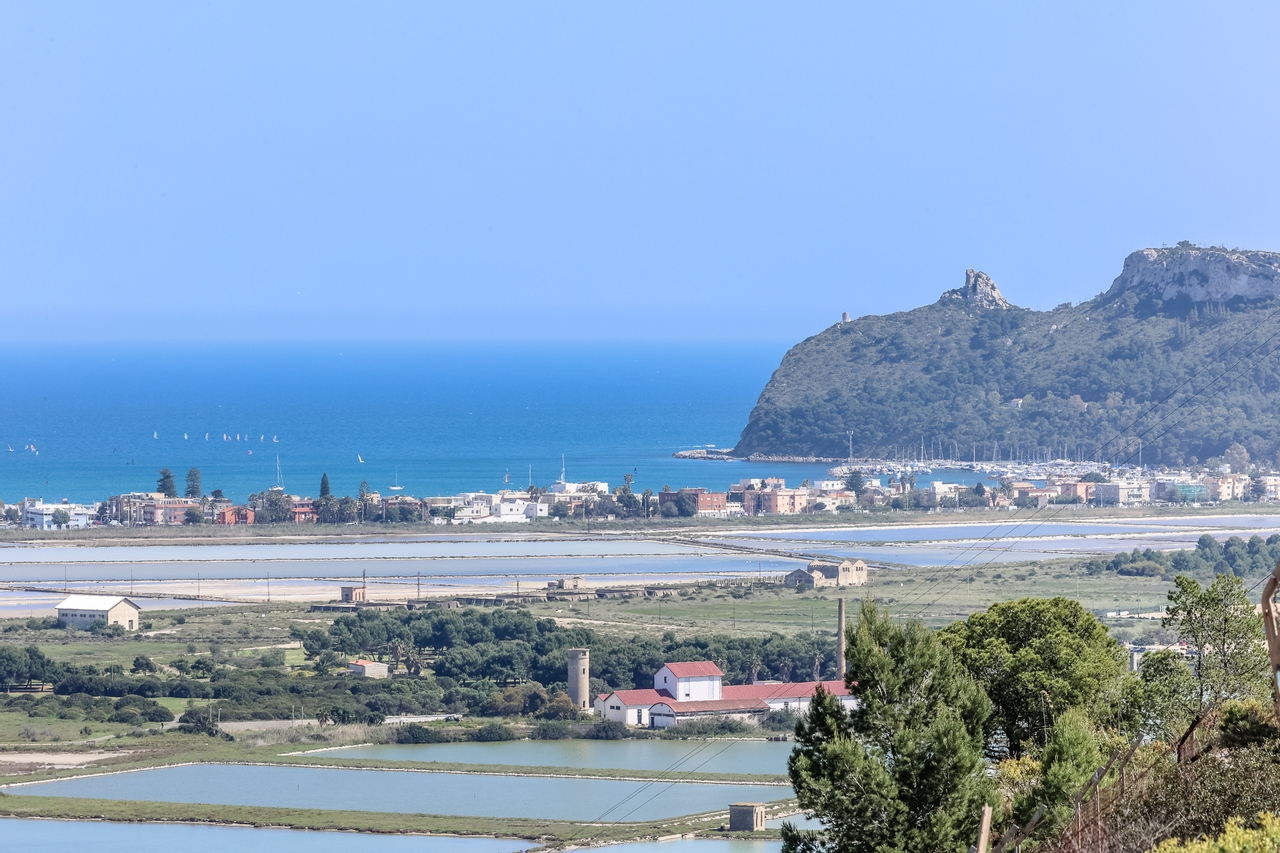
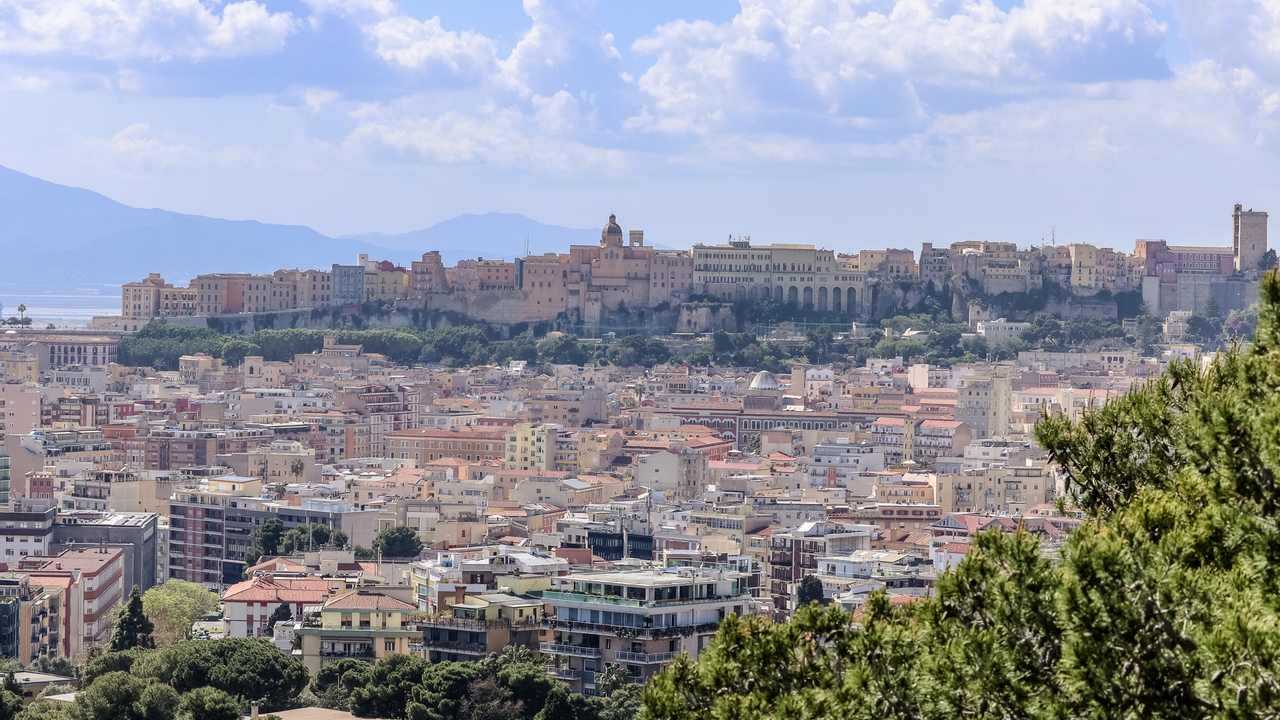
Cagliari, the port city that will host the AC40 races – masterpieces of technology and power – is one of the oldest cities in the western Mediterranean. Rich in history and culture, it offers views that will make you fall in love.
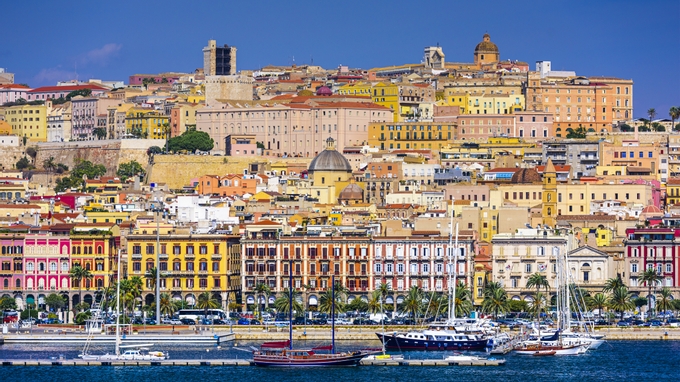
Inhabited since prehistoric times, its foundation is generally attributed to the Phoenicians who, between the 9th and 8th centuries BC, built the port of Karalis. Like many Italian cities, it still clearly shows layers of history, visible through well-preserved architectural examples—a true gem for enthusiasts.

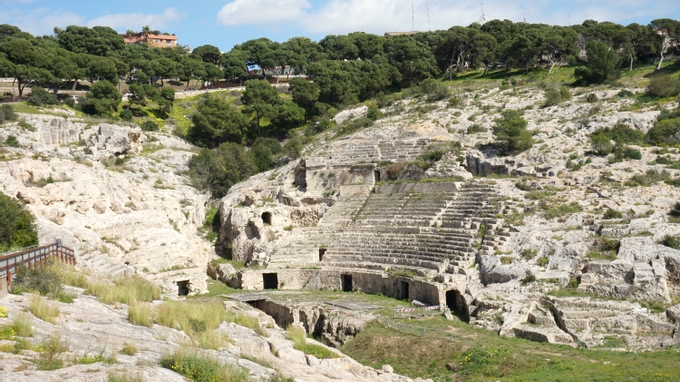
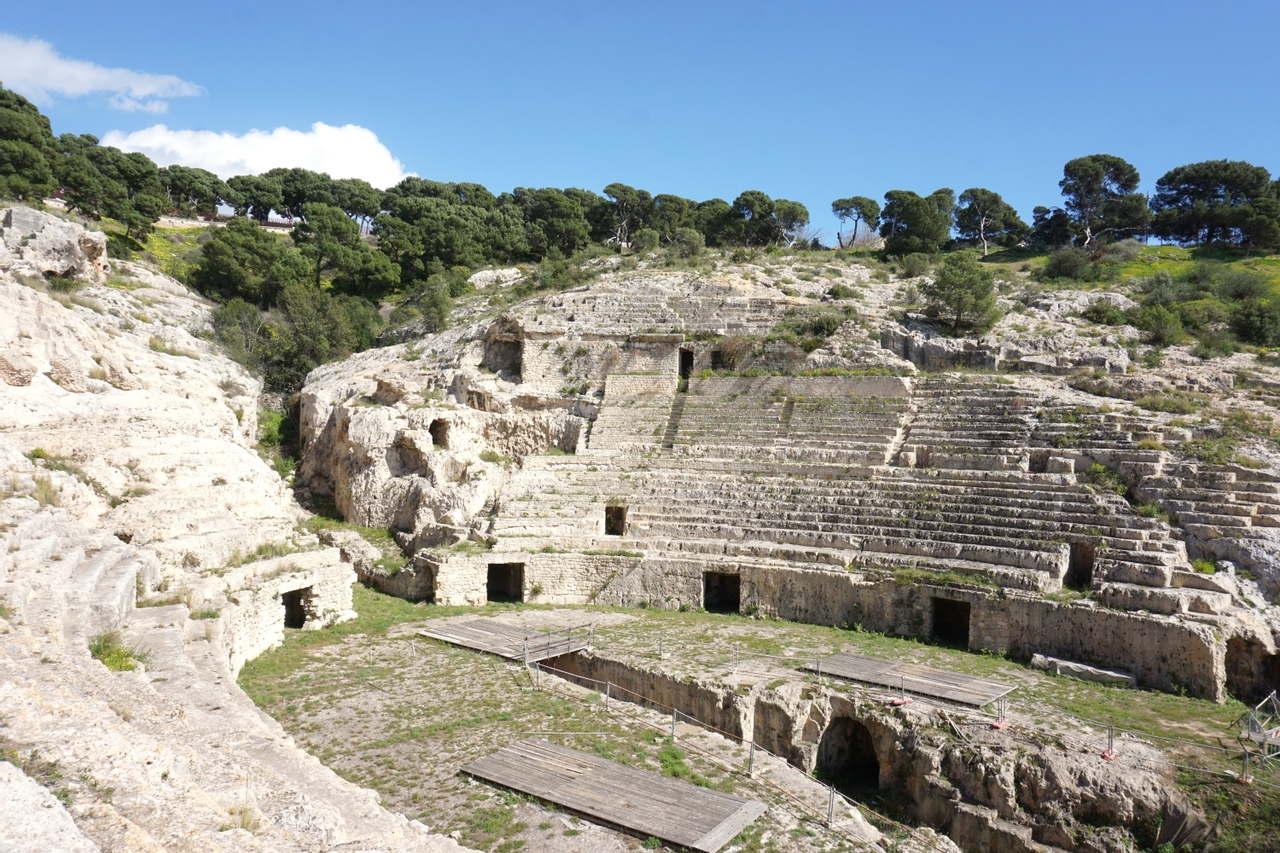
In the upper part of the city stands a unique testimony from the early centuries after Christ: the Roman Amphitheatre. Carved into the rock of the hill, it still features the seating tiers, which were originally covered with fine materials, as shown by marble slabs found during excavations. The division of the stands reflected the social structure of the time. Public spectacles were held here—mainly gladiator fights and wild animal hunts.
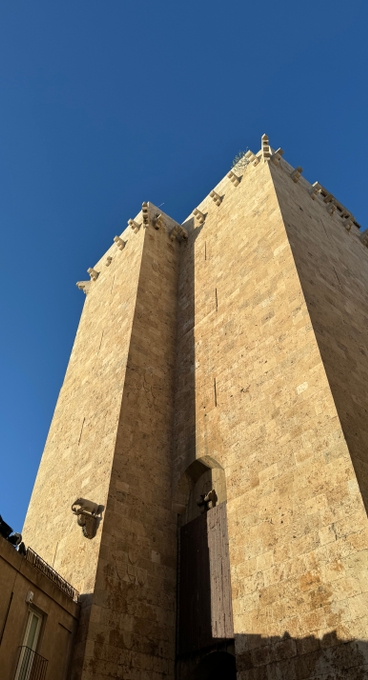
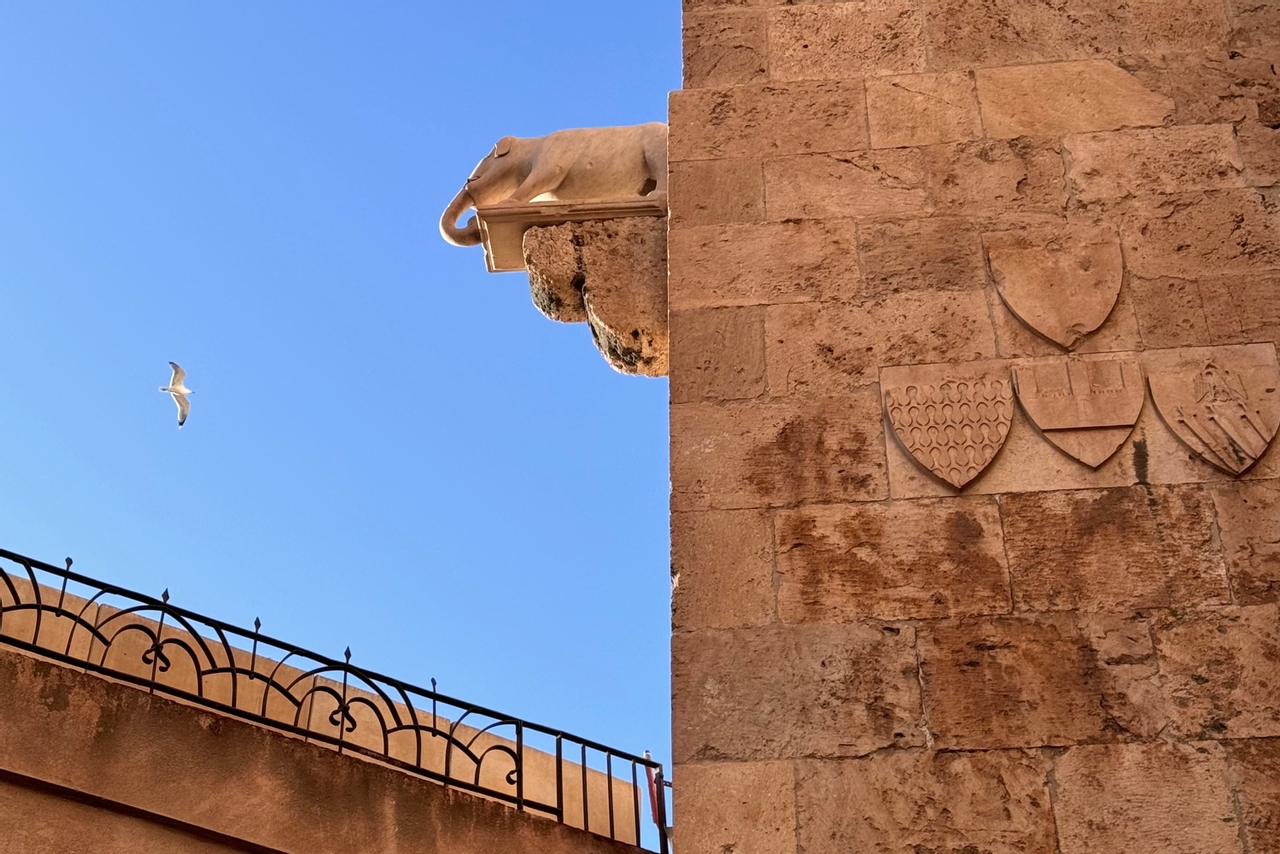
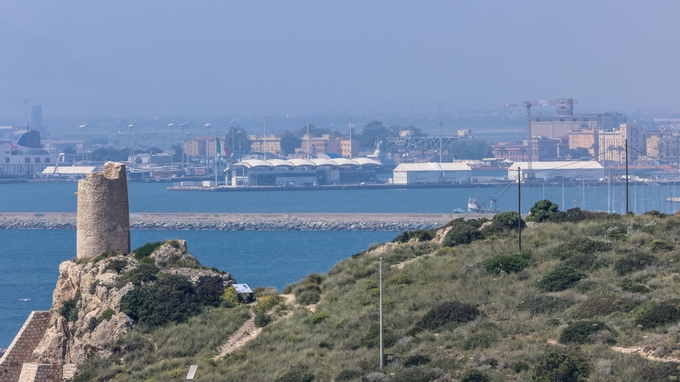
During the mediaeval period, the city changed significantly. It was then that the Castello district was built, a fortified area accessed through the Elephant Tower. Constructed during Pisan rule, its name comes from the small elephant proudly displayed on one side of the tower, symbolising strength and power.
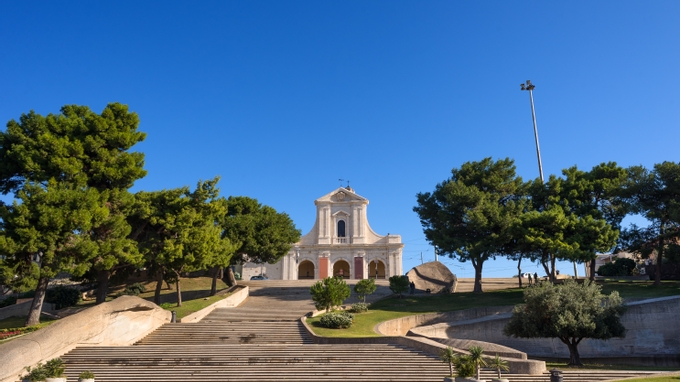
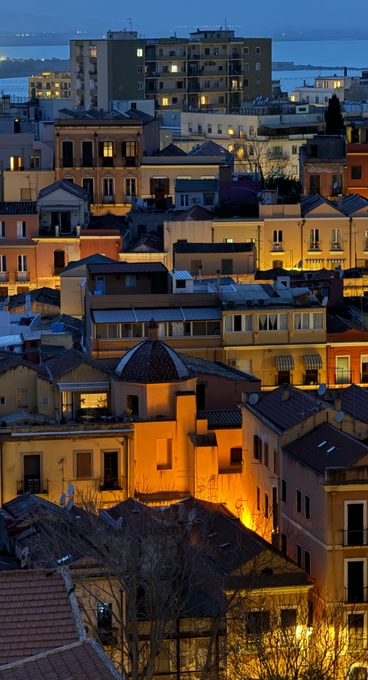
Today, Castello is the historic heart of the city, home to its most important landmarks such as the Cathedral of Santa Maria, the Citadel of Museums, and numerous historic palaces. Cagliari’s museums house true masterpieces: at the Archaeological Museum you can admire the Mother Goddesses, while the National Art Gallery displays altarpieces reflecting Catalan influence.
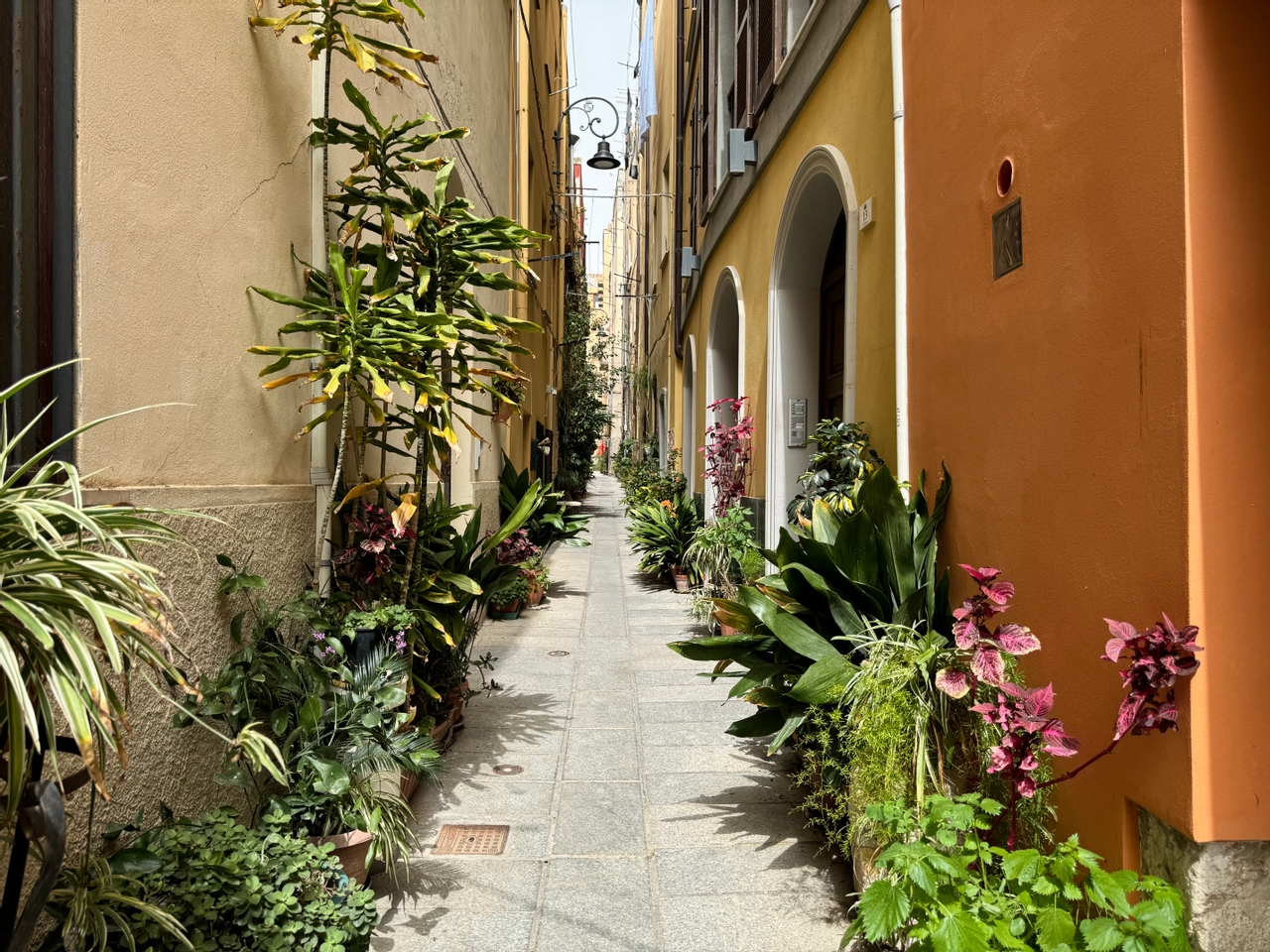
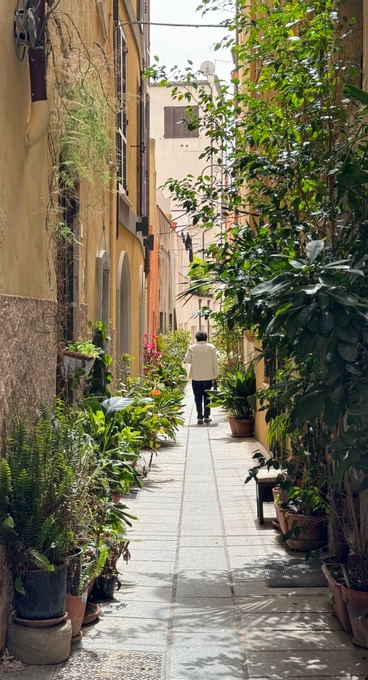
In the maze of narrow streets weaving through the historic centre, one of the most intimate and surprising views is Via Stretta—a tiny street, in some places just over a metre wide – now adorned with plants and flowers, making it one of the most iconic corners of the Sardinian capital.
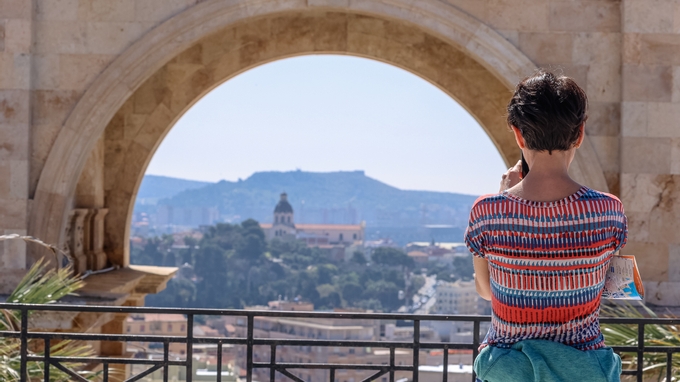
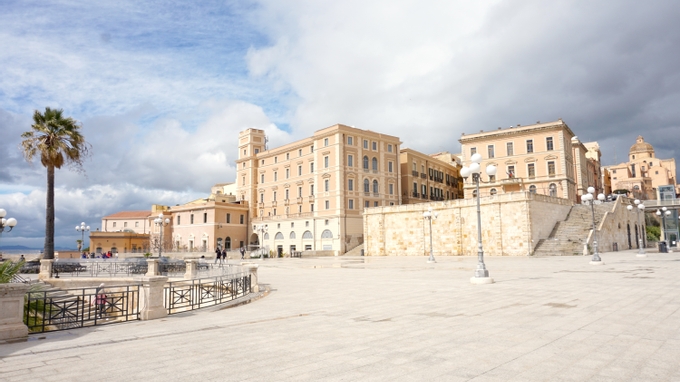
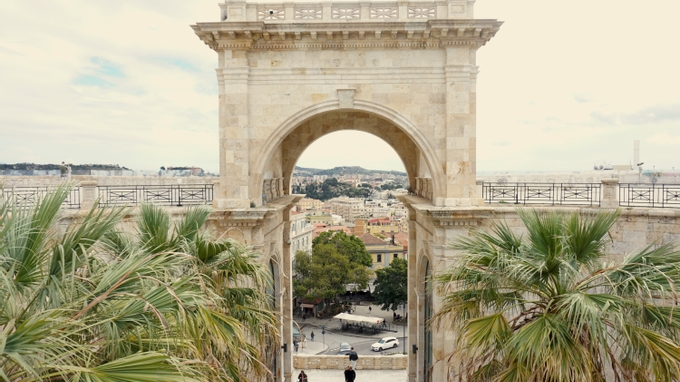
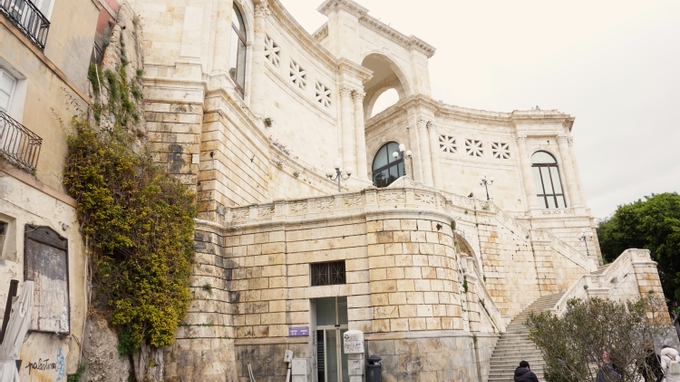
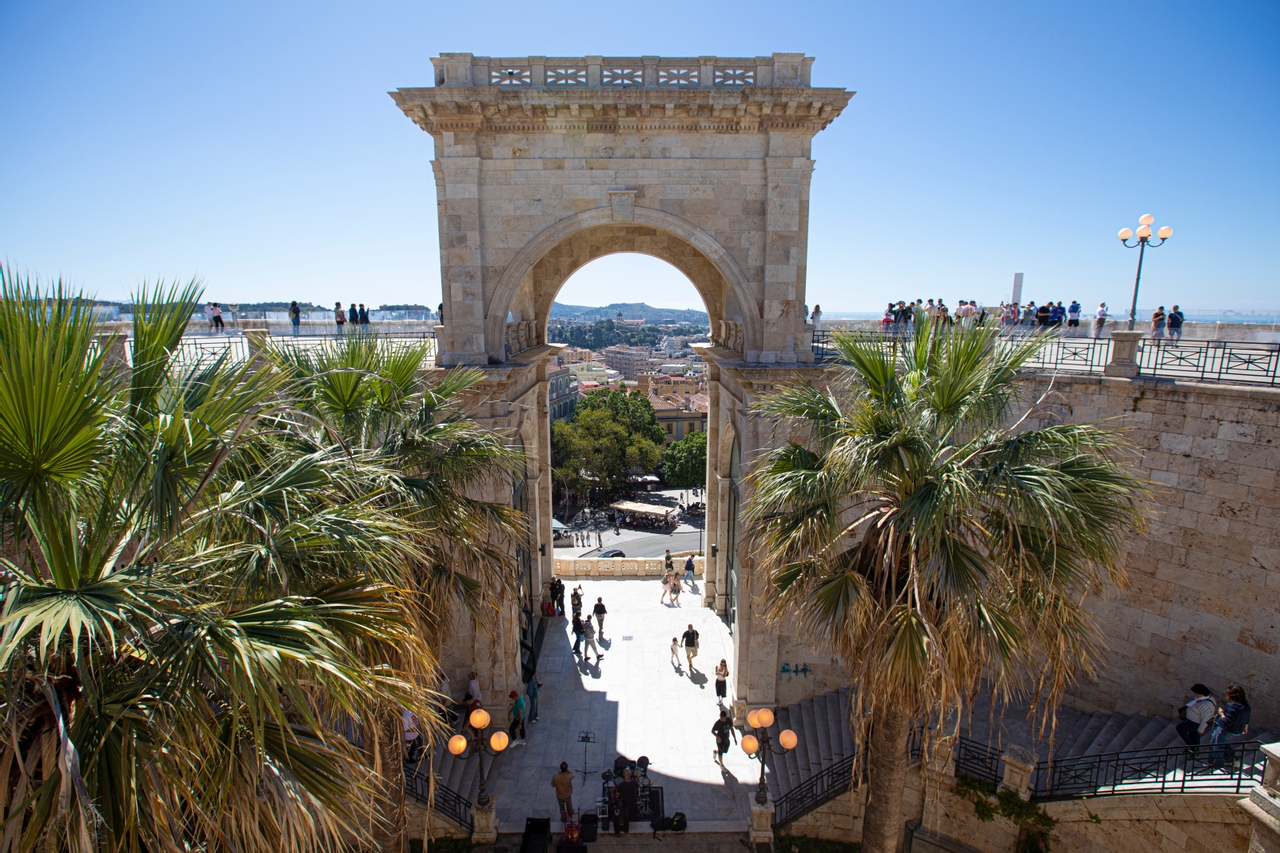
Connecting Castello with the lower part of the city, the Bastion of Saint Remy opens toward the sea. From above, it offers one of the most striking views of Cagliari, while from below it impresses with its grandeur. Built between the late 19th and early 20th centuries on the remains of ancient Spanish fortifications, it takes its name from the Baron of Saint-Remy, the first Piedmontese viceroy of the Kingdom of Sardinia.
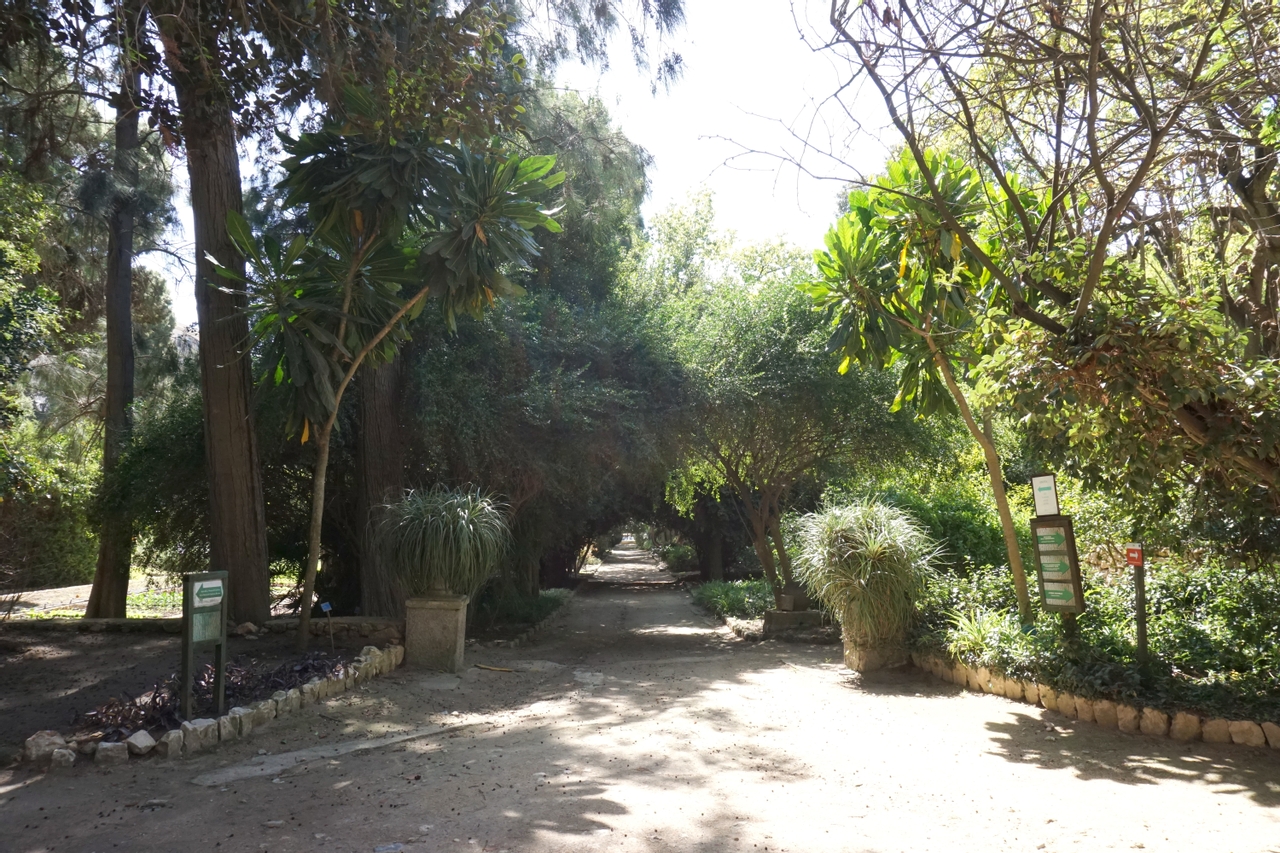
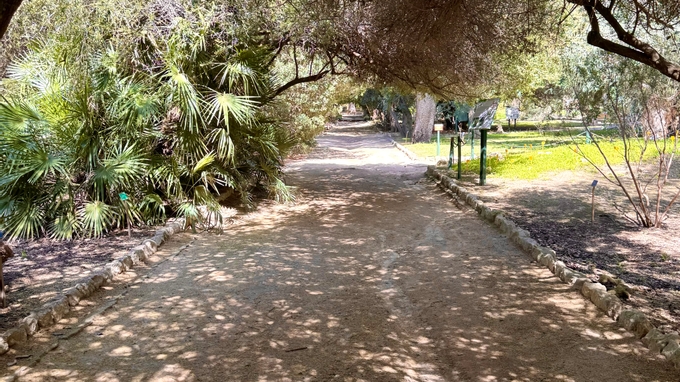
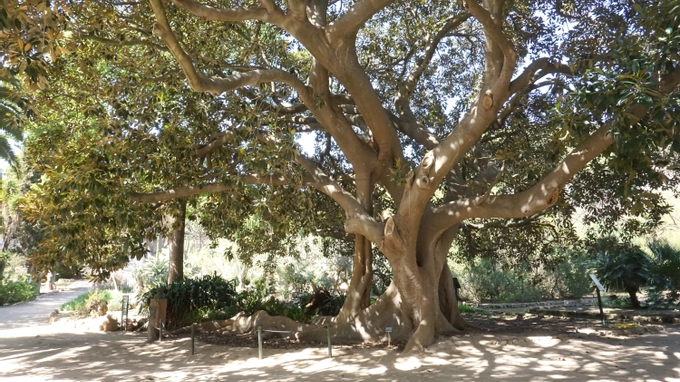
At the foot of Castello, the atmosphere changes. Here, the Botanical Garden of Cagliari provides a quiet, secluded space away from the lively city center. Directed in the 1920s by Italo Calvino’s mother, the garden features a collection ranging from Mediterranean species to the so-called Garden of Simples – dedicated to medicinal plants – as well as a selection of tropical plants. A green refuge in the heart of the city.
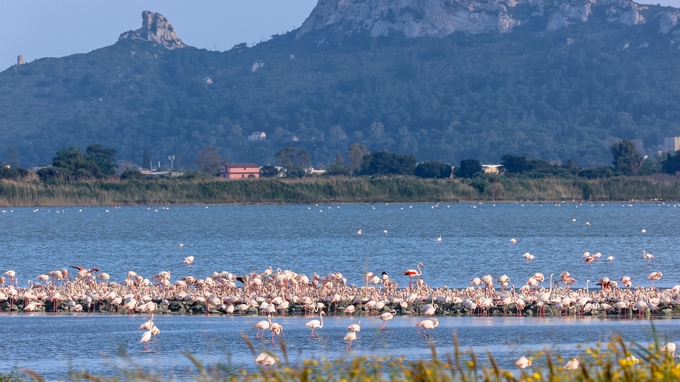
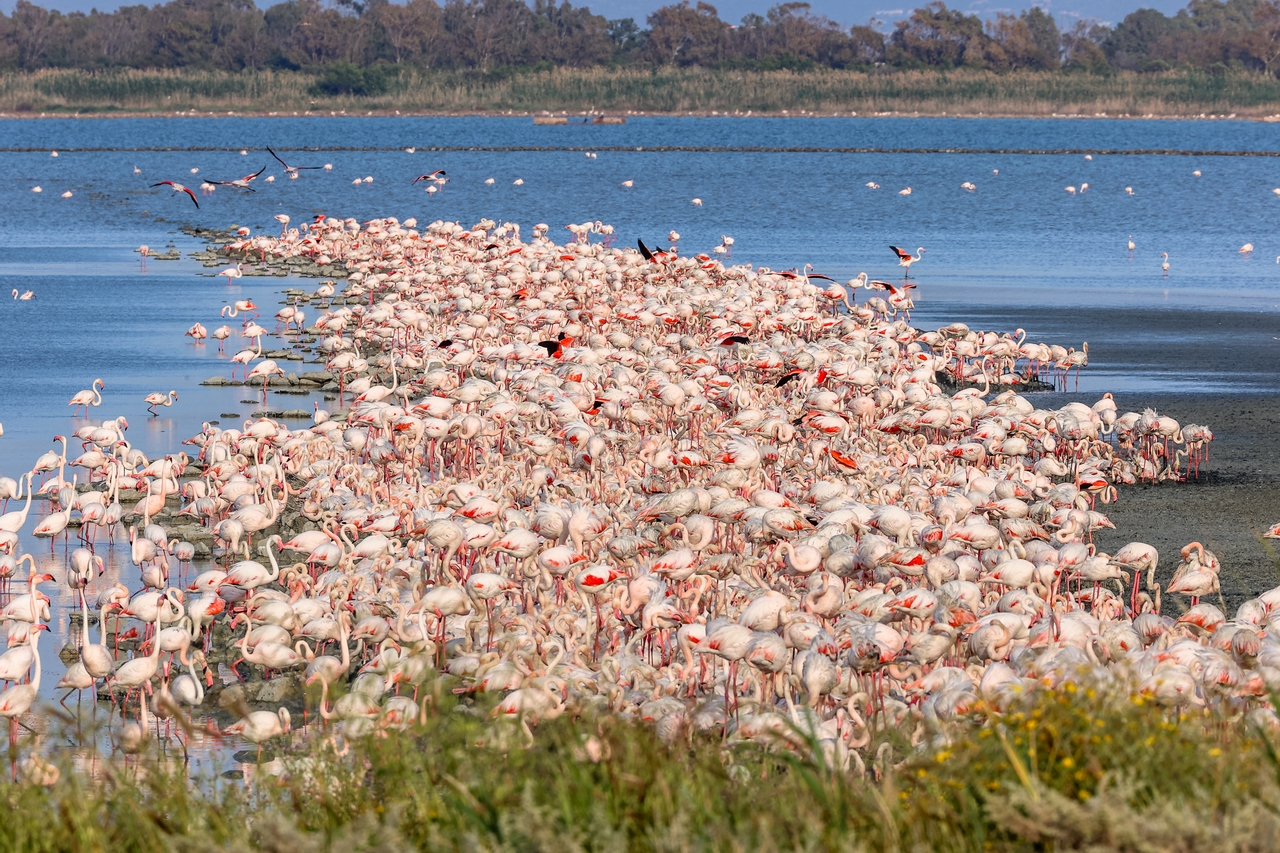
Not far away, the Molentargius-Saline Regional Natural Park reveals another side of Cagliari. One of Sardinia’s most important natural areas, historically linked to salt production, it is now famous for its pink flamingos that nest here, offering visitors a unique spectacle.
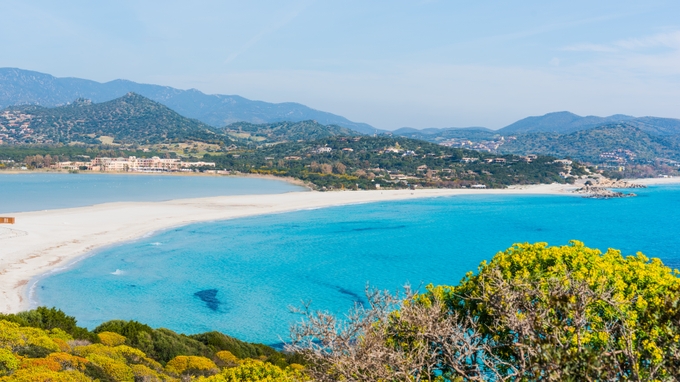
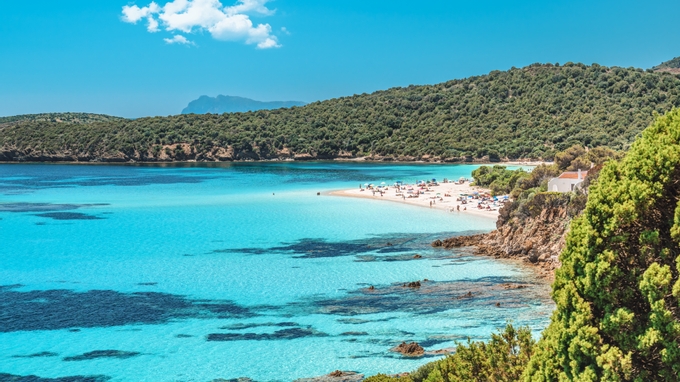
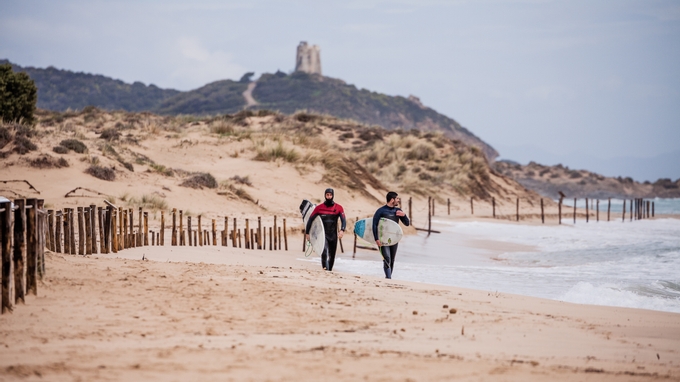
Sardinia is waiting to be explored. Between sea, history, and culture, it is an island that never ceases to surprise.