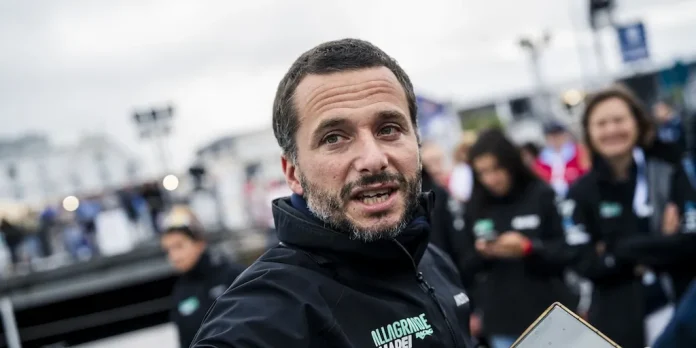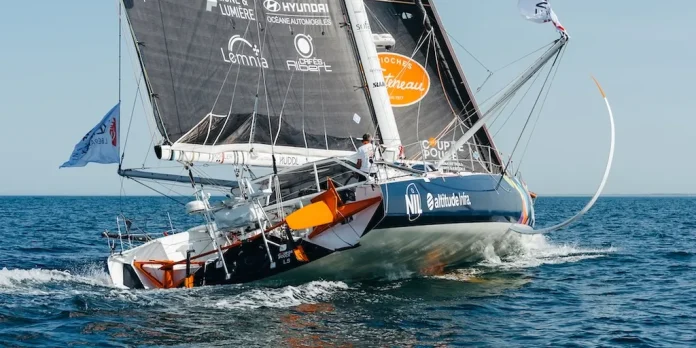
Nine IMOCA skippers are about to discover what lies beyond the Arctic Circle, with nothing but their own judgment to guide them north. The Vendée Arctique 2026, departing from Les Sables-d’Olonne on 28 May, has ditched the rulebook entirely. There is no mandatory route, no waypoints, no fixed turning point. Each competitor must simply reach 66 degrees north latitude at whatever longitude they choose, then return home. It is a formula that transforms a yacht race into something closer to polar exploration.
The third edition of this race marks a departure from conventional offshore competition. The nine competitors will face a strategic puzzle that has no single right answer. Do you push straight up the Atlantic, or thread further east towards Scandinavia? Where do the ice limits sit this year? What does the weather actually do? These are questions each skipper must answer alone, watching their rivals disappear in different directions across the map.
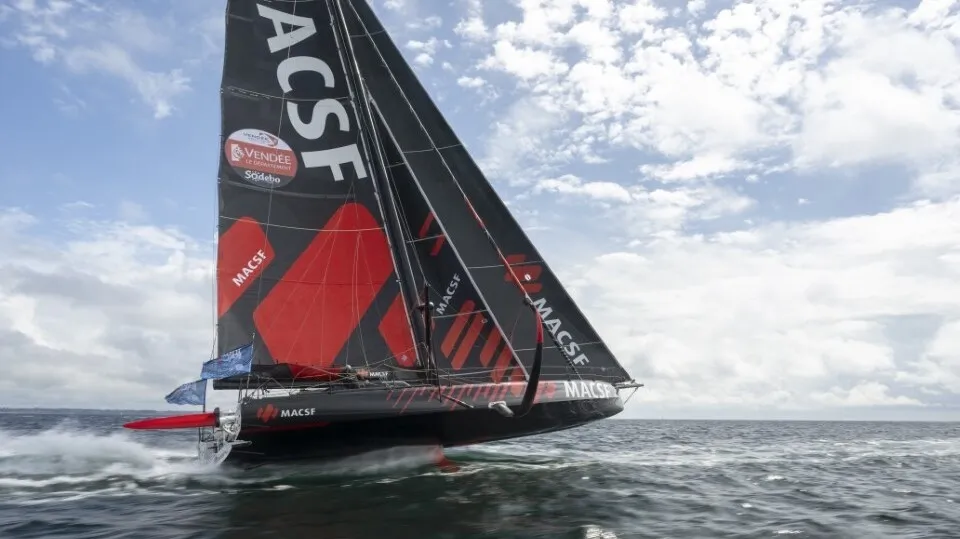
Arnaud Boissières, sailing April Marine, encapsulated the scale of the undertaking with a simple comparison: “We will go further north than Cape Horn is south.” The latitude 66 degrees North is something most IMOCA sailors have touched only once, if ever. The Vendée Globe keeps them in the Southern Ocean. Atlantic crossings run east-west. Even The Ocean Race Europe’s northern leg rarely ventures this far.
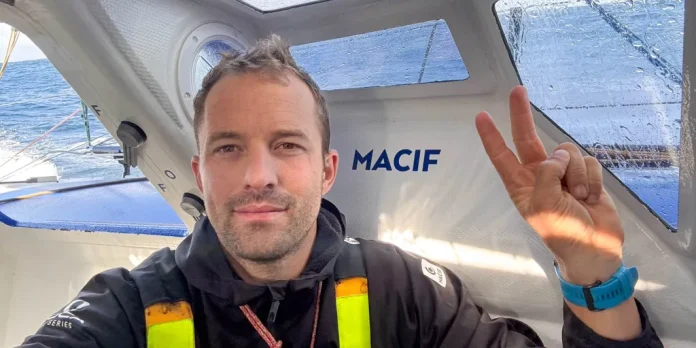
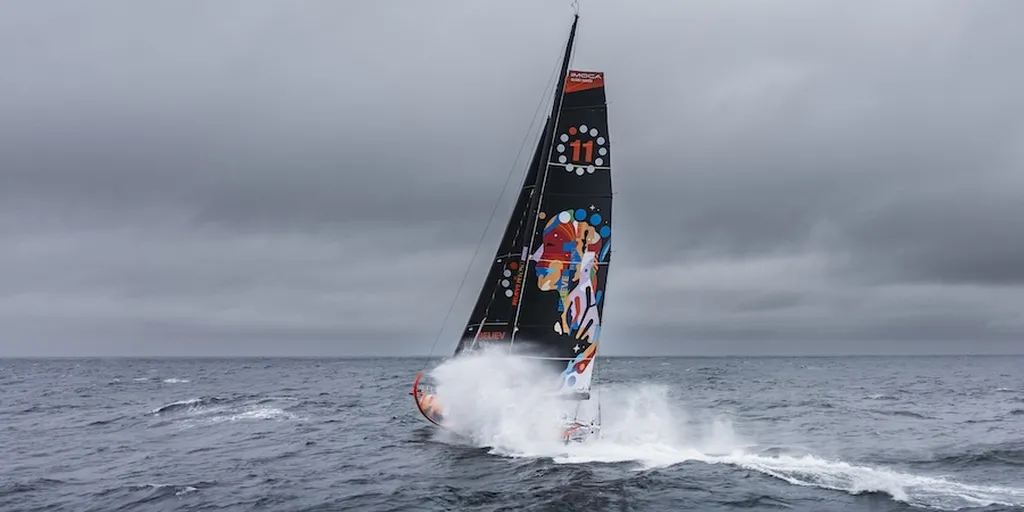
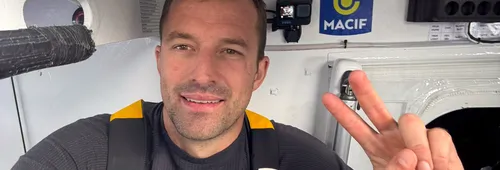
The consensus among the fleet is that this is something genuinely different. Sam Goodchild, aboard Macif Santé Prévoyance, expressed pure anticipation at the prospect of extended daylight and the crossing itself. Francesca Clapcich, racing 11th Hour Racing, recognised that the open format demands something fresh: different strategies, different tactics, different decisions than any prior edition.


Boissières and Nico d’Estais, sailing Café Joyeux, described it bluntly as “exciting, extreme, original and improbable.” They acknowledged what everyone in the fleet understands: this race will demand innovation and improvisation. There is no established playbook for this journey.
The 2022 edition, the most recent, unfolded in summer heat across Europe while competitors raced to waters near Iceland. The conditions were epic but the formula was more conventional. Now, four years later, the competition has evolved. Mathias Louarn directs the race, with Christian Dumard providing meteorological guidance. But out on the water, between dawn and midnight sun, each skipper will rely on instinct, data and the kind of thinking that solo ocean racing demands.
This is adventure with a capital A, as the skippers say. It also happens to be a race.