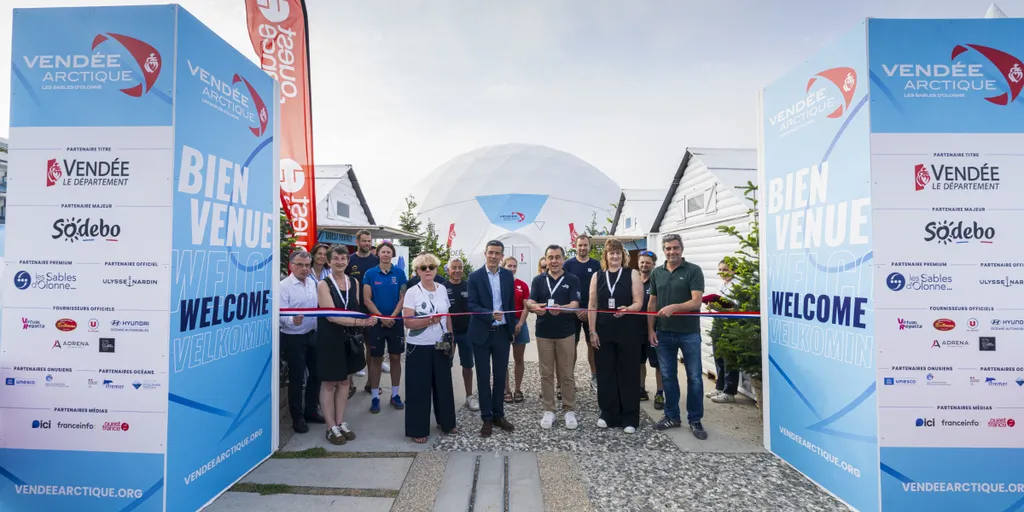
The Vendée Arctique race village opened its doors on Saturday morning in Les Sables d’Olonne, marking the official launch of the 2026 edition. Alain Lebœuf, president of both the Vendée Globe and the Vendée Department, cut the ribbon on the famous esplanade alongside local officials and race partners.
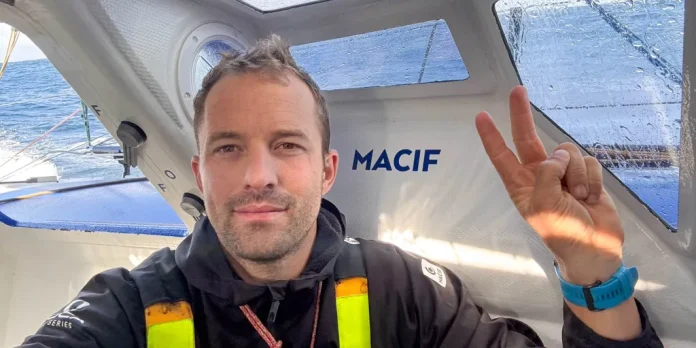
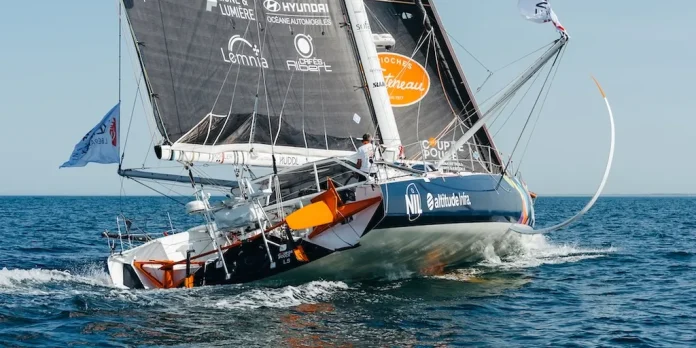
For the next nine days until Sunday’s 7 June start, the public can explore the village free of charge and watch nine solo skippers prepare their IMOCA 60s. This is the first single-handed qualifying race toward the Vendée Globe 2028, but with a twist that rewrites offshore racing tradition: competitors must cross the Arctic Circle at a longitude entirely of their choosing, then sail back to Les Sables d’Olonne on a completely free route. No mandatory waypoints. No imposed path.
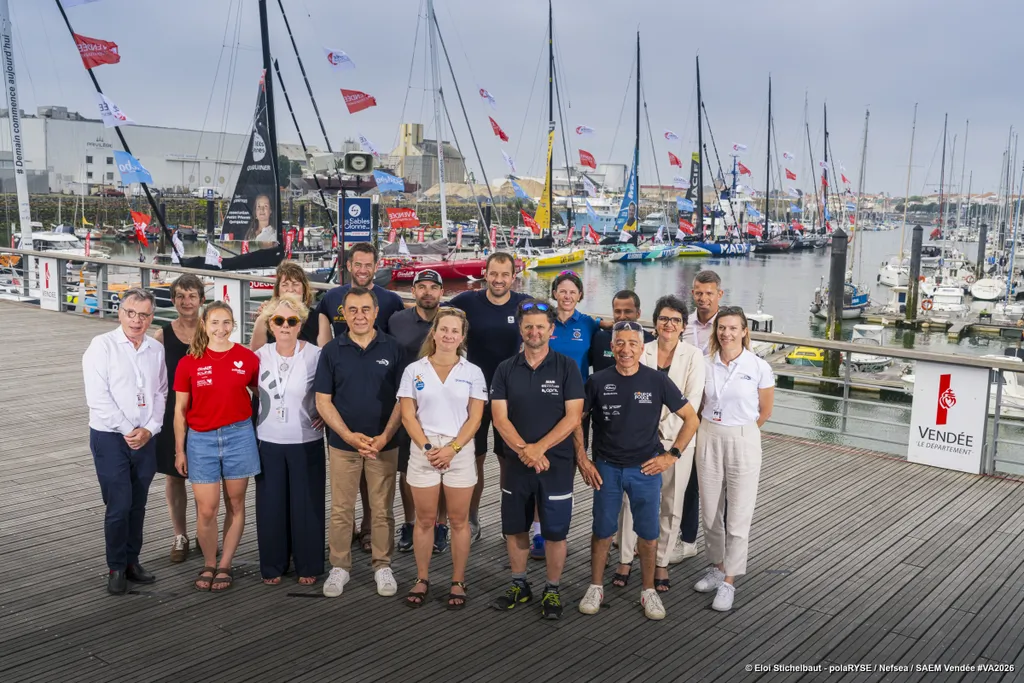
Nearly 70,000 visitors are expected to pass through over race week.
Lebœuf called the format a pure expression of what the Vendée Globe represents. “The Vendée Arctique shares the DNA of the Vendée Globe: commitment, freedom, and self-improvement. For the first time, the course is entirely free. No route is imposed. Each skipper must make their own choices.” Pressing north after Vendée Globe teams have spent decades racing south, these sailors face an environment where weather and strategy will prove ruthlessly decisive. The course spans 3,500 nautical miles.

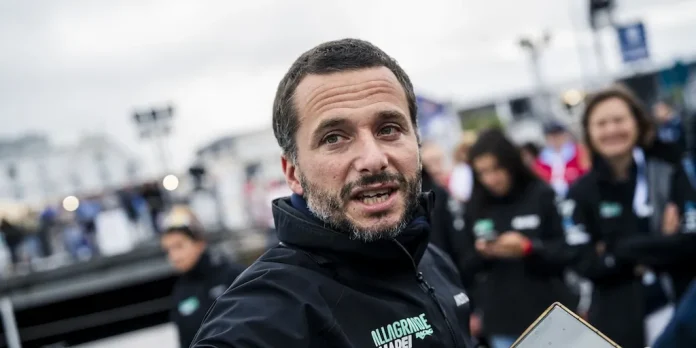
The village pulses with the atmosphere of a major coastal festival. Skippers have been accessible and relaxed in the days before departure, spending time on the pontoons meeting visitors, signing autographs, and answering questions. Élodie Bonafous, one of the race organisers, noted that offshore racing is woven into the culture of Vendée. “The public here really lives the race,” she said. “It’s deeply rooted.”
Beyond the ceremonial opening, the village showcases exhibitions by polar photographer Florian Ledoux, whose work documents Arctic ecosystems and wildlife. Scientific partners including IFREMER, the French Polar Institute (IPEV), Under The Pole, and Plastic Odyssey have set up educational spaces exploring ocean preservation and the stakes of polar conservation. Live music, DJ sets, family activities, and exhibits on local heritage round out the program.
Lebœuf used his visit to acknowledge the economic weight of tourism for the region. Vendée generates roughly 33,000 jobs annually from tourism and brings in approximately 2.5 billion euros in economic activity. The Vendée Arctique extends that legacy. He was direct about one point: “Without local businesses, we simply cannot organise an event like this.” Everything from catering to accommodation to equipment hire rests on a network of Vendéen companies and associations that have mobilised around the race.
The nine starters, including three women representing four nations, face conditions unlike any previous Vendée Globe qualifier. The Arctic awaits.