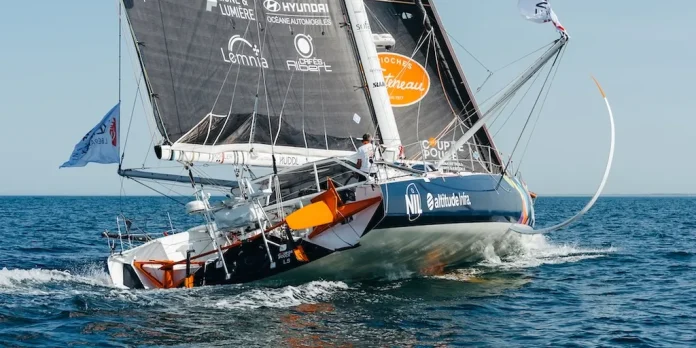
Nine IMOCA sailors will depart Les Sables d’Olonne on June 7 for an unprecedented polar adventure. Unlike any offshore race before it, the Vendée Arctique 2026 sends them north without a prescribed route, requiring only that they cross the Arctic Circle at 66 degrees North before returning home. Where they go and how they get there is entirely their call.
The open course promises radical tactical divergence. With no virtual gates or imposed trajectory, sailors must build their strategy around Atlantic storm systems and polar constraints, weighing speed against safety, endurance against weather opportunity. The race organisers expect eight to ten days of racing, with arrivals between June 15 and 17 (NZST).
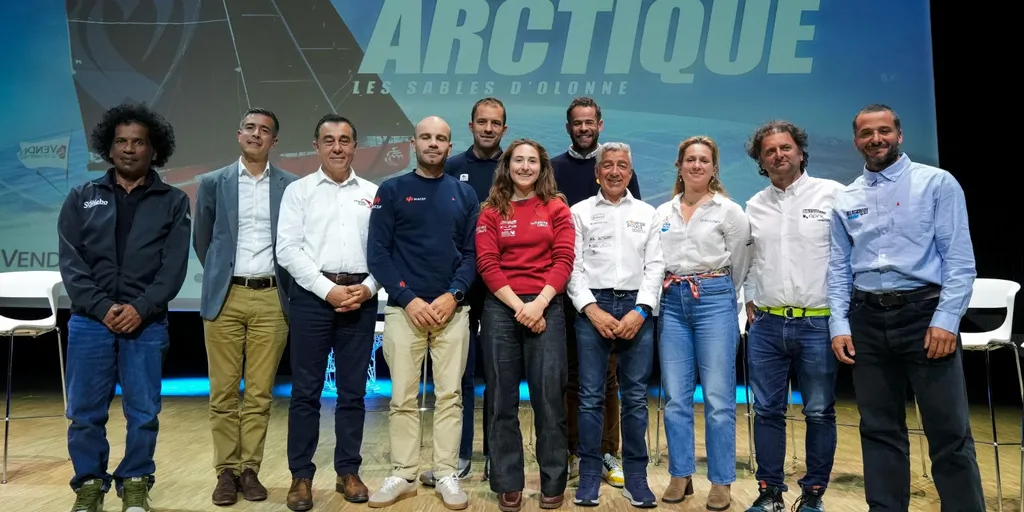
The fleet reflects modern IMOCA racing in full transformation. Three women, four nationalities, and several first-timers make up the nine-strong starting line. Ambrogio Beccaria leads the Italians, while France sends five sailors: Arnaud Boissières, Élodie Bonafous, Manuel Cousin, Nico d’Estais, and Violette Dorange. Sam Goodchild races under the Franco-British flag, Francesca Clapcich represents Italy and the United States, and Corentin Horeau completes the crew.
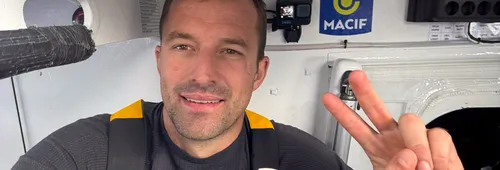
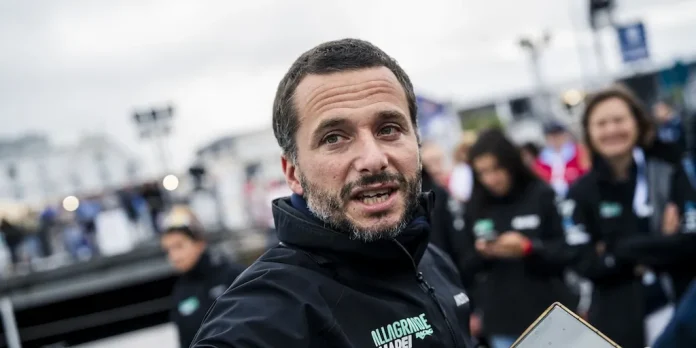
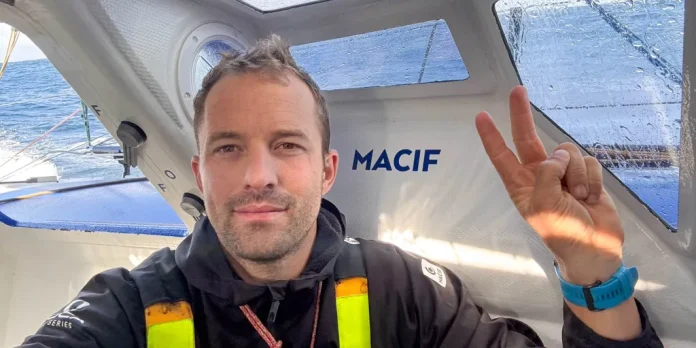
Goodchild expressed what draws them north. He wants to experience those endless days, to cross the Arctic Circle at midnight under a sun that never sets. Beccaria called it symbolic, a push to innovate. Boissières talked of white nights and improbable landscapes, the extremes that make the race worth sailing. For Cousin, racing from his hometown carries special weight. D’Estais predicted no two skippers would choose the same strategy, and he’s probably right.
The Vendée Arctique carries Grade 2 status and awards 200 points toward the 2028 Vendée Globe. It opens the qualifying cycle, meaning every decision made over the next nine days matters for the race around the world. Yannick Bestaven, the 2020–21 Vendée Globe champion, will serve as safety consultant throughout the event.
Race president Alain Leboeuf stressed this is no warm-up lap. The Vendée Arctique is a standalone test that demands strong choices in extreme conditions. Sailors face the Northern lights where the Southern Ocean once trained them. The course is designed to find where boats and crews truly stand when all margin for error vanishes.
From May 30 to June 7, Les Sables d’Olonne opens a free public village on the Vendée Globe esplanade. Spectators will meet the skippers, watch drones perform, and see boats run high-speed passes through the bay before the fleet slips north into the unknown.