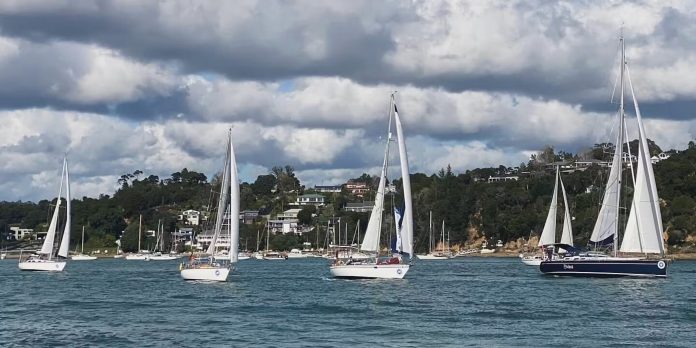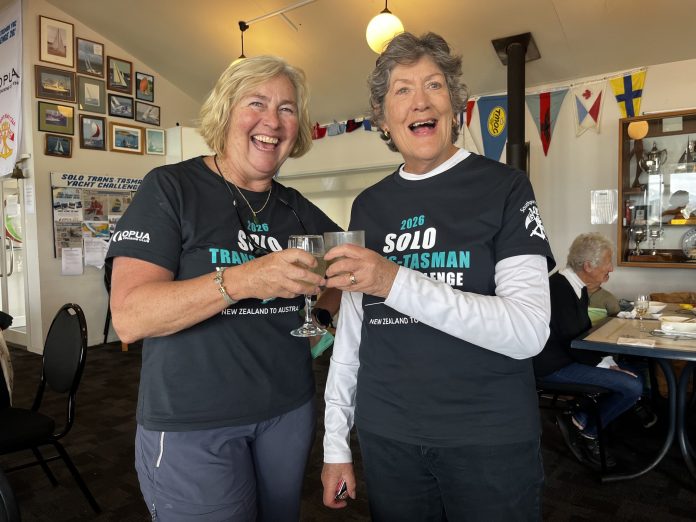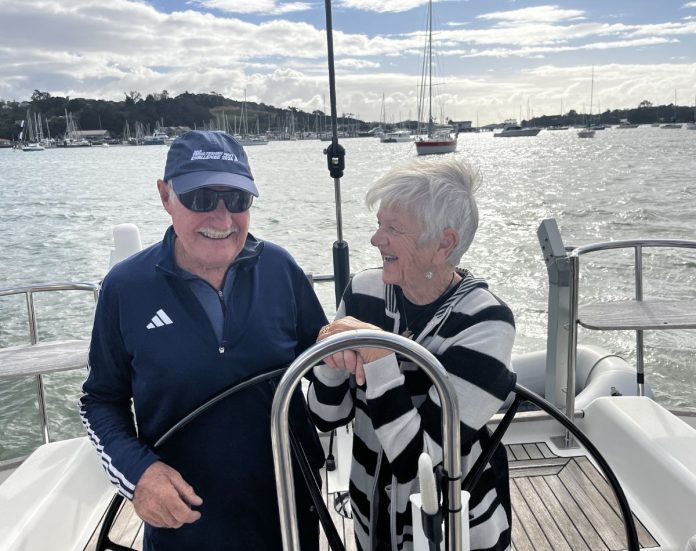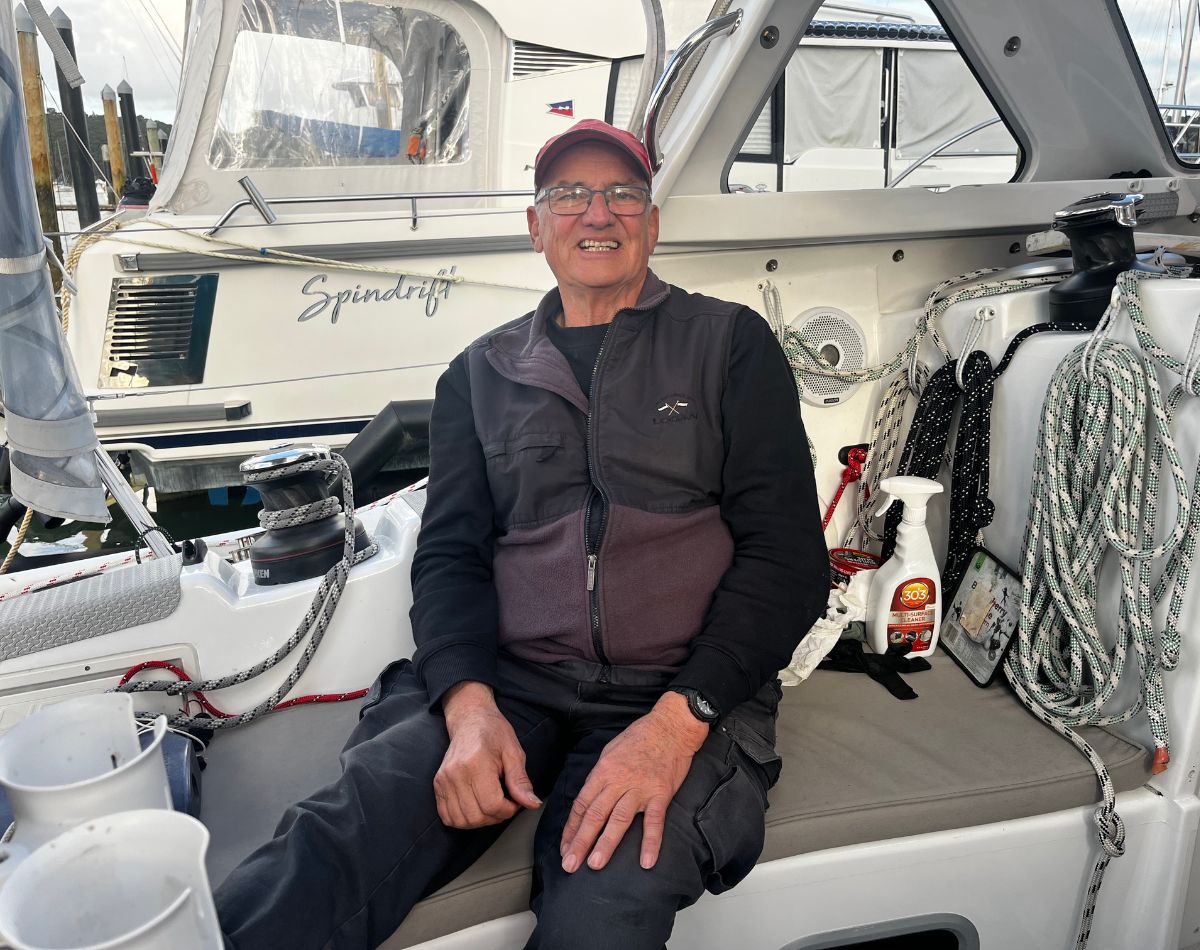
The customs officers were waiting for Peter Nobbs fifty miles outside New Zealand’s Exclusive Economic Zone.
He had planned to sail north alone, turned around and come home again. The trip was nothing more sinister than a qualifying passage for the 2026 Solo Trans-Tasman’s Cat 1 certification, although the officials who intercepted him apparently weren’t convinced. (And continued to give him a good old ribbing even during the Weather and Safety briefing held days before the start.) Asked what he was doing so far offshore, Nobbs gave the answer that seemed perfectly reasonable to him.
“I just went for a sail.”
The exchange says quite a lot about Peter Nobbs.

For most of his life, he has been quietly disappearing over horizons that other people spend years talking about. In the early 1990s he sailed non-stop around the world alone, passing south of the great capes before returning to New Zealand six months later. There were no trackers. No satellite phones. No Starlink. No daily updates. His parents received occasional scraps of information from weather stations and passing ships and trusted that one day he would come back. He did.
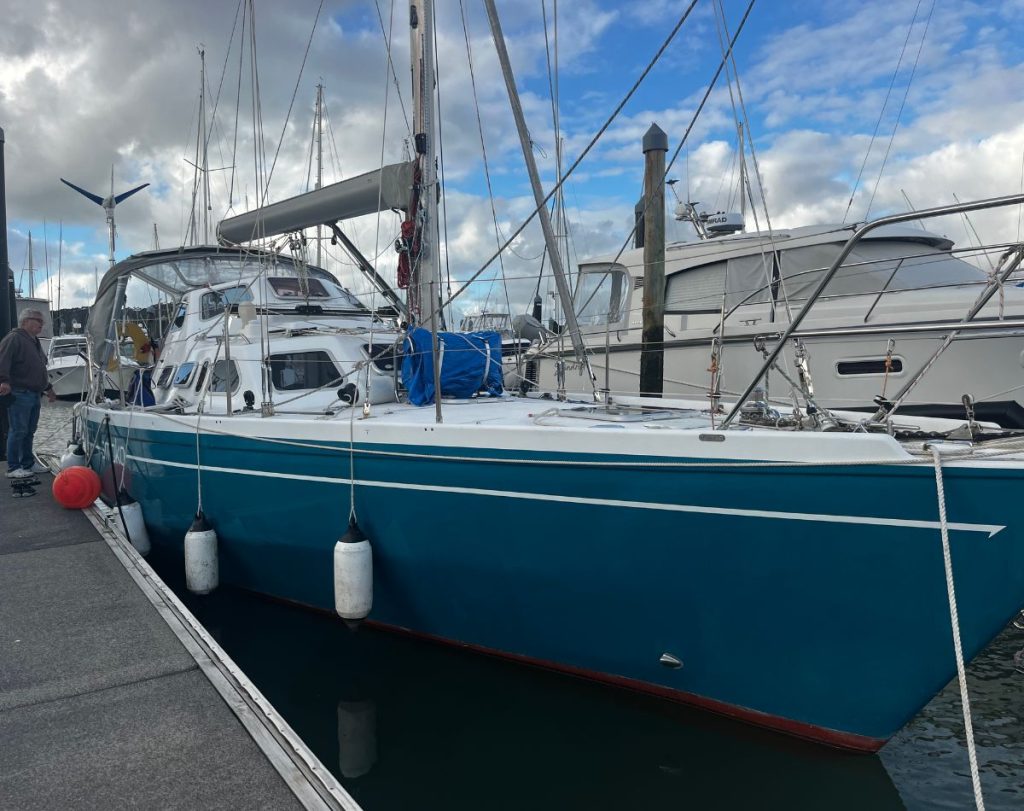
And today (10 June 2026) he did it again, although this time the journey was considerably shorter.
Today at 15:18pm NZST, Nobbs guided Smoko across the finish line of the 2026 Solo Trans-Tasman Yacht Challenge after 11 days 3 hours 12 minutes and 8 seconds crossing the Tasman. The 1,256-nautical-mile crossing earned him tenth on line honours and sixth on corrected time among the monohulls, but statistics only tell part of the story.
What they don’t reveal is that Nobbs never arrived in Southport looking for a result.

When Boating New Zealand spoke to him before the start in Opua, he seemed faintly amused by the entire concept of racing. He likes challenges. He likes journeys. Racing, as far as he was concerned, was simply the mechanism that got him back out there.
He was still working through Cat 1 requirements, sea survival courses and medical training. Preparation days kept disappearing from the calendar for Challenge organisation. Asked when everything would finally be ready, he estimated about ten minutes before the start gun.
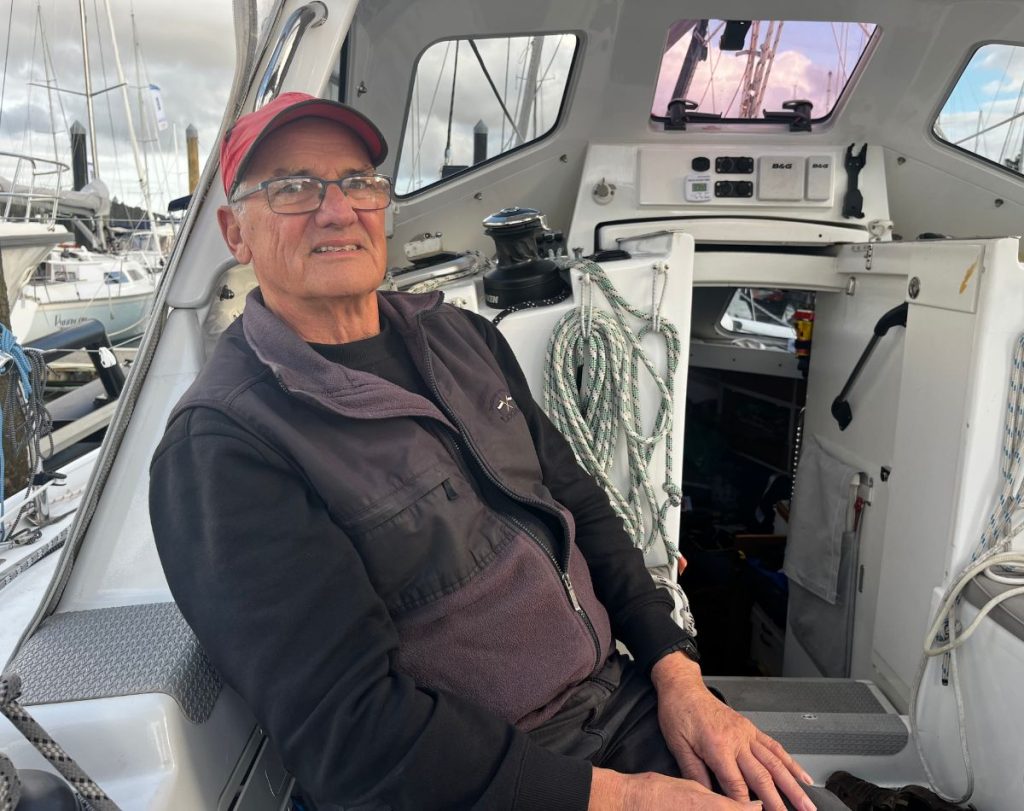
He was calm about it, and in no way did we come away thinking he’d be panicking at the last minute.
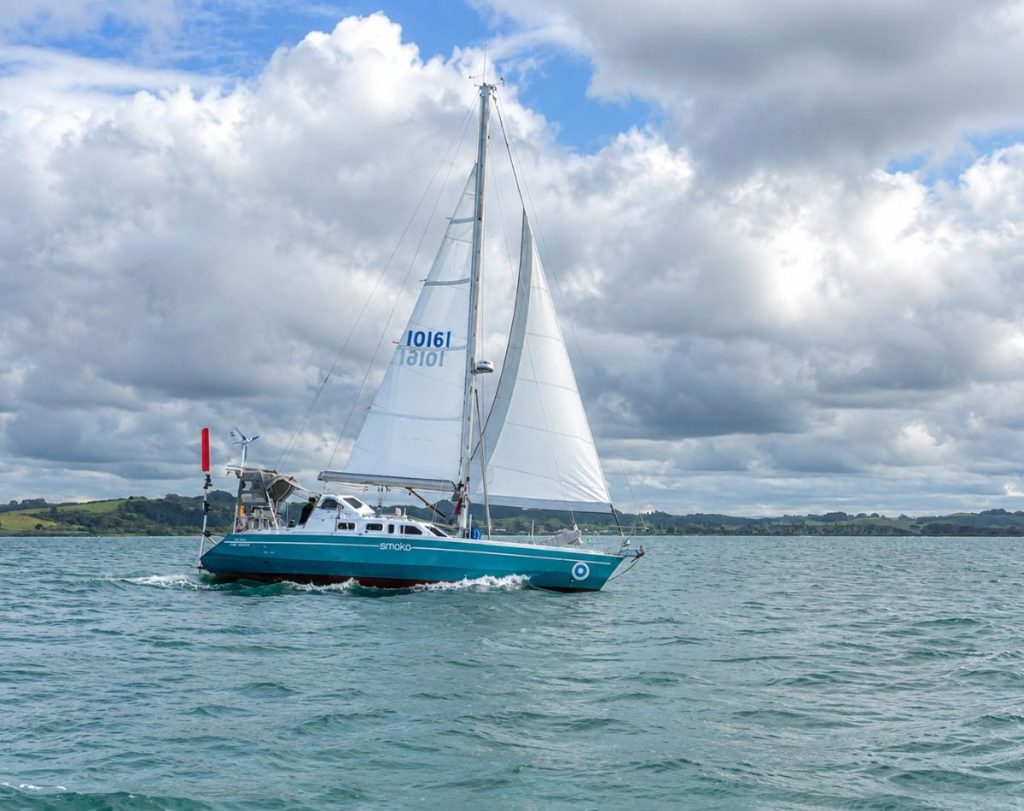
Nobbs had not planned to arrive at the start line with Smoko as a stripped-out racer. There was no grand optimisation programme. She is a B&G (originally known as Roberto Barros Yacht Design) 36 multichine cruising boat, built over eight years by her original owner and sailed for several seasons before finding her way into Nobbs’ hands. While some competitors had been removing serious weight from their boats, Malcolm Dickson on his 55-foot Sarau reportedly taking out several tonnes of equipment, Nobbs was content to leave Smoko largely as she was.
Instead Nobbs had entered the Challenge with a cruising chute, a Cat 1 certificate and a boat he liked.
Smoko‘s start was slow and laid-back. There was no need to be first over the starting line. Listening to him back in Opua, the impression was not of somebody arriving to wring every second from the racecourse. He was there because the challenge appealed to him. He was definite about this, it was a Challenge not a race.
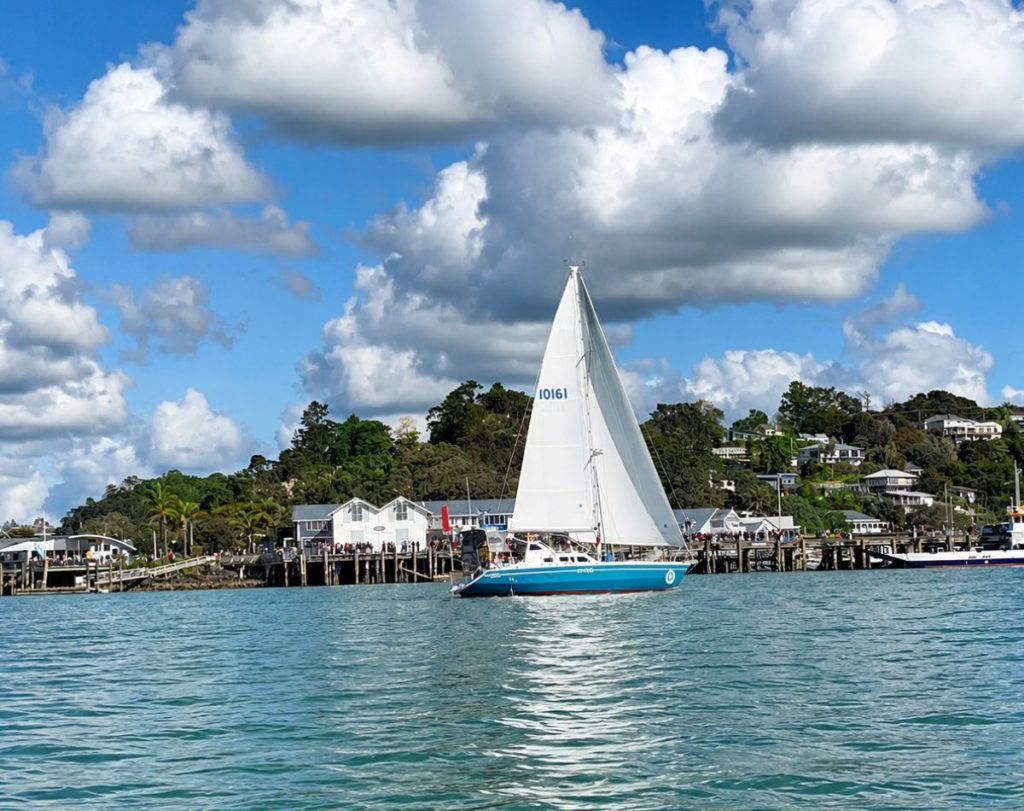
The Tasman, as it turned out, was not immediately welcoming. We’ve heard the early stories about the Tasman throwing everything it had at the sailors. Raging squalls, strong winds, stronger gusts, boats with nowhere to go but sideways. Then just when calm seemed to return, it happened all over again. Throughout all of this, there sat Smoko near the back of the fleet, doing what she does best, sailing strong and with purpose.
Position reports from 5 and 6 June show Smoko stuck in one of those patches that seem to exist solely to test a sailor’s patience. At 1800 on the 5th she had 576 miles remaining. Fourteen hours later she still had 571 to go. An entire day had passed and the finish line was effectively five miles closer.

One of the curious things about following ocean races from onshore is how little of the actual experience survives the translation. A position report can tell you where a boat is. It cannot tell you whether the skipper has just watched a sunrise, fixed a problem, made a decent meal or enjoyed a few hours of proper wind after days of frustration.
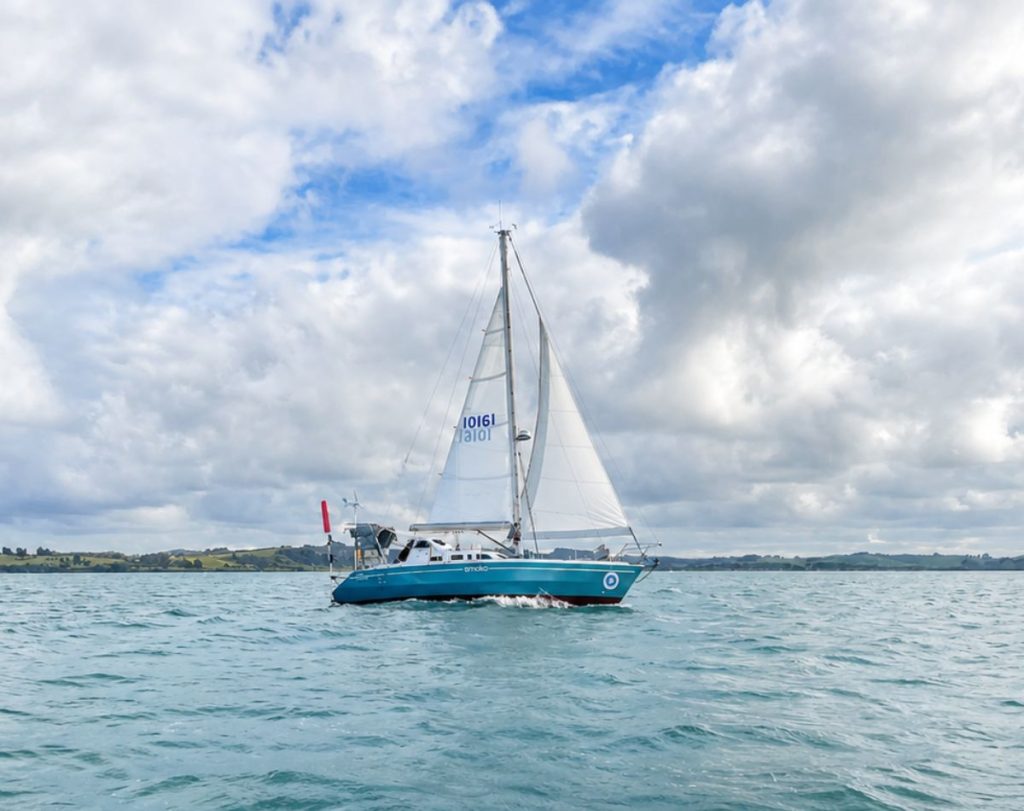
Whatever held Smoko back eventually loosened its grip. By 9 June, the numbers had begun to look considerably healthier than they had a few days earlier. Smoko was down to 180 miles remaining and chewing through the distance at a rate that would have seemed optimistic during that frustrating spell on 6 June.
The race looked very different on 10 June than it had four days earlier. When the morning position report arrived at 0730, Smoko had just 32 miles remaining. Nobbs had covered 1,223 miles and posted one of his best twenty-four-hour run of the entire crossing. One hundred and sixty-two miles made good. After nearly two weeks alone at sea, he was moving faster than at any other point in the race.
What Peter thought about any of this is another question entirely. We look forward to catching up with him after he’s rested to learn more about his Challenge. We think he’d like that. While other skippers spoke readily about performance, sail choices and where they hoped to finish. Nobbs seemed more interested in telling stories.
Which makes it difficult to imagine him sitting in the middle of the Tasman worrying too much about where he sat on a leaderboard.
The next few position reports continued to arrive.
263 miles to go.
180 miles.
Then 32.
Then finished. We imagine he finished with a huge smile on his face.