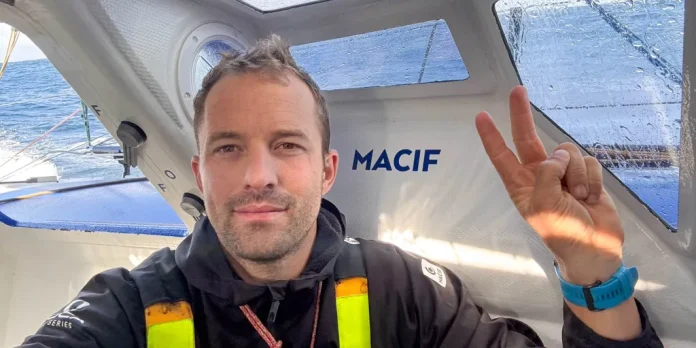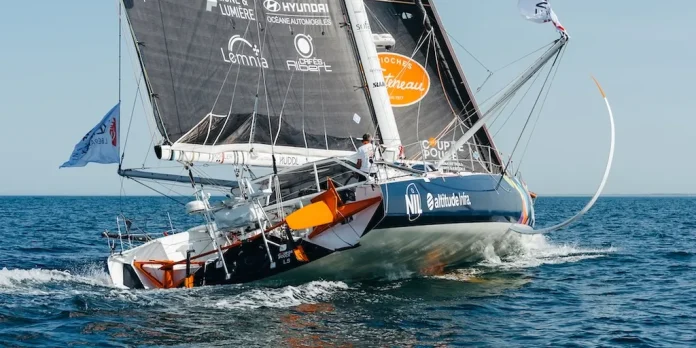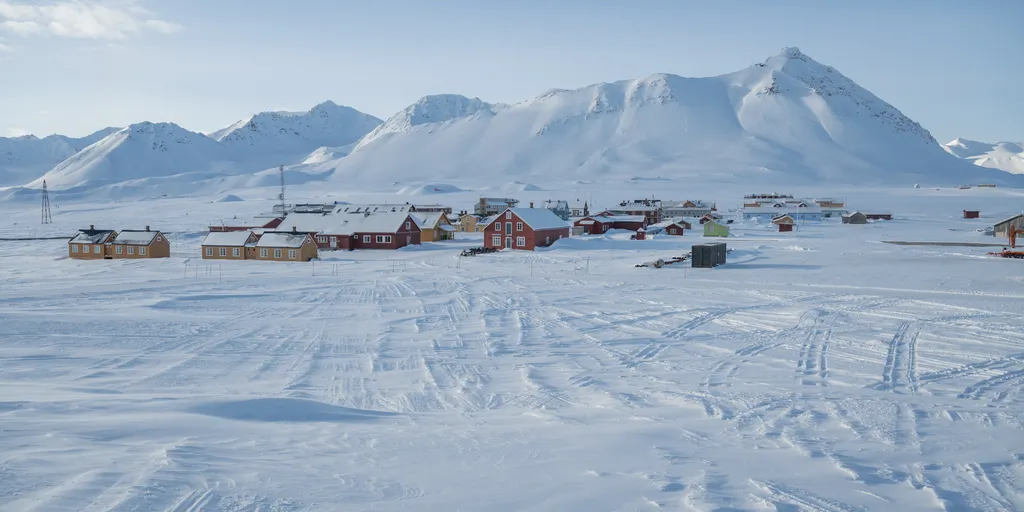
The Arctic’s racing drama masks a quieter but equally vital mission unfolding across the same polar waters. While the Vendée Arctique skippers battle for position off Svalbard, French and German scientists are embedded at research stations throughout the archipelago, gathering data that will outlast any race record.
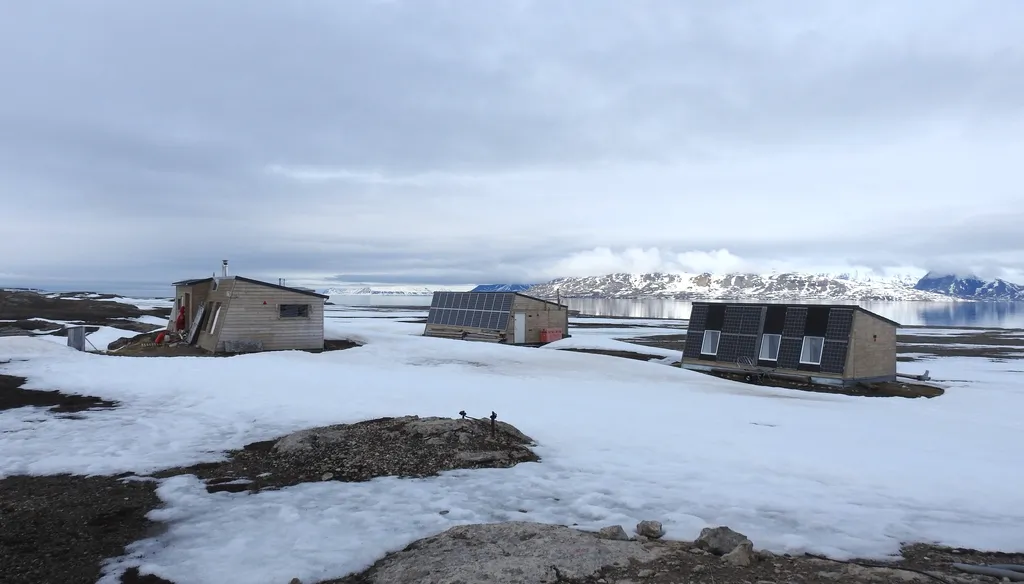
The French Polar Institute has maintained a presence in the Arctic for over three decades, operating from two stations on Spitzberg island: the Charles Rabot station in the village of Ny-Ålesund and the Jean Corbel station 5 km away. But the real headquarters for Franco-German research arrived in 2003, when the Alfred Wegener Institute and the French Polar Institute pooled resources to establish AWIPEV—a joint station that now functions as a year-round hub for atmospheric science, glaciology, geology, and biological research.

The partnership emerged from formal ties. Spitzberg sits within Svalbard, a Norwegian archipelago governed by the 1920 Paris Treaty, which guarantees scientific access to citizens of forty ratifying nations on equal terms. Crucially, the treaty forbids military activity but explicitly permits scientific bases. Nine countries now maintain regular operations in Ny-Ålesund, and AWIPEV is among the few stations occupied continuously throughout the Arctic winter.
The physical setup reflects serious ambition. The Charles Rabot station in the village proper sleeps about fifteen researchers and houses laboratories for geophysical observation, biology, and chemistry work. Jean Corbel, 5 km southeast and isolated from human pollution sources, operates entirely on clean energy and accommodates up to eight summer visitors for atmospheric measurements and glacial studies. Both stations access snowmobiles, boats, and skis through Ny-Ålesund’s shared infrastructure, managed by Kings Bay, the Norwegian company that owns the settlement’s buildings and land.




Three permanent staff keep the operation running. The station leader handles logistics, welcomes teams, and enforces safety protocols. An observatory engineer collects atmospheric data and maintains scientific instruments. A logistics engineer manages boat and vehicle fleets, ensuring research material reaches each station intact. Between them, they enable the work that happens when racing yachts sail past—measuring atmospheric composition, charting glacier behaviour, tracking biological changes in one of Earth’s most fragile regions.