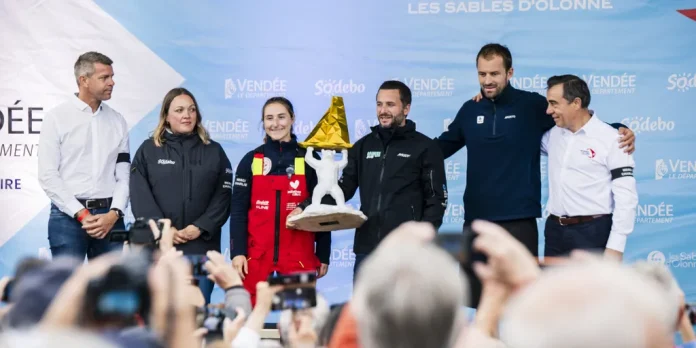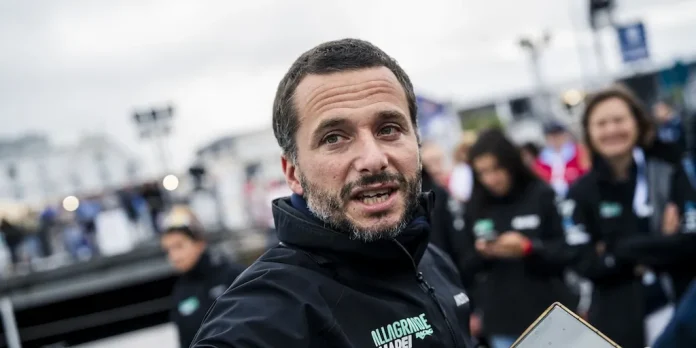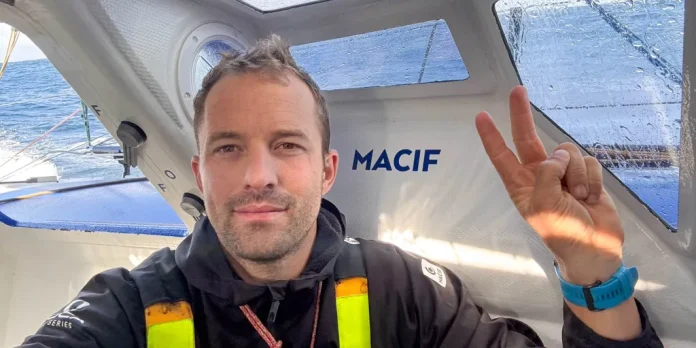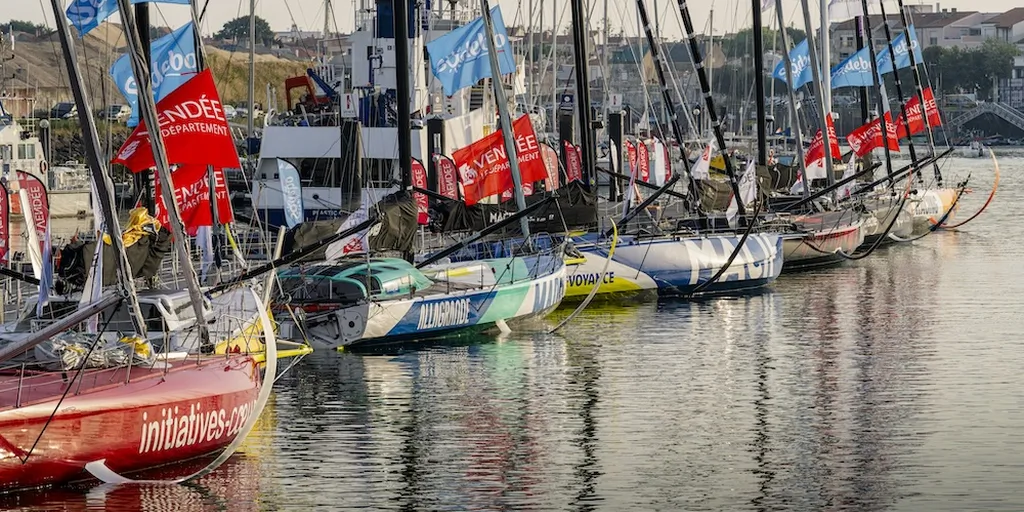
Nine skippers will line up at the start of the Vendée Arctique, but the broader IMOCA fleet is watching intently. The race’s uncharted route, the severe conditions it demands, the raw challenge of survival—the sport’s leading sailors are dissecting what makes this course so unusual, so compelling.
Yoann Richomme, Paprec skipper and second-place finisher in the last Vendée Globe, calls it a mad ambition. Reaching the Arctic Circle in an IMOCA is bold, he says, and the odds are stacked hard. The route cuts directly through the depression belt that sweeps the North Atlantic, and at this time of year those systems push toward the British Isles rather than Europe. The nine starters should brace for rough conditions. There will be light patches, transitions, the full spectrum. Most skipper-boat pairings are young enough that this race will test them severely. The machines demand care in zones as remote as anything the Vendée Globe throws at you. Many will face their first major storm in a foiling IMOCA, which will forge something irreplaceable in their judgment and skill.
Jérémie Beyou, who skippered Charal to fourth in the last Vendée Globe and won the Vendée Arctique in 2020 before taking second in 2022, sees it differently. The Vendée Arctique demands something transatlantic racing doesn’t. You’re not running toward the systems rolling in from the west; instead you cross them without much chance to dodge. The weather controls you more than you control it. Conditions shift constantly, requiring a skipper who can shift too. The race stretches long enough to reveal character. Previous editions became bitter battles between Charlie Dalin and Thomas Ruyant, serious sailors pushing themselves to the limit. Beyou expects the same intensity this year. Whoever crosses the finish line first will have proven themselves complete.