Vessev, the New Zealand-based developer of electric passenger vessels, has announced a new hydrofoiling network in Hobart, Australia – an important step toward using waterways as a scalable, zero-emissions transport layer.
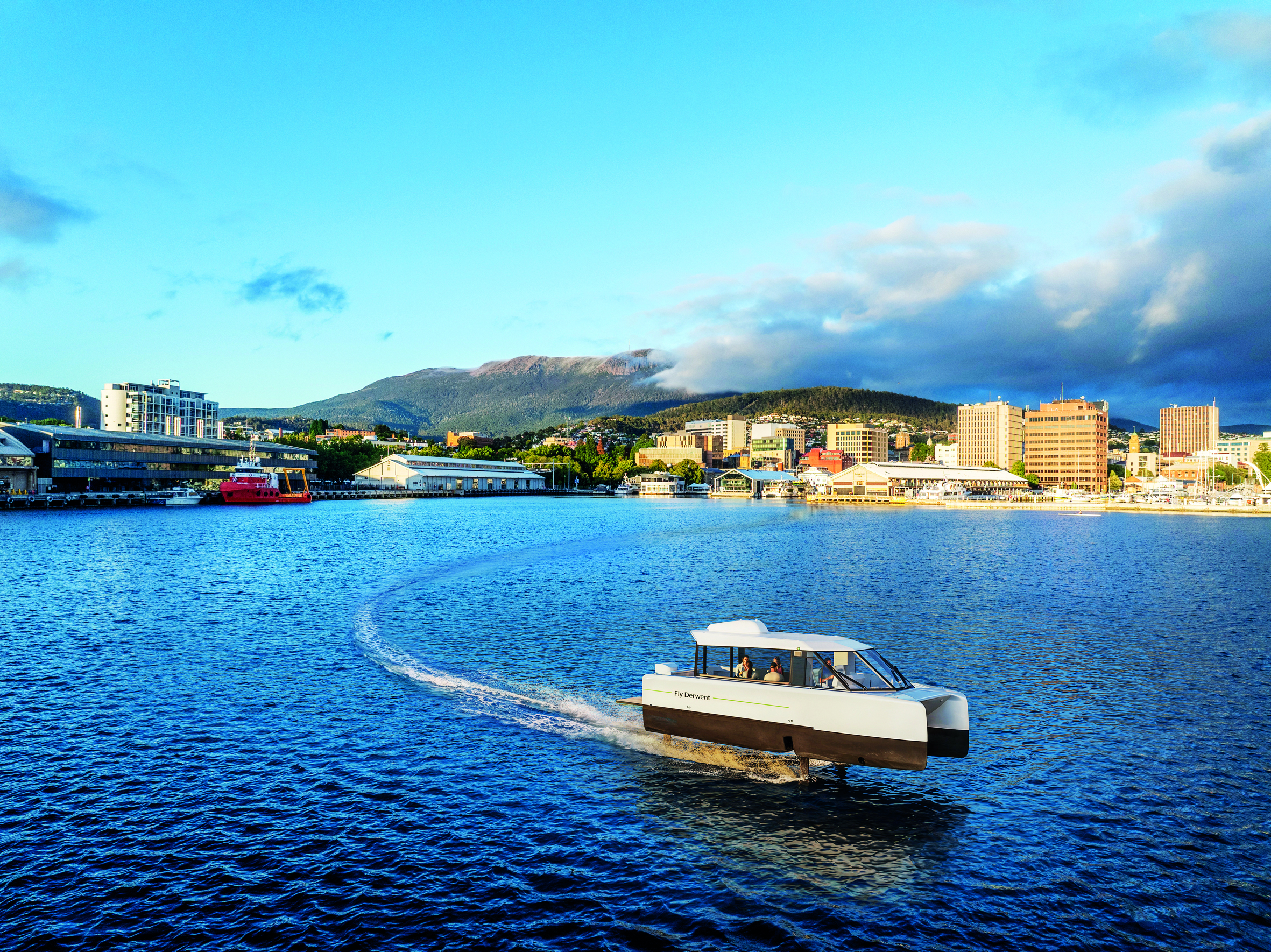
The network will be launched on the Derwent River by Fly Derwent, a clean energy transport venture, initially using Vessev’s VS–9 vessels before expanding to a fleet of VS–12s. The system aims to deliver high-frequency water transit without major infrastructure, powered by Tasmania’s near
100% renewable electricity grid.
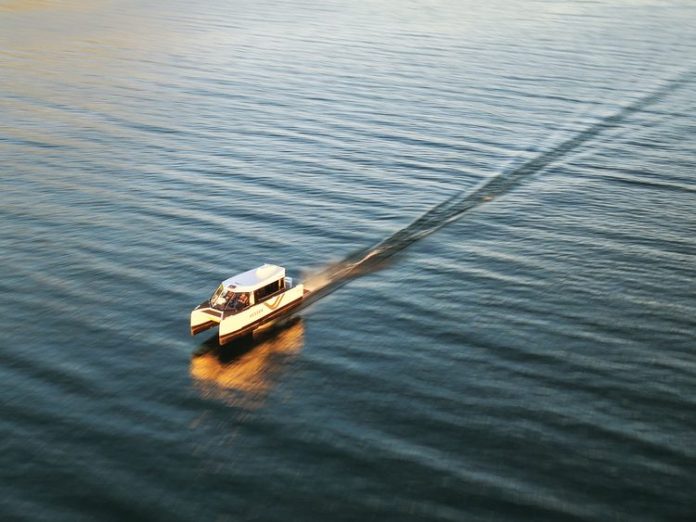
The VS–9 and VS–12 are commercial-grade electric hydrofoils carrying 10 and up to 30 passengers respectively. Equipped with advanced foil systems that adapt up to 100 times per second, they provide a smooth, low-wake ride, enabling transport in environmentally sensitive waterways.
Fly Derwent Principal Cameron McCulloch said the service will function more like a metro than a traditional ferry, highlighting its potential to enable affordable river-based commuting and tourism without large infrastructure investment.
Vessev CEO Eric Laakmann added that the project represents a broader shift in urban water mobility, with Tasmania providing a strong platform to demonstrate zero-emissions transport at scale.




The first VS–9 is expected to arrive in early 2027, with additional vessels to follow. With operations already underway in New Zealand, Vessev is working globally to help cities turn underused waterways into efficient, low-impact transit networks.