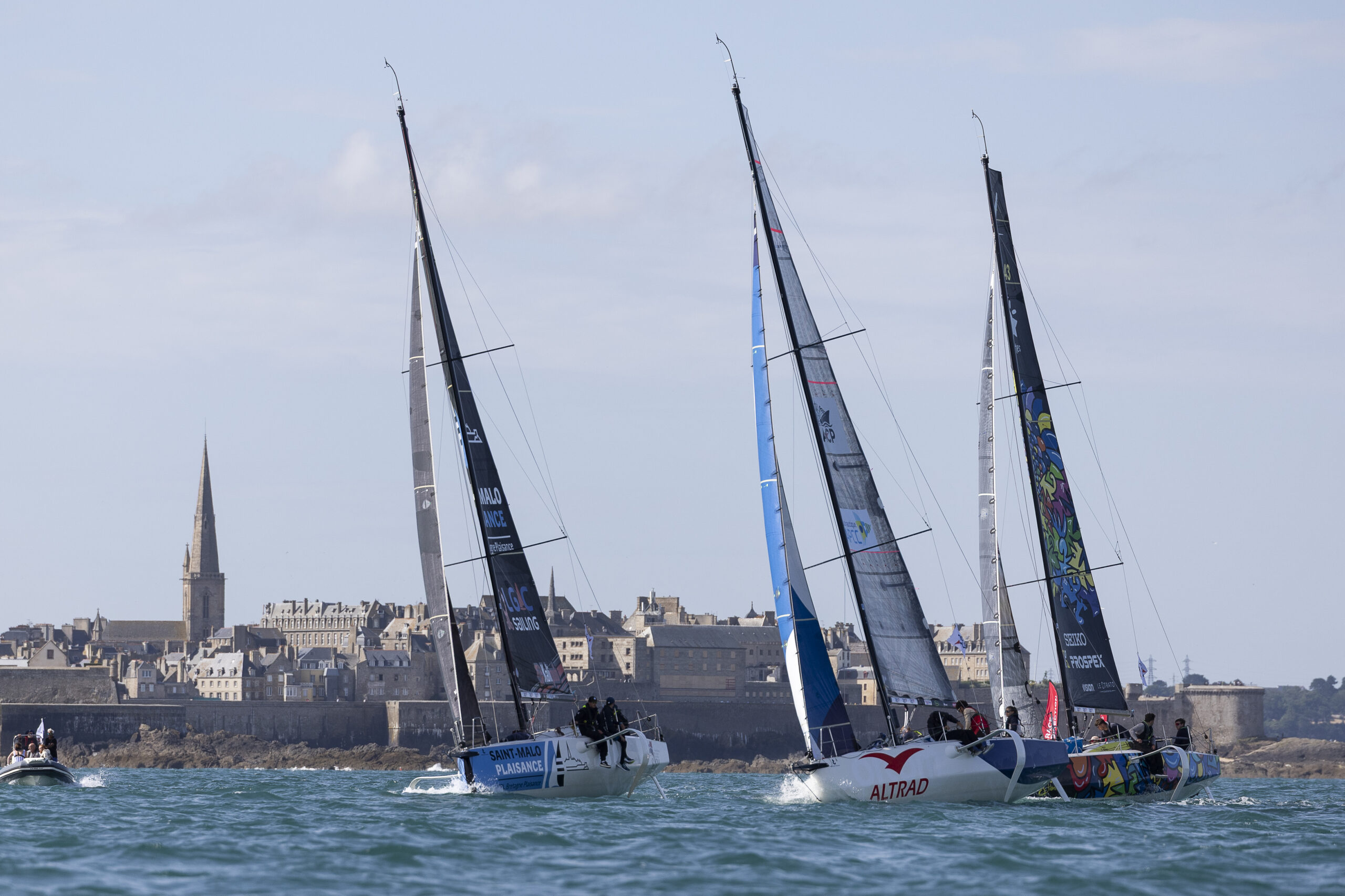
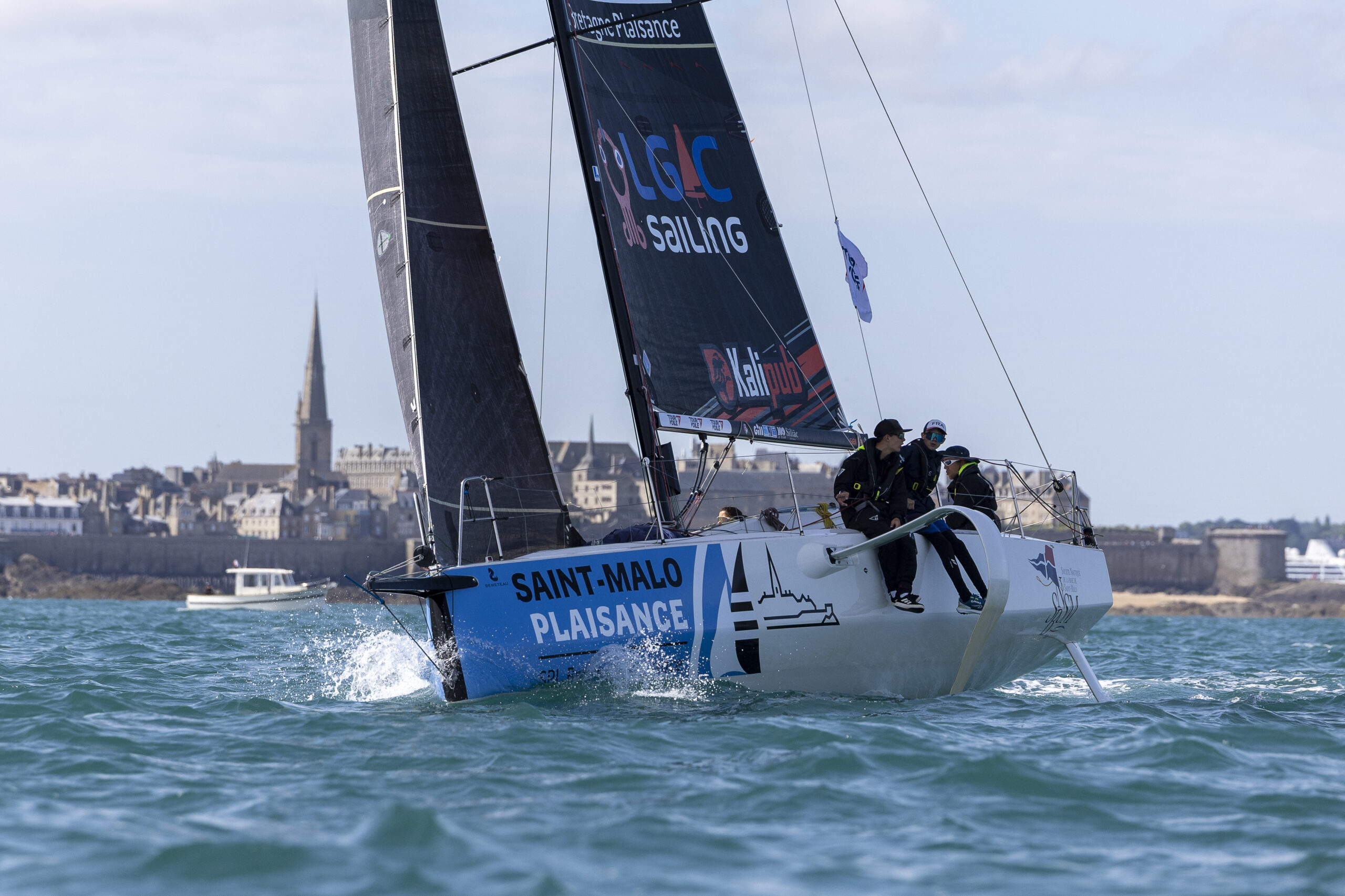
The crews of Tour Voile’s 47th edition barely had time to dry their gear before the Figaro Beneteau 3 fleet was back on the water. Hours after completing the opening offshore leg from Cherbourg to Saint-Malo, all nine teams launched into four windward-leeward races followed by a coastal course between Saint-Servantine and Fort La Latte—a relentless succession that defines the event’s philosophy: no downtime between formats.
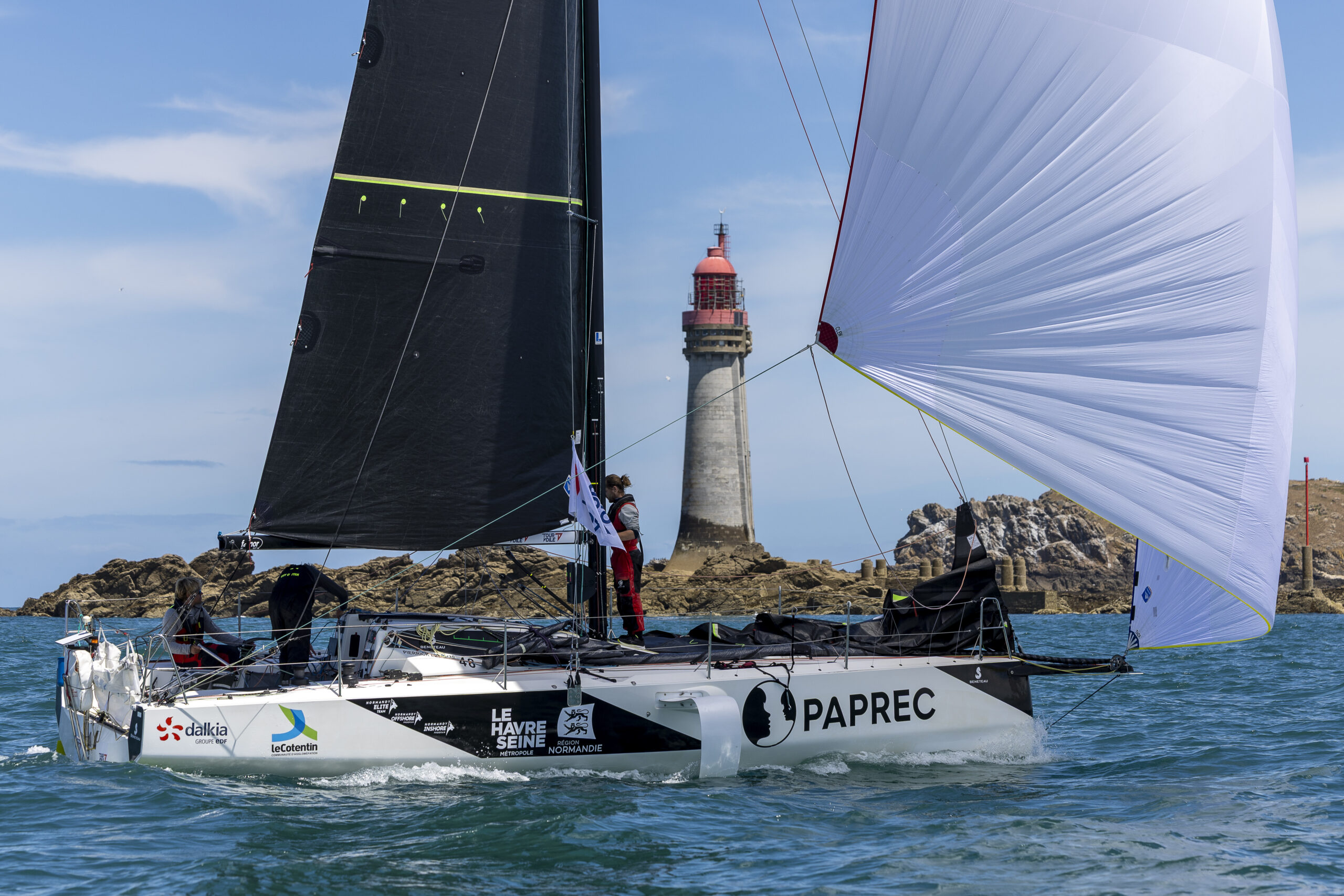
Dunkerque–Kiloutou made early noise, stringing together three wins in the bay races with crisp starts, clean manoeuvres, and commanding boat speed. Yet when the points were tallied, Région Bretagne–CMB Espoir claimed the day. The leaders also won the coastal race and held their overall advantage: Brittany sits just two points ahead of the northern outfit, with PAPREC by Normandy Inshore Program completing a genuinely competitive podium.
The Marathon Logic of Tour Voile
What sets Tour Voile apart is its refusal to let momentum breathe. Crews finish one format, stow gear, rearm boats, and grab whatever sleep they can before another entirely different test begins. Lorenzo Palazzi of La Réunion calls it intense—and says that intensity is precisely why sailors come. Running that pace demands more than talent afloat; it demands ruthless organisation on shore.
“When we return, everything is already prepared: meals, boat setup,” Palazzi explained. “We can shower, sleep a few hours, and go again. Without that structure on land, it would be impossible. Tour Voile isn’t won only on the water. All the preparation ashore matters just as much.”
Crews rotate duties, stagger rest, and optimise every available minute. While some close their eyes, others inspect gear, prepare sails, or anticipate the next day’s challenges.
Consistency Over Flash
Dunkerque skipper Arthur Meurisse acknowledged his team’s three bay-race victories and their recovery during the coastal leg. “We had good starts, clean manoeuvres, good speed,” he said. “It all flowed well.”

Yet Région Bretagne’s Tom Goron identified why regularity trumped his rival’s firepower. “We stayed very consistent in how we navigated,” Goron said. “Good speed, very few mistakes, clean manoeuvres and trajectories. This morning, with unstable wind, you had to read the water well. Later races were about starts and pure speed—the Dunkerque team was strong there. But across the whole day, we stayed performant everywhere.”
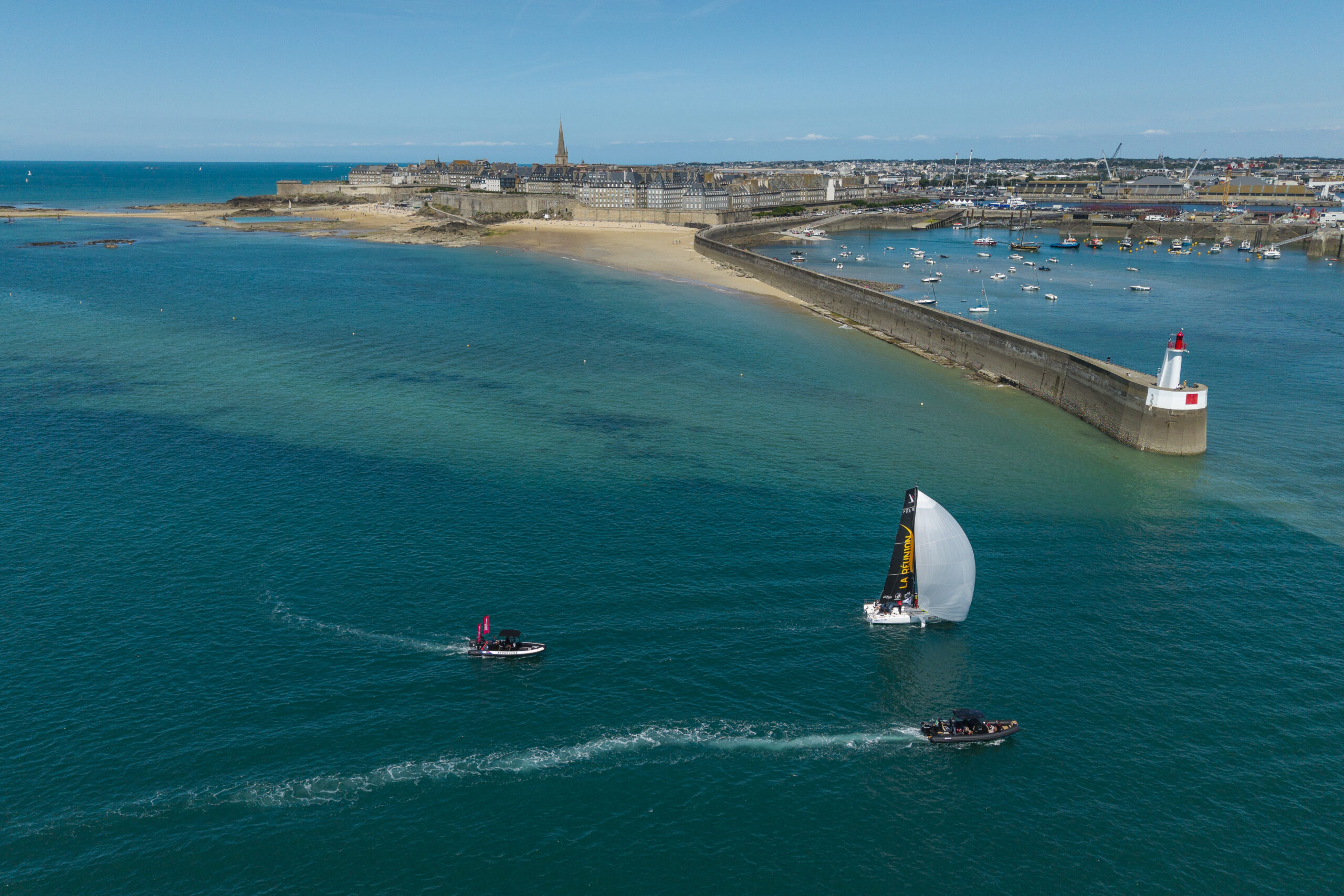
That avoidance of errors proved decisive in the coastal race. Brittany seized control on the first beat to windward, knowing that opening leg would define the day. Once ahead, they simply executed cleanly. “We had prepared that first section well. We knew that’s where the race would really be decided. Once in front, things became simpler. We could run our game.”
The margin—two points—shows how tightly bunched the field remains. With more bay races planned before the offshore leg from Saint-Malo to Plérin launches tomorrow, nothing is decided. The real test remains not just sailing fast, but returning each morning with the same hunger, clarity, and intensity. For Meurisse, the formula is elemental: “A bit of prep, a good meal, a solid sleep—and that’s the recipe for happiness tomorrow.”