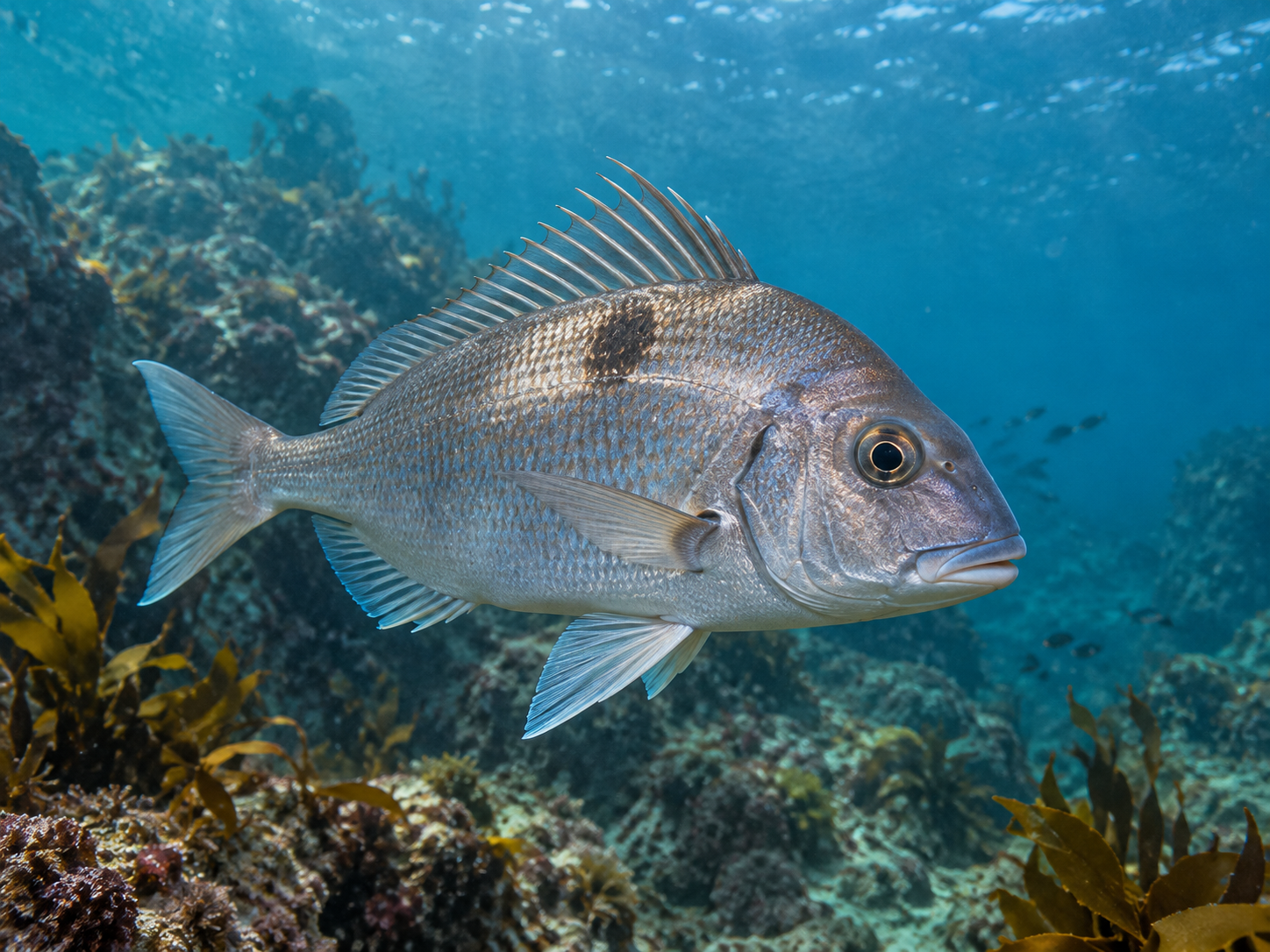
Commercial catch limits for tarakihi have been cut by up to 55 per cent and a nationwide recreational daily bag limit of 10 fish per person introduced, as the government moves to reverse declining stocks.
Oceans and Fisheries Minister Shane Jones announced the reductions on 22 September, with the eastern fishery facing a 20 per cent cut and the western fishery dropping by approximately 55 per cent.
“These measures will immediately reduce fishing pressure on these tarakihi stocks and put them on more positive trajectories, while allowing a lower level of fishing to continue,” Jones said.
The changes follow formal twice-yearly reviews of 22 fish stocks. Officials will monitor tarakihi closely and review stocks again next year, with new scientific assessments scheduled for 2027 (east coast) and 2028 (west coast).

The decision follows increases for several other species where science supports higher sustainable harvests. Snapper and trevally limits rise on the North Island’s east coast, leatherjacket increases on the South Island’s east and south coasts, and several deepwater stocks including frostfish and blue mackerel also see higher commercial limits.
Conversely, stargazer and ling face cuts on the West Coast and top of the South Island. Butterfish has been placed under cautious management with reduced commercial limits and a five-fish daily recreational limit, reflecting habitat pressures and fishery changes.
Jones also adjusted deemed value rates—the fees paid for excess catch—for six stocks, increasing rates for school shark, parore and yellow-eyed mullet in some areas while decreasing them for school shark on the east coast South Island.