There are sailing events measured in results, and there are sailing events measured in something harder to quantify. The 2026 Richard Mille Fife Regatta, which ran from 4 to 12 June on Scotland’s Firth of Clyde, was emphatically the second kind.
Richard Mille Fife Regatta 2026: 23 classic yachts return to the Clyde
Twenty-two yachts built by the Fife dynasty gathered at Largs Yacht Haven for the sixth edition of an event that only happens when the time, the boats, and the people are ready. The oldest in the fleet, Uandi, was launched in 1897. The youngest, Fiona, dates from 2005 but carries yard number 215, placing her firmly within the Fife lineage. Between them, the fleet spans more than a century of one family’s obsession with building yachts that are, as the Fifes themselves put it, fast and bonnie.
The week began not with racing but with ceremony. On Saturday morning, the fleet formed up for a parade of sail past the Fairlie foreshore, the small Clyde coast village where three generations of the Fife family built some of the finest yachts ever launched. The local community turned out in force. A flotilla of visiting boats decorated their topsides and dressed their crews for the occasion. For many of the Fife yachts making that passage, it was a homecoming more than a century in the making.

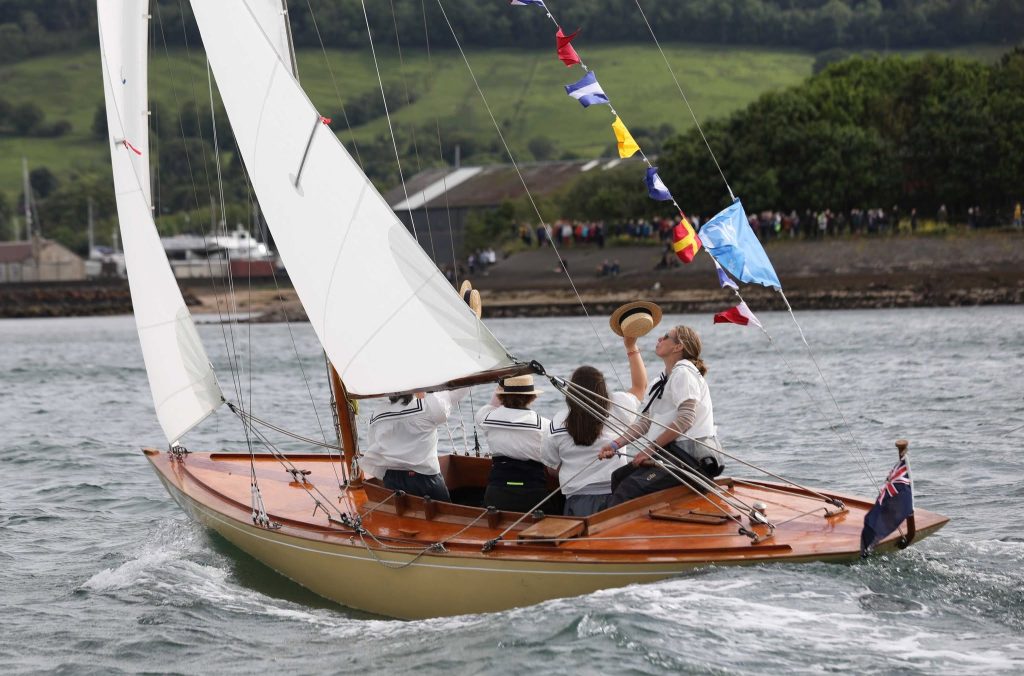
Racing opened in an easterly breeze with the class one boats running a figure-of-eight course around the Cumbraes. The gusty conditions off the Ayrshire coast produced a varied mix of sail plans and, for two of the fleet, early retirement. But the racing that mattered set the tone for the week. The two 8-Metres, Falcon and Saskia, went at each other hard from the outset, swapping places through the afternoon in the kind of close match that a rating system can describe but not really capture. Kentra, at 104 feet the grande dame of the fleet, cruised with the gaff ketch rig that made her unmistakable against every other boat on the water. And Sian II, a Conway Fife One Design from the Royal Anglesey Yacht Club, marked her 100th birthday by winning the opening race.



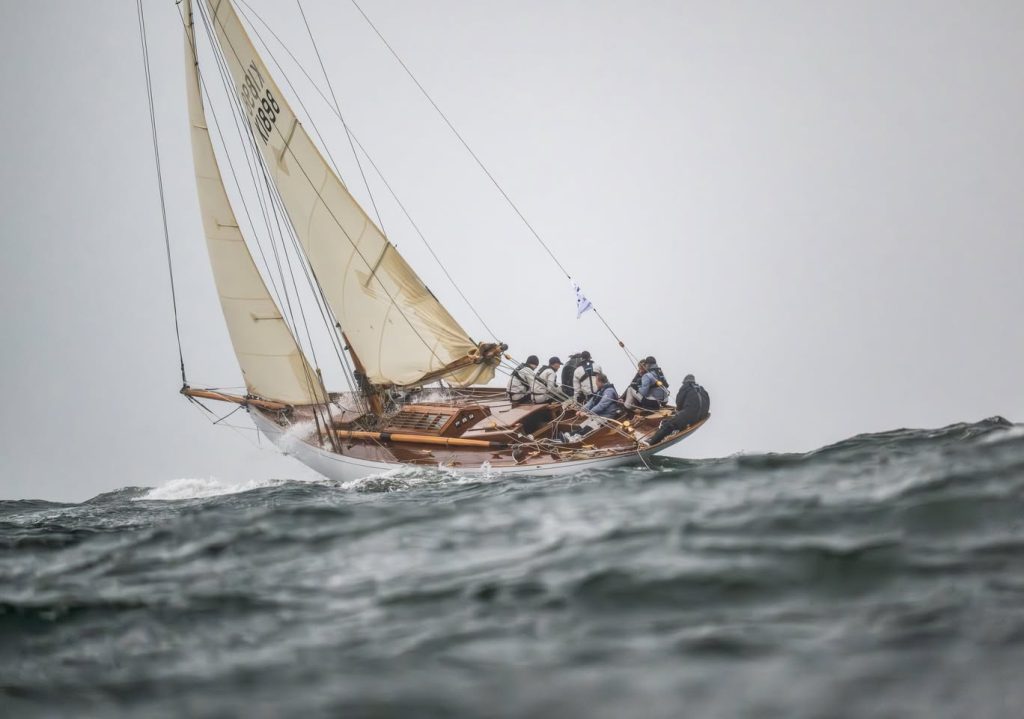
Day two delivered what the Clyde is known for. A southerly front pinned the fleet at the dock for four hours, the wind touching 27 knots in the start area before it eased enough for racing. When the fleet did get away on a downwind start, the conditions were still lively. Kismet hoisted to leeward of Kentra as they crossed the line. Others were more circumspect, easing into the swell under white sails as the dark sky moved north. William Fife would likely have been satisfied watching his designs handle those seas more than a century after they were drawn. All boats made Rothesay safely, with plenty of stories to share over the evening lines.
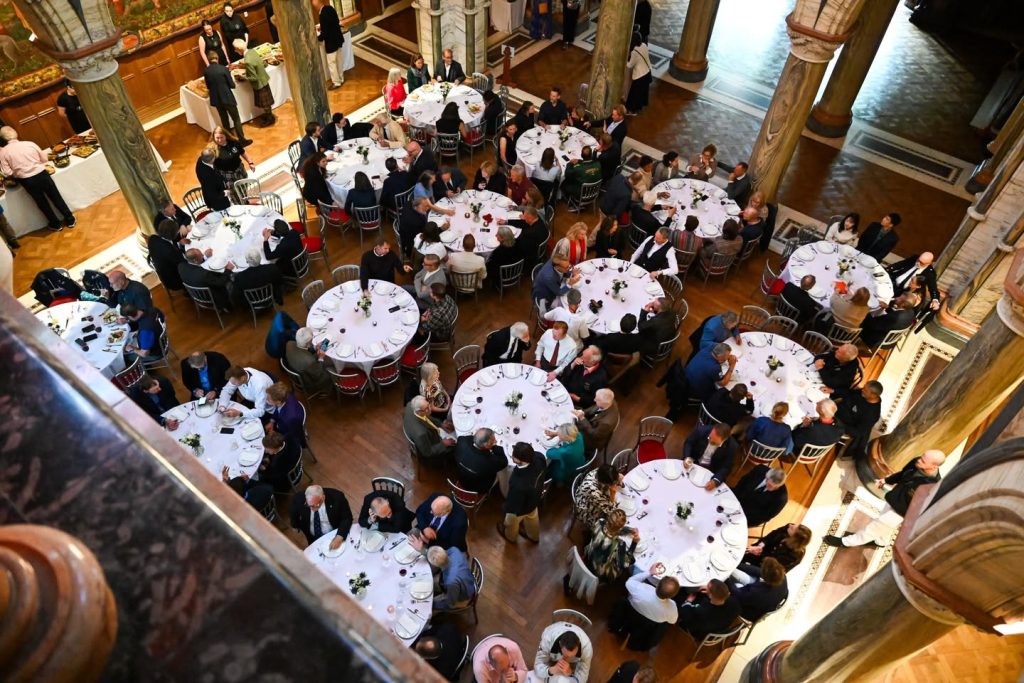
A day of rest in Rothesay followed, and then on Tuesday the fleet made passage through the Kyles of Bute to begin the third race. The transit itself was something. In mirror-calm conditions, support boats towed the smaller yachts up the East Kyle and through the Burnt Isles while sun and rain traded places on the hills above. When the breeze finally arrived, Loch Fyne put on a show, delivering champagne reaching conditions as the fleet spread out across the Sound with full sail up. Kismet led, the 8-Metres hunted her, and the Conway One Designs raced each other with the intensity that would define the whole week. Sian II levelled with Coila on points, setting up a contest that ran to the final day.
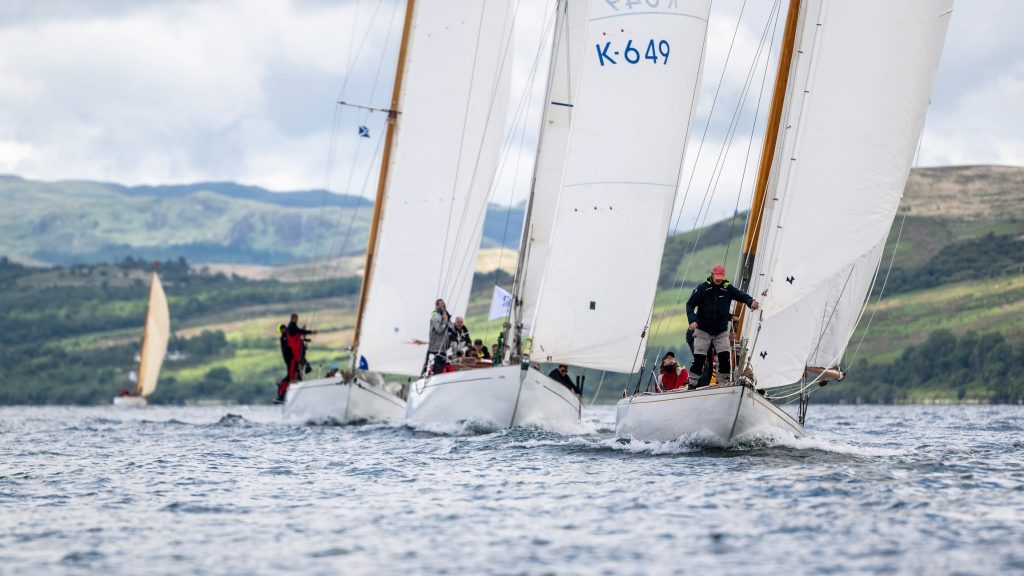
Portavadie on Loch Fyne provided the second rest stop, and here the regatta showed its other face. Some crews took the tender into Tarbert for the afternoon. Others worked on their boats. Everyone gathered that evening for a dock party among the yachts, the kind of informal gathering that a festival like this generates naturally when a group of passionate people have been living alongside each other for days. The boats had stories enough of their own, if they could tell them.

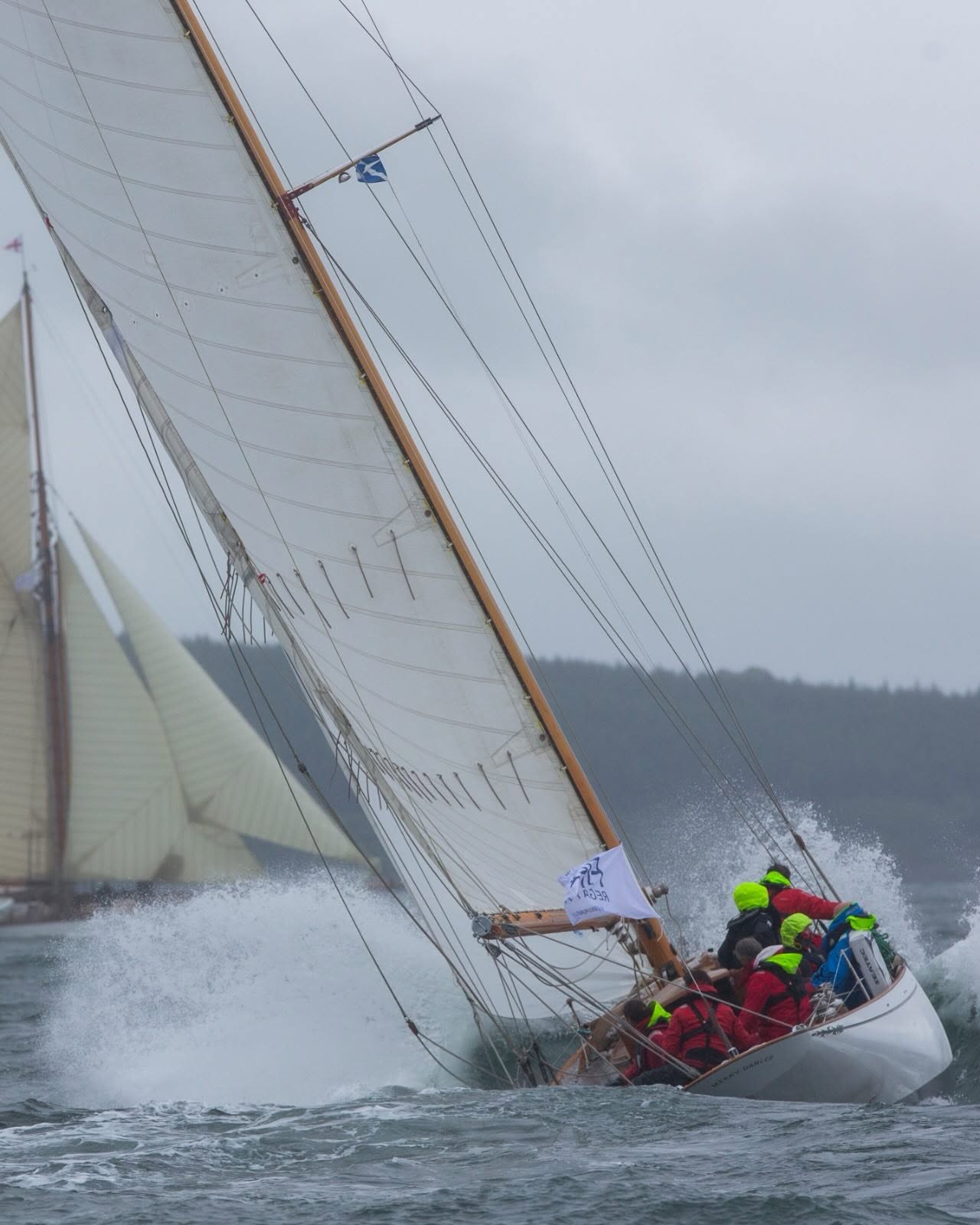
The race back to Largs was the longest of the week and, for the smaller boats, the hardest. Both classes beat down Loch Fyne in steep, choppy conditions before rounding Garroch Head at the southern end of Bute and entering the Clyde. The two 8-Metres cut through it, rounding first. Kentra, Merry Dancer and Mikado followed. The Conway One Designs ground it out for four and a half hours on the wind before they could finally ease sheets. Kismet lost a hatch cover on the beat. Intombi, making the best of conditions that suited her, took the class win.
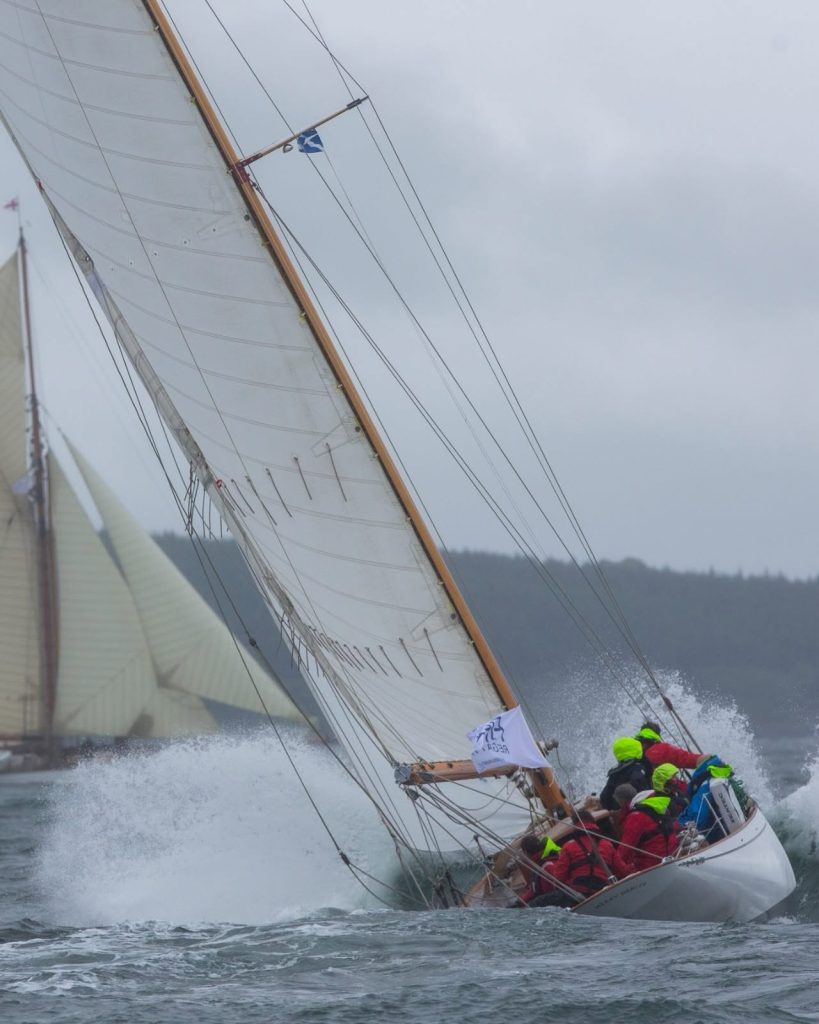
The final day brought the King’s Course, north of Great Cumbrae, with a forecast of strong westerlies developing as the afternoon progressed. The race team shortened the smaller boats’ course into the Largs Channel as a precaution. The larger yachts went out toward Toward Bank. It proved the right call. Squalls swept through during the second half of the race with enough violence to bring both 8-Metres to their knees. Falcon and Saskia, spinnakers set for the return leg, broached and had to depower significantly, opening the door for Kismet, Sonata and Merry Dancer. Kentra was first back, finishing under full sail at the marina entrance to the kind of welcome that a 104-foot gaff ketch deserves.
In the Largs Channel, racing was intense to the end. An incident at the leeward mark between class leader Coila and Lotus added drama, but damage was minimal and Coila held on to win the final race, with the newly restored Sian II close behind.
Prize-giving took place at Kelburn Castle. Duncan, the 1925 Fife Bermudan sloop, took the Spirit of Pen Duick platter as the overall Class One winner, her owner Ash Butler noting the particular quality of a regatta where more than half the fleet is crewed by families rather than professionals, and where the whole thing feels, above everything else, real. Coila took the Class Three overall prize, a Royal Clyde Yacht Club claret jug dating from 1876.
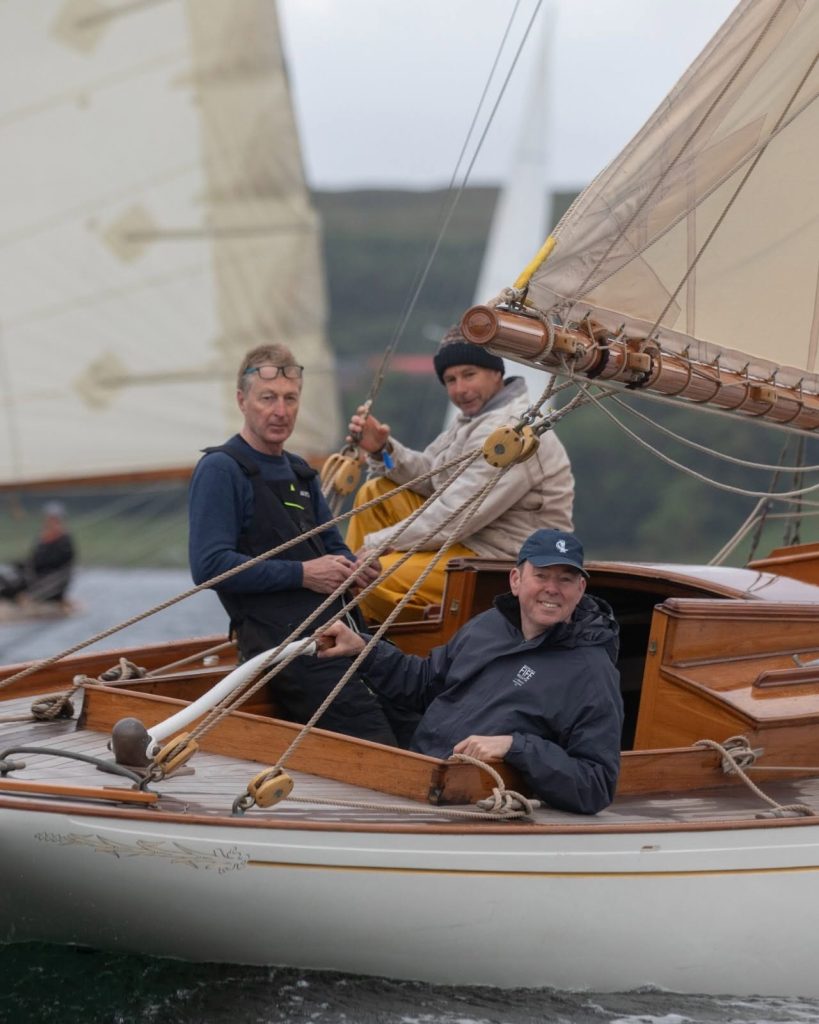
Regatta Director Fiona Houston, who grew up in Fairlie, spoke for everyone when she said the week had brought her great pleasure. It could not happen without Richard Mille’s support and without the volunteers who have shared the passion to make it work.
The boats raced hard, broke things, and carried children and grandparents and professionals in the same cockpit. Coila struck Lotus at the leeward mark. Kismet lost a hatch cover on the beat down Loch Fyne. Duncan‘s owner received his trophy and described spending most of his time in a workshop, not on a racecourse. None of it detracted from the week. All of it was the week.
2026 Richard Mille Fife Regatta
Fleet & Highlights
| Vessel | Built | LOA | Type | 2026 Highlights & Standing |
|---|---|---|---|---|
| Duncan | 1925 | — | Bermudan Sloop | Class One Overall Winner — awarded Spirit of Pen Duick Platter |
| Coila | 1934 | 24–25 ft | Conway Fife One Design | Class Three Overall Winner — awarded 1876 Royal Clyde YC Claret Jug |
| Kentra | 1923 | 104 ft | Gaff Ketch | First back on the final day; largest yacht in the fleet |
| Uandi | 1897 | 30 ft | Lugger | Oldest yacht in the 2026 fleet |
| Fiona | 2005 | 36 ft | Seabird (Gaff) | Youngest Fife-lineage yacht in the fleet; completed full itinerary |
| Sian II | 1926 | 24–25 ft | Conway Fife One Design | Celebrated her 100th year; won the opening race |
| Falcon | 1930 | 49 ft | International 8-Metre | Close match racing with Saskia throughout; broached in final-day squalls |
| Saskia | 1931 | 48 ft | International 8-Metre | Battled Falcon through heavy squalls on the King’s Course; broached on the final day |
| Kismet | 1898 | 55 ft | Gaff Yacht | Day 1 line honours; lost hatch cover on the Loch Fyne beat |
| Intombi | 1934 | 24 ft | Sloop | Won Class Three on the long beat back from Loch Fyne |
LOA figures sourced from official regatta entry list. Some details unconfirmed at time of publication.
Learn more at: Richard Mille Fife Regatta