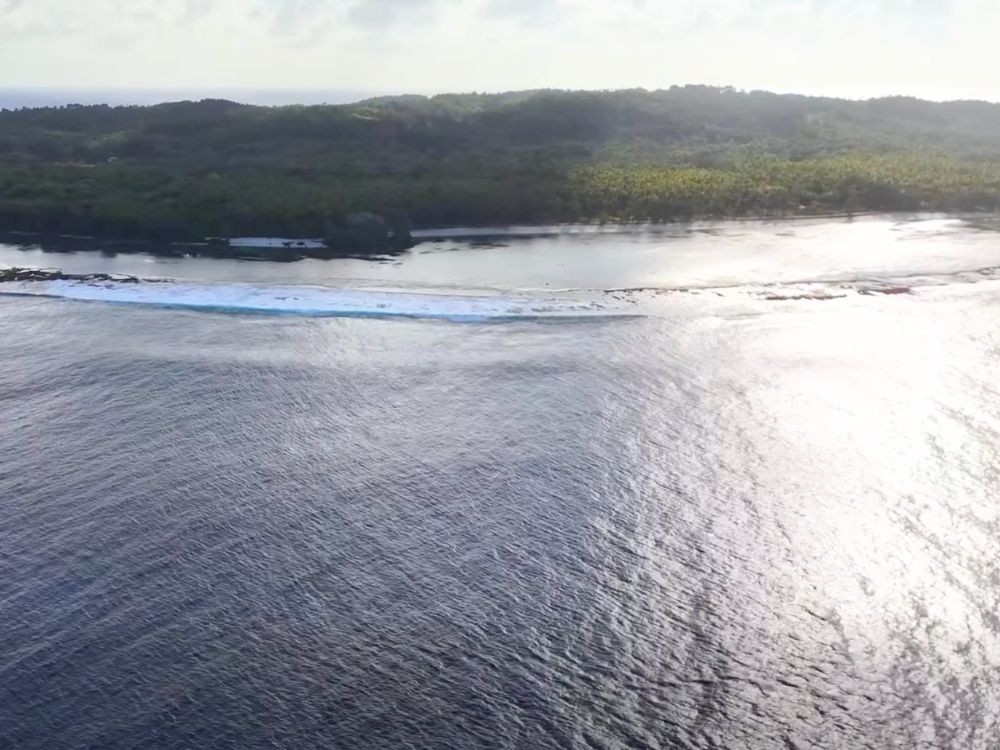
If you’ve done the passage north from New Zealand into the Pacific, you’ll know these waters. The Marquesas, the Australs, the Society Islands, all familiar waypoints on a route Kiwi sailors have been making for decades. A significant chunk of those cruising grounds just got a lot more protection.
French Polynesia President Moetai Brotherson announced on June 8 that new zero-extraction zones have been established across all three island groups, bringing the strictly protected, no-take area within French Polynesia’s waters to around 30 percent of its total Exclusive Economic Zone. That works out to roughly 1.4 million square kilometres where industrial fishing and mining are now off the table entirely.
The new zones sit within the broader 5-million-square-kilometre Tainui Ātea framework, already the world’s largest marine protected area. Think of it as tightening the inner ring, the overall managed area has been in place for some time, but these designations lock down the most sensitive parts with the strongest protections available.

The announcement came at the end of a week of World Oceans Day events in Papeete, anchored by the Tainui Ātea Festival at Parc Paofai on June 7, where more than 35 organisations presented their ocean protection work. The United Nations Ocean Conference in Nice in June 2025 had been a key moment, with French Polynesia committing there to placing 1.1 million square kilometres under highly protected status. This latest announcement takes that further.
What makes Tainui Ātea different from a conventional marine reserve is the philosophy behind it. President Brotherson was direct about that: the ocean isn’t something separate from the people, it is part of them. That framing, rooted in Pacific indigenous values, shapes how the whole framework is intended to work.
The week also carried a strong cultural thread. Hawaii and French Polynesia are currently marking 50 years since the 1976 voyage of Hokule’a, the traditional double-hulled canoe that sailed from Hawaii to Tahiti using only traditional navigation methods. It’s a journey that’s become part of Pacific sailing legend, credited with reviving non-instrument navigation and sparking a cultural renaissance that’s still felt across the region today.