The Golden Age of Sail
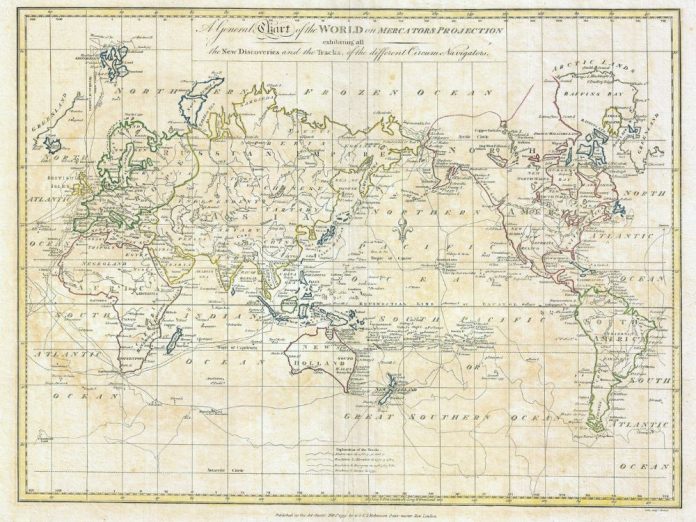
The Golden Age of Sail (17th to the mid-19th centuries) was an era that saw the full realisation of sailing ship technology unleashed around the globe. Building upon the foundations laid during the earlier Age of Discovery, this period was characterised by the masterful refinement and standardisation of sail design. Nations like Britain, France, Spain, and the Netherlands built vast fleets for trade, colonisation, and naval warfare, with ships becoming faster, more predictable, and more efficient.
The full-rigged ship
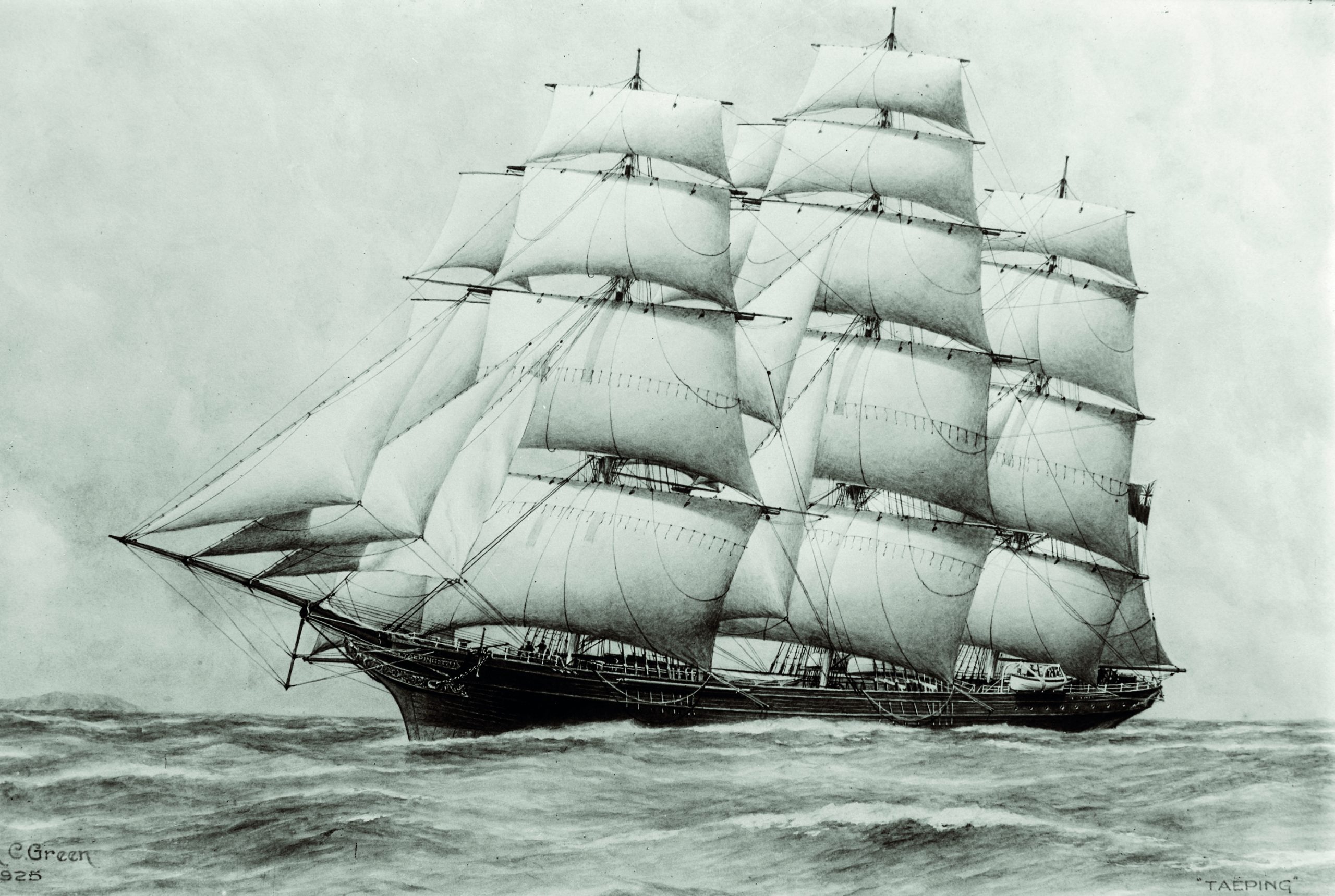
The primary innovation of this era was the full-rigged ship, which featured a sail plan with three or more masts, all of which were square-rigged. However, instead of a single, massive sail on each mast, engineers divided the canvas into multiple, smaller sails stacked one above the other. This created a hierarchy of sails – generally the ‘course’ at the bottom, followed by the ‘topsail,’ ‘topgallant,’ and the ‘royal sail’ at the top.
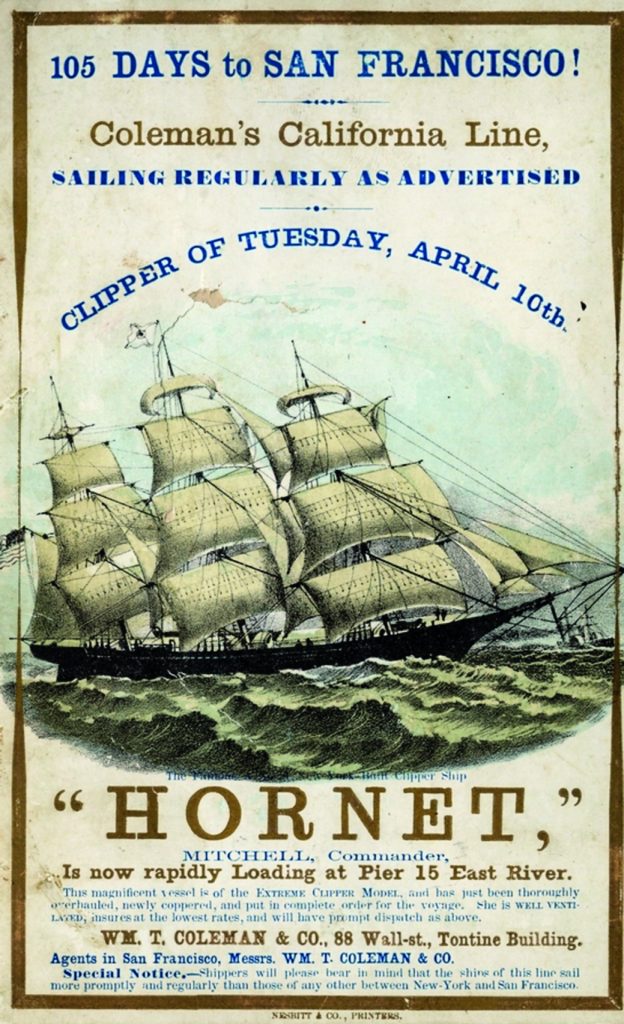
This tiered system was a revolutionary improvement for several reasons. Firstly, it allowed a ship to quickly respond to changing wind conditions without the dangerous and labour-intensive task of furling a single giant sail. Secondly, it reduced the strain on the ship’s rigging and hull, making the entire system more durable and reliable for long voyages. Thirdly, these smaller sails could be managed by a more specialised and efficient crew, improving overall operational efficiency.
Fore-and-aft sails too
While the square sail plan dominated downwind sailing, the full integration of fore-and-aft sails was a crucial element. Unlike earlier reliance on the single lateen sail for manoeuvring, this new era saw the widespread use of triangular sails both fore and aft. Sails like the jib and staysail (set on stays running from the foremast to the bowsprit) became essential. Their design allowed the sails to capture wind from the side, enabling the ship to sail much closer to the wind. This was vital for navigating narrow channels, entering harbours, and maintaining a heading when the wind was not directly aft of the vessel.

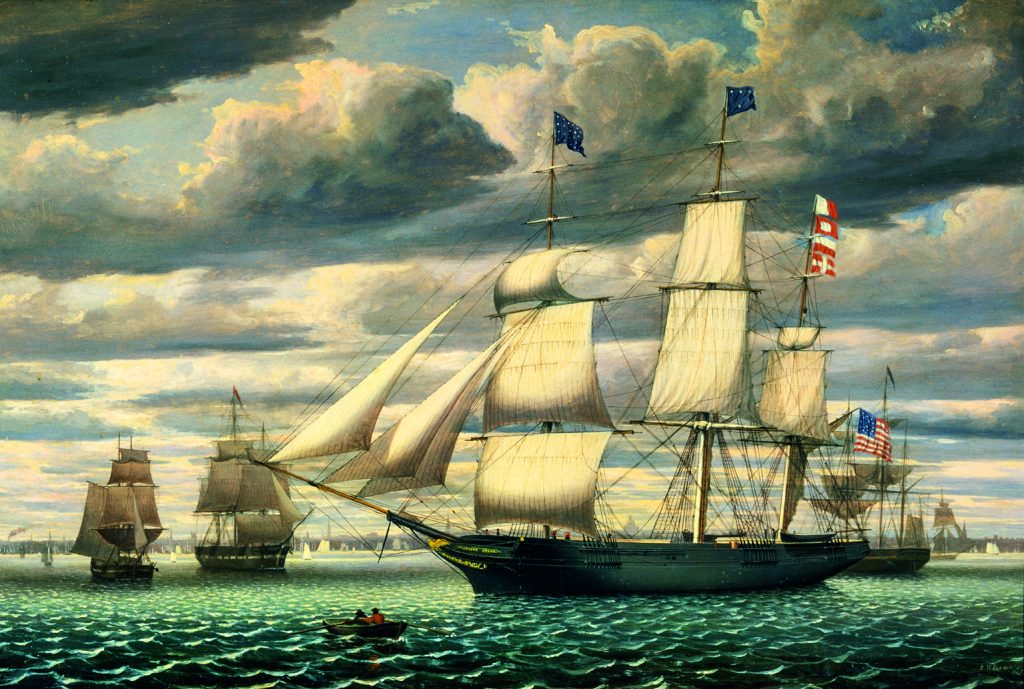
Gift of Stephen Wheatland Peabody Essex Museum
The combination of powerful square sails for downwind speed and agile fore-and-aft sails for windward performance created a truly versatile vessel capable of navigating any ocean on the planet.
Clipper ships
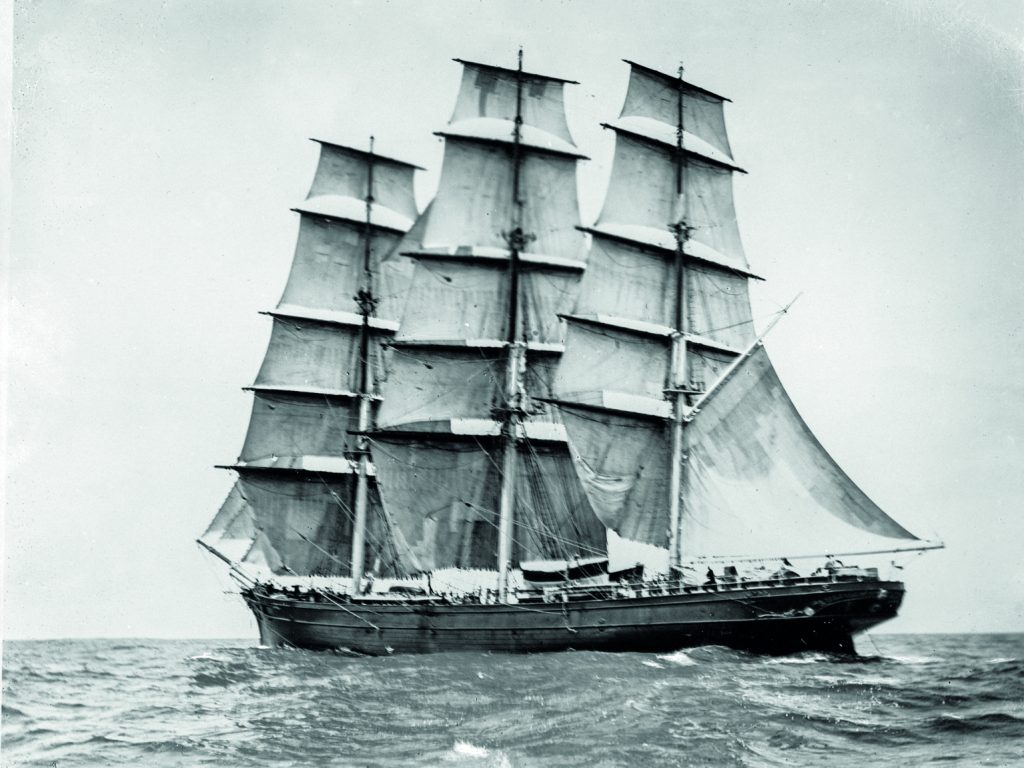
Clipper ships of the 19th century represented the pinnacle of sail efficiency. Clippers were sleek, narrow-hulled ships built for speed, often used in the tea trade from China, on gold rush supply lines, and in transoceanic trade.
CaptureSN: CC001681.064318
Software: Capture One PRO for Windows
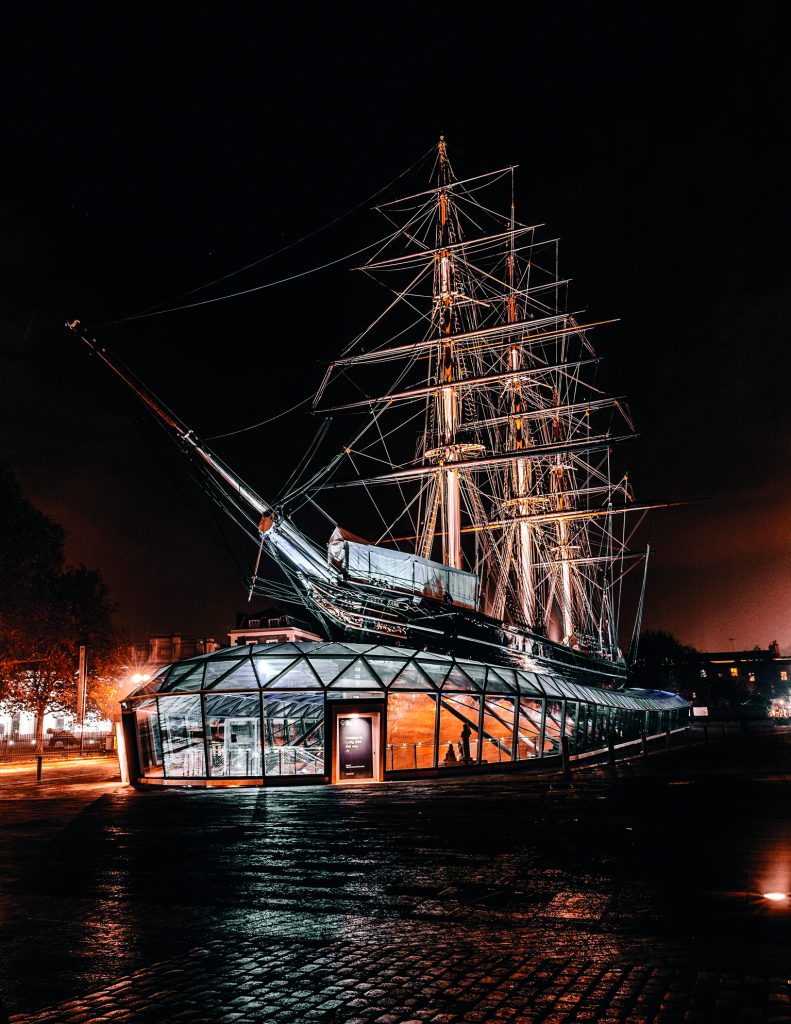
Their tall masts carried a massive expanse of sailcloth, and they could average speeds of 18 knots or more under the right conditions. The iconic British clipper Cutty Sark had three masts (with the mainmast 47m high), over 17 kilometres of rigging, and a total sail area of approximately 3,000m2.
Decline of the Sail Era and the rise of steam
Despite its triumphs, sail power began to decline in the mid-19th century with the invention and widespread adoption of the steam engine. Steamships were less dependent on wind patterns and could maintain consistent schedules, making them ideal for the growing demands of global commerce.

Modern sail technology and the revival of wind power
The 21st century has witnessed a resurgence of interest in sail, particularly for sport and environmental sustainability. Today’s sails use advanced materials like Dacron, Kevlar, and carbon fibre, offering greater strength, lighter weight, and improved aerodynamic performance.
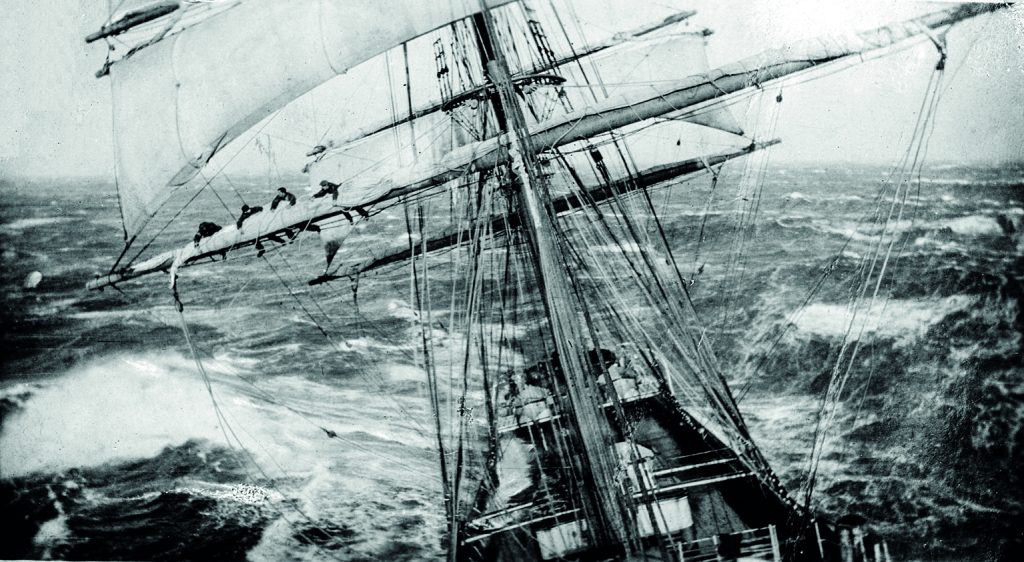
Racing yachts, such as those used in the Sail GP and the America’s Cup, feature cutting-edge rigs, foiling hulls, and composite sails. Innovations such as rigid airfoil-shaped wing sails offer exceptional speed and performance, with Sail GP yachts reaching over 100kph in much lighter winds.
The future
As we face new environmental challenges and look to sustainable technologies for global transportation, the sail may once again become a central force in shaping the future of maritime travel – just as it shaped the course of our past.