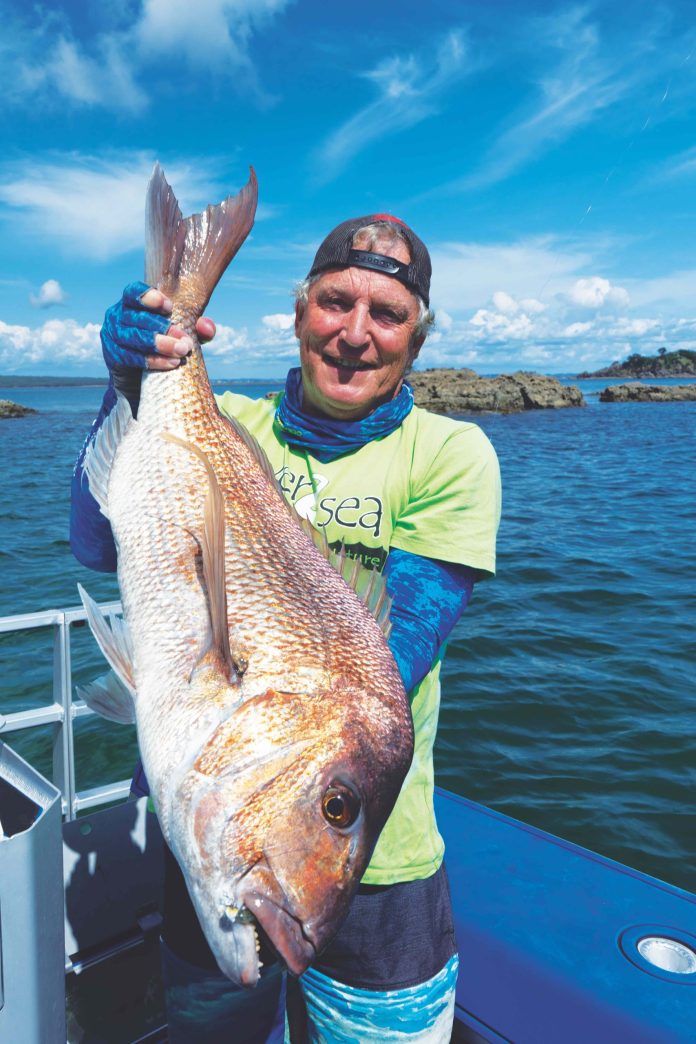
Wind is an angler’s bane. Windy conditions can make fishing unpleasant and often difficult, but there are workarounds.
There’s no doubt about it, fishing is more fun when the wind isn’t blowing! But if we only go out when conditions are perfect, we might not get out very much at all, especially in these increasingly unpredictable climatic times. Also, to be honest, I’m counting down the years I can still do the more active types of fishing, it’s scary!
Consequently, I’m getting out whenever I can, and sometimes this means taking chances with the weather. Sometimes I win these gambles, at other times I don’t. But with age comes wisdom, so even my ‘losses’ these days tend to encompass some redeeming features that make the overall experience worthwhile.
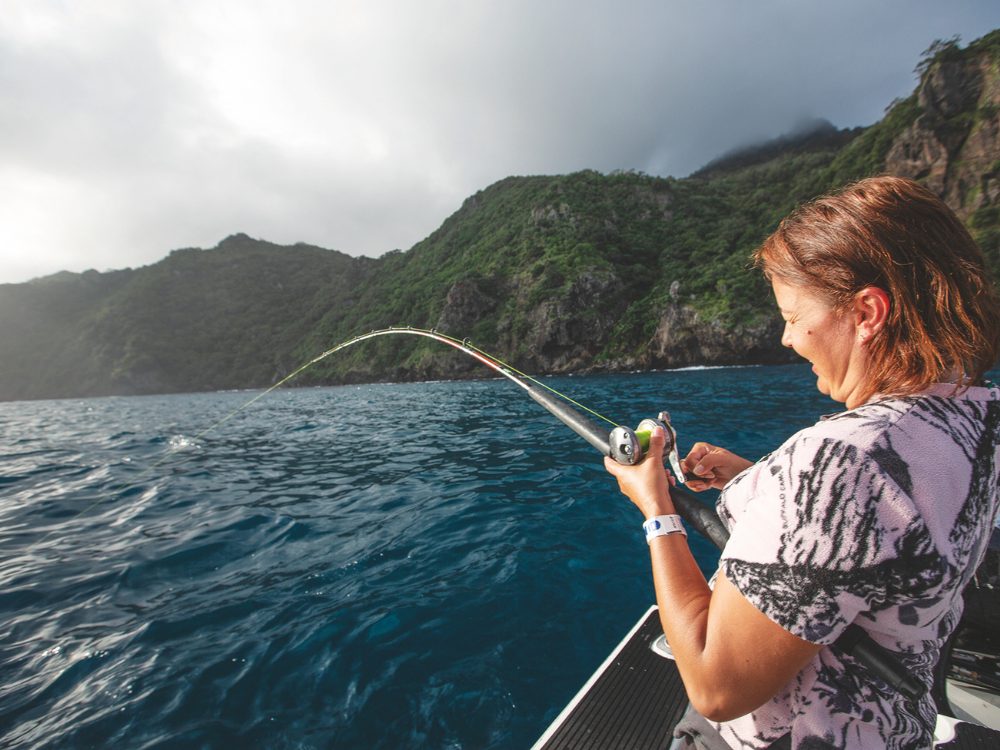
Windy bait fishing
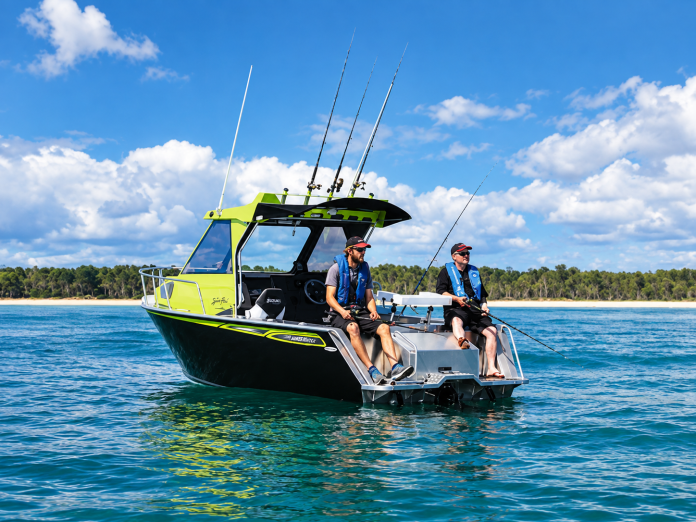
One of the great things about bait fishing is that even when conditions are blustery, there are usually sheltered locations where it’s possible to anchor up and catch fish, provided you follow a few basic ‘rules’.

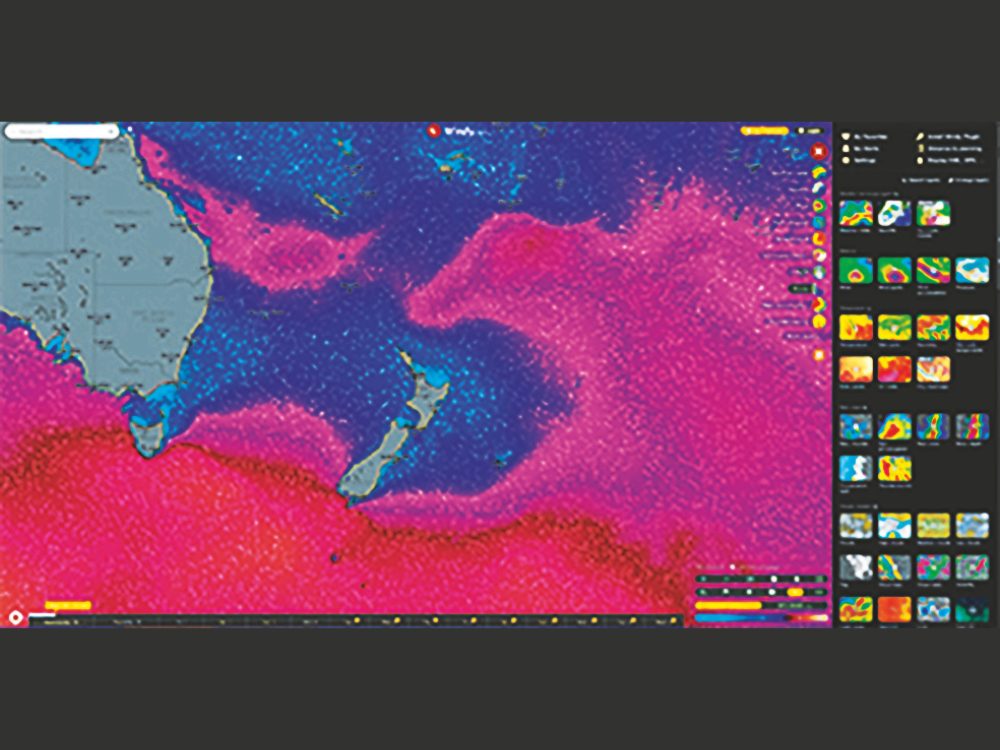
Consult at least one marine weather app (i.e. Windy or SwellMap Boat) to check what’s likely to happen weatherwise during the day; see which areas provide shelter in the prevailing wind; and see when the tide change occurs. All these factors should be taken into account when planning the day’s fishing.
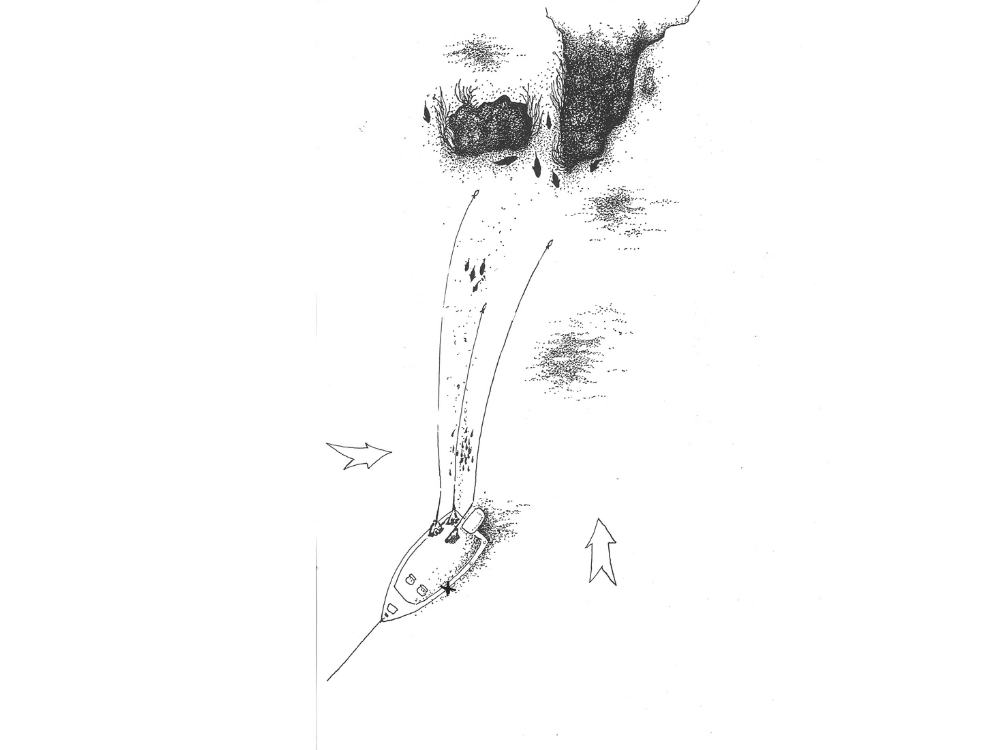
When considering suitable locations to fish in windy conditions, look for those that offer some current flow in a similar direction to the wind forecast. Fish tend to feed better when there’s some water movement present, and many species are suckers for unweighted or lighted weighted baits cast well away from the boat. Dropping baits on weighted rigs straight down in shallow water (less than 20 metres deep) tends to be unproductive, as boat noise and shadow deter larger, wiser fish, causing them to hang back. For best results, the boat should swing on the anchor at a similar orientation to the tidal flow. If boat and current are too badly misaligned, berley and baits can end up under the boat, catch around the anchor rope or berley pot, risking chafed and/or broken lines when fish are hooked.
So, where present, seek out any channels in your sheltered area, as these tend to have reasonably predictable tidal flows, with the current direction determined by whether the tide is incoming or outgoing. However, prominent points, rocky spurs, islands and large rocks can complicate things, as they often create back-eddies or cause the current flow to reverse. Luckily, if the conditions are right, you can often use these anomalies to your advantage.
“…there are usually sheltered locations where it’s possible to anchor up and catch fish…”
Also, some locations, especially islands, experience the same tidal flow direction all day long. Knowing the location of such places can be invaluable, but such conditions can be a curse, too!

While there is no substitute for firsthand or local knowledge when determining which spots are likely to offer the best wind-with-tide options, apps such as PredictCurrent, can indicate what’s likely to happen in unfamiliar areas. And yes, it may be necessary to pay for apps to get full functionality, when one considers how much is typically spent on bait, berley, tackle and fuel, the cost is negligible. And, of course, your time and enjoyment level is quite valuable, too!
Finally, don’t despair if the wind radically changes direction just as the fishing starts humming; provided there’s a decent amount of current and you have a drogue onboard, simply deploy the drogue from the boat’s stern to keep the vessel oriented in the right direction for effective stray-lining to continue. Or, if fishing from an open or side-console/centre-console boat, anglers can simply move up to the bow, or position themselves along one side, depending on the angle of the boat in relation to the current’s direction of flow. Pay attention to where the berley pot cord is secured, though, it should be on the opposite side of the boat to the anglers, with the trail carried onto their baited lines.
Contending with an anchor line that’s now sitting in the middle of where you are fishing can be a problem should you hook any large fish, but at least fishing is still possible. As an aside, larger vessels fitted with heavier chains may deter snapper from holding nearby due to the noise the chain makes when the anchor is deployed and as it moves around on the sea floor in response to boat movement.
Windy lure fishing
When targeting snapper, lures tend to be fished on the drift, so problems associated with anchor lines are avoided. It’s also possible to fish in wind-against-tide scenarios, although admittedly less effectively, and you may need to deploy a drogue to slow the boat’s drift speed.
So, identify wind-with-tide locations as first choices, perhaps utilising the tide and wind apps mentioned above.
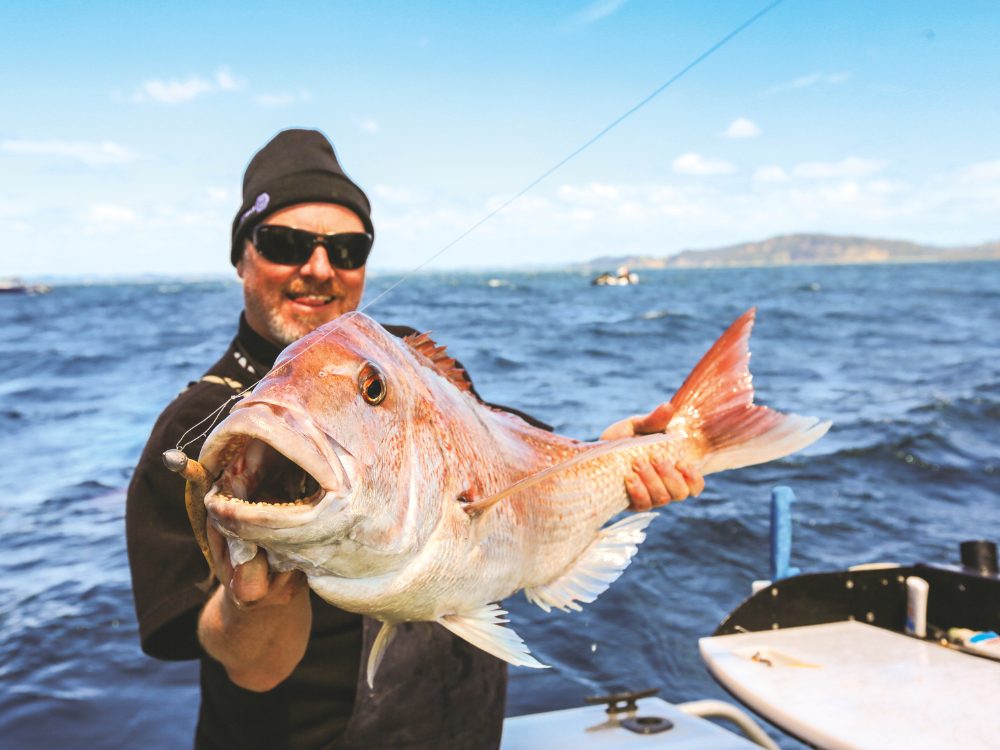
For lure anglers, soft baiting is likely to be the best technique. Fishing soft baits in along sheltered lee coasts usually means fishing reasonably shallow water where bigger snapper will stay well away from drifting vessels, even more so those with a decent footprint. That means casting well away from the drifting boat to snapper and other species that are not yet aware of the approaching vessel.
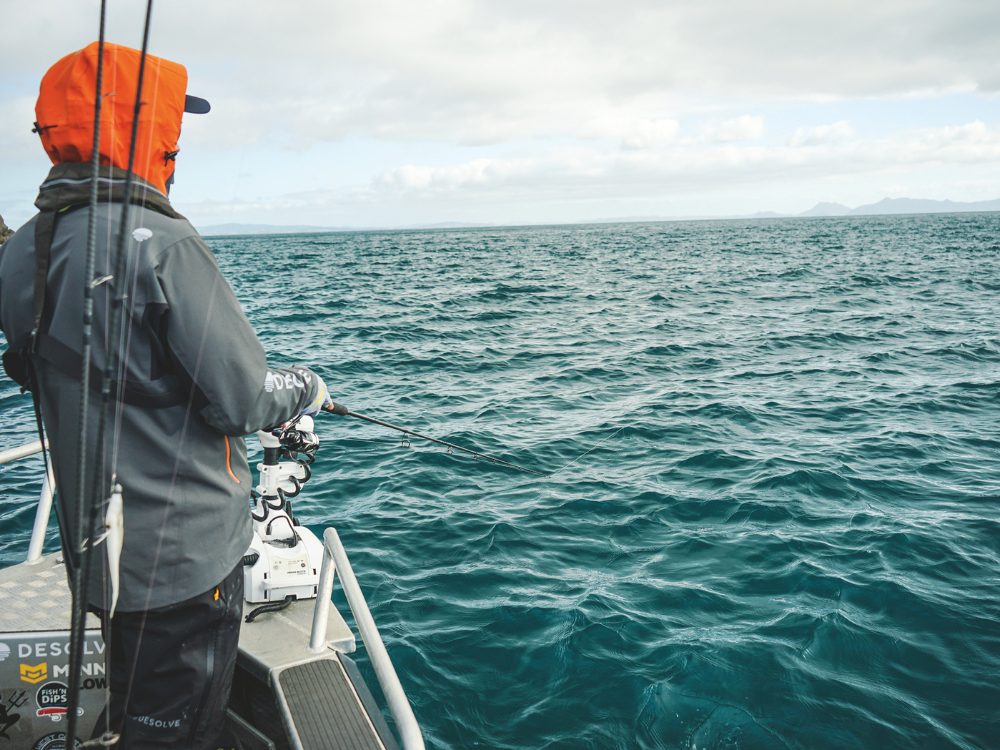
To get the best from your soft-baiting efforts, consider the following strategies:
Determining the best casting angles can be critical, but try casting with the wind initially, for longer casts and the line will remain straighter, providing more direct contact. Remember, though, to wind out any excess slack.
Avoid extra line blowing around after casting by forming a ‘C’ with your spare hand and jamming down over the spool before the lure splashes down. This serves to tighten the line and increase the speed of the lure’s descent, resulting in more braid being captured by the water, where it’s less affected by the wind.
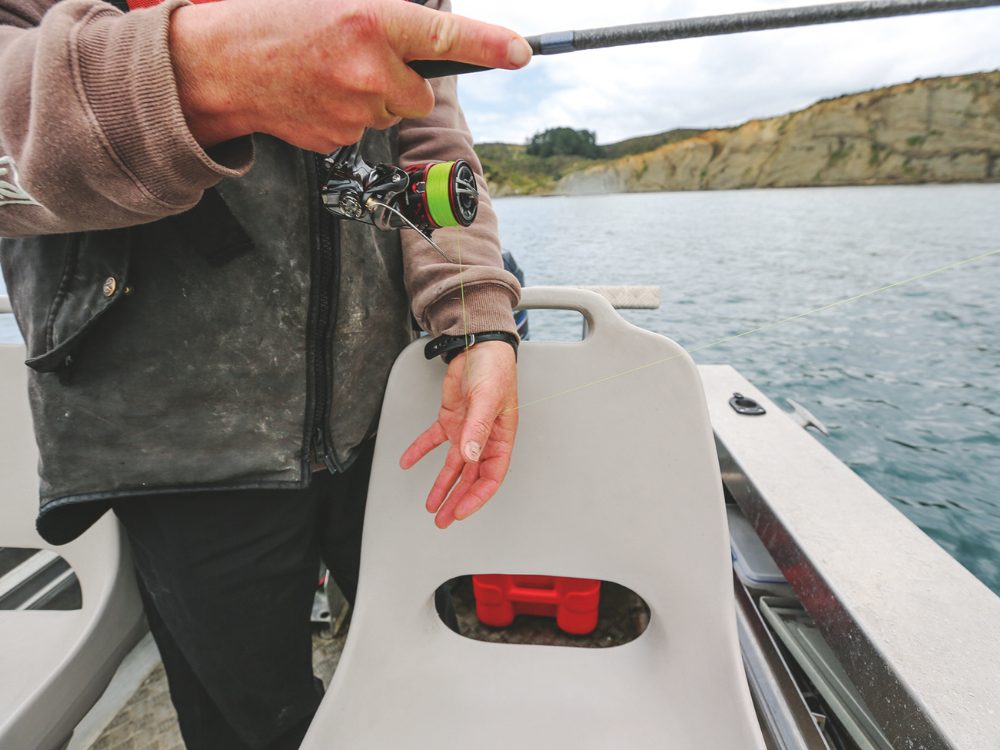
Point the rod downwards along the line with the tip close to the water to reduce the influence of the wind and to maintain better contact with the lure.
Sometimes the casting angle required to get a light jig-head to sink while maintaining some contact throughout its descent, may result in a wind-blown belly in the line. When that happens, try bringing the soft bait to life with sideways jiggling rod movements in the direction of the bowed line, rather than trying to reduce the bow by pulling in the opposite direction. Moving the rod sideways reduces the amount of line exposed to the wind, and the rod tip tends to load up more quickly to any undetected line bites from this angle. Such bites are easily missed in choppy conditions.
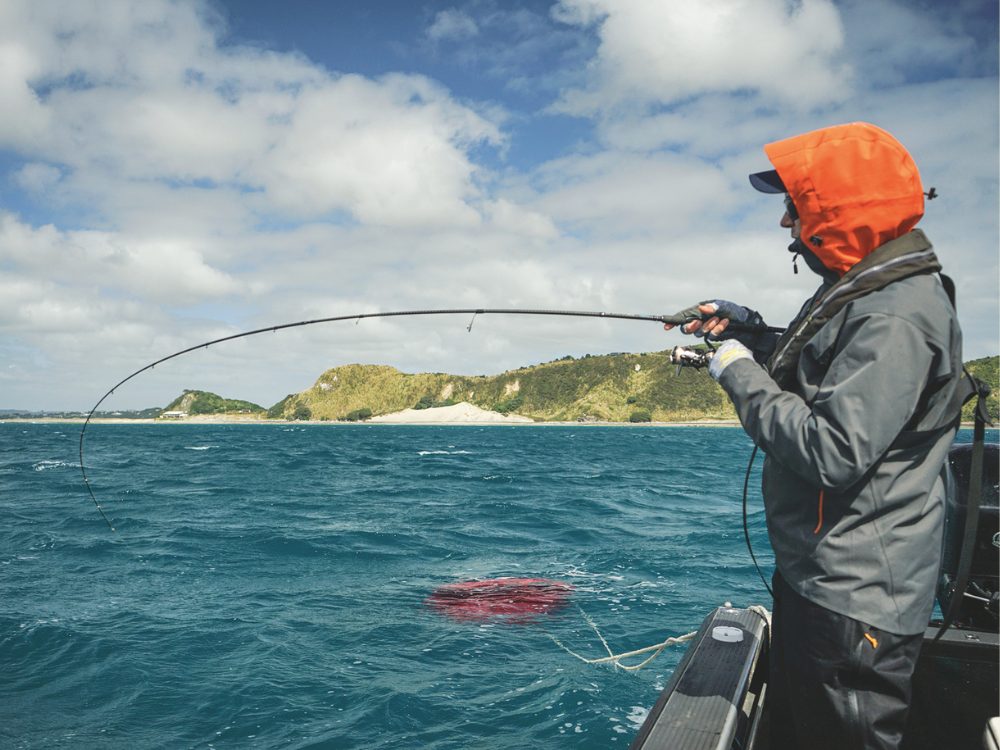
As just mentioned, it can be hard to see bites, usually indicated in calmer conditions by the line jolting or suddenly slackening, so if you think you might have a bite but you’re not sure, try a ‘jiggle-and-wind’ response, the jiggle makes the lure come to life in the snapper’s mouth, so they clamp down to prevent their ‘prey’ escaping, while the quick wind makes everything come up tight so you can lift the rod to set the hook should you feel pressure coming on.
Finally, consider trying micro-baiting, using soft baiting gear more traditionally used to target trout in freshwater. This more subtle approach tricks all sizes and species of fish, providing heaps of fun, and often results in some amazing battles, even when it’s blowing! BNZ
NEXT MONTH: Never too shallow…