Fiction!
But the impacts are not always easy to see.
There is a large body of scientific evidence showing that marine pests can affect native ecosystems, fisheries, aquaculture, infrastructure and local economies.
Part of the challenge is that much of this happens out of sight underwater. On land, the effects of pests such as weeds, aphids or possums are visible.
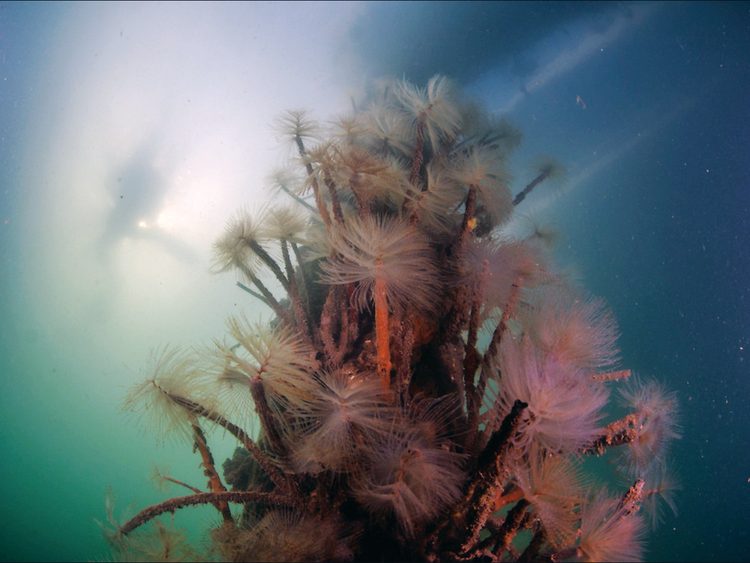
When a marine pest arrives in a new location, it can quickly build up to very high population densities, competing with native species for space and, in some cases, directly preying on them. It can also change the habitat itself. However, because it’s underwater, it is hard to see.

The effects are not only environmental. We’ve also seen economic and social consequences from marine pest incursions. This includes costs to aquaculture, impacts on recreation and tourism, and changes to places used and valued by local communities.
In New Zealand we’ve seen this with Pacific oysters on the Manukau Harbour, the Australian droplet tunicate Eudistoma elongatum (also known as rock snot) and, more recently, exotic Caulerpa.
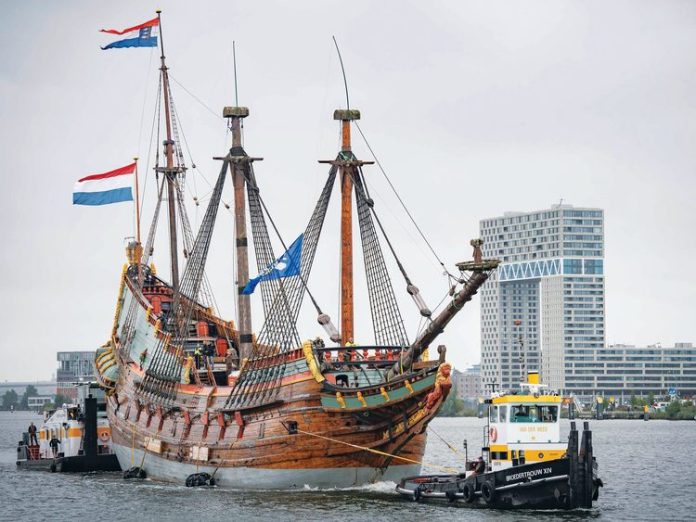
Research has also identified big costs to aquaculture. As one example, studies have estimated losses around $10 million a year to green-lipped mussel farming from invasive blue mussels. Disease is another consideration. Ostreid herpesvirus, has had a major impact on New Zealand’s oyster industry since it was detected in 2010 and can also be transported with marine growth attached to vessel hulls.
The effects of marine pests will differ depending on the species and location, but the evidence is clear: once established, some marine pests can create lasting environmental and economic impacts.

For more information check out www.marinepests.nz