Three skippers in the Vendée Arctique accepted an unusual cargo this week: weather buoys weighing 28 kilos each, hoisted aboard their IMOCA yachts to gather ocean data that will sharpen forecasting models across the northern hemisphere.
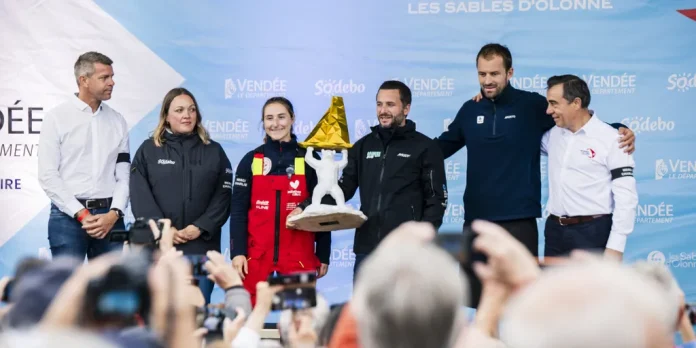
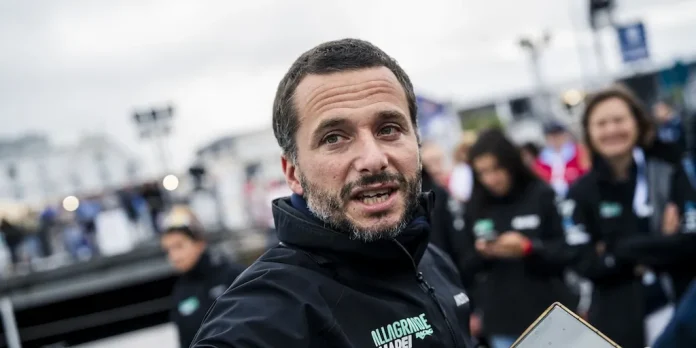
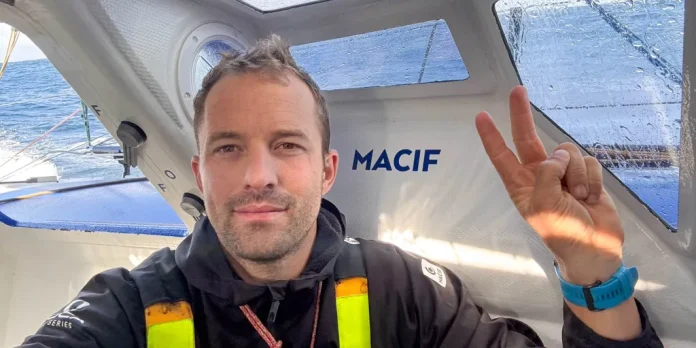
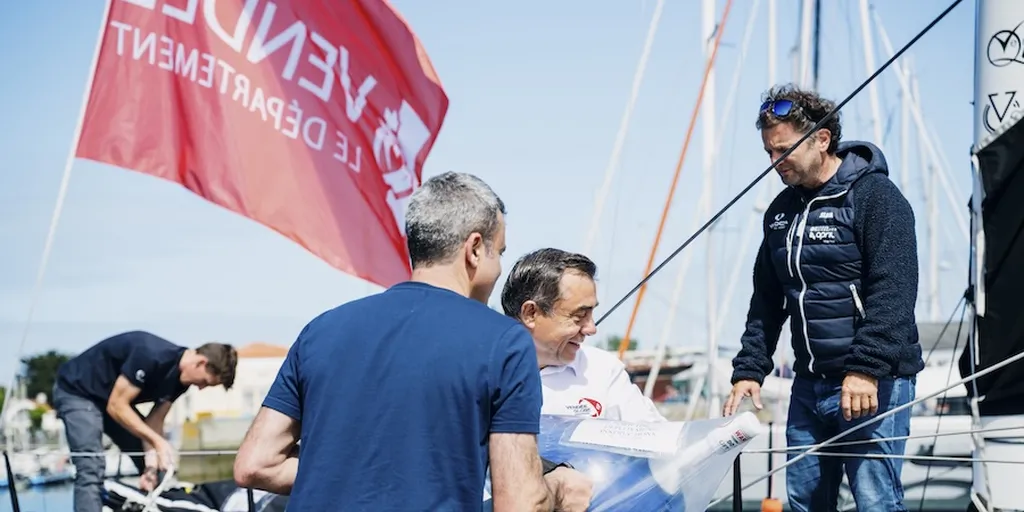
Francesca Clapcich on 11th Hour Racing, Arnaud Boissières with April Marine, and Manu Cousin sailing Coup de Pouce took on the buoys on Friday morning. Getting them aboard required muscle. Boissières cracked a joke about the effort: “A heavy weight for the IMOCA, a giant leap for mankind.”
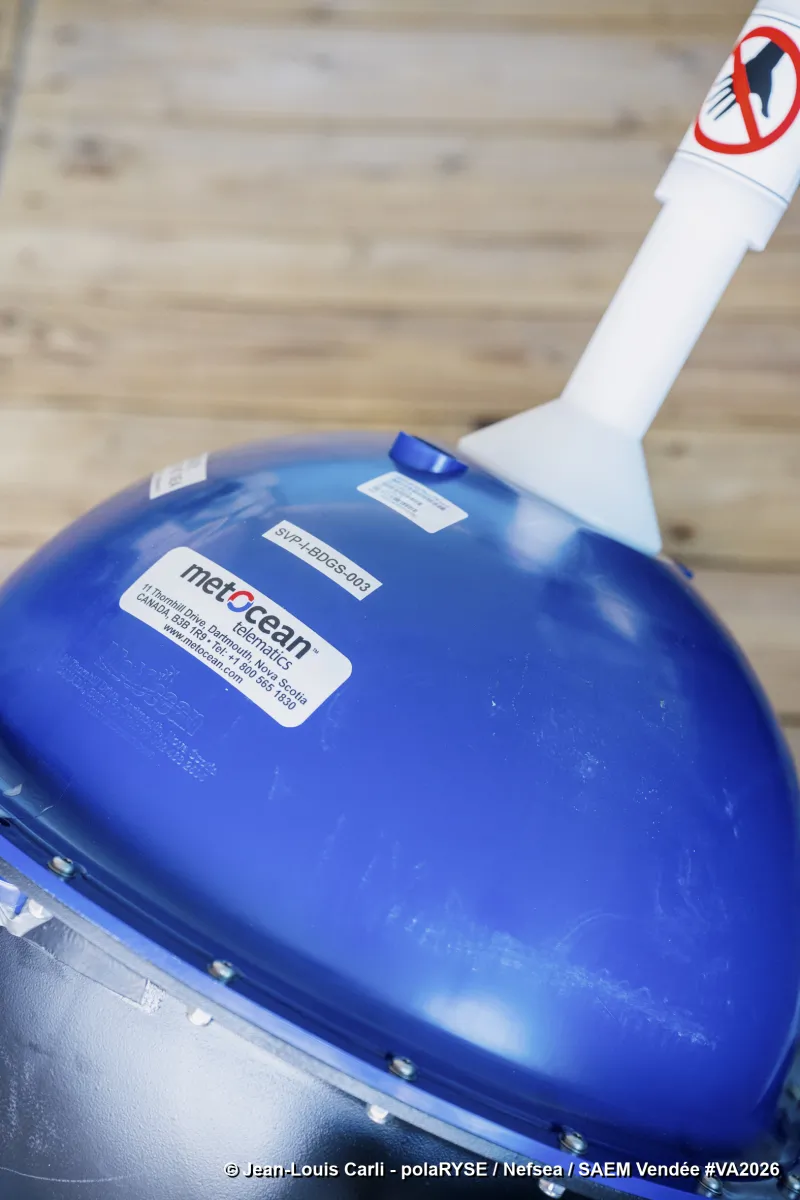
The buoys measure atmospheric pressure, sea temperature and surface currents. Sébastien Peré from Météo France outlined what they’ll capture. “They let us take the pulse of the planet, understand ocean health with precision, track current changes and monitor climate shifts,” he said. In a race where weather routing determines the outcome, there’s something fitting about the competitors themselves becoming weather stations.
The data flows back to forecasters in real time. Three buoys deployed across the Arctic waters will fill gaps in the network that covers the wider ocean. Meteorologists rely on satellites and buoys for the raw information that feeds the models sailors depend on. During a long ocean race, a tenth of a knot in current prediction, or a pressure system positioned wrong by 50 kilometres, means hours lost or gained.
For the skippers, the buoys are ballast with purpose. They’re racing hard, chasing positions and managing their boats across some of Earth’s roughest water. The added weight matters. But each one agreed to carry the extra load, turning their yachts into moving research platforms. It’s collaboration between sport and science that works both ways: the race gets faster forecasts, the forecasters get better data from where it matters most.