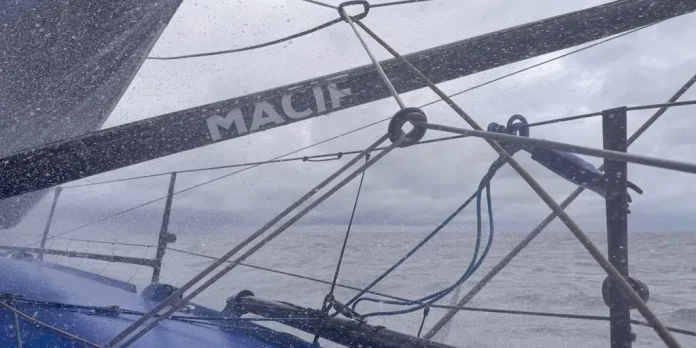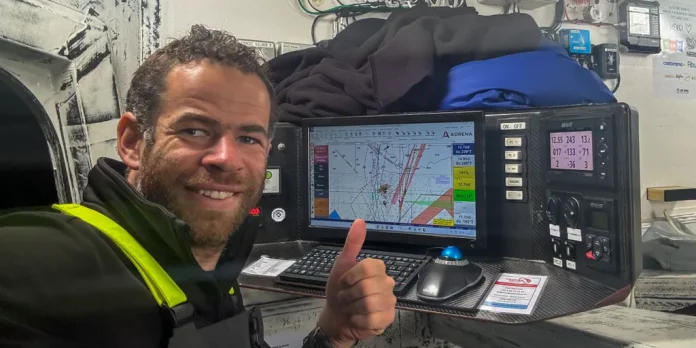
Citizen scientists are being asked to join a hunt for coloured seawater along European coasts, with a French research programme now inviting offshore racers and the public to spot algal blooms and help track changes in marine ecosystems.
The Ifremer, France’s marine research institute and scientific partner to the Vendée Arctique race, has launched Phenomer 2.0, a participatory science initiative that turns everyday observations into valuable research data. Anyone witnessing discoloured water—whether a sailor, fisherman, coastal resident, or beachgoer—can report sightings and, where possible, collect water samples for laboratory analysis.
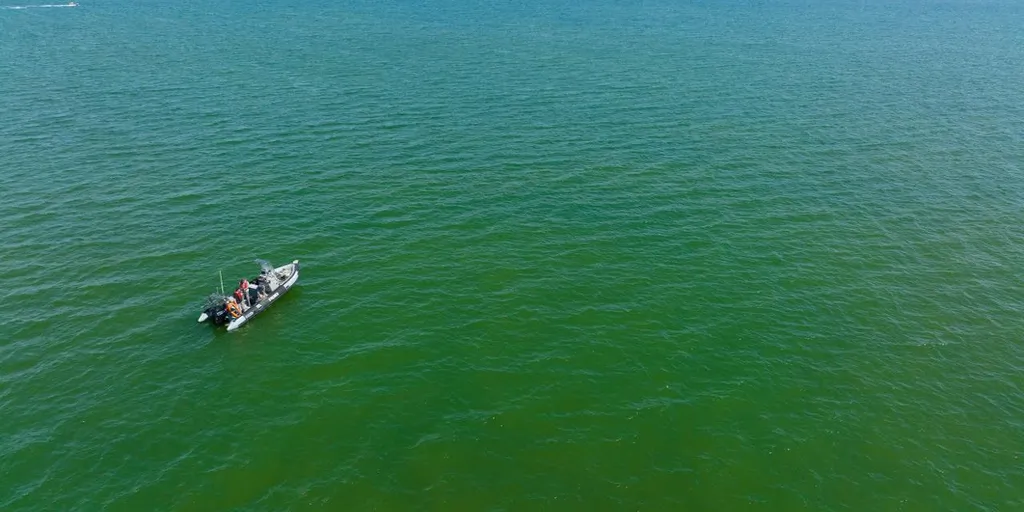
Algal blooms occur naturally, but their frequency and intensity matter. While most pose no direct threat, some can harm aquaculture operations, affect recreational activities, or signal deeper imbalances in marine health. As ocean temperatures shift and coastal nutrient levels change, tracking these events has become central to understanding how marine life adapts.
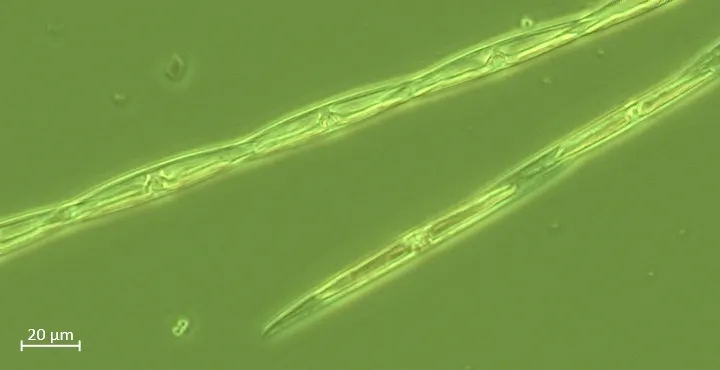
The beauty of Phenomer 2.0 lies in its simplicity. Observers report the location, date, and appearance of coloured water through the programme’s platform. When possible, they collect samples—a straightforward process requiring no specialist equipment—which Ifremer scientists then analyse to identify which microalgae species are present. These submissions, often capturing fleeting phenomena that researchers cannot easily monitor from shore or laboratory, build a picture of phytoplankton dynamics across entire regions.

Ifremer researchers are particularly interested in potentially toxic species and how changing ocean conditions alter their distribution. The data gathered through the programme feeds into broader climate and eutrophication research, helping scientists distinguish between natural variability and human-driven environmental change. Offshore racers competing in the Vendée Arctique are well-positioned to contribute; their voyages take them across vast stretches of open ocean where sightings would otherwise go unrecorded.
The programme asks little of participants beyond attention and curiosity. A report takes minutes. A sample collection takes longer but requires nothing more than a clean bottle and basic care. For science pursuing answers about marine futures, the return is substantial. Each observation, each sample, closes a gap in the data scientists need to forecast ecosystem change and inform coastal management decisions. Phenomer 2.0 transforms casual observation into active research participation, proving that understanding the ocean requires not laboratories and funding alone, but the eyes and hands of people who spend time on the water.